




News


 电商部
电商部  2025-12-24 15:38:15
 PCIe SSD vs SATA SSD - Which One Should You Buy in 2025?
The debate between PCIe SSDs and SATA SSDs boils down to one key question: do you need speed, or is budget and compatibility more important? In 2025, both options still have their place, but understanding their differences is critical to avoiding buyer’s remorse.
Let’s start with the most obvious gap: speed. SATA SSDs are limited by the SATA III interface, with maximum sequential read/write speeds of around 550MB/s and 500MB/s respectively. PCIe SSDs, using the NVMe protocol over PCIe lanes, blow this out of the water: PCIe 3.0 models hit 3500MB/s, while PCIe 4.0 reaches 7000MB/s+, and PCIe 5.0 pushes 14,000MB/s+. This speed difference is tangible in high-demand tasks: transferring a 40GB 4K video takes minutes with a SATA SSD but under a minute with a PCIe 4.0 model. For daily tasks like web browsing or document editing, though, the gap is barely noticeable—both feel snappier than a mechanical hard drive.
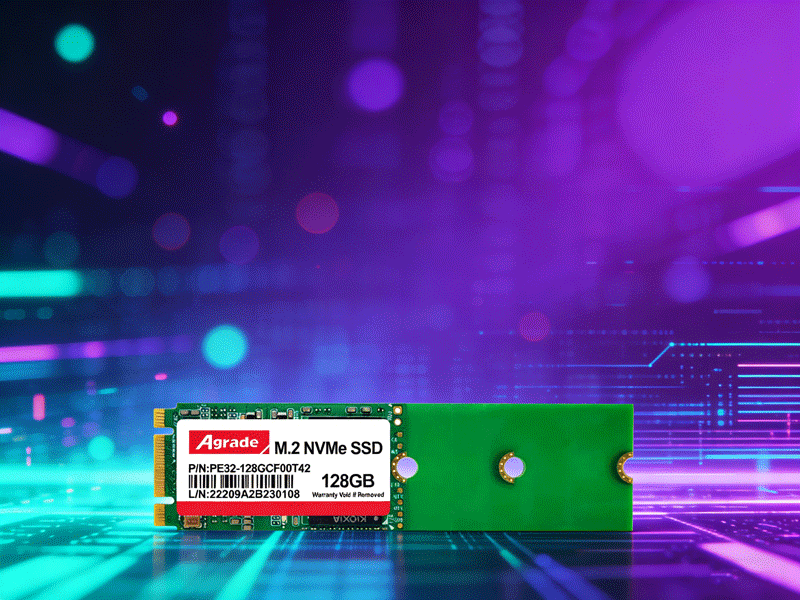
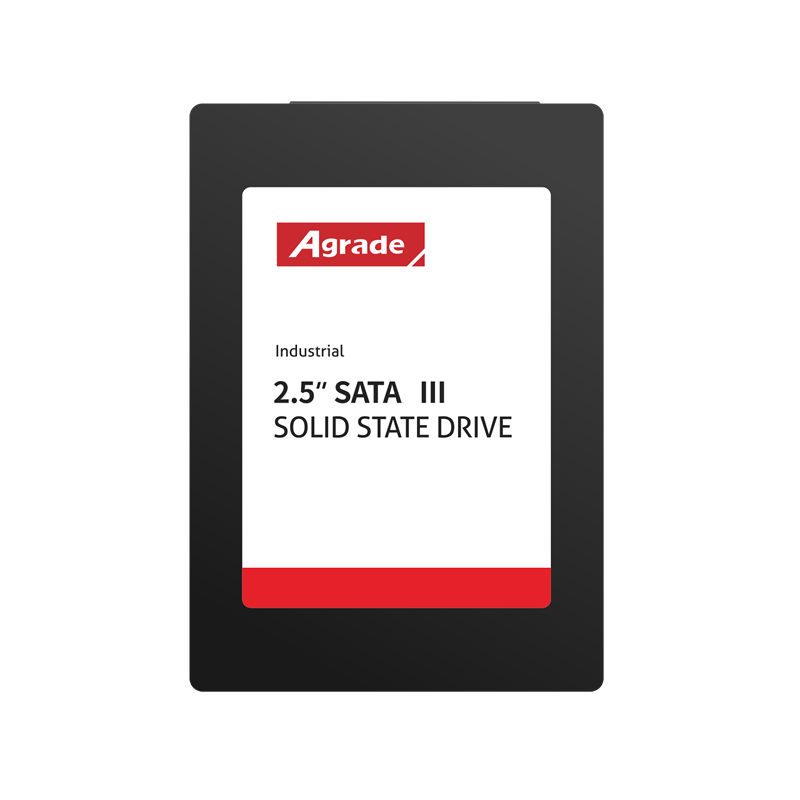
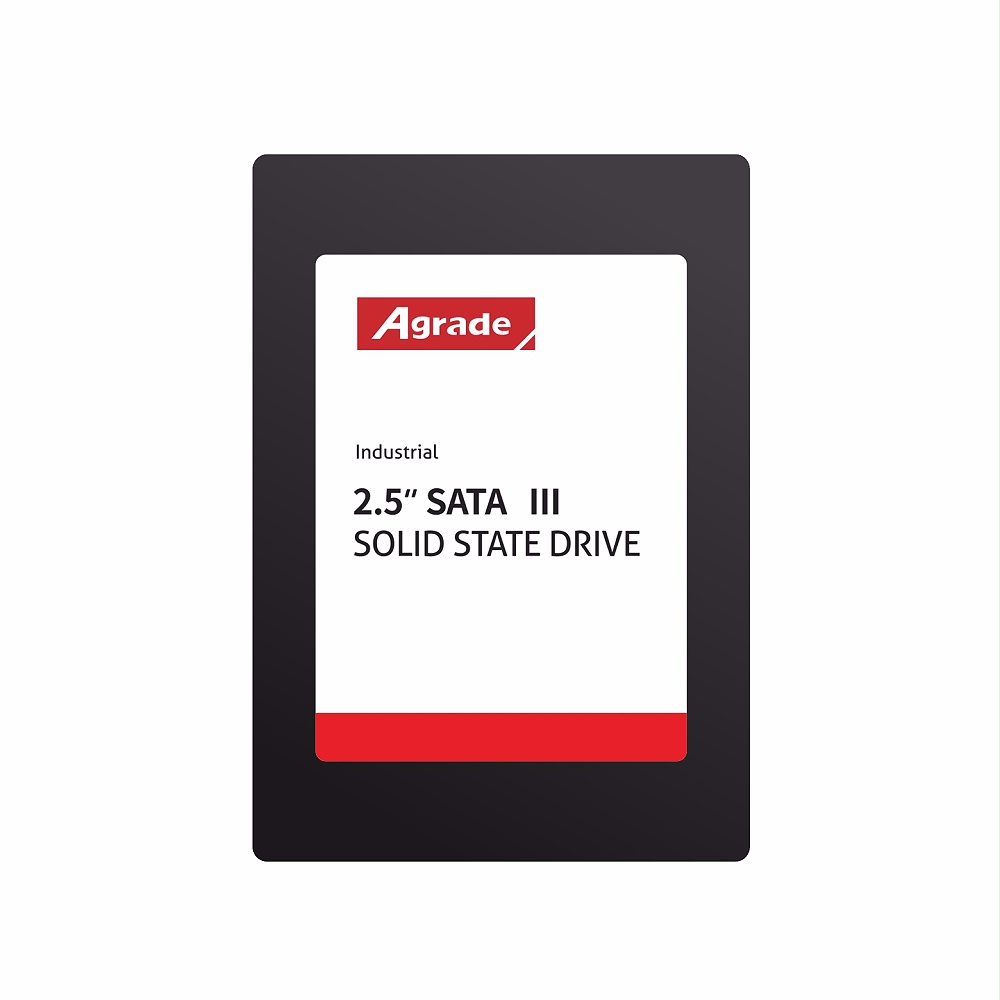
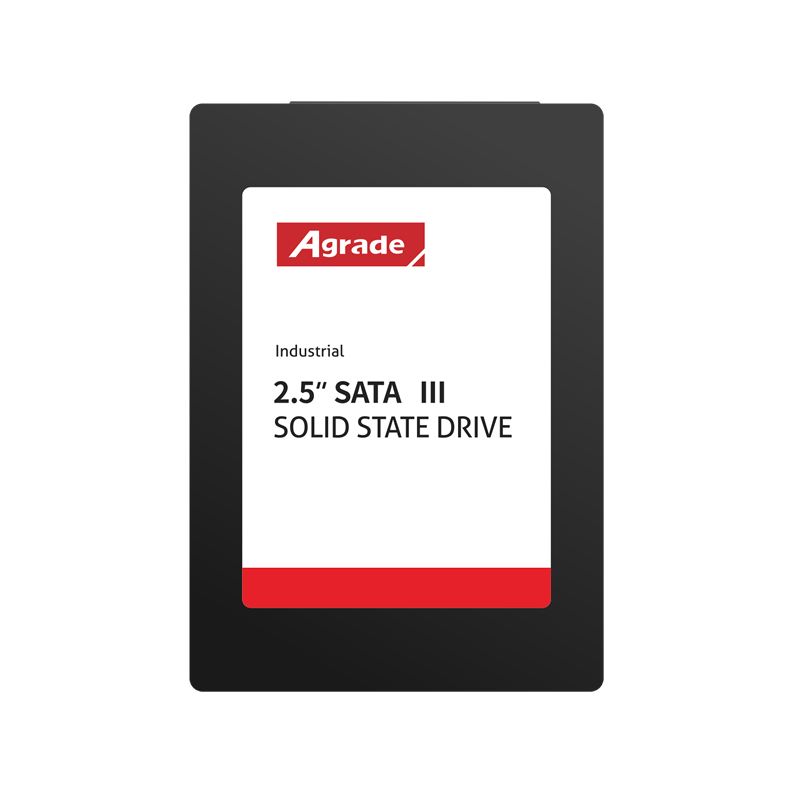
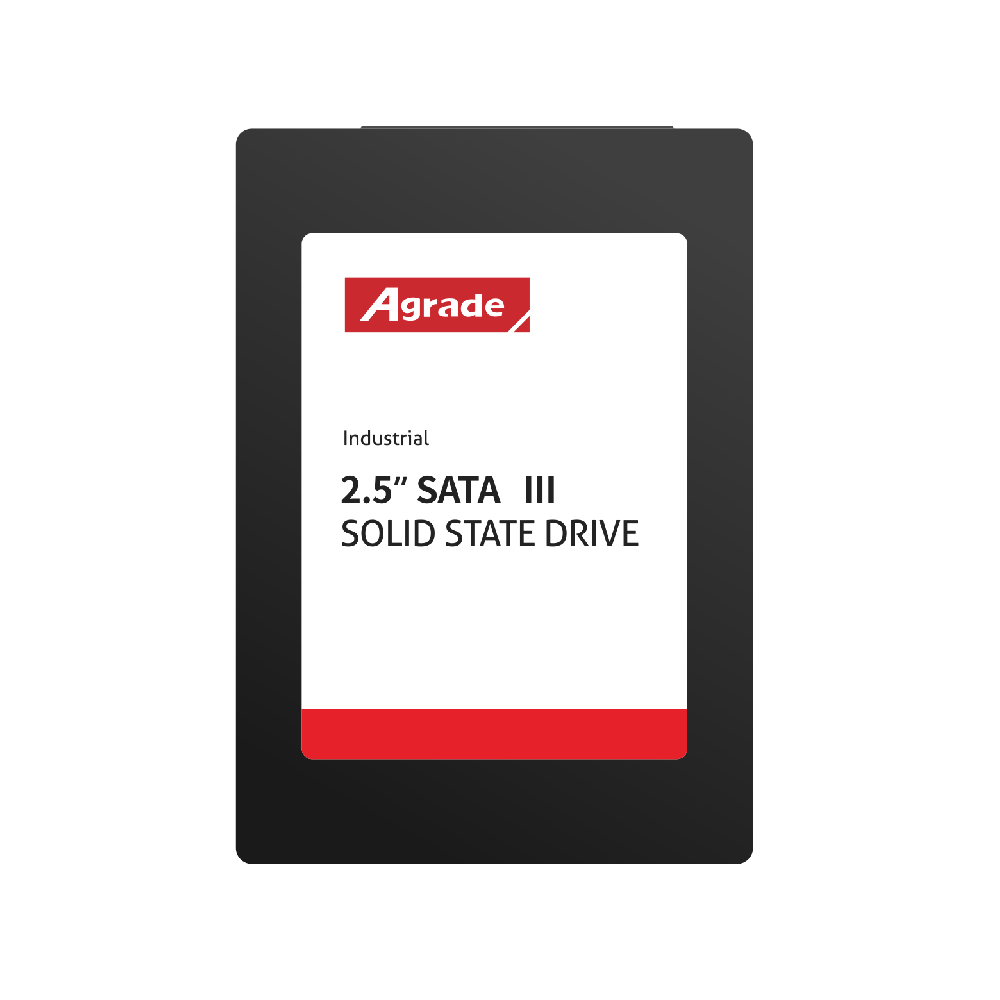
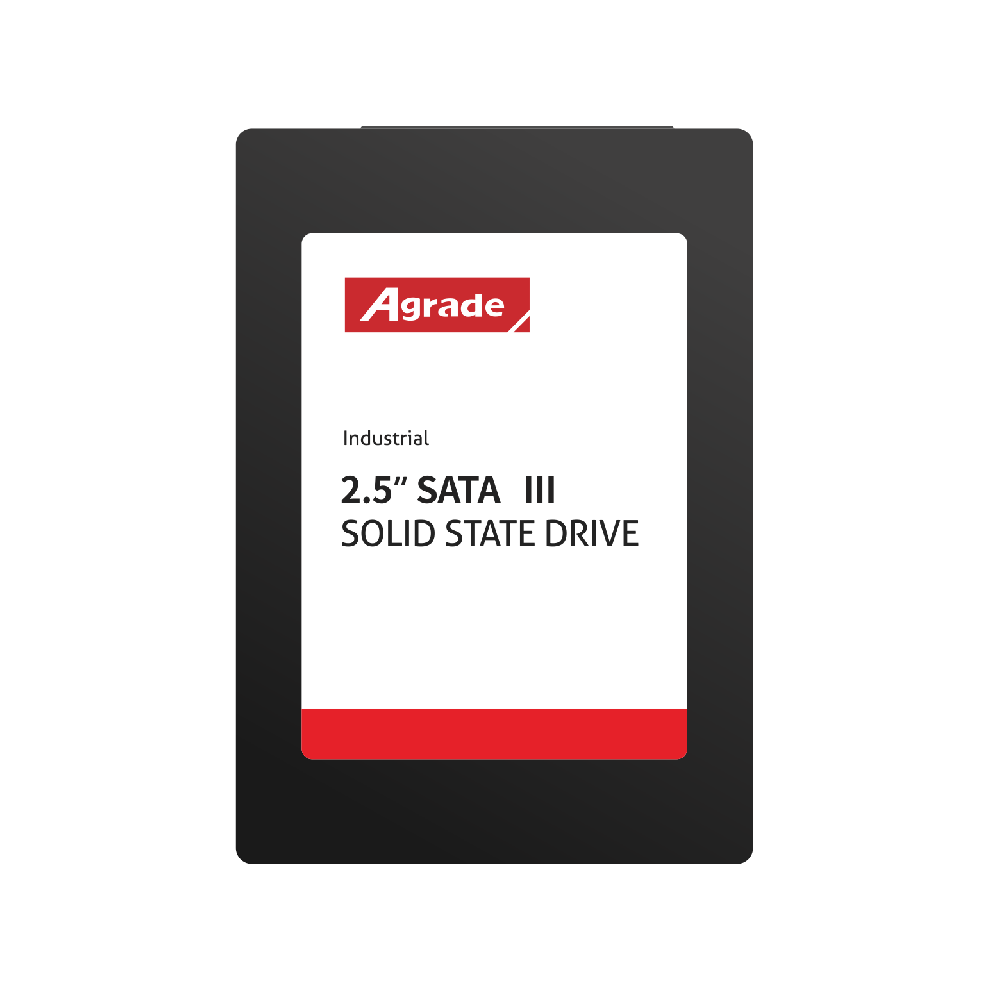
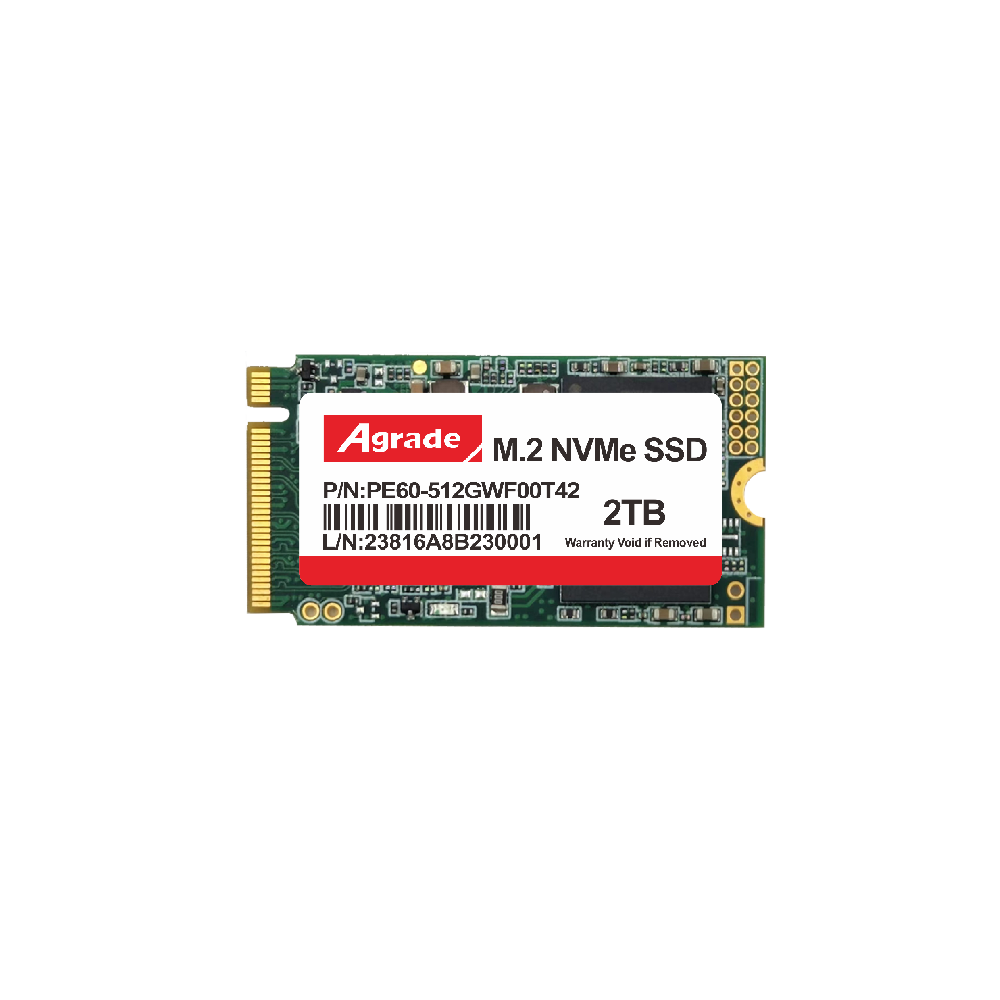
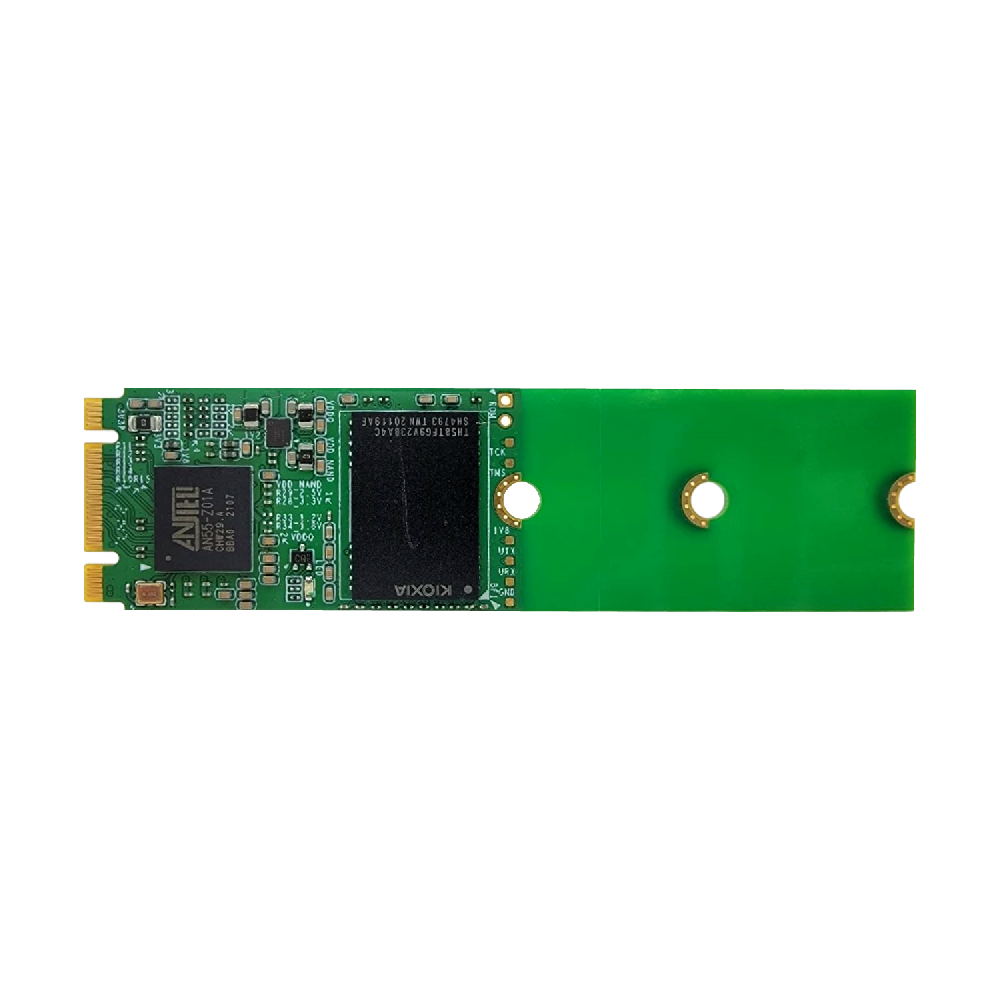
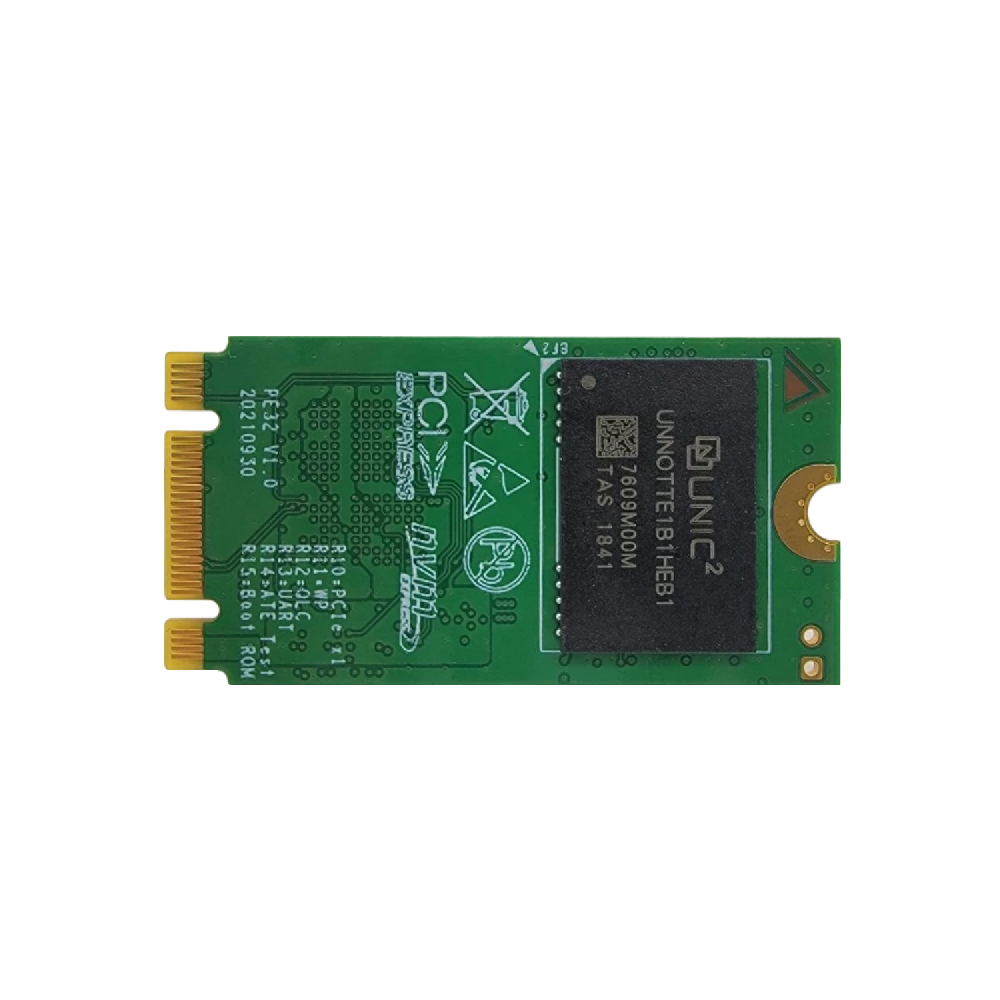
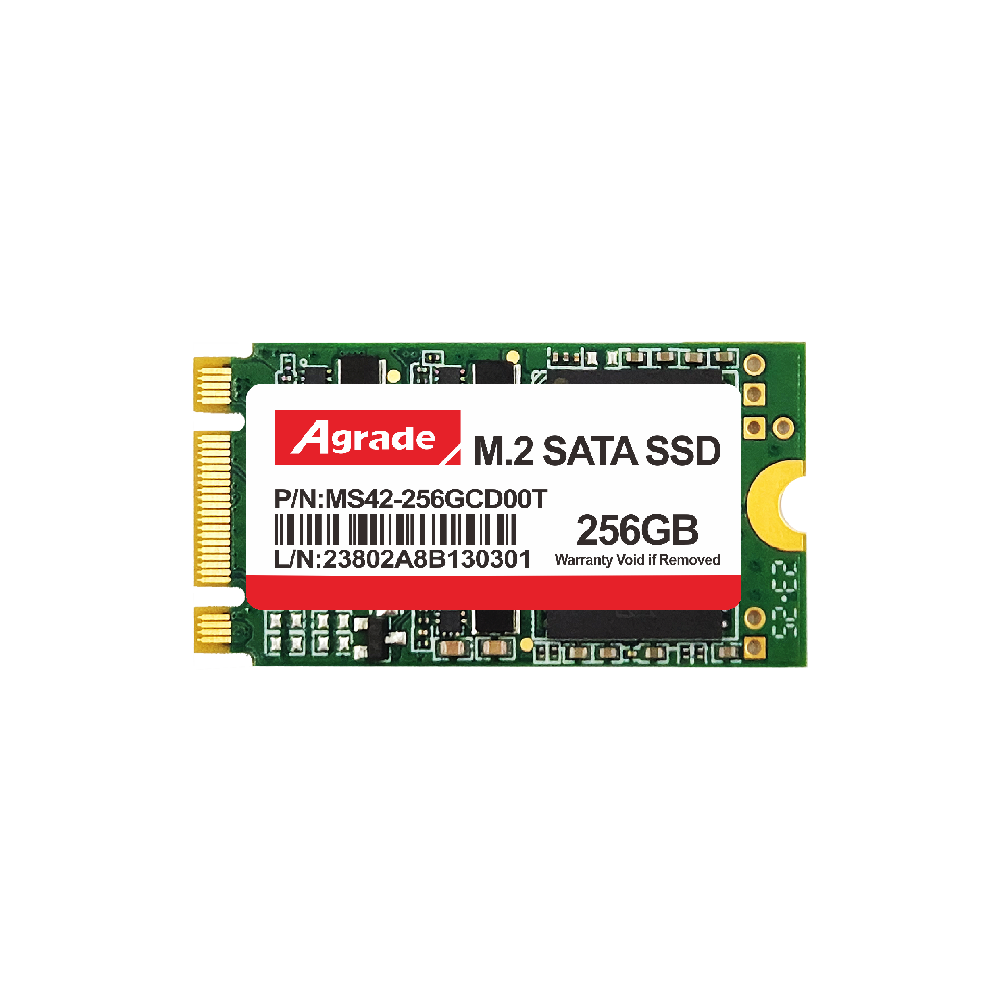
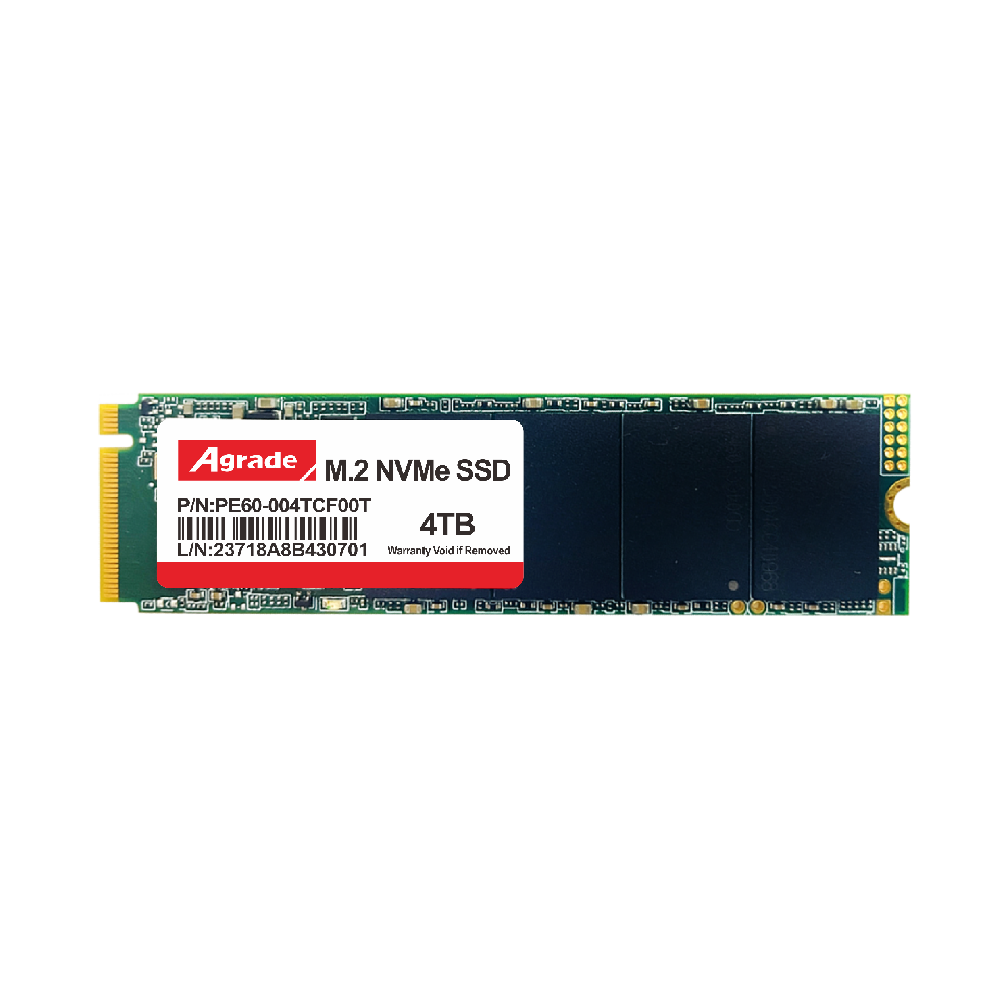
Installation and compatibility are another factor. SATA SSDs are universally compatible, using 2.5-inch form factors or M.2 slots with SATA protocols, making them easy to install in old and new PCs alike. PCIe SSDs (especially M.2 NVMe models) require a motherboard with PCIe slots or M.2 NVMe support; older motherboards may lack this, limiting upgrade options.
Price is a big consideration too: same-capacity PCIe SSDs cost 1.5 to 3 times more than SATA SSDs. A 1TB SATA SSD can be found for under $50, while a 1TB PCIe 4.0 SSD starts around $80. Power consumption and heat also differ: SATA SSDs are more energy-efficient, drawing less power and generating minimal heat—great for laptops aiming for longer battery life. PCIe SSDs, especially high-speed models, consume more power and need cooling (like heat sinks) to avoid throttling, which is a concern for thin-and-light laptops.
So who should choose which? Opt for a PCIe SSD if you’re a gamer, content creator, or power user who needs fast load times and data transfer. Choose a SATA SSD if you’re upgrading an old PC, on a tight budget, or only need basic storage for daily tasks. For most users in 2025, PCIe 4.0 SSDs offer the best balance of performance and value, but SATA SSDs remain a practical choice for casual use. The key is to match the drive to your system’s capabilities and your actual needs—no need to overspend on speed you won’t use.

-
Products
Advantages
-
Solutions
-
News
About us
-
Contact us
Tel:+86 19926658803
Whatsapp:+86 19926658803
lianle1210@163.com
Address: 30CF, Caihong Building, Caihong Road, Futian District, Shenzhen City, Guangdong Province, China



Friendly Links:
