

























News


 电商部
电商部  2026-01-26 10:24:49
 What is a wide-temperature solid-state drive? An analysis of its core definition and technical chara
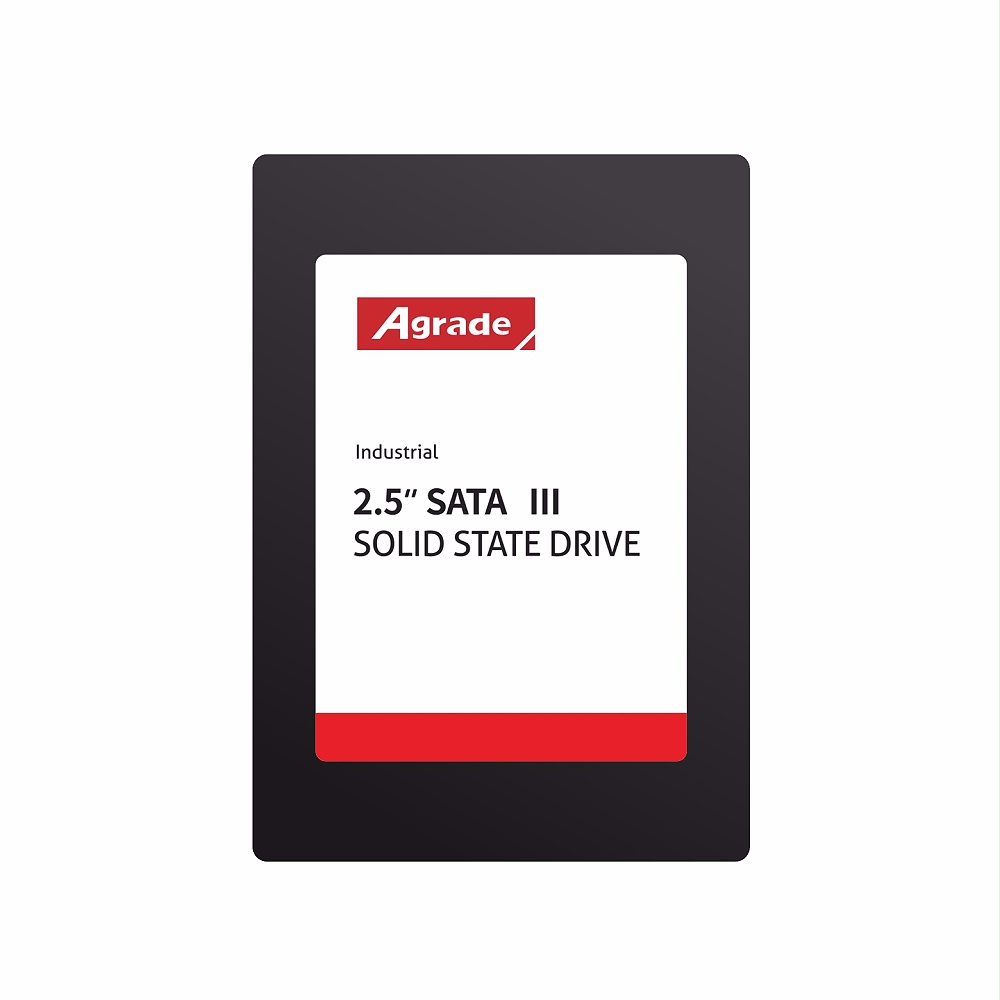
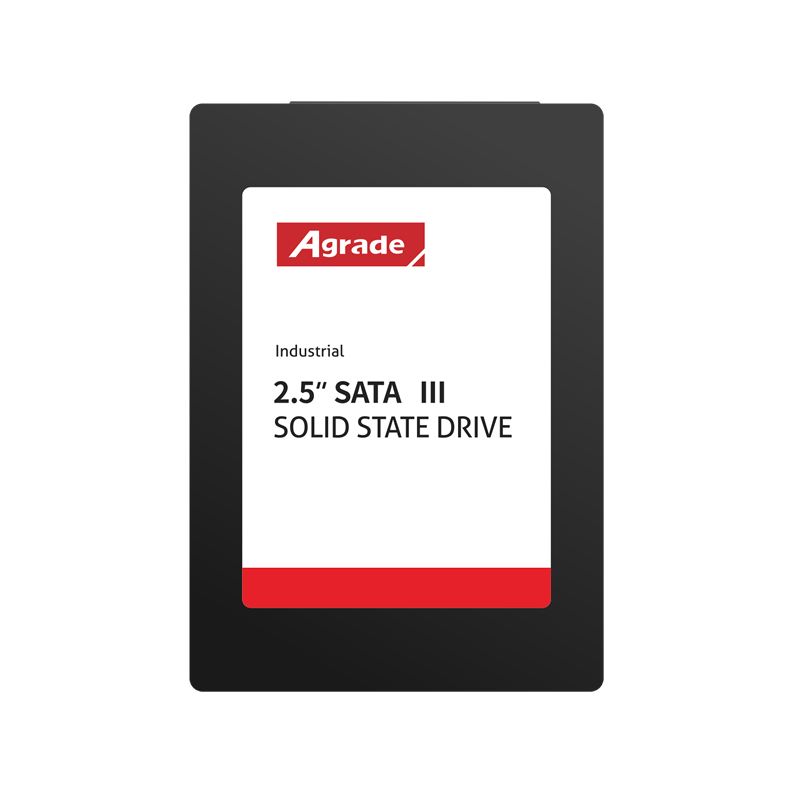
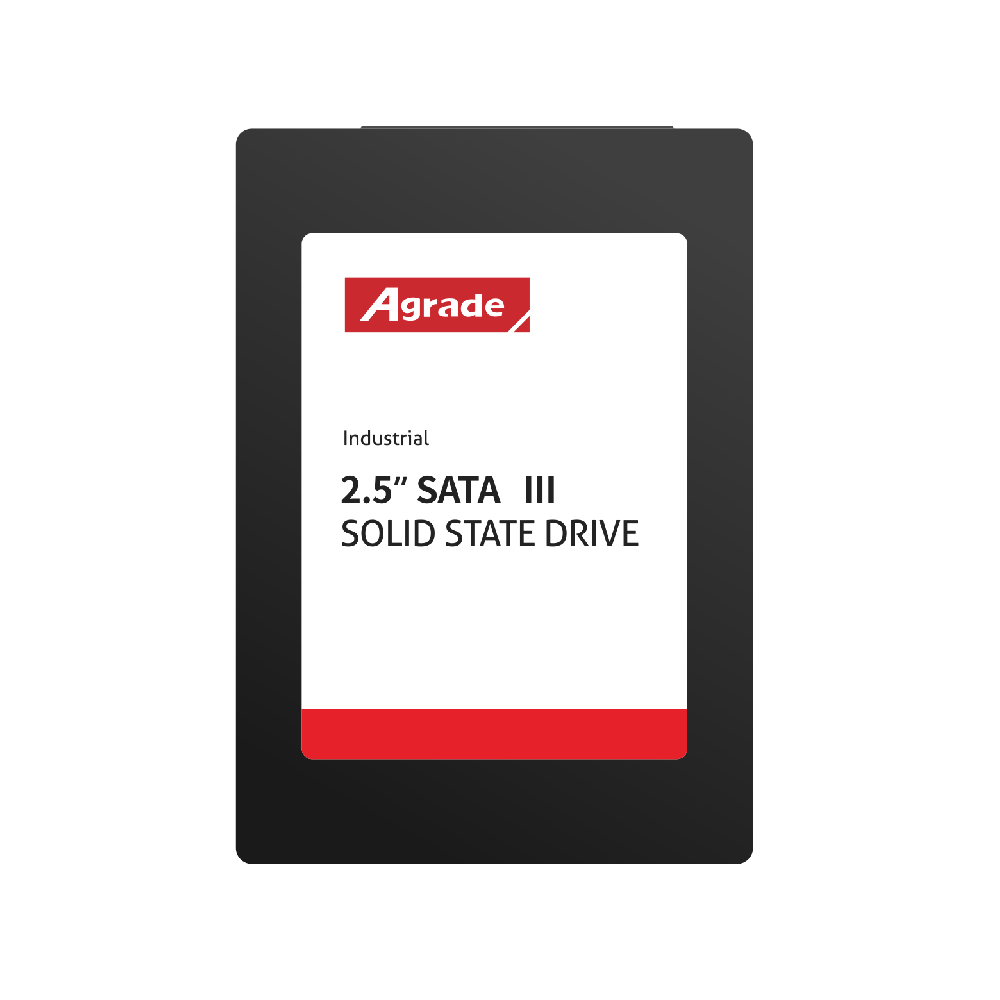
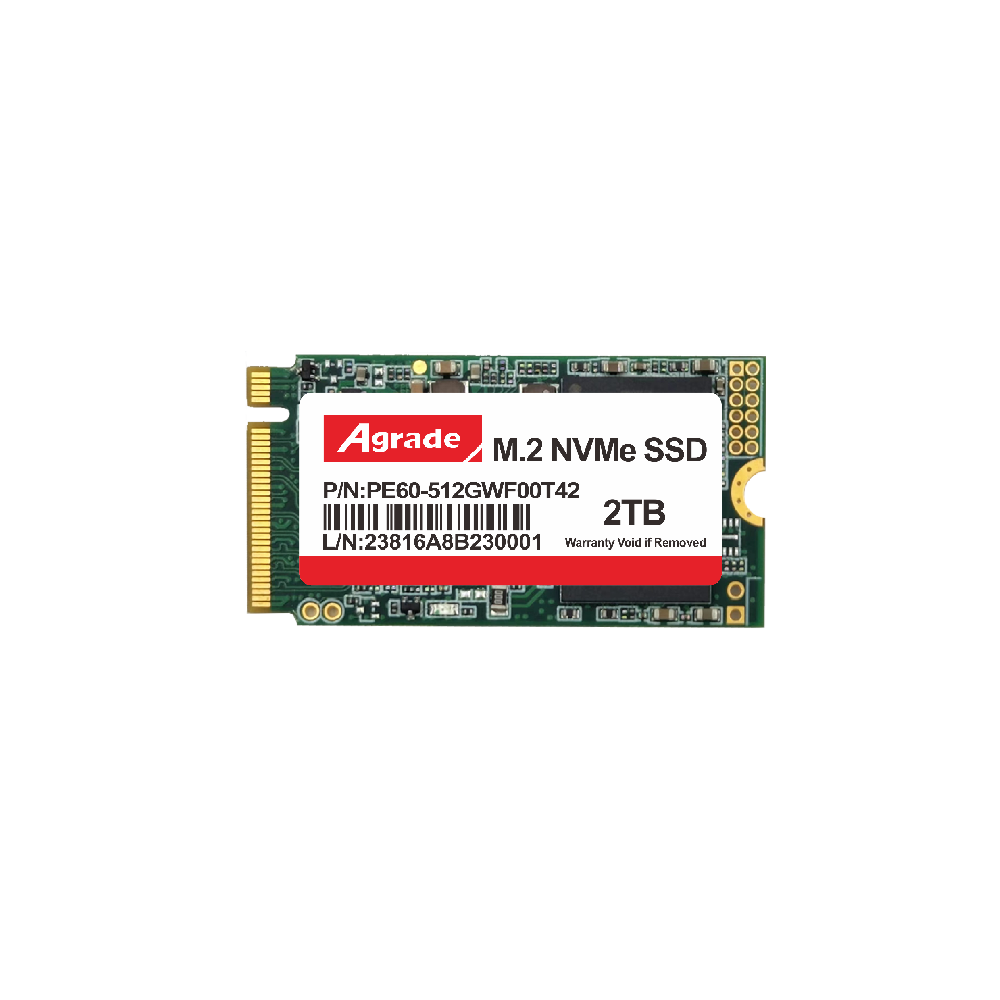
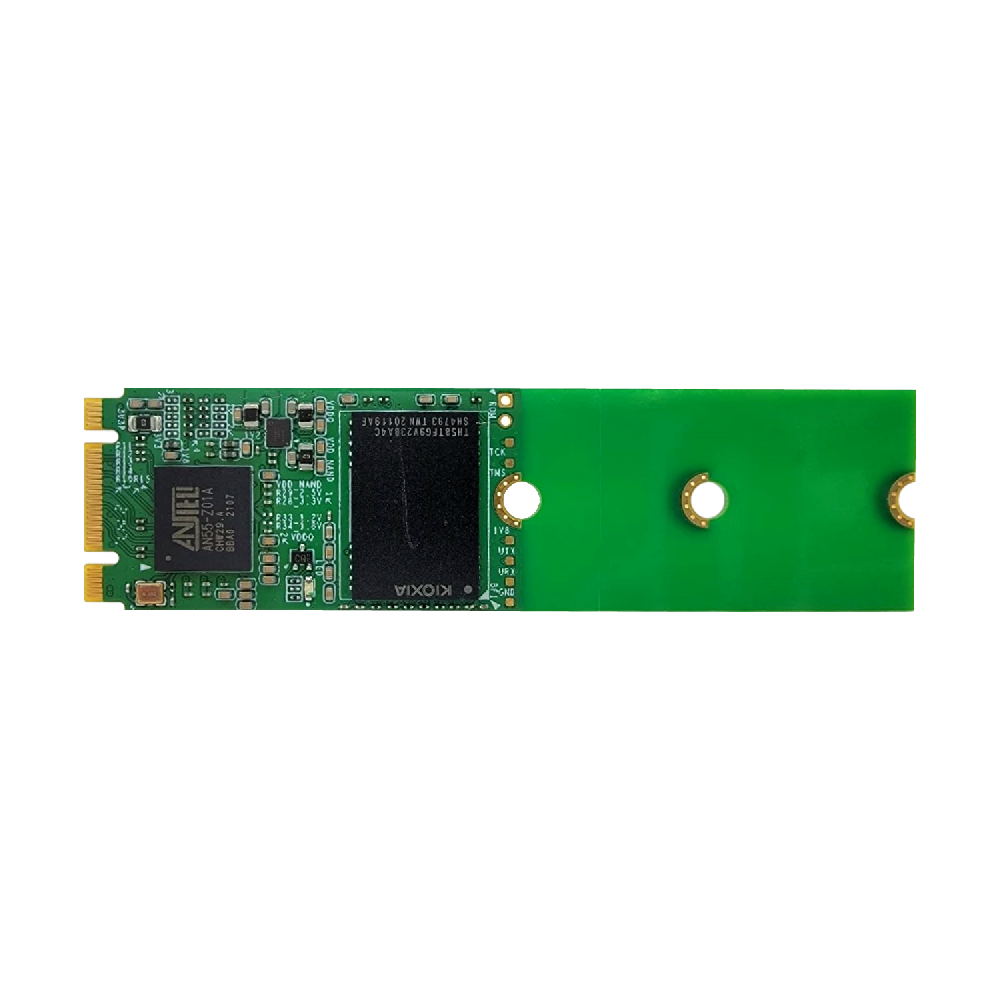
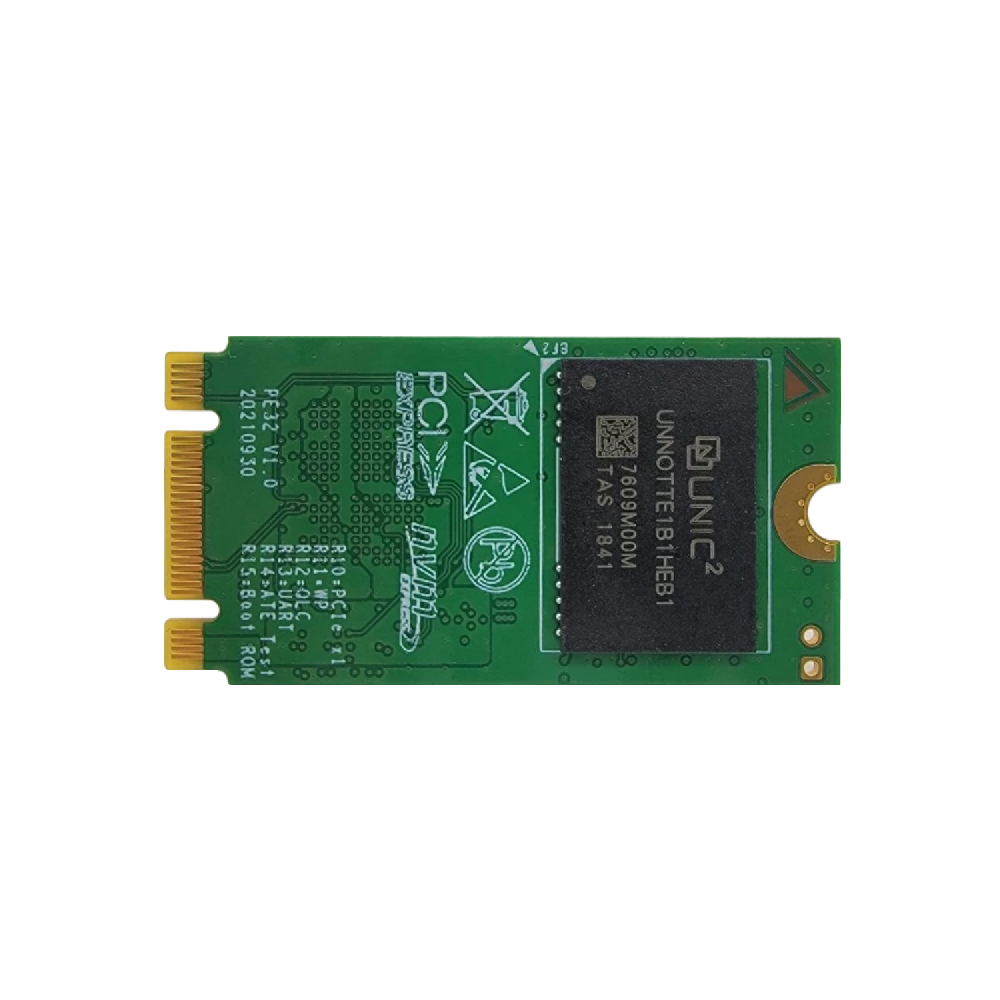
Wide-temperature solid-state drives (SSDs) are industrial-grade storage devices specifically designed for extreme temperature environments. Unlike ordinary consumer-grade SSDs, which are only compatible with the conventional temperature range of 0°C to 70°C, their core advantage lies in their ability to operate continuously and stably within a wider temperature range from -40°C to 85°C or even broader. This makes them an indispensable core storage solution for special scenarios such as industrial control, rail transit, aerospace, and polar research. These devices are far from being mere "rebranded products" that simply modify temperature labels. Instead, they undergo comprehensive system design optimization, encompassing component selection, firmware development, and hardware architecture. The technical threshold and reliability standards for these devices are significantly higher than those for ordinary consumer-grade SSDs.

The core technical characteristics of wide-temperature SSDs are concentrated in three major dimensions, forming a closed-loop guarantee for adaptation to extreme environments. In the chip selection process, rigorous temperature cycling tests and reliability verifications are required. Only industrial-grade NAND flash memories and main control chips with excellent high and low temperature resistance are used, abandoning low-cost commercial components found in consumer-grade devices, thereby avoiding the risk of failure caused by temperature fluctuations from the source. At the firmware level, a dedicated dynamic temperature adaptation algorithm is equipped to monitor environmental temperature changes in real time, intelligently adjust core parameters such as read and write timings and programming voltage, and achieve a balance between performance and stability under different temperature ranges. In terms of hardware design, the heat dissipation structure and power supply stability are enhanced. By optimizing PCB layout and using temperature-resistant materials, performance fluctuations, device damage, or data loss caused by sudden temperature changes are effectively avoided.
Unlike consumer-grade SSDs, which pursue peak read and write speeds and cost-effectiveness, the core demands of wide-temperature products are long-term operational reliability and environmental adaptability. In industrial sites with frequent temperature fluctuations and extreme outdoor environments, ordinary SSDs are prone to triggering thermal protection mechanisms, leading to speed reductions, and may even fail to start normally in low-temperature environments. Long-term use can accelerate flash memory aging and shorten its lifespan. However, wide-temperature SSDs, through technologies such as timing fault tolerance optimization, dynamic voltage regulation, and wear leveling algorithm upgrades, can effectively suppress the increase in bit error rate in high and low temperature environments, keeping the uncorrectable bit error rate (UBER) below 10^-17, ensuring uninterrupted stable operation 24/7. For core scenarios such as industrial automation and rail transit signal control, the temperature adaptability of wide-temperature SSDs directly determines the business continuity of the entire system. They are rigid demand products for storage in extreme environments, and their reliability advantages cannot be replaced by ordinary SSDs.
The core characteristics of wide-temperature SSDs are reflected in three major dimensions: chip selection undergoes rigorous temperature verification, and only industrial-grade NAND flash memory and main controllers with excellent high and low temperature resistance are used; at the firmware level, a dynamic temperature adaptation algorithm is equipped, which can adjust read and write strategies according to the ambient temperature; hardware design enhances heat dissipation and power supply stability to avoid performance fluctuations or data corruption caused by temperature differences.
Compared to consumer-grade SSDs, wide-temperature products prioritize long-term reliability over peak performance. In scenarios with frequent temperature fluctuations, ordinary SSDs are prone to thermal protection slowdown or failure to start at low temperatures. However, wide-temperature SSDs, through techniques such as timing fault tolerance optimization and dynamic voltage adjustment, can effectively suppress the increase in bit error rate, ensuring 7x24-hour continuous operation. Their temperature adaptability directly determines the business continuity of industrial systems, making them a rigid demand product for storage in extreme environments.

-
Products
Advantages
-
Solutions
-
News
About us
-
Contact us
Tel:+86 19926658803
Whatsapp:+86 19926658803
lianle1210@163.com
Address: 30CF, Caihong Building, Caihong Road, Futian District, Shenzhen City, Guangdong Province, China



Friendly Links:
