










News


 电商部
电商部  2026-01-26 10:39:09
 The development trend of wide-temperature solid-state drive technology is towards localization and i
With the continuous improvement of reliability and security requirements for storage devices in fields such as industrial automation, rail transportation, aerospace, and innovation, wide temperature solid-state drive technology has entered a rapid iteration period. Domestic substitution and intelligent upgrading have become the two core development trends, promoting the transformation of wide temperature SSDs from "passive adaptation" to "active optimization" operation in extreme environments, while also developing towards higher temperature ranges, higher reliability, and more scenario oriented directions.
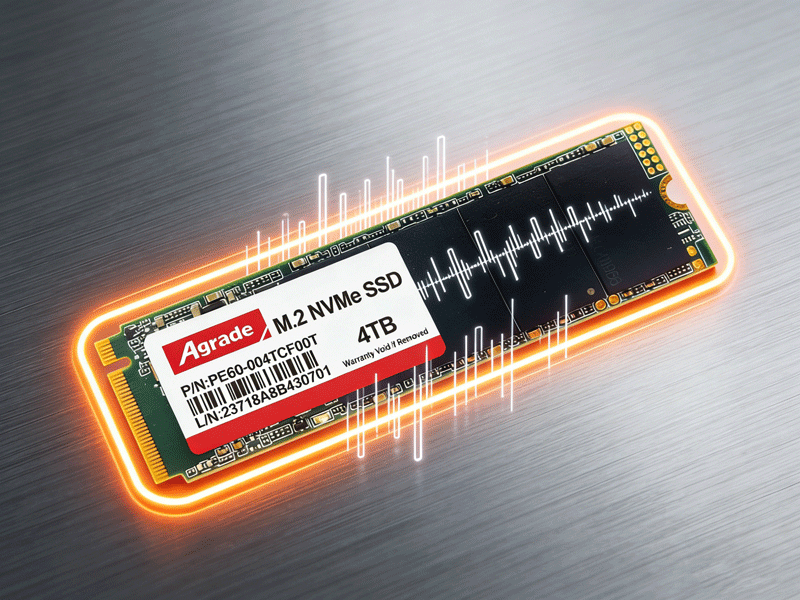
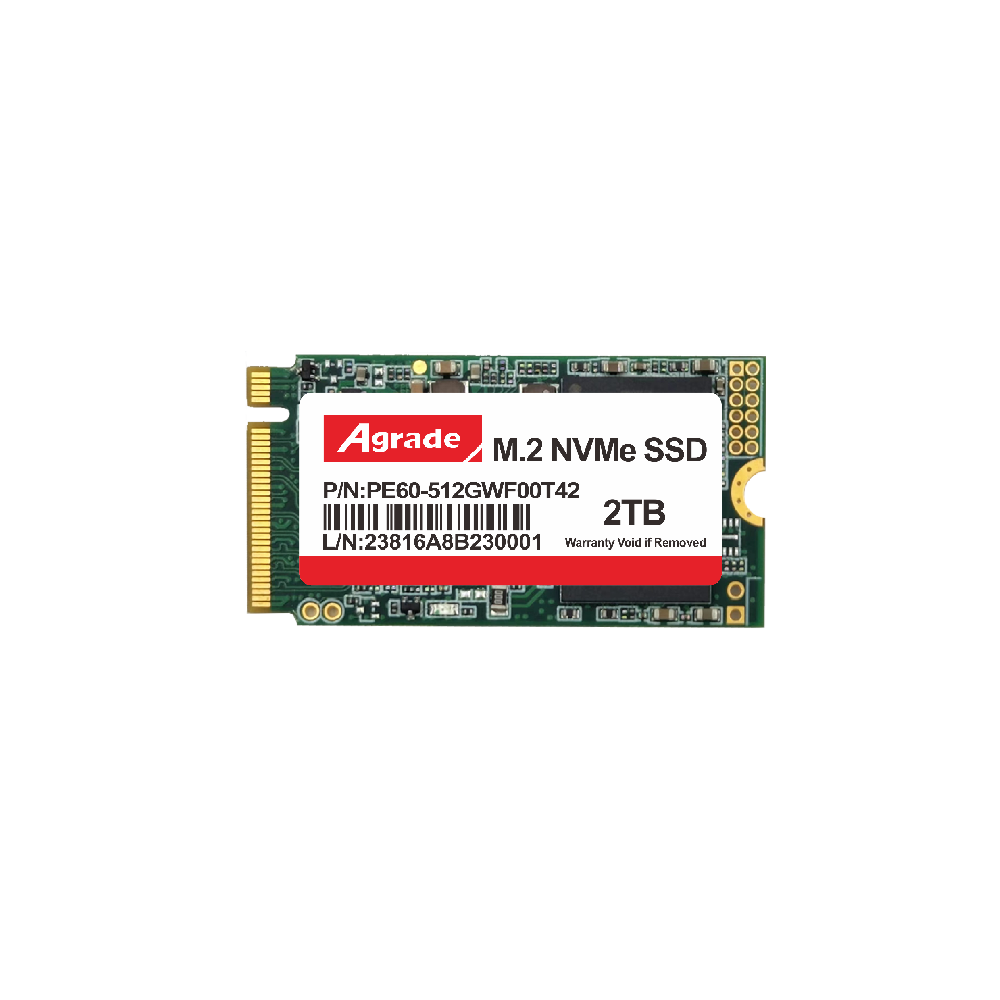
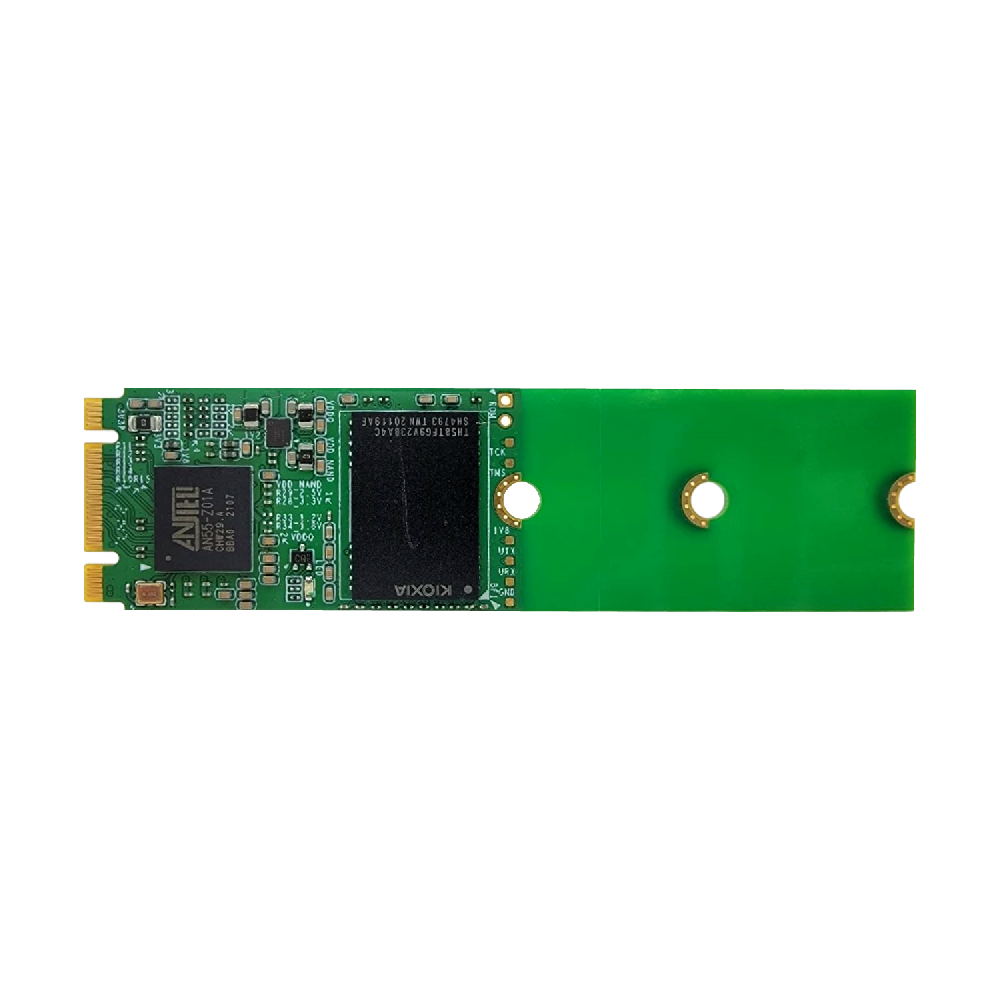
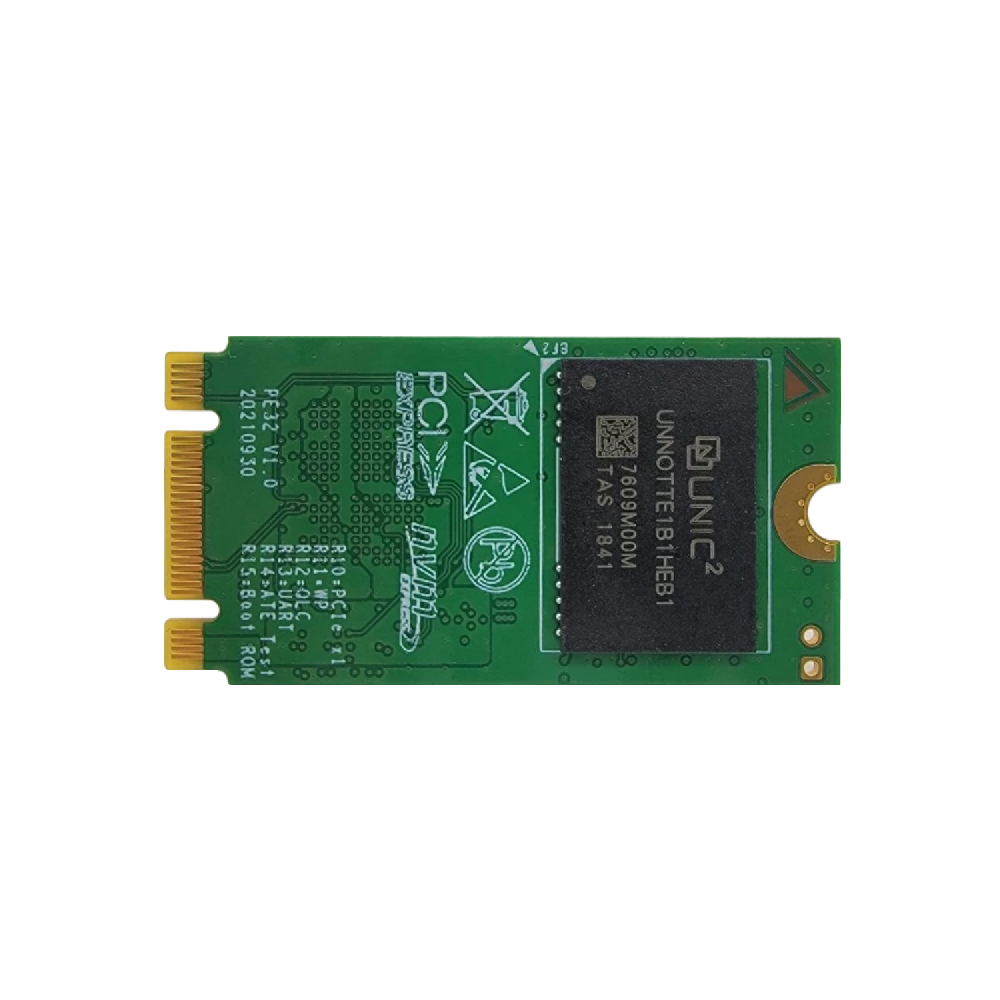
The process of domestic substitution continues to accelerate and has become the core development mainline in the wide temperature SSD field. Previously, the core components (main control chip, NAND flash memory) and firmware algorithms of wide temperature SSDs were mostly monopolized by foreign manufacturers, and domestic products relied on imported components for assembly, resulting in insufficient technological autonomy and supply chain security. In recent years, domestic manufacturers have achieved breakthroughs in full chain technology through continuous research and development investment, gradually breaking away from dependence on imported components, from self-developed main control chips and firmware algorithms to module design, packaging and testing. Domestic brands such as Tianshuo have launched nationwide production wide temperature SSDs, using domestically produced main control chips and NAND flash memory, supporting deep adaptation with domestic CPUs and operating systems, meeting the independent and controllable needs of information and innovation projects. Domestically produced wide temperature SSDs not only achieve technological catch-up, but also have significant advantages in cost and delivery cycle. They can quickly respond to customized needs in domestic industries, energy, military and other fields, accelerating the replacement of imported products.
Intelligence has become the core direction for upgrading wide temperature SSD technology, and the next generation of products will enhance dynamic sensing, adaptive adjustment, and intelligent operation and maintenance capabilities. By integrating multi-dimensional sensors, real-time monitoring of core data such as flash voltage distribution, chip temperature, operating power consumption, vibration status, etc., combined with AI algorithms to dynamically adjust read/write strategies, voltage parameters, and heat dissipation modes, the optimal operating state under different working conditions can be achieved. The popularization of intelligent SLC technology will become an important trend. By dynamically allocating SLC cache areas through firmware, the proportion of SLC cache will be automatically expanded in extreme environments such as high and low temperatures, improving read and write performance and reliability; The active heat dissipation control technology will be further upgraded, combined with AI prediction algorithms, to predict temperature trends in advance, actively adjust operating strategies, and avoid performance fluctuations caused by sudden temperature increases. At the same time, intelligent operation and maintenance functions will continue to be improved, supporting remote monitoring, fault warning, firmware online upgrade and other functions, reducing operation and maintenance costs in industrial scenarios. In the future, wide temperature SSDs will be more suitable for scenario specific needs, and customized products will be launched for different industries' special working conditions to achieve deep binding with specific working conditions and further expand application boundaries.
The process of domestic substitution is accelerating, and domestic manufacturers have achieved breakthroughs in full chain technology, from self-developed main control chips, firmware algorithms to module design, freeing themselves from dependence on imported components. Brands such as Tianshuo have launched nationwide production wide temperature SSDs, which support deep adaptation with domestic CPUs and operating systems to meet the needs of information and innovation projects, while also having advantages in cost and delivery cycle.
Intelligence has become the direction of technological upgrading, and the next generation of wide temperature SSDs will enhance their dynamic sensing and adaptive capabilities, dynamically adjusting read and write strategies and parameters through real-time monitoring of flash voltage distribution and temperature changes. The popularization of intelligent SLC technology, active cooling control and other technologies will further enhance the reliability and lifespan of wide temperature SSDs in extreme environments. In the future, wide temperature SSDs will better meet the needs of scenario based applications and achieve deep integration with specific working conditions.

-
Products
Advantages
-
Solutions
-
News
About us
-
Contact us
Tel:+86 19926658803
Whatsapp:+86 19926658803
lianle1210@163.com
Address: 30CF, Caihong Building, Caihong Road, Futian District, Shenzhen City, Guangdong Province, China



Friendly Links:
