









News


 电商部
电商部  2026-01-28 16:53:00
 5 Key Differences Between Wide-temperature and Consumer-grade Memory Modules
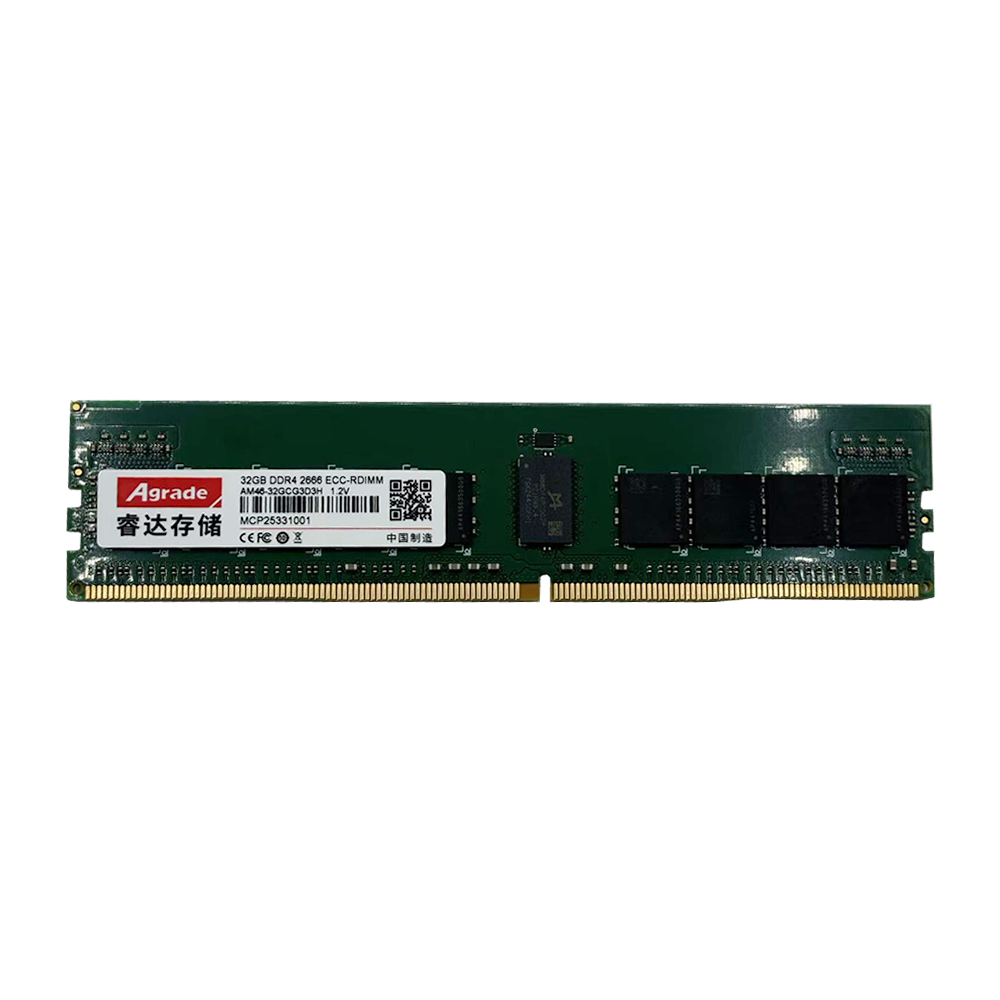
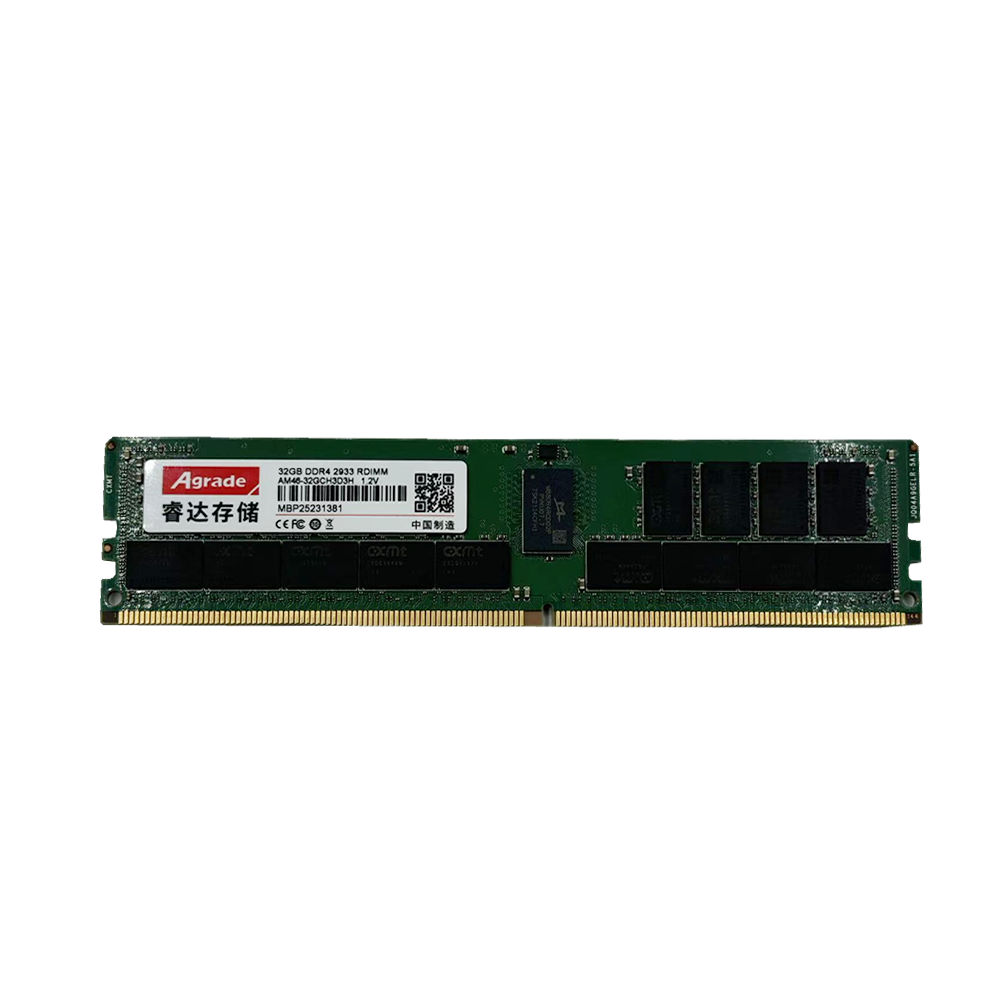
Although wide-temperature memory modules and consumer-grade memory modules have similar appearances, they differ essentially in design concepts, material selection, performance standards, and protection capabilities. These differences stem from their different positioning: consumer-grade memory pursues cost-effectiveness for indoor normal temperature scenarios, while wide-temperature memory takes reliability as the core goal for extreme environments, with optimized design at the cost of higher production costs. These differences determine their applicable scenarios and reliability levels.
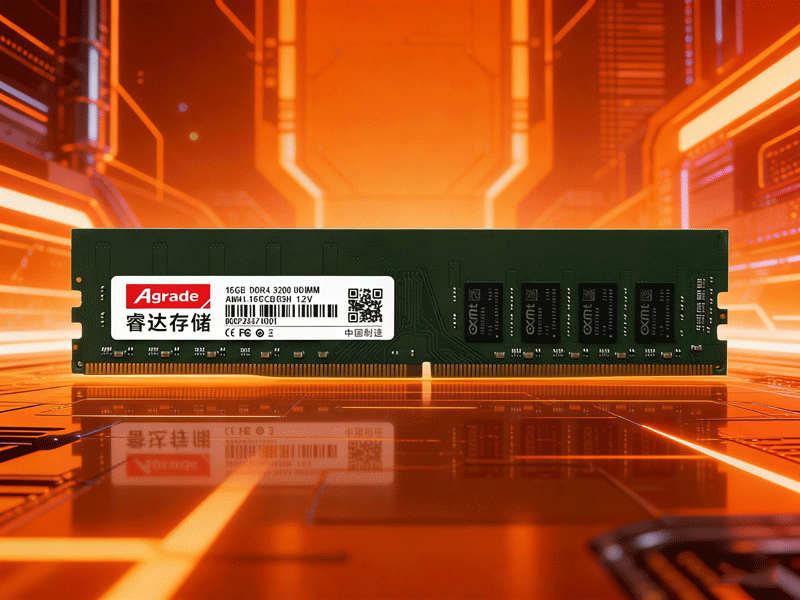
Temperature range adaptability is the most core difference. Consumer-grade memory has an operating temperature range of only 0°C to 70°C. Beyond this range, the leakage rate of memory chips rises sharply, and components such as capacitors are prone to failure, leading to data loss or hardware damage . Standard wide-temperature memory modules cover -40°C to 85°C, automotive-grade products extend to -40°C to 125°C, and military-grade products can reach -55°C to 105°C . According to electronic component reliability theory, the failure risk of electronic components doubles for every 10°C increase in temperature, so the temperature range advantage of wide-temperature memory directly determines the reliability bottom line of critical systems.
Material and process differences are significant. To control costs, consumer-grade memory uses ordinary plastic packaging and conventional silicon-based materials, which are prone to packaging cracking and material brittleness in extreme temperatures . Wide-temperature memory upgrades materials and processes in an all-round way: ceramic substrates replace plastic packaging, high-temperature solder and reinforced PCBs are adopted, and the copper layer thickness of PCBs is increased by more than 30% to improve thermal conductivity and mechanical strength . The gold fingers are gold-plated with a thickness of more than 50 microns to enhance oxidation and corrosion resistance, adapting to humid and dusty industrial environments . High-end products also have vibration and electromagnetic interference resistance through reinforced buckles and electromagnetic shielding coatings.
Reliability standards and testing processes vary greatly. Wide-temperature memory must pass rigorous industrial certifications such as JEDEC JESD21C and AEC-Q100, with tests covering high-temperature storage, low-temperature startup, temperature cycling, vibration impact, and electromagnetic compatibility . The temperature cycle test requires 1000 cycles between -40°C and 85°C to verify the thermal fatigue resistance of packaging materials, with MTBF exceeding millions of hours . Consumer-grade memory has loose testing standards, only meeting basic performance requirements in normal temperature environments, with MTBF of only 100,000 hours. In addition, wide-temperature memory generally has ECC error correction technology, while most consumer-grade memory does not, resulting in obvious gaps in data security .

-
Products
Advantages
-
Solutions
-
News
About us
-
Contact us
Tel:+86 19926658803
Whatsapp:+86 19926658803
lianle1210@163.com
Address: 30CF, Caihong Building, Caihong Road, Futian District, Shenzhen City, Guangdong Province, China



Friendly Links:
