





News


 电商部
电商部  2026-02-03 18:44:52
 Wide Temperature DDR5 vs. Wide Temperature DDR4: Core Advantages of Generation Upgrade
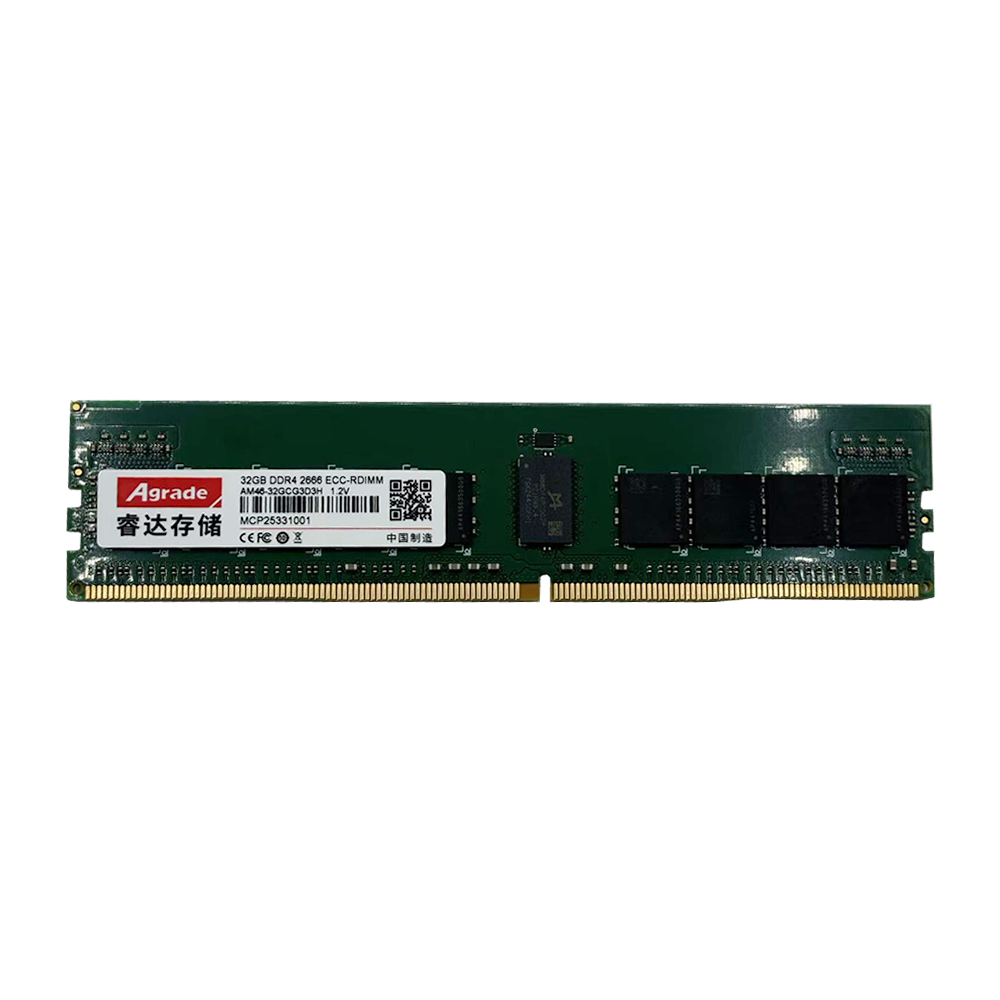
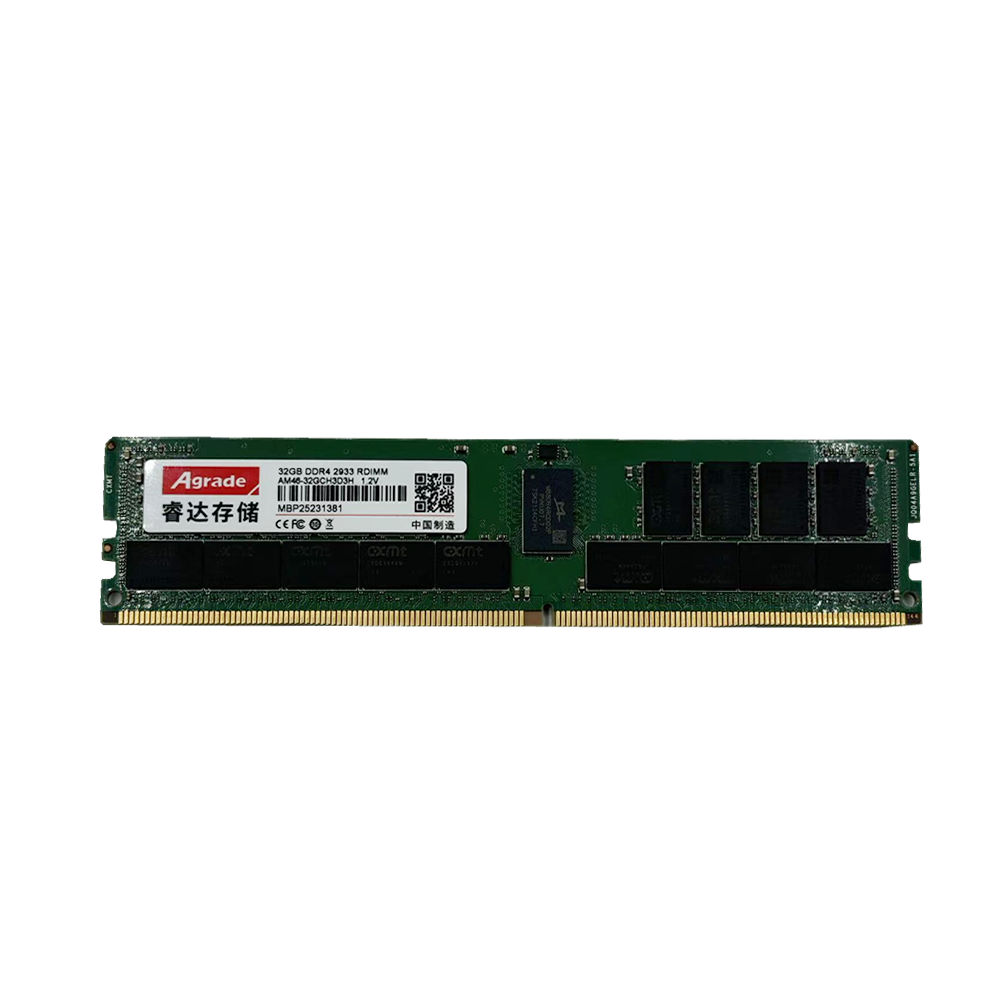
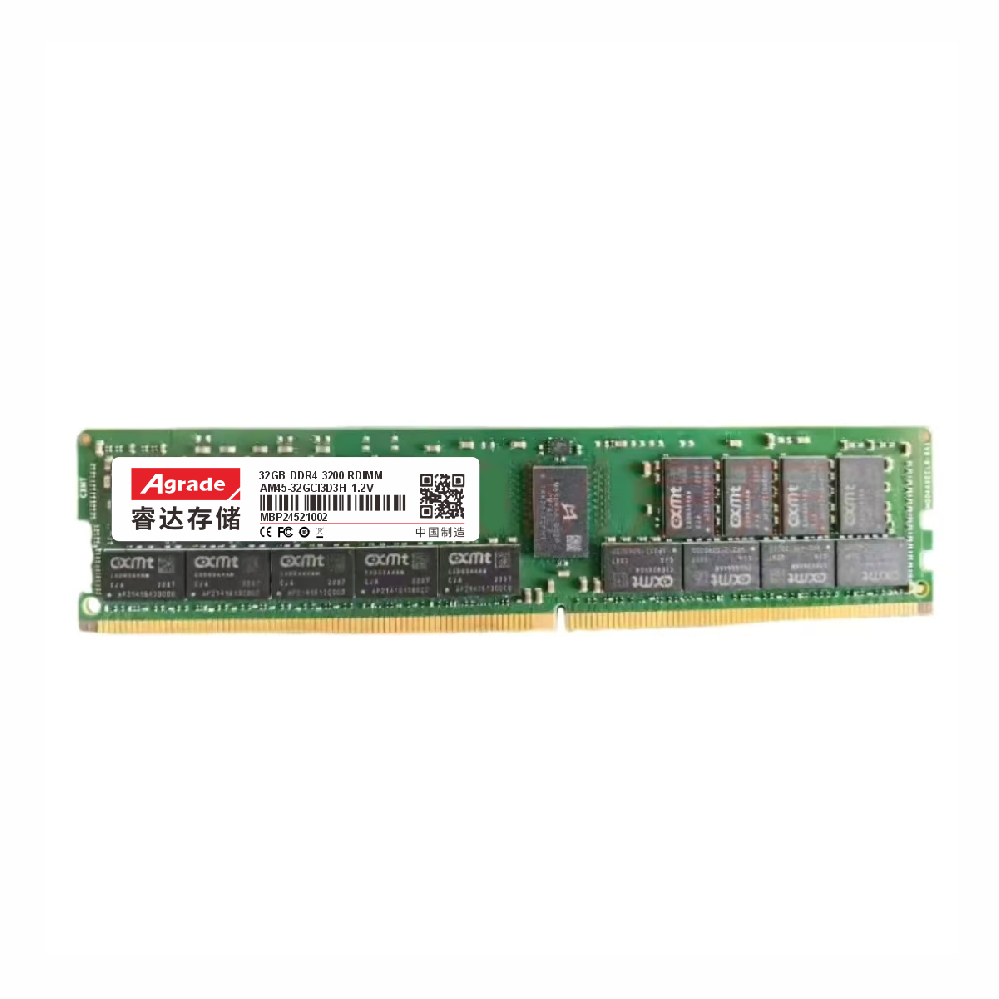
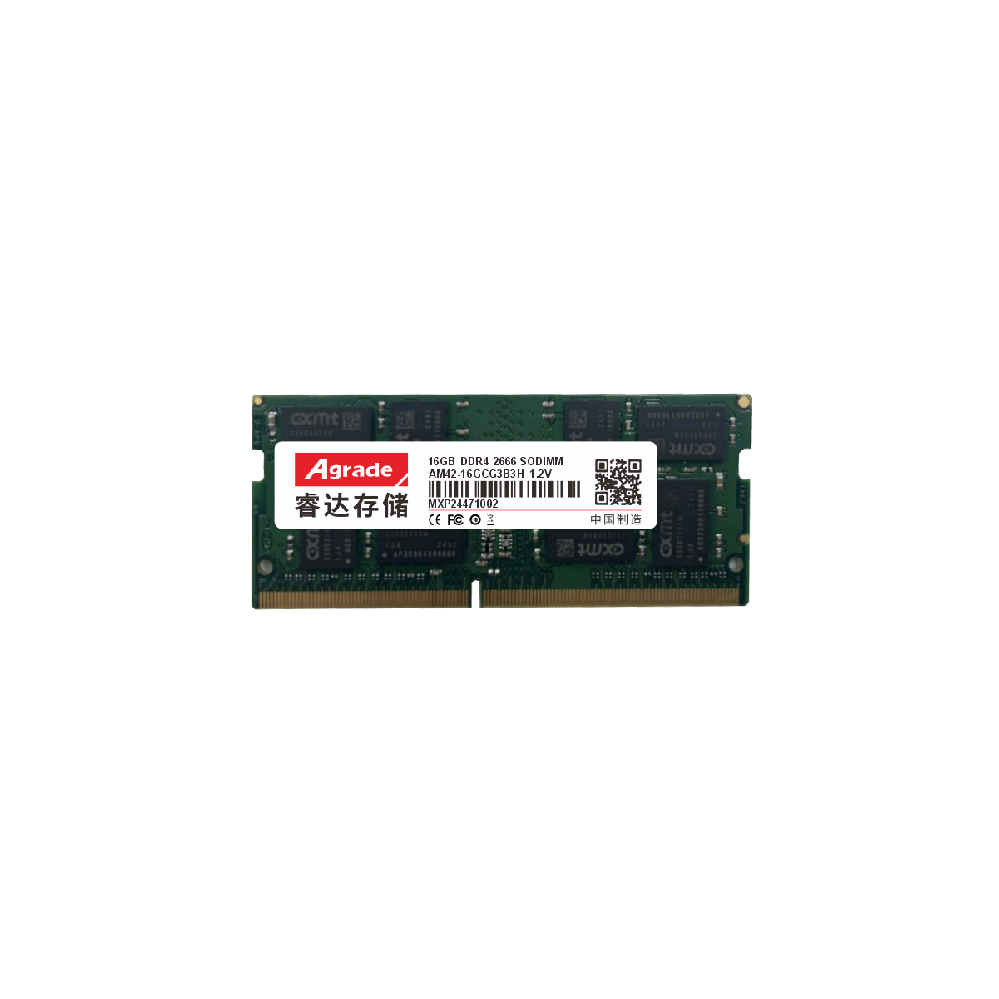
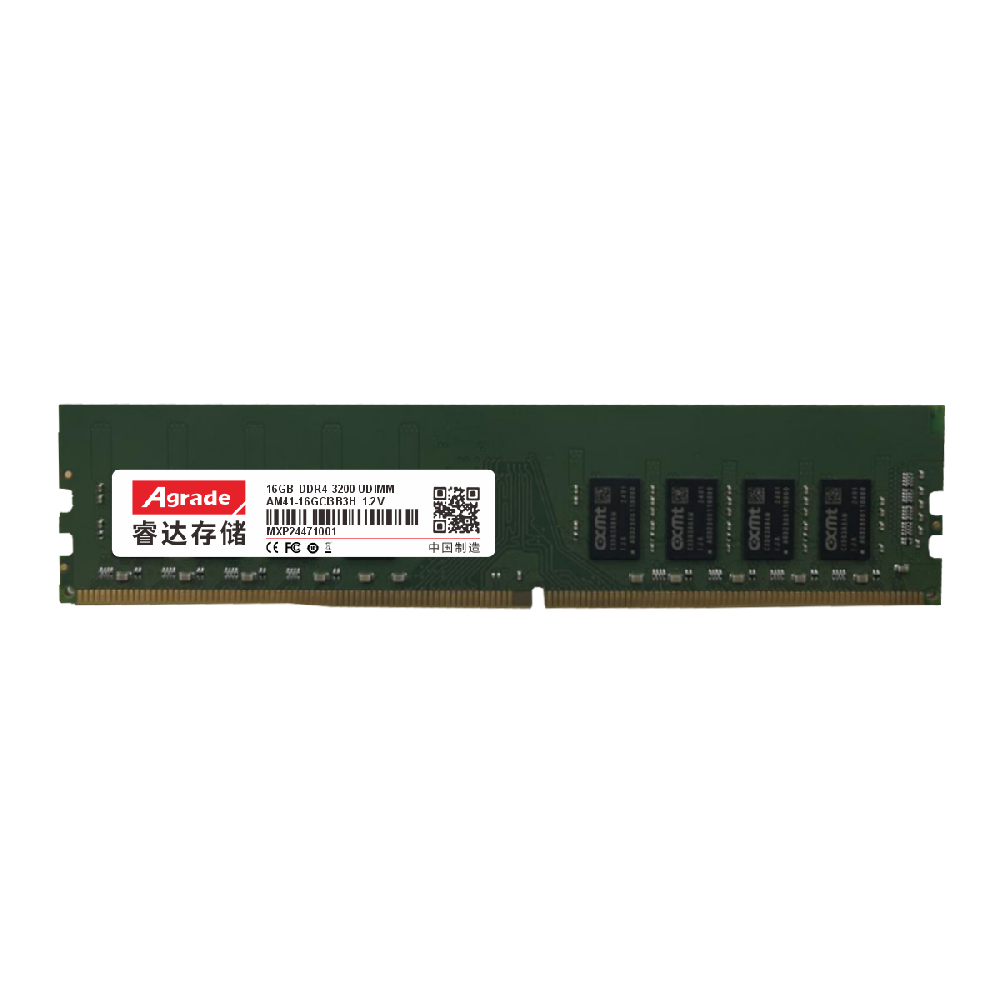
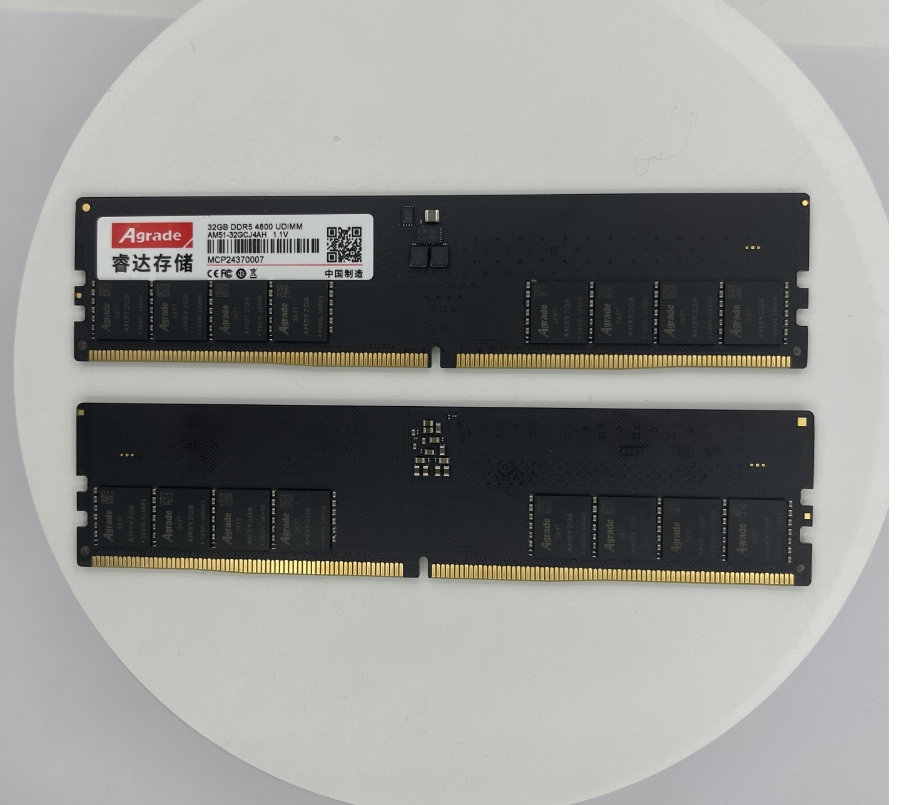
As a mature storage solution for industrial scenarios, Wide Temperature DDR4 has been widely adopted, while Wide Temperature DDR5, as its successor, offers comprehensive upgrades in performance, power consumption, capacity, and reliability. The two form a complementary pattern, and selection should balance scenario requirements and cost budgets to achieve optimal compatibility and cost-effectiveness.
The most significant advantage of Wide Temperature DDR5 is its improved transfer rate and bandwidth. Wide Temperature DDR4 typically operates at 2133MT/s to 3200MT/s, while Wide Temperature DDR5 starts at 4800MT/s and reaches up to 7200MT/s, increasing data throughput by over 50%. Additionally, Wide Temperature DDR5 supports 32 internal Bank group scheduling and a native dual-channel architecture, significantly enhancing parallel processing efficiency. This makes it better suited for real-time caching and processing of massive sensor data and autonomous driving data in industrial scenarios.
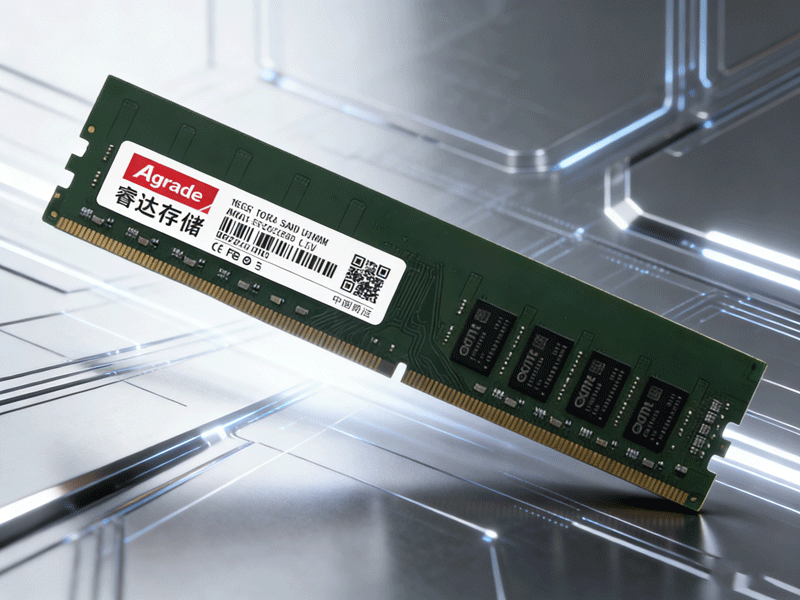
Wide Temperature DDR5 also excels in power consumption control and heat dissipation, making it ideal for small industrial devices. With a standard operating voltage of 1.1V, it is 8% lower than Wide Temperature DDR4’s 1.2V, generating less heat at the same performance level and eliminating the need for complex active cooling systems. Its advanced thermal management design, combined with ceramic packaging and hollowed-out heat dissipation structures, effectively controls heat accumulation in extreme temperatures, reducing performance degradation by more than 5% compared to Wide Temperature DDR4.
Capacity density and reliability have also been further upgraded. Wide Temperature DDR4’s maximum single-module capacity is typically 64GB, while Wide Temperature DDR5 supports up to 256GB per module, meeting the large-capacity storage needs of high-end industrial servers and AI edge computing devices. In terms of reliability, Wide Temperature DDR5 integrates advanced On-Die ECC error correction and power management ICs, achieving a data error rate lower than 10⁻¹². It also supports customized features such as anti-sulfuration and SPD write protection, adapting to harsher industrial environments. Cost-wise, Wide Temperature DDR4 remains more affordable for traditional industrial scenarios, while Wide Temperature DDR5 is better suited for emerging high-end applications, with gradual replacement expected in the long term.

-
Products
Advantages
-
Solutions
-
News
About us
-
Contact us
Tel:+86 19926658803
Whatsapp:+86 19926658803
lianle1210@163.com
Address: 30CF, Caihong Building, Caihong Road, Futian District, Shenzhen City, Guangdong Province, China



Friendly Links:
