




News


 电商部
电商部  2026-02-04 10:18:59
 Wide Temperature DDR5 Selection Guide for Industrial Scenarios
The core principle of selecting Wide Temperature DDR5 is "scenario adaptation first," requiring comprehensive consideration of four dimensions: application temperature range, performance requirements, installation space, and cost budget. Blindly pursuing high frequency or large capacity should be avoided to ensure the product meets usage needs while maximizing cost-effectiveness, with consideration for compatibility and future upgrade space.
The first step is to accurately match the operating temperature range, the core premise of selection. For general extreme scenarios such as industrial automation and IoT devices, industrial-grade Wide Temperature DDR5 (-40°C to 85°C) is suitable. For automotive scenarios such as engine compartments and in-vehicle central controls, automotive-grade products (-40°C to 125°C) certified by AEC-Q100 are required. For ultra-harsh environments such as military detection and polar scientific research, military-grade products (-55°C to 150°C) should be selected to ensure adaptation to the scenario’s temperature fluctuation range.
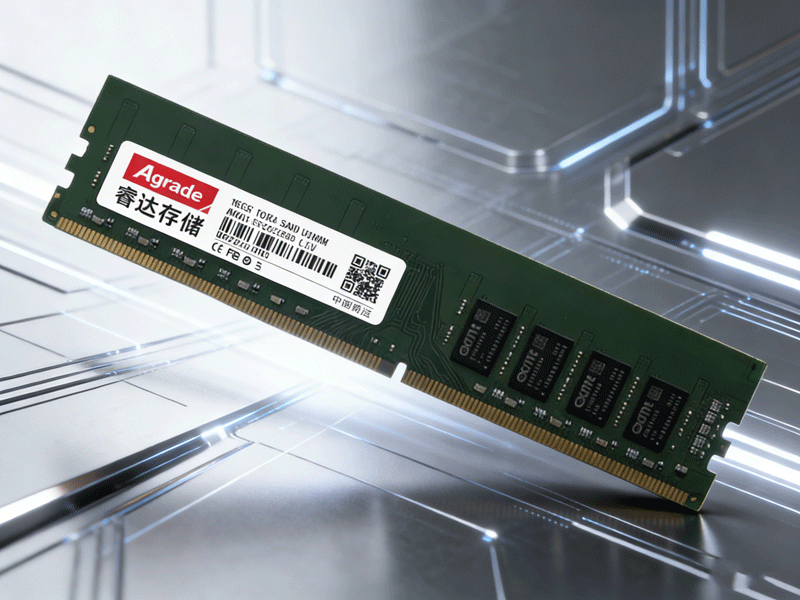
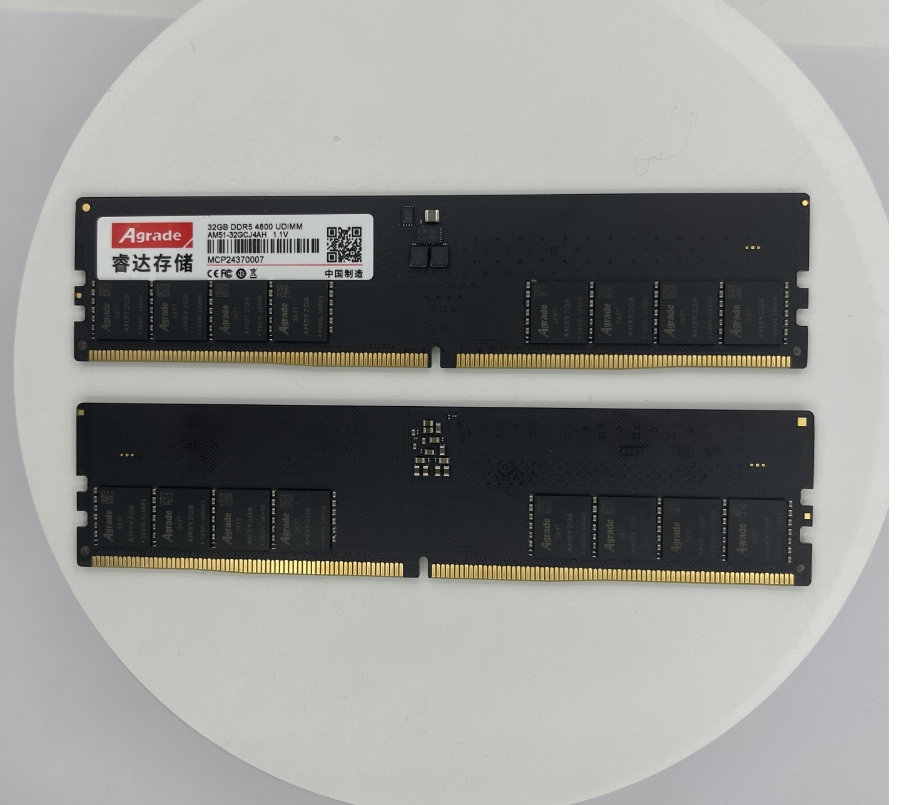
The second step is to select the transfer rate and capacity based on performance needs. High frequency is not necessary; it should match the device’s data processing requirements. For traditional industrial control scenarios, a transfer rate of 4800MT/s is sufficient. For massive data processing scenarios such as AI edge computing and autonomous driving, a rate of 5600MT/s or higher can be selected. In terms of capacity, 8GB-16GB is suitable for small IoT devices, 16GB-64GB for industrial control equipment, and 64GB-256GB for high-end servers and edge nodes, avoiding insufficient or excessive capacity.
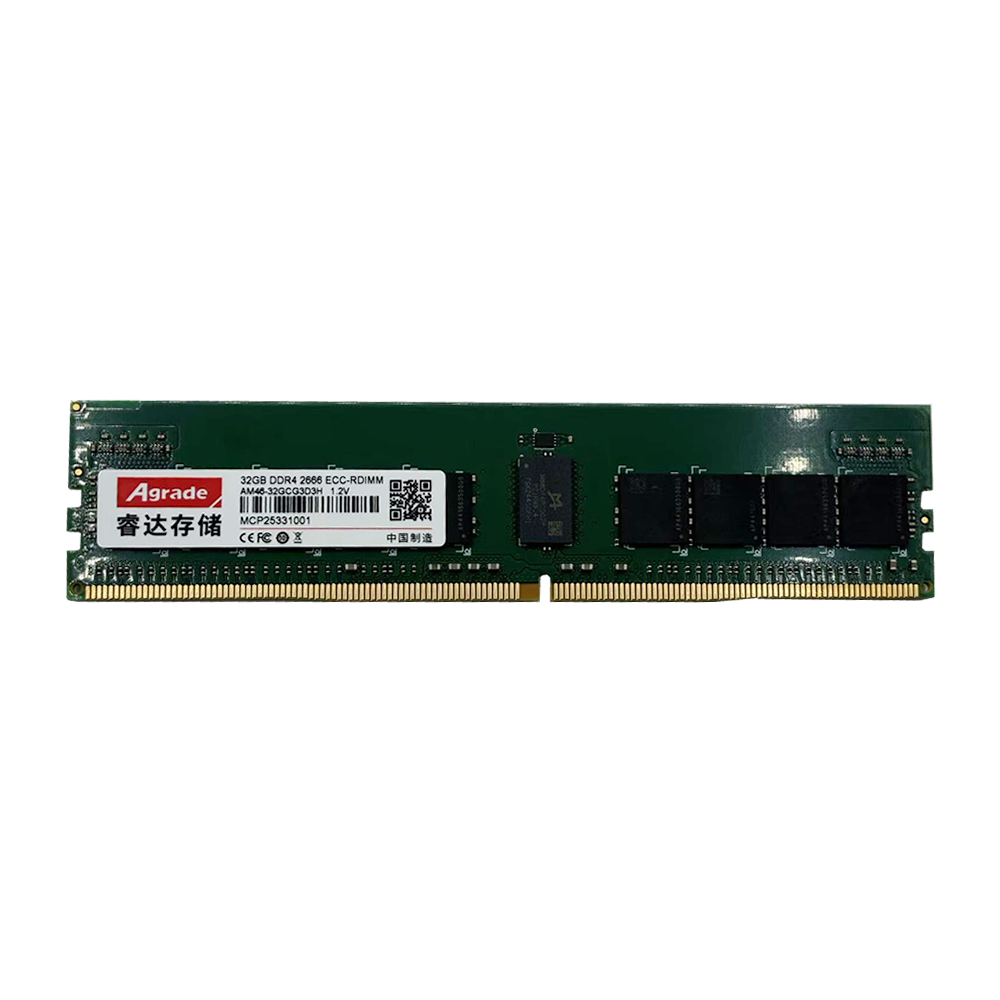
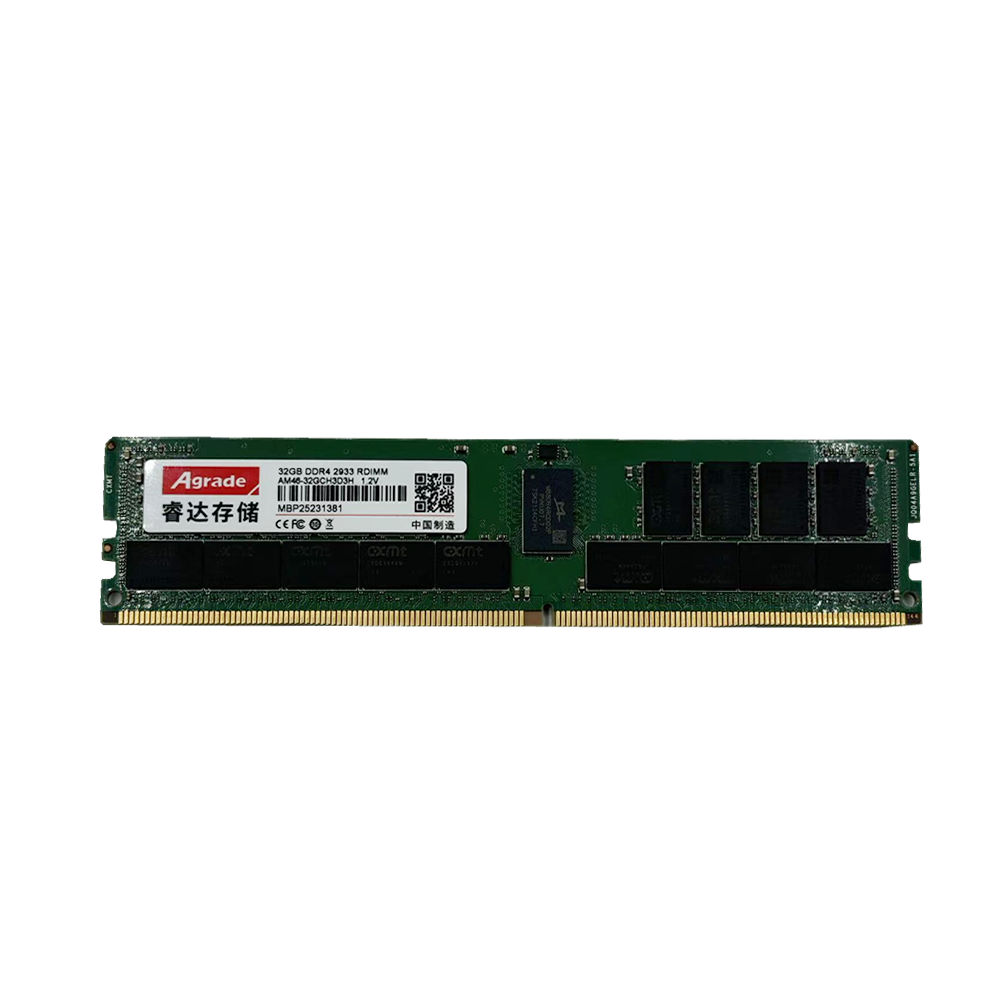
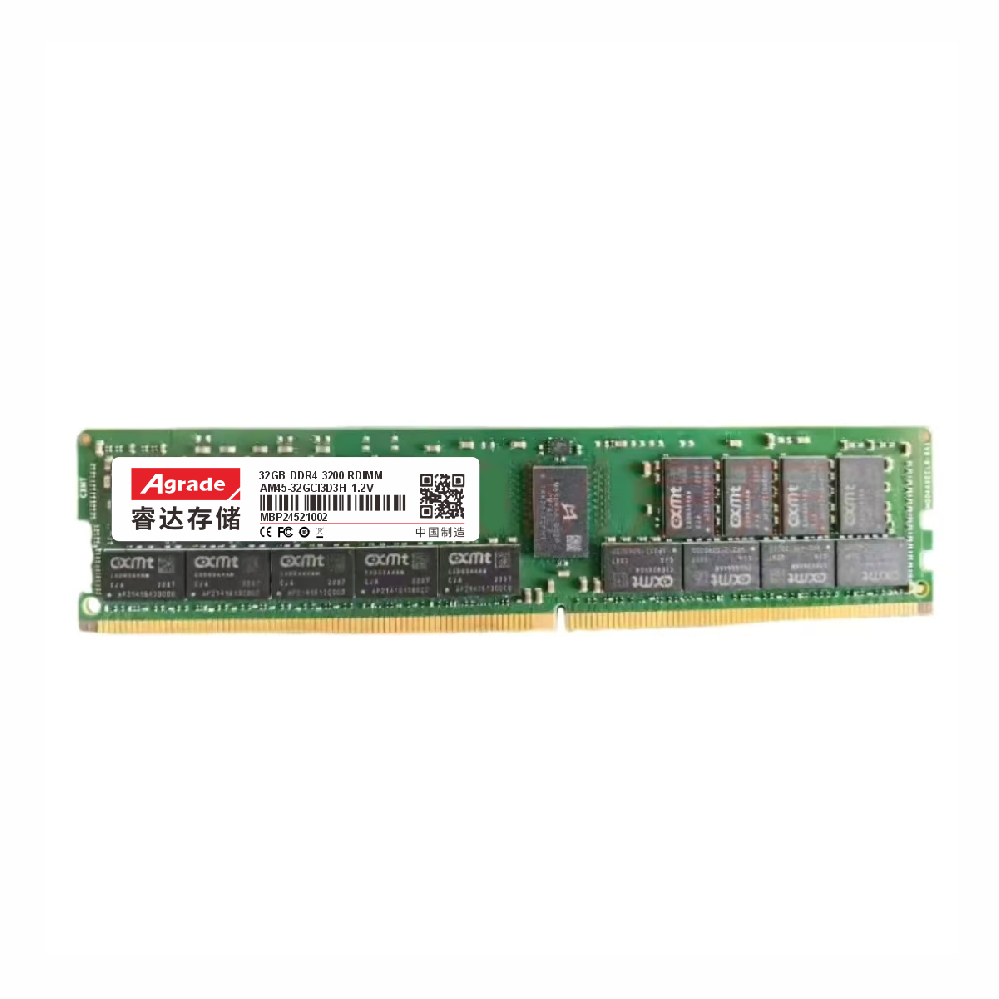
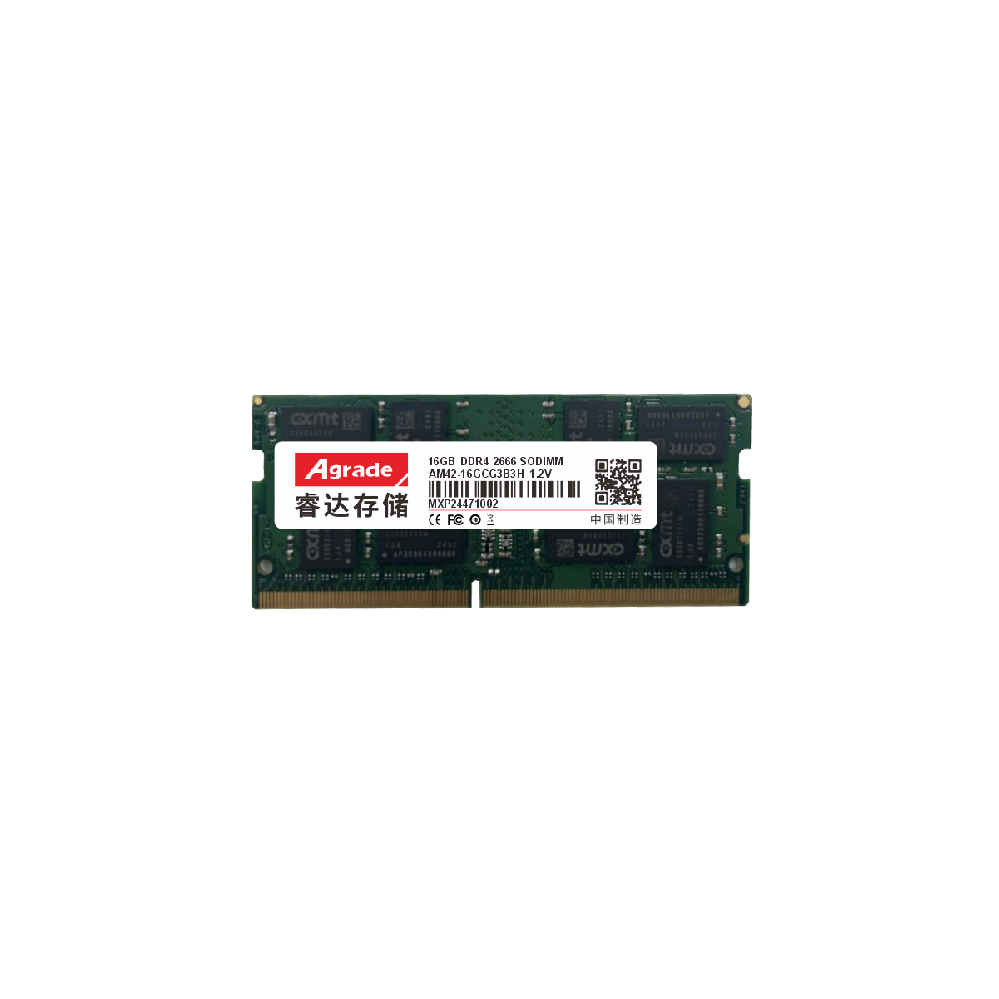
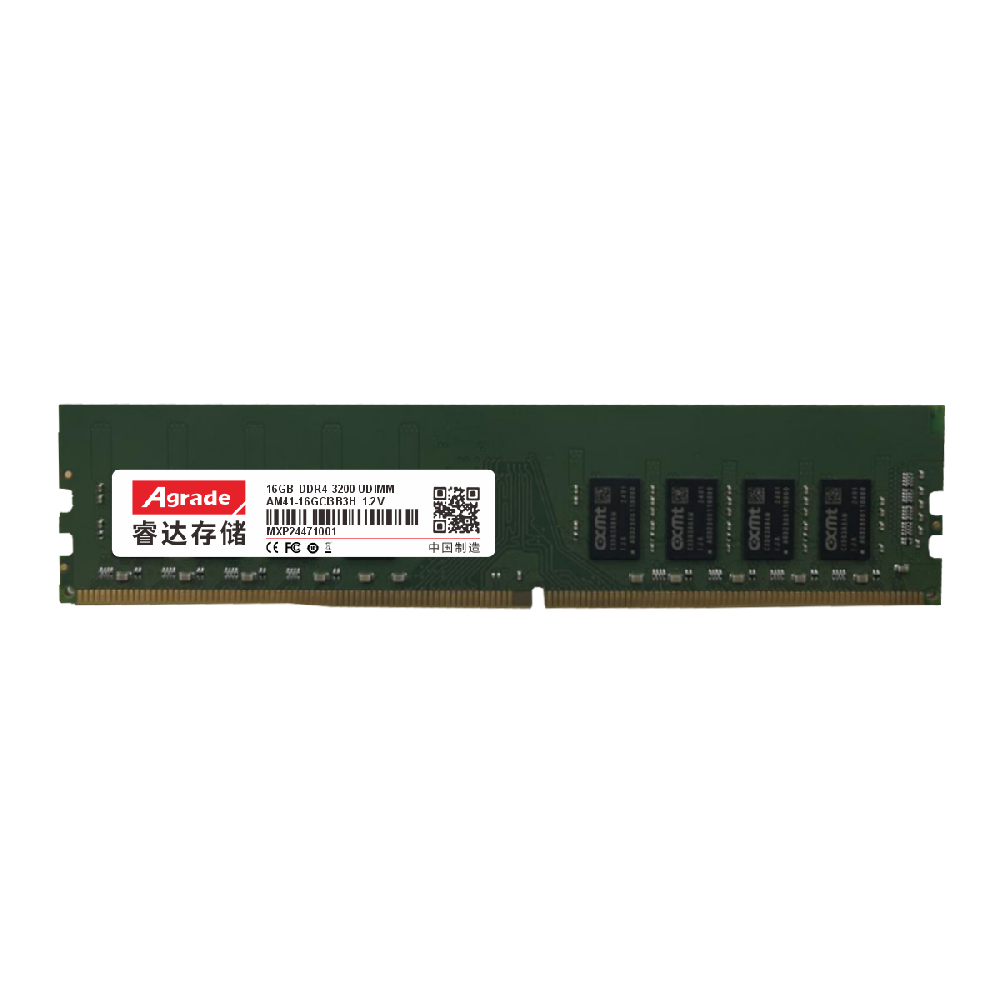
The third step is to adapt to installation space and compatibility, considering future upgrades. In terms of form factor, SO-DIMM is suitable for small devices, while RDIMM is ideal for high-end servers, ensuring matching with the device’s installation space and interface. At the same time, motherboard compatibility should be confirmed: older industrial motherboards mostly support DDR4, while newly upgraded devices can prioritize DDR5 to reserve performance upgrade space. Finally, based on cost budget, Wide Temperature DDR4 can be used for traditional scenarios to control costs, while Wide Temperature DDR5 is preferred for high-end scenarios to balance performance and cost-effectiveness.

-
Products
Advantages
-
Solutions
-
News
About us
-
Contact us
Tel:+86 19926658803
Whatsapp:+86 19926658803
lianle1210@163.com
Address: 30CF, Caihong Building, Caihong Road, Futian District, Shenzhen City, Guangdong Province, China



Friendly Links:
