




News


 电商部
电商部  2026-02-25 18:26:34
 Are Wide Temperature TF Cards and Industrial TF Cards the Same? Concept Distinction
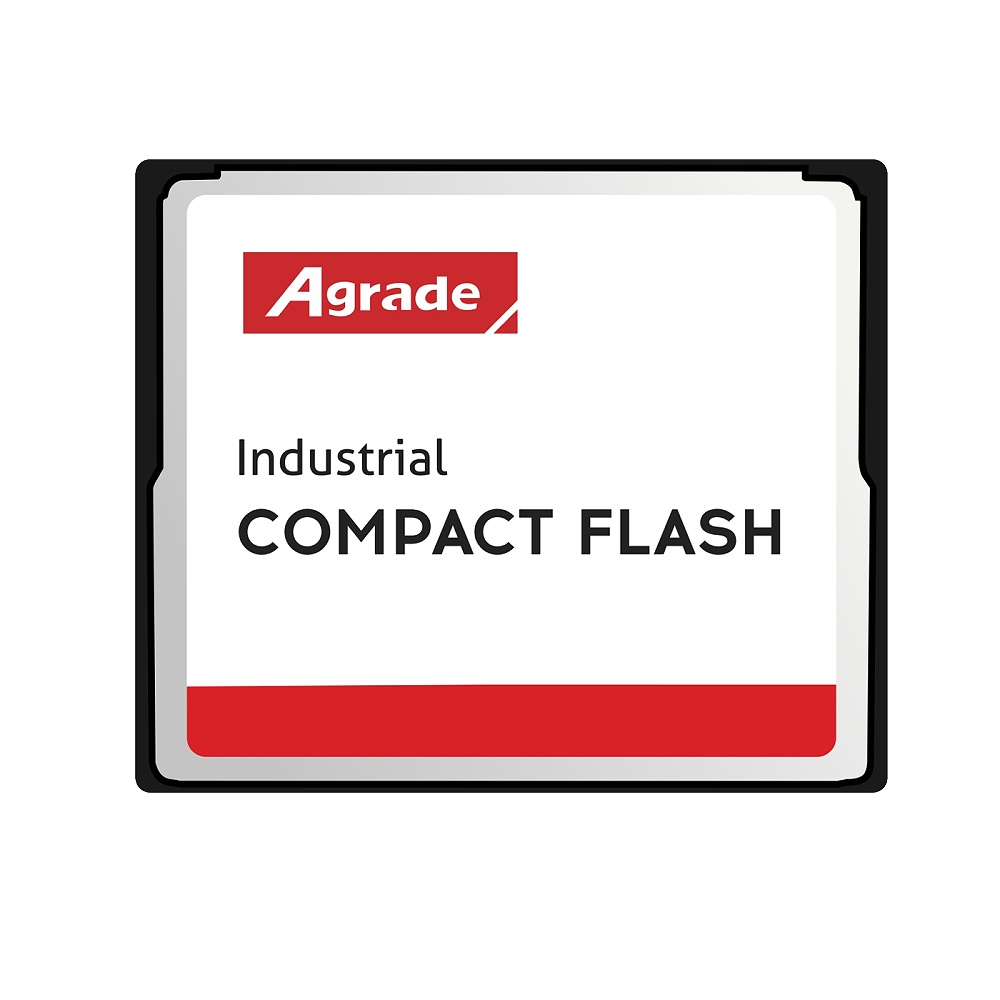
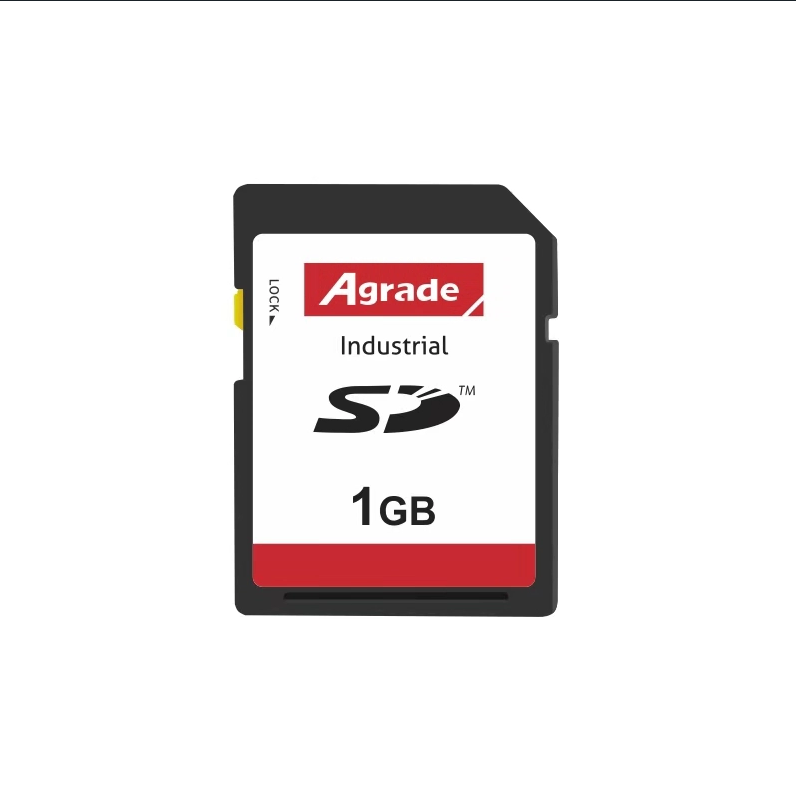
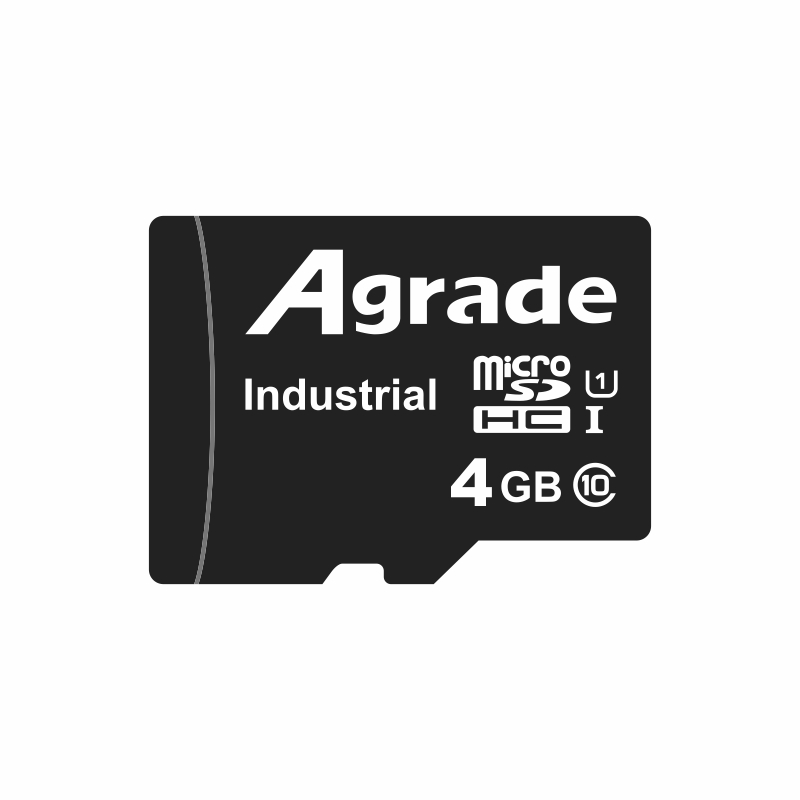
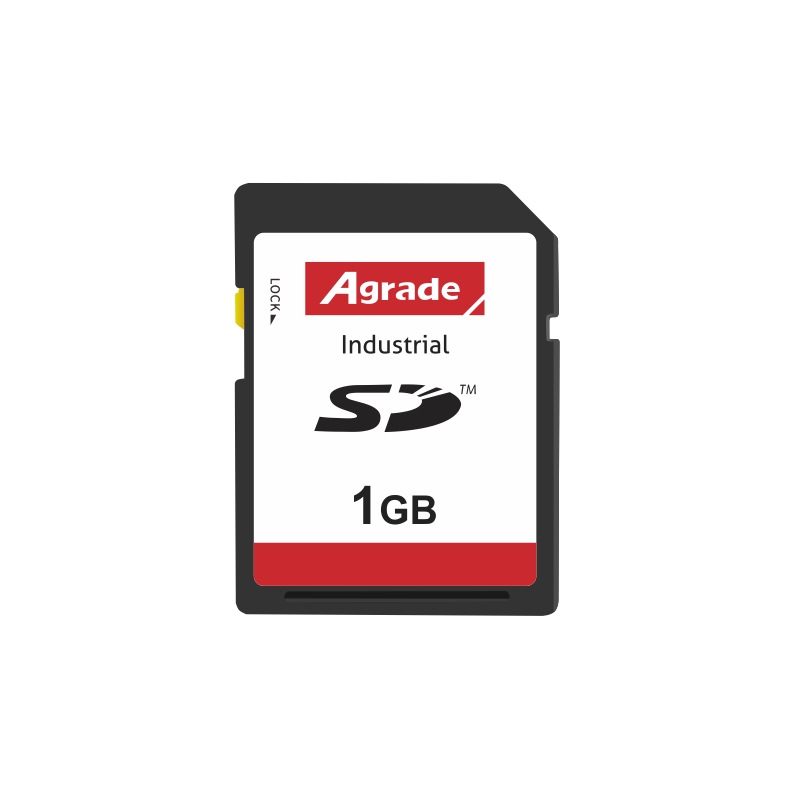
In the industrial storage market, Wide Temperature TF Cards and Industrial TF Cards are two commonly confused concepts. Many people mistakenly believe that they are the same product, but in reality, they have a "subset and superset" relationship. Industrial TF Cards are a broad category that includes a variety of specialized TF Cards designed for industrial use, while Wide Temperature TF Cards are the most common and core subset of Industrial TF Cards. Understanding the distinction between these two concepts is essential for selecting the right storage solution for your industrial application.
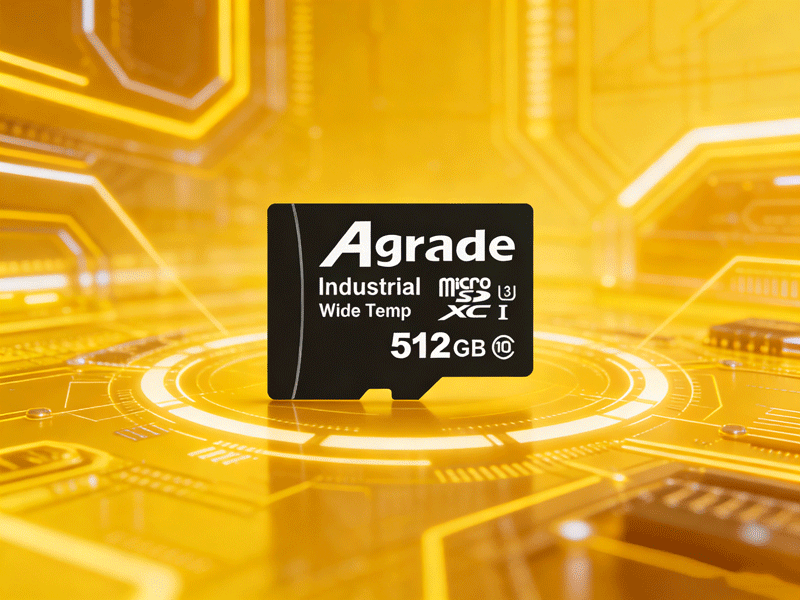
First, let’s clarify the definition of Industrial TF Cards. Industrial TF Cards are a category of TF Cards designed specifically for industrial applications, as opposed to consumer-grade TF Cards designed for everyday use. The core characteristic of Industrial TF Cards is their ability to adapt to harsh industrial environments, which includes resistance to extreme temperatures, vibrations, electromagnetic interference, and moisture. Unlike consumer TF Cards, which prioritize cost and capacity, Industrial TF Cards prioritize reliability, durability, and data stability. Industrial TF Cards are further divided into different subcategories based on their specialized protective features, including Wide Temperature TF Cards, Shockproof TF Cards, Anti-EMI (Electromagnetic Interference) TF Cards, and Waterproof TF Cards.
Wide Temperature TF Cards, on the other hand, are the most mainstream subcategory of Industrial TF Cards. Their core optimization focus is temperature adaptability—they are engineered to operate reliably in extreme high and low temperatures, typically ranging from -25°C to 85°C for regular models and -40°C to 95°C for ultra-wide temperature models. In addition to temperature resistance, Wide Temperature TF Cards also incorporate basic industrial-grade protections, such as shock resistance and electromagnetic interference shielding, making them suitable for most industrial and outdoor applications. They are the most widely used type of Industrial TF Card due to their versatility and ability to meet the needs of most harsh environments.
The key differences between Wide Temperature TF Cards and Industrial TF Cards lie in their concept scope and functional focus. Industrial TF Cards are a general term that covers all TF Cards optimized for industrial use, with each subcategory focusing on a specific protective feature. For example, Shockproof TF Cards are specifically designed to withstand extreme vibrations, making them suitable for construction machinery,矿山 equipment, and other devices that experience constant shaking. Anti-EMI TF Cards are optimized with enhanced electromagnetic shielding, making them ideal for use in power plants, substations, and other environments with strong electromagnetic interference.
Wide Temperature TF Cards, by contrast, focus primarily on temperature resistance while providing basic industrial-grade protection. This makes them the most versatile Industrial TF Cards, as extreme temperatures are a common challenge in most industrial and outdoor environments. However, they may not be the best choice for applications with specialized requirements beyond temperature resistance. For example, if you need a TF Card for a矿山 device that experiences extreme vibrations but moderate temperatures, a Shockproof TF Card would be more suitable than a standard Wide Temperature TF Card.
It is important to note that all Wide Temperature TF Cards are Industrial TF Cards, but not all Industrial TF Cards are Wide Temperature TF Cards. This is a critical distinction that can help you avoid selecting the wrong product. For example, if you purchase an Industrial TF Card labeled as "shockproof" but not "wide temperature," it may not perform reliably in extreme temperature environments. Conversely, a Wide Temperature TF Card may not provide sufficient shock protection for applications with extreme vibrations.
When selecting an Industrial TF Card, it is essential to assess the specific environmental conditions of your application. If the primary challenge is extreme temperatures (e.g., outdoor monitoring in cold or hot regions, automotive applications), a Wide Temperature TF Card is the right choice. If the primary challenge is vibrations, electromagnetic interference, or moisture, you should select the corresponding subcategory of Industrial TF Card. In some cases, you may need a card that combines multiple protective features (e.g., a Wide Temperature TF Card with enhanced shock resistance) to meet the unique needs of your application.
In summary, understanding the distinction between Wide Temperature TF Cards and Industrial TF Cards is crucial for making informed purchasing decisions. Industrial TF Cards are a broad category of specialized storage solutions, while Wide Temperature TF Cards are the most common subset, focusing on temperature resistance. By identifying the specific environmental challenges of your application, you can select the right Industrial TF Card to ensure reliable performance and data stability.

-
Products
Advantages
-
Solutions
-
News
About us
-
Contact us
Tel:+86 19926658803
Whatsapp:+86 19926658803
lianle1210@163.com
Address: 30CF, Caihong Building, Caihong Road, Futian District, Shenzhen City, Guangdong Province, China



Friendly Links:
