




News


 电商部
电商部  2026-03-12 16:17:22
 How to Choose a High-Quality Wide Temperature M.2 SATA SSD (Buyer’s Guide)
Choosing the right Wide Temperature M.2 SATA SSD is crucial for ensuring reliability in extreme environments. With so many options on the market, it’s easy to fall for low-quality products that overpromise and underdeliver. This buyer’s guide outlines the key factors to consider when selecting a wide temperature M.2 SATA SSD, helping you avoid common pitfalls and choose a product that meets your application’s needs.
First, verify the operating temperature range. The standard for industrial-grade wide temperature M.2 SATA SSDs is -40°C to 85°C. Be wary of products labeled “wide temperature” that only support -20°C to 70°C—these are often entry-level车载 models, not true industrial-grade SSDs. For specialized applications like military or aerospace, look for custom models that support -55°C to 125°C. Always check the manufacturer’s datasheet and third-party test reports to confirm the temperature range is accurate, as虚标 is common in low-quality products.

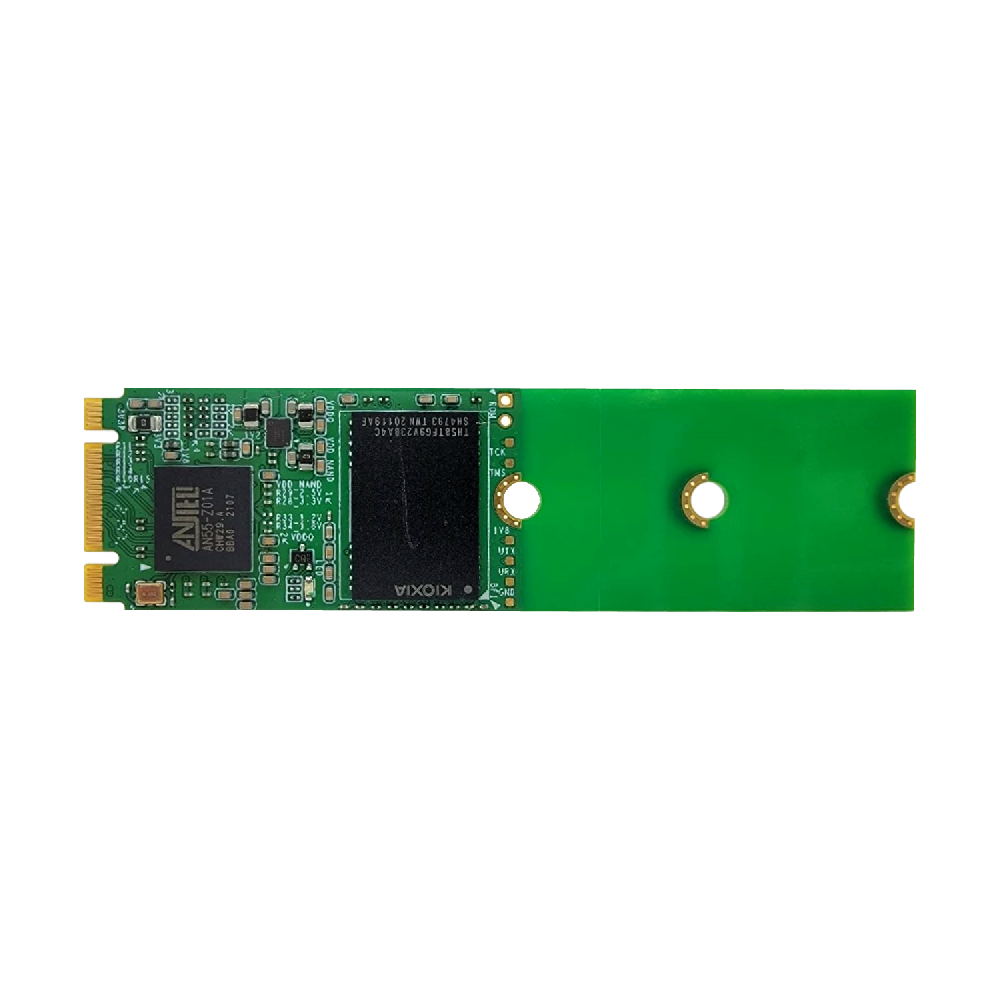
Next, evaluate the hardware components. High-quality wide temperature SSDs use original-manufacturer industrial-grade NAND flash particles, not拆机 or white-label flash. Look for products that specify “industrial-grade NAND” and provide details on P/E cycles (aim for 3,000 cycles or more for long-term use). The controller chip should also be industrial-grade, with built-in temperature sensors and dynamic power management to adapt to extreme conditions. Additionally, check for a reinforced PCB made from high-heat-resistant FR-4 material and a metal heat sink or thermal interface pad for improved heat dissipation.
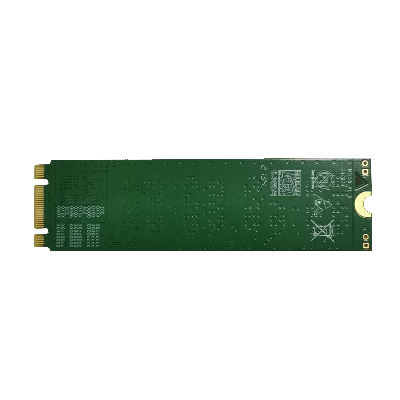
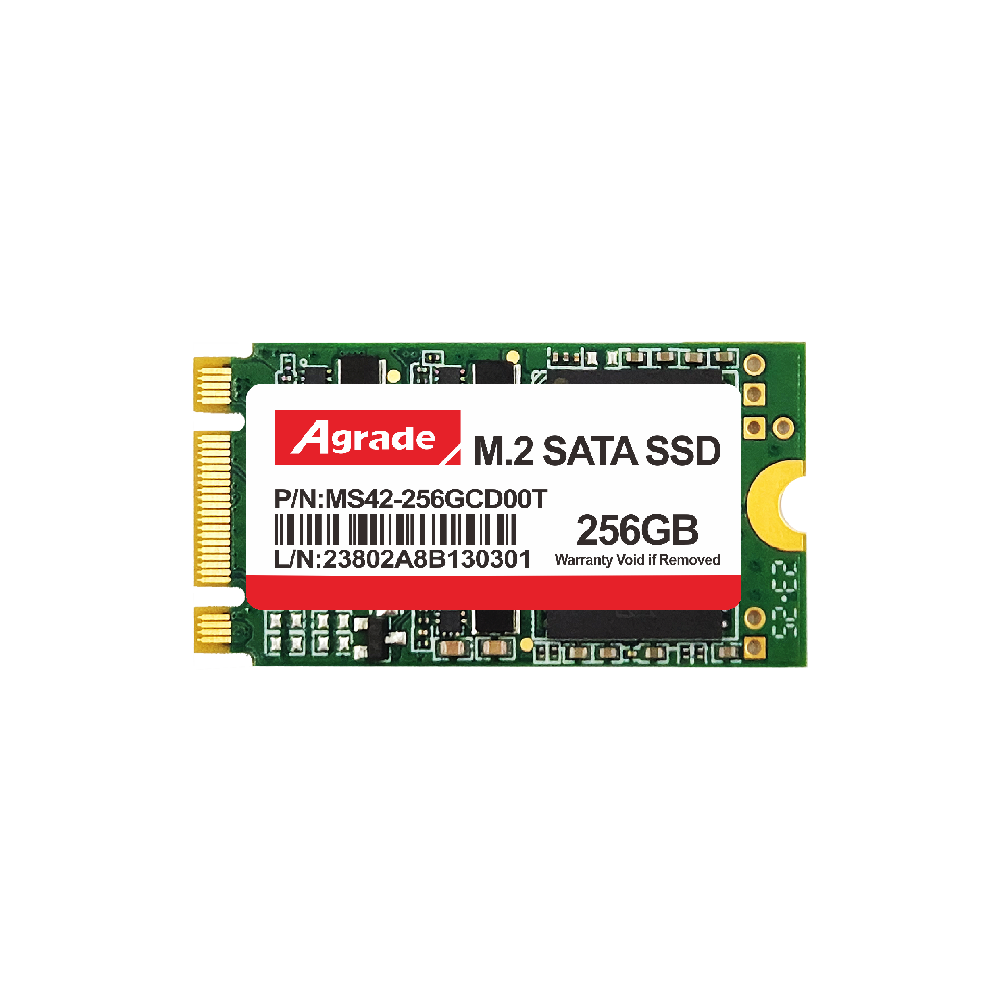
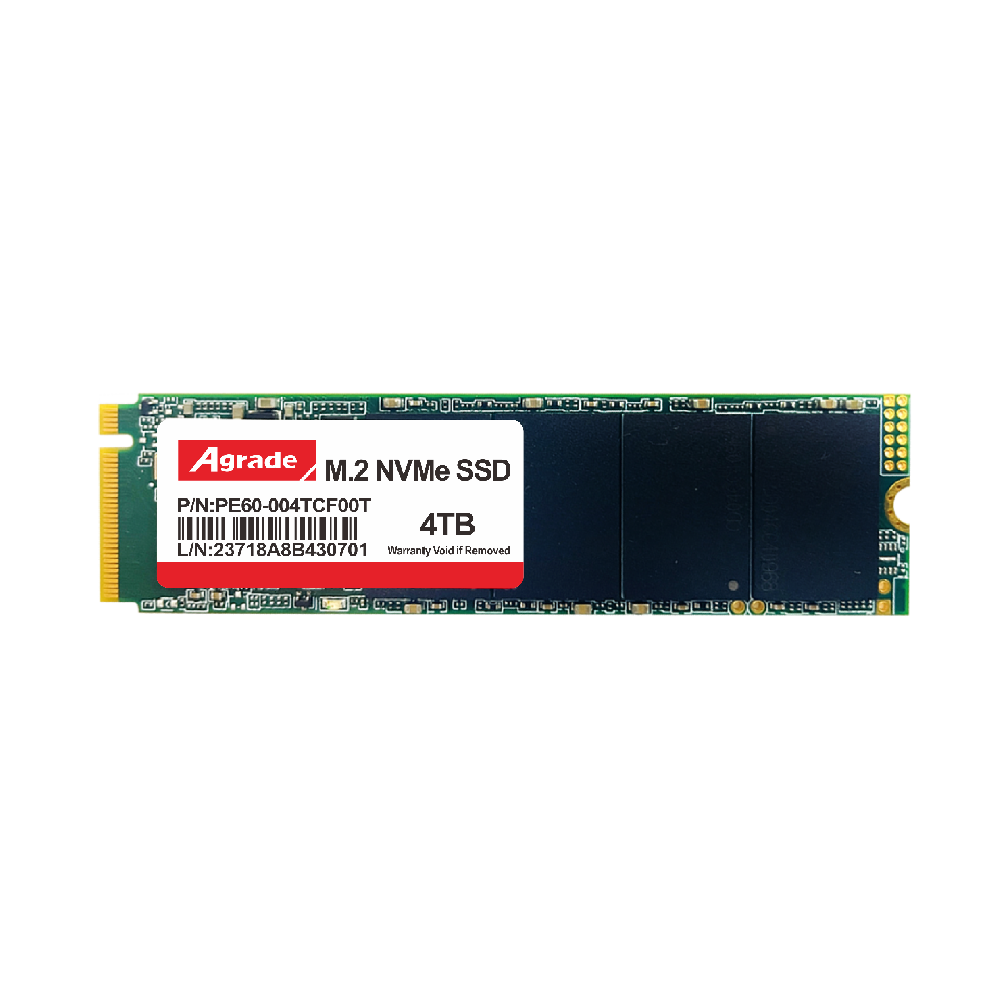
Compatibility is another critical factor. Ensure the SSD’s M.2 form factor (2242, 2260, 2280) matches your device’s slot—2280 is the most common, but 2242 and 2260 are ideal for space-constrained devices like IoT sensors or compact industrial controllers. Also, confirm the interface is SATA (not NVMe) and that the SSD uses a B-key or B+M-key, which are compatible with SATA M.2 slots. Using an NVMe SSD in a SATA slot will result in incompatibility, so double-check the protocol before purchasing.
Finally, consider the manufacturer’s reputation, certifications, and warranty. Choose a brand specializing in industrial storage, as consumer storage brands often outsource their wide temperature products and lack technical expertise. Look for products with CE, FCC, and RoHS certifications, which ensure compliance with international safety and environmental standards. A reliable warranty (3–5 years) and industrial-grade technical support are also essential—this ensures you can get assistance if the SSD fails in a critical application. Avoid low-cost products that lack these certifications or offer short warranties, as they are likely to fail in extreme environments.

-
Products
Advantages
-
Solutions
-
News
About us
-
Contact us
Tel:+86 19926658803
Whatsapp:+86 19926658803
lianle1210@163.com
Address: 30CF, Caihong Building, Caihong Road, Futian District, Shenzhen City, Guangdong Province, China



Friendly Links:
