















News


 电商部
电商部  2026-03-16 17:34:59
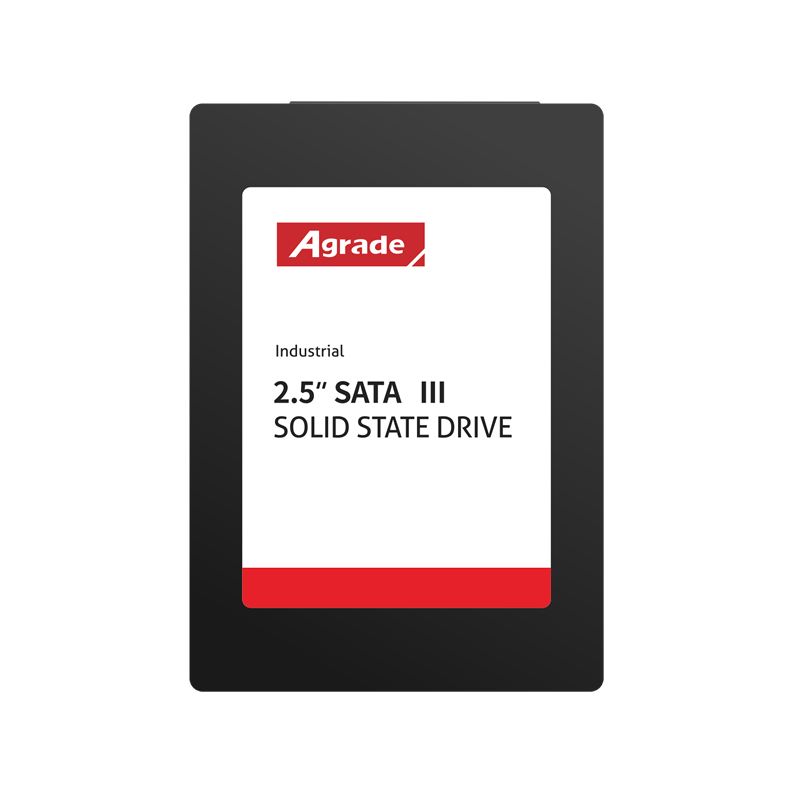
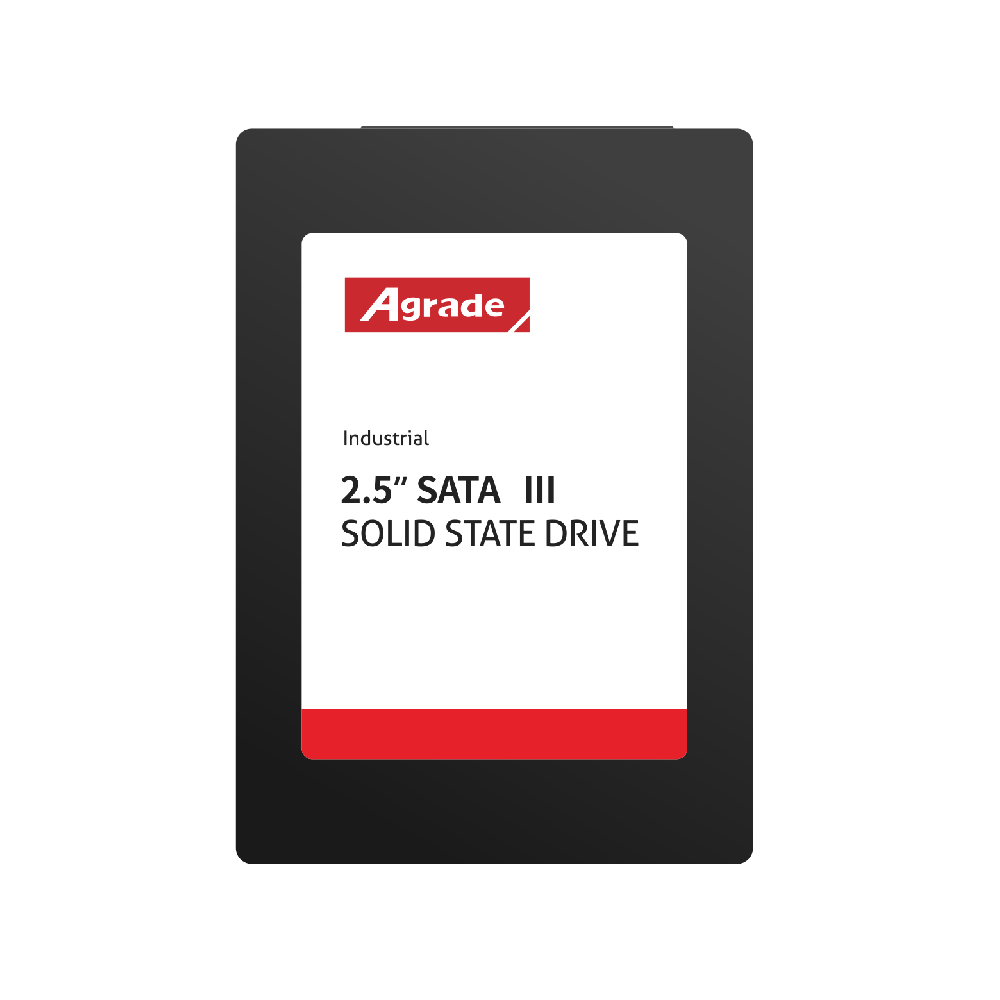
 Key Differences Between Wide Temperature 2.5-inch SSD and Standard 2.5-inch SSD
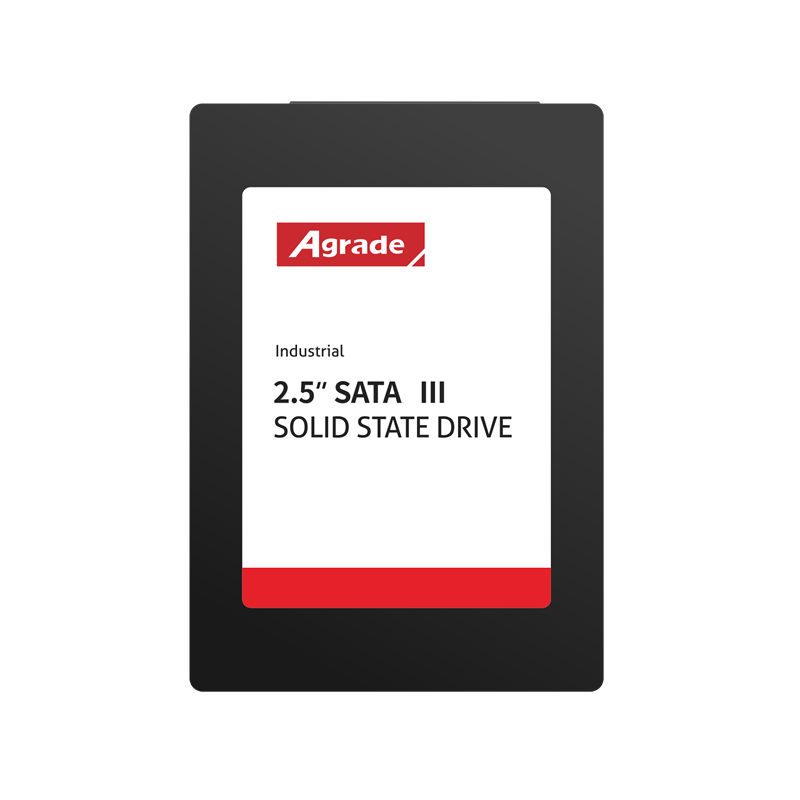
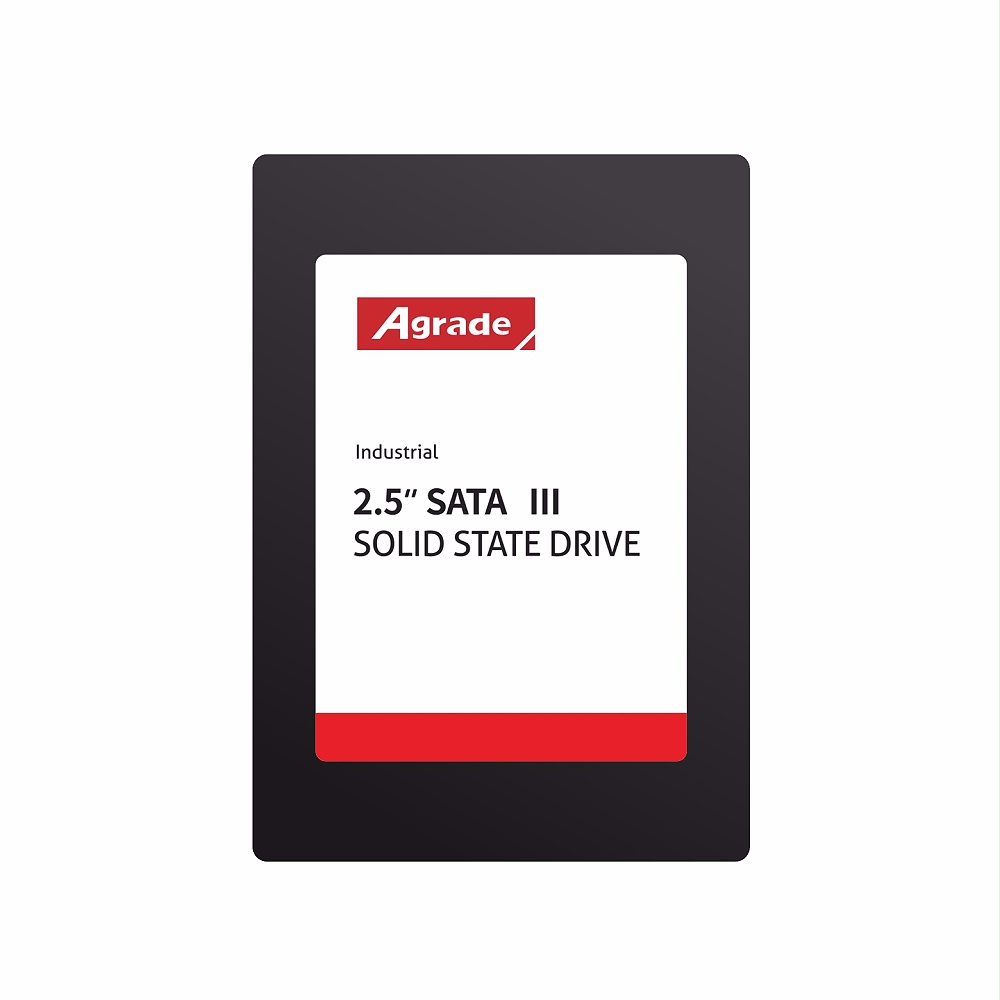
In the solid-state drive market, 2.5-inch SSDs are one of the most common form factors, but many users easily confuse wide temperature 2.5-inch SSDs with standard 2.5-inch SSDs. This confusion often leads to wrong purchases, resulting in equipment malfunctions in extreme environments and unnecessary losses. In fact, although they share the same size, there are fundamental differences between the two in terms of temperature adaptability, hardware configuration, reliability, and application scenarios. This article will detail these differences to help you make an informed choice and avoid pitfalls.
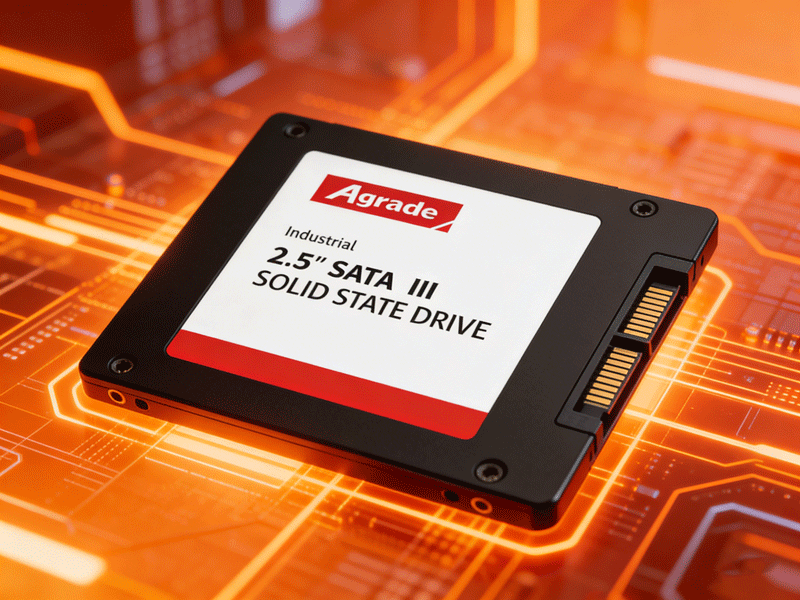
The most core difference is the operating temperature range, which is also the essence of "wide temperature." Standard 2.5-inch SSDs typically have an operating temperature range of 0°C to 70°C, mainly suitable for indoor office, home computers, and ordinary servers. When exposed to temperatures below 0°C, they may experience difficulty starting or a sharp drop in read/write speed. When exposed to temperatures above 70°C, they are prone to overheating protection, firmware damage, or even data loss. In contrast, wide temperature 2.5-inch SSDs generally have an operating temperature range of -40°C to 85°C, and some military-grade models can reach -55°C to 125°C, enabling stable operation in extreme environments such as severe cold in the north, outdoor high temperatures, and high temperatures inside industrial equipment.
The difference in hardware configuration is the core reason for the different temperature adaptability. Standard 2.5-inch SSDs use consumer-grade flash memory chips and controllers, focusing on cost-effectiveness and regular performance without optimization for extreme temperatures. In high or low temperature environments, the stability of electronic components will drop significantly. On the other hand, wide temperature 2.5-inch SSDs use industrial-grade flash memory chips and controllers, which have undergone strict high and low temperature screening and aging tests, with stronger resistance to extreme temperatures. At the same time, the power management module is optimized to maintain stable voltage during severe temperature fluctuations, avoiding device downtime.
In addition, wide temperature 2.5-inch SSDs are usually equipped with power failure protection technology (such as PLP technology), which can ensure the complete write-back of cached data in the event of sudden power outages, further ensuring data security—a feature rarely found in standard 2.5-inch SSDs. There is also a significant gap in reliability and service life. The MTBF of standard 2.5-inch SSDs is usually around 1 million hours, and their service life is greatly affected by ambient temperature. Long-term use in high or low temperature environments will accelerate the aging of flash memory chips and shorten service life.
In contrast, the MTBF of wide temperature 2.5-inch SSDs is generally more than 2 million hours, and some products can reach more than 3 million hours. After strict shock resistance, vibration resistance, and electromagnetic compatibility tests, they can adapt to long-term continuous operation in industrial scenarios, with a service life 1.5 to 2 times that of standard 2.5-inch SSDs. The difference in application scenarios is the most intuitive distinction. Standard SSDs are mainly used in indoor scenarios such as home computers, laptops, and office servers, while wide temperature SSDs are mainly used in extreme environments such as industrial automation, rail transit, automotive systems, aerospace, and energy exploration.

-
Products
Advantages
-
Solutions
-
News
About us
-
Contact us
Tel:+86 19926658803
Whatsapp:+86 19926658803
lianle1210@163.com
Address: 30CF, Caihong Building, Caihong Road, Futian District, Shenzhen City, Guangdong Province, China



Friendly Links:
