














News


 电商部
电商部  2026-03-16 17:36:12
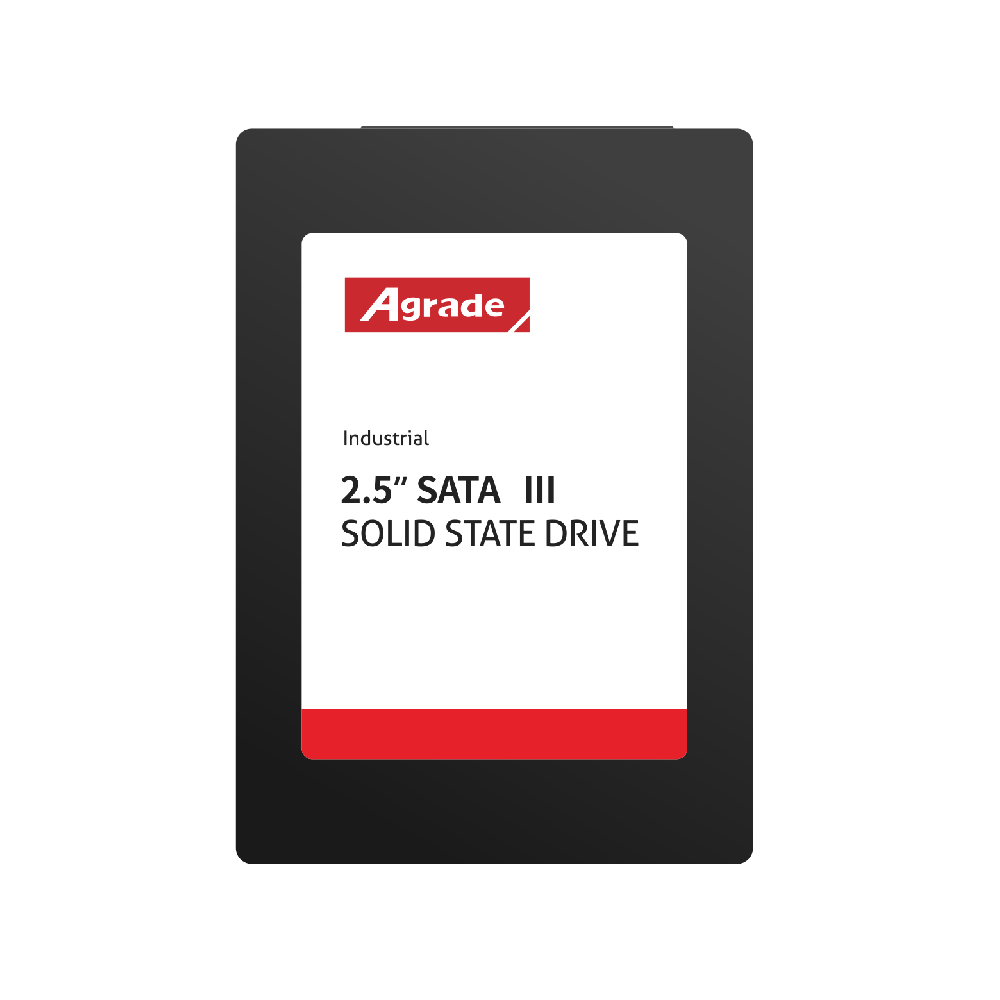
 Core Technologies of Wide Temperature 2.5-inch SSD: What Supports Its Temperature Resistance?
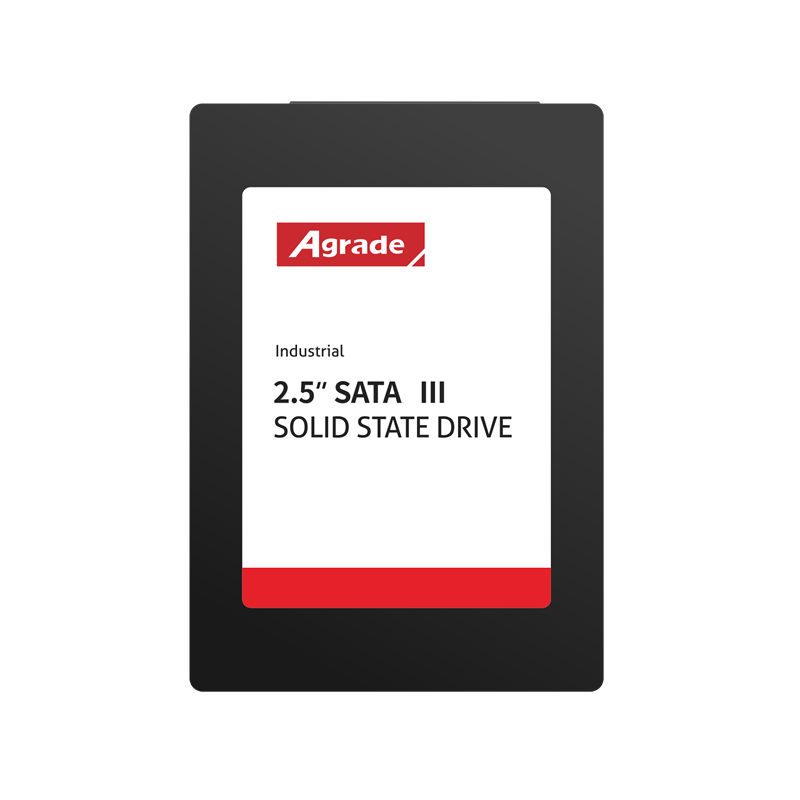
The reason why wide temperature 2.5-inch SSDs can operate stably in extreme environments of -40°C to 85°C (or even wider) lies in their unique technical design, which is not a simple "reinforcement" or "upgrade" but a special optimization from multiple dimensions such as flash memory chips, controller chips, packaging technology, and firmware algorithms, forming a complete temperature-resistant technical system. This article will deeply analyze the core technologies of wide temperature 2.5-inch SSDs and explore what supports their temperature resistance.
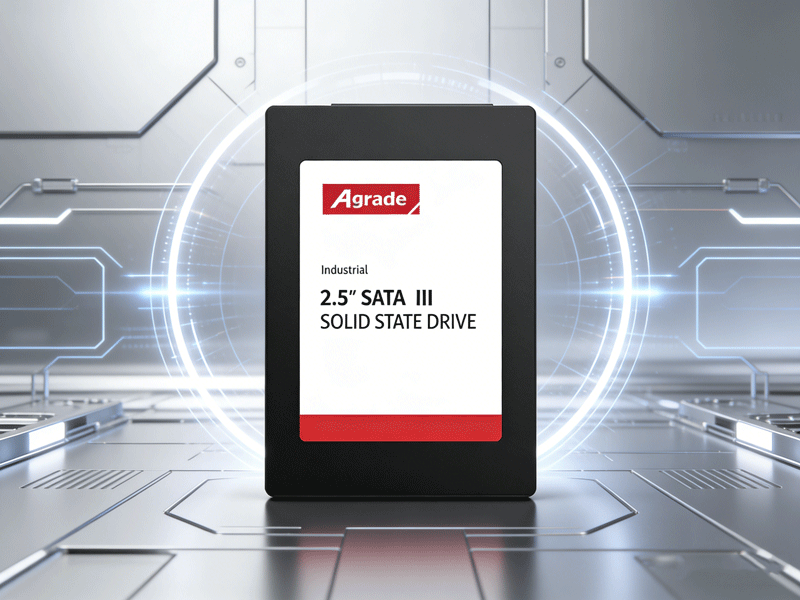
Core Technology 1: Screening and Optimization of Industrial-grade Flash Memory Chips. Flash memory chips are the core storage medium of SSDs, and their temperature resistance directly determines the temperature adaptability of SSDs. Wide temperature 2.5-inch SSDs use industrial-grade NAND flash memory chips. Compared with ordinary consumer-grade chips, they have undergone stricter high and low temperature screening and aging tests to eliminate chips with unstable performance in extreme temperatures, ensuring that each chip can work stably within the range of -40°C to 85°C. At the same time, some high-end products use MLC or pSLC flash memory chips, which not only have stronger temperature resistance but also can improve write life and data reliability, suitable for high-load industrial scenarios.
Core Technology 2: Special Design of Temperature-resistant Controller Chips. The controller chip is the "brain" of the SSD, responsible for coordinating the reading and writing of flash memory chips, data transmission, and power management. Its temperature resistance directly affects the overall stability of the SSD. Wide temperature 2.5-inch SSDs are equipped with industrial-grade temperature-resistant controller chips, which use high-temperature and low-temperature resistant chip materials and optimize the timing design of the chips. They can maintain stable computing power in extreme temperatures, avoiding controller freezes or crashes.
In addition, the controller chip also has a dynamic temperature adjustment function, which can automatically adjust the operating frequency and power consumption according to the ambient temperature. It reduces power consumption and heat generation in high temperatures, and improves power supply stability in low temperatures to ensure normal startup and operation of the device. Core Technology 3: Anti-high and Low Temperature Packaging Technology. Packaging technology is an important guarantee for the temperature resistance of wide temperature 2.5-inch SSDs. The packaging materials of ordinary SSDs cannot adapt to extreme temperatures, and are prone to circuit board aging and component detachment.
Wide temperature 2.5-inch SSDs use anti-high and low temperature packaging materials, optimize the circuit board layout, and add heat dissipation layers and insulation layers. They can not only quickly dissipate heat in high-temperature environments to avoid overheating of the device but also prevent circuit board freezing and short circuits in low-temperature environments. At the same time, they enhance the device’s shock and vibration resistance to adapt to the complex environment of industrial scenarios. Some products also adopt sealed packaging design, which can prevent dust and moisture, further improving the reliability of the device.
Core Technology 4: Customized Firmware Algorithms. Firmware algorithms are the "soul" of wide temperature 2.5-inch SSDs. Through customized firmware optimization, the temperature resistance and reliability of the device can be further improved. For example, the temperature monitoring algorithm can real-time monitor the ambient temperature and the internal temperature of the device. When the temperature exceeds the safe range, it automatically triggers a protection mechanism to avoid device damage. The data protection algorithm can ensure data integrity in extreme temperatures, preventing data loss, errors, and other problems. The power management algorithm can optimize power supply stability, avoiding insufficient power supply during low-temperature startup and power overload during high temperatures.

-
Products
Advantages
-
Solutions
-
News
About us
-
Contact us
Tel:+86 19926658803
Whatsapp:+86 19926658803
lianle1210@163.com
Address: 30CF, Caihong Building, Caihong Road, Futian District, Shenzhen City, Guangdong Province, China



Friendly Links:
