
















News


 电商部
电商部  2026-03-16 17:38:33
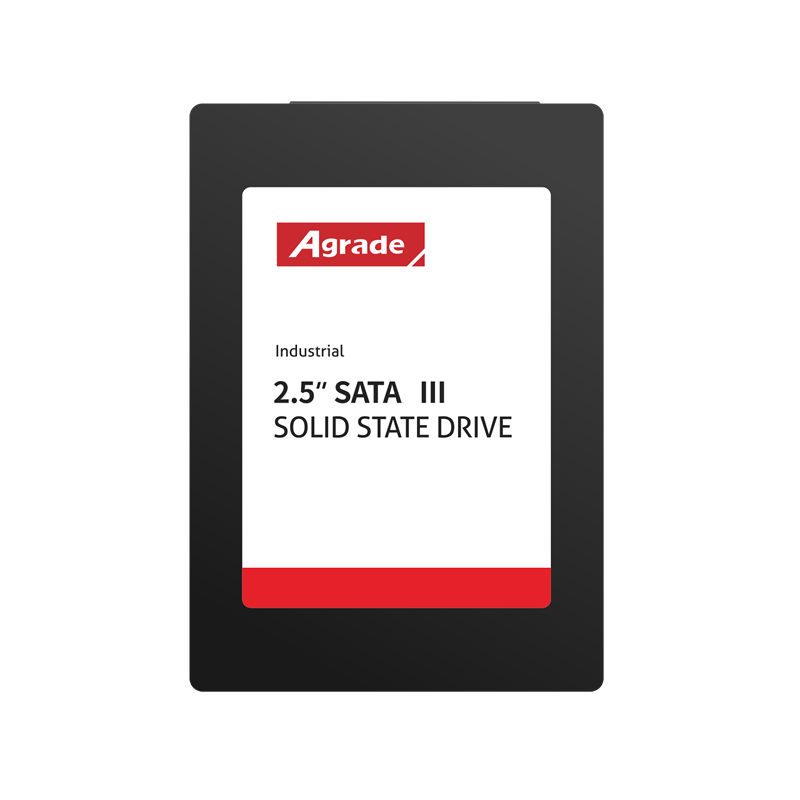
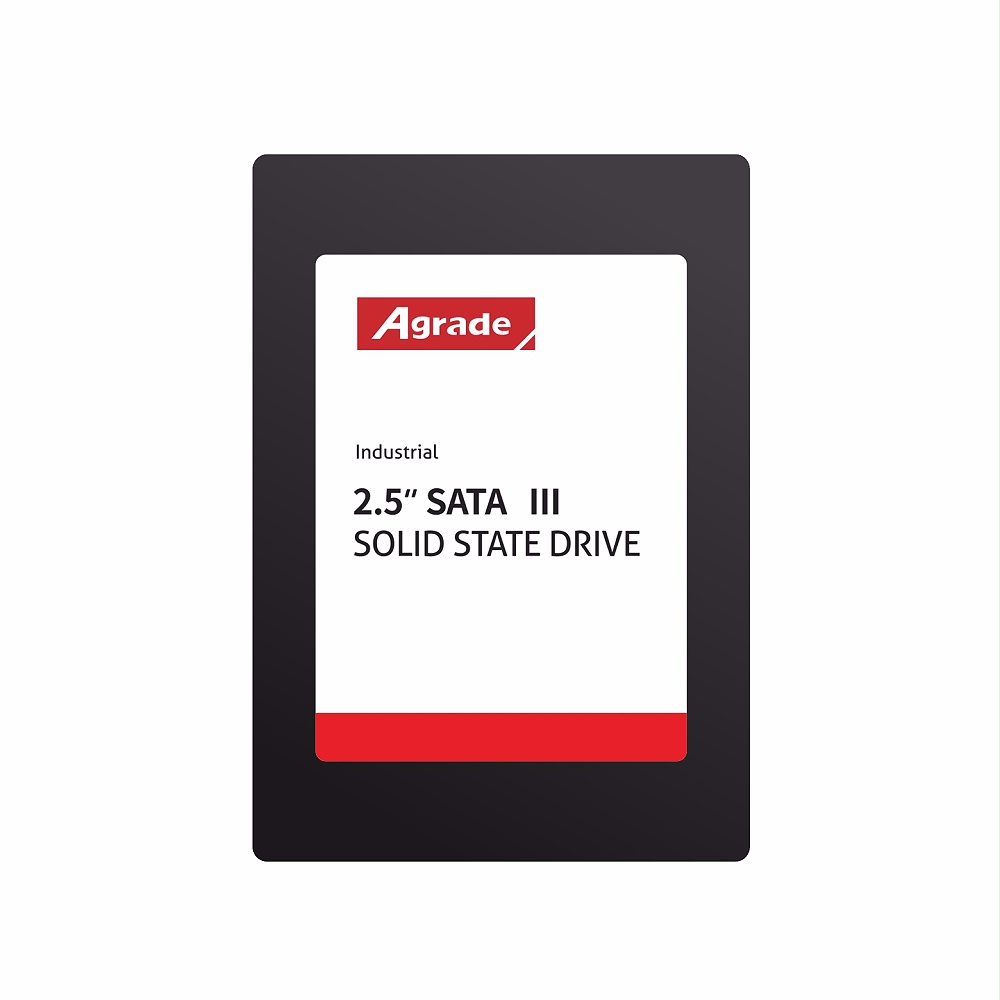
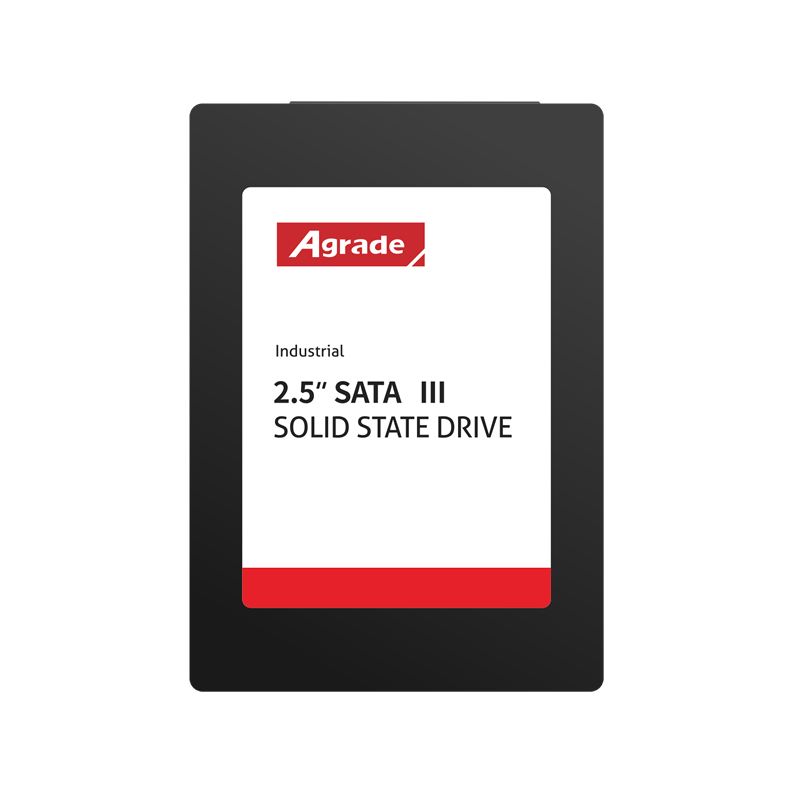
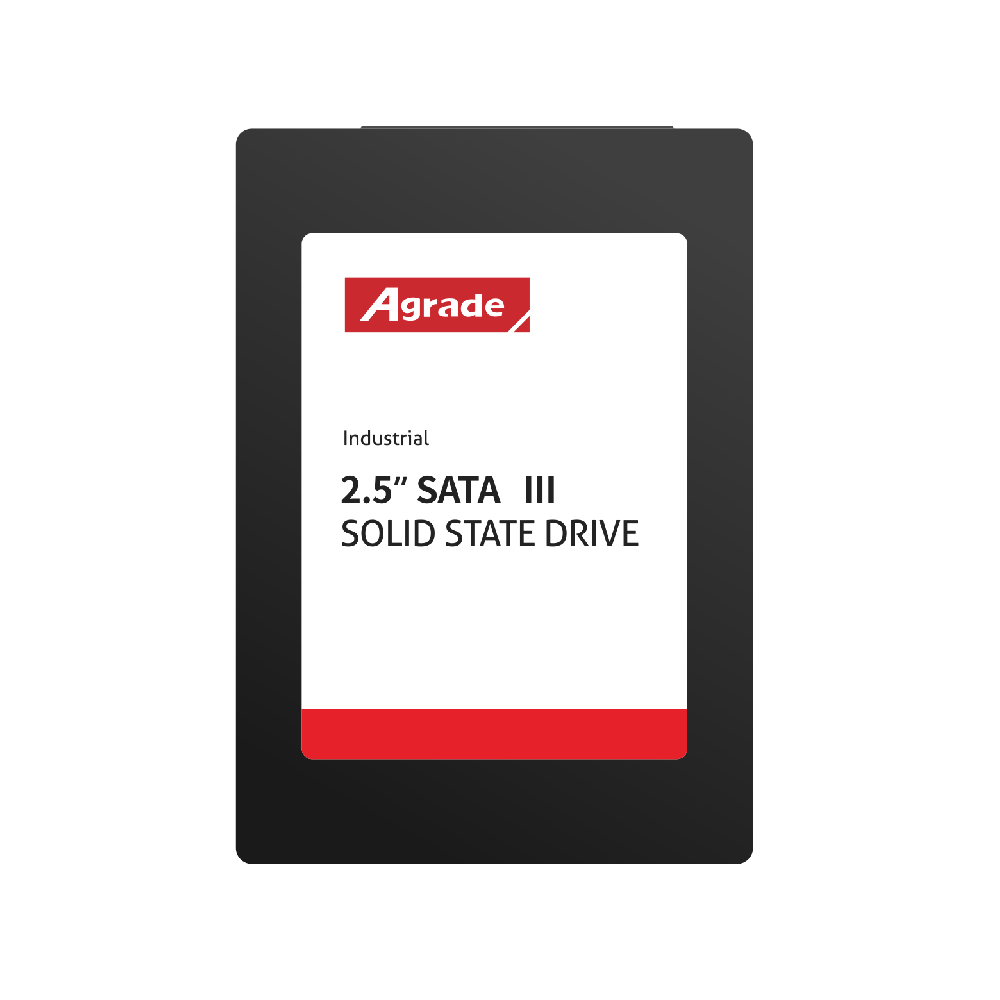
 Factors Affecting the Lifespan of Wide Temperature 2.5-inch SSD and How to Extend It
As an industrial-grade storage device, the service life of wide temperature 2.5-inch SSDs is directly related to the operational stability and cost of industrial equipment. Its service life is usually longer than that of ordinary SSDs, but it is still affected by many factors. Improper use will accelerate device aging and shorten service life. Many users do not know how to maintain wide temperature 2.5-inch SSDs. This article will analyze the core factors affecting their service life and practical skills to extend the service life, helping users reduce costs and improve device reliability.

Core Factor Affecting Lifespan 1: Ambient Temperature. Although wide temperature 2.5-inch SSDs have wide temperature adaptability, long-term operation in extreme temperatures (such as below -40°C or above 85°C) will still accelerate the aging of flash memory chips and electronic components, shortening the service life. For example, long-term operation in high-temperature environments above 85°C will greatly reduce the write life of flash memory chips, and the stability of the controller chip will also be affected. Long-term operation in low-temperature environments below -40°C will accelerate the aging of the circuit board and increase the risk of device failure. Therefore, try to avoid long-term operation of the device in extreme temperature environments, and reserve a certain temperature redundancy, which can effectively extend the service life.
Core Factor Affecting Lifespan 2: Write Load. The service life of wide temperature 2.5-inch SSDs is closely related to the write volume. Flash memory chips have a fixed write count limit (usually expressed by TBW, i.e., total write volume). The more the write volume, the shorter the service life. In industrial scenarios, if the device operates at high load for a long time, frequently performing large-file write and delete operations, it will accelerate the wear of flash memory chips and shorten the service life. For example, industrial data acquisition terminals that write a large amount of data every day will greatly consume the write life of the SSD. It is necessary to reasonably control the write load, avoid unnecessary write operations, and select products with high TBW to improve the service life.
Core Factor Affecting Lifespan 3: Power Supply Stability. Wide temperature 2.5-inch SSDs have high requirements for power supply stability. In industrial scenarios, power fluctuations, sudden power outages, and other situations will cause SSD firmware damage, flash memory chip wear, and even data loss, thereby shortening the service life. In the event of a sudden power outage, if the SSD is not equipped with power failure protection function, the cached data cannot be written back in time, which will damage the flash memory chip. Power fluctuations will cause abnormal power supply to the controller chip and flash memory chip, accelerating aging.
Therefore, it is necessary to ensure the stability of the device’s power supply. UPS (Uninterruptible Power Supply) can be equipped to avoid sudden power outages and power fluctuations. At the same time, select wide temperature 2.5-inch SSDs with power failure protection function to further protect the device and data security and extend the service life. Core Factor Affecting Lifespan 4: Improper Maintenance. Many users ignore the maintenance of wide temperature 2.5-inch SSDs, leading to device dust accumulation, poor heat dissipation, or frequent improper operations, accelerating device aging.
For example, device dust accumulation will block the heat dissipation channel, leading to severe device heating and accelerating component aging. Frequent formatting and low-level formatting operations will wear flash memory chips and shorten the service life. Disassembling the device by yourself will cause component damage and affect the device life. Tips to Extend Service Life: 1. Control the ambient temperature, avoid long-term operation in extreme temperature environments, and do a good job of device heat dissipation and heat preservation. 2. Control the write load, avoid unnecessary large-file write and delete operations, and select products with high TBW. 3. Ensure power supply stability, equip UPS, and select products with power failure protection function.
4. Regular maintenance: clean device dust, keep heat dissipation smooth, avoid improper operations, update firmware regularly to optimize device performance. 5. Back up data regularly to avoid data loss, and find device abnormalities in time for early processing to avoid fault expansion.

-
Products
Advantages
-
Solutions
-
News
About us
-
Contact us
Tel:+86 19926658803
Whatsapp:+86 19926658803
lianle1210@163.com
Address: 30CF, Caihong Building, Caihong Road, Futian District, Shenzhen City, Guangdong Province, China



Friendly Links:
