














News


 电商部
电商部  2026-03-18 16:40:33
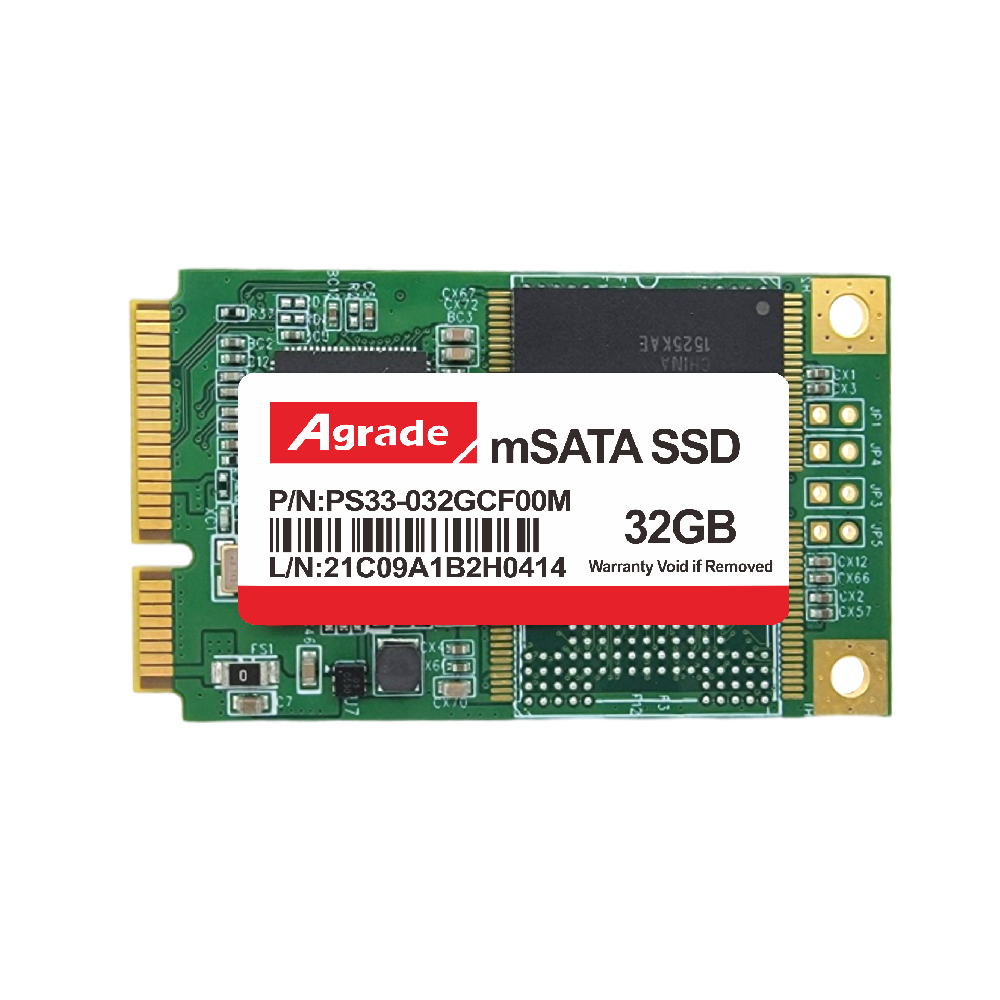
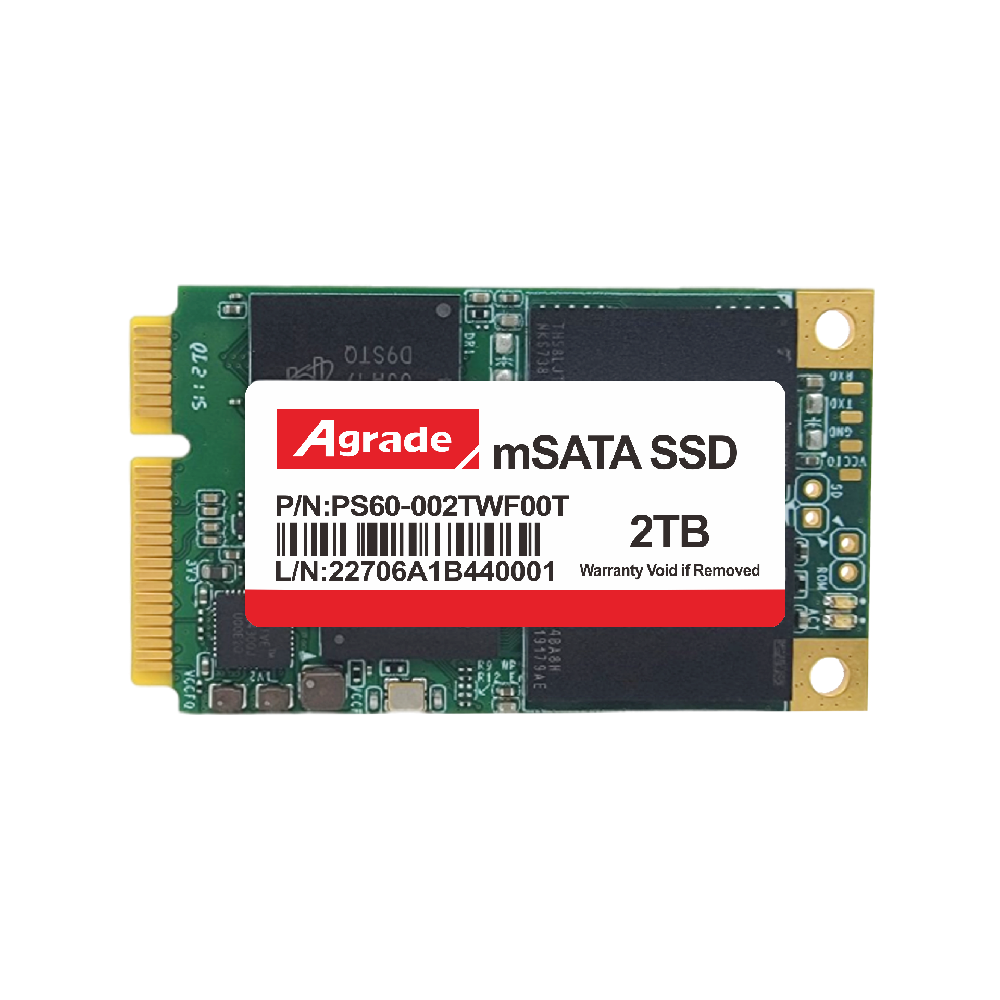
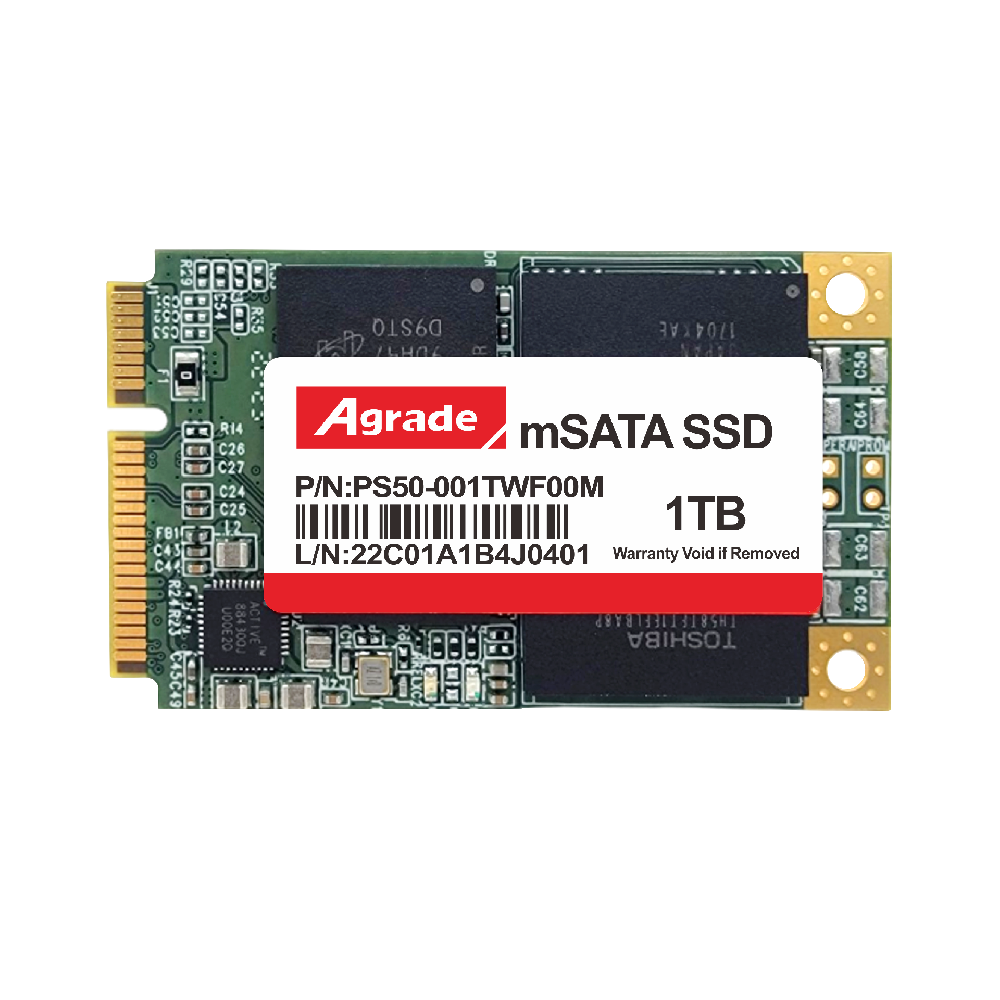
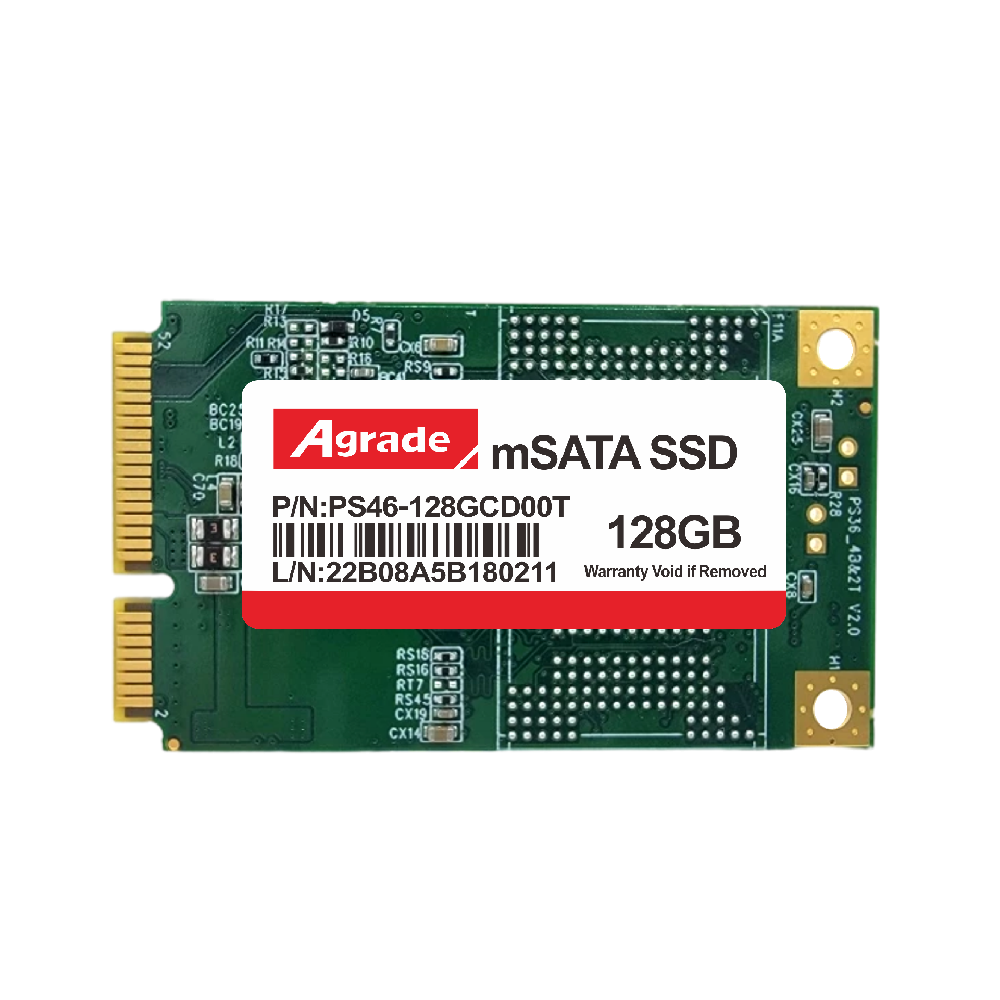
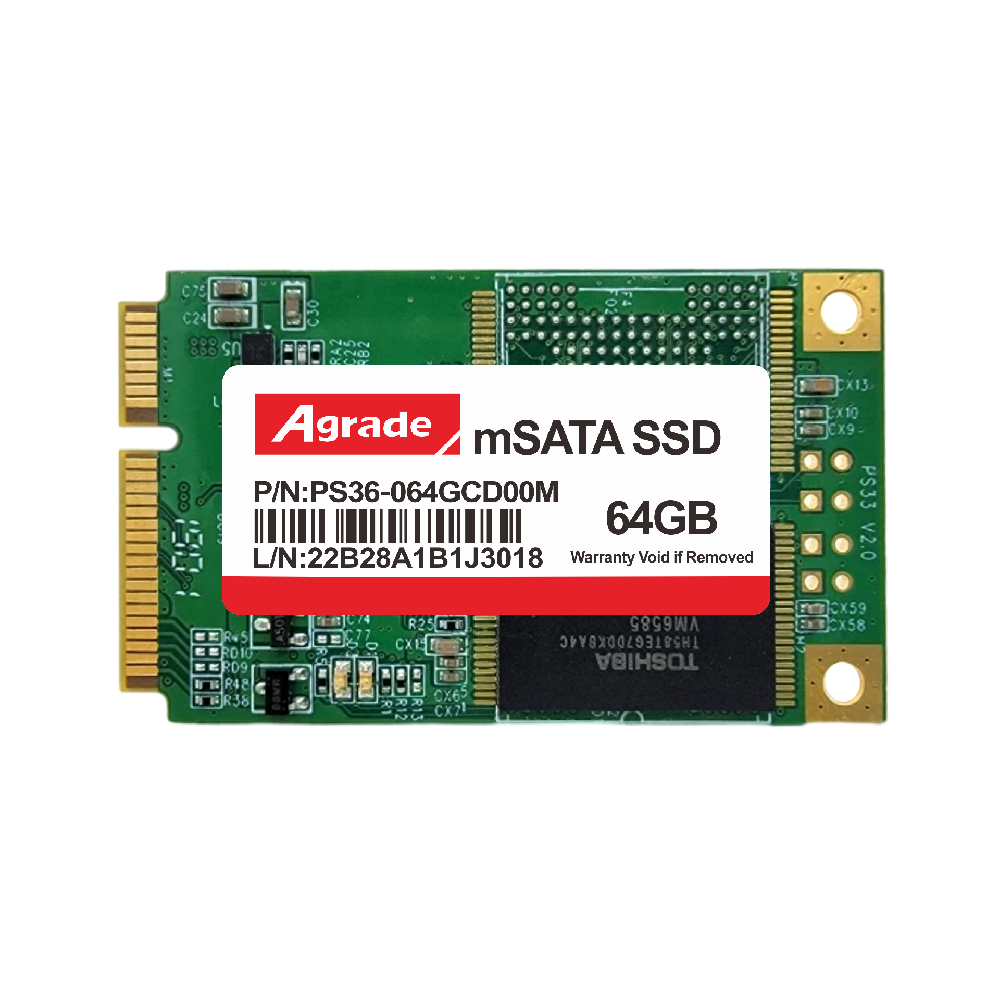
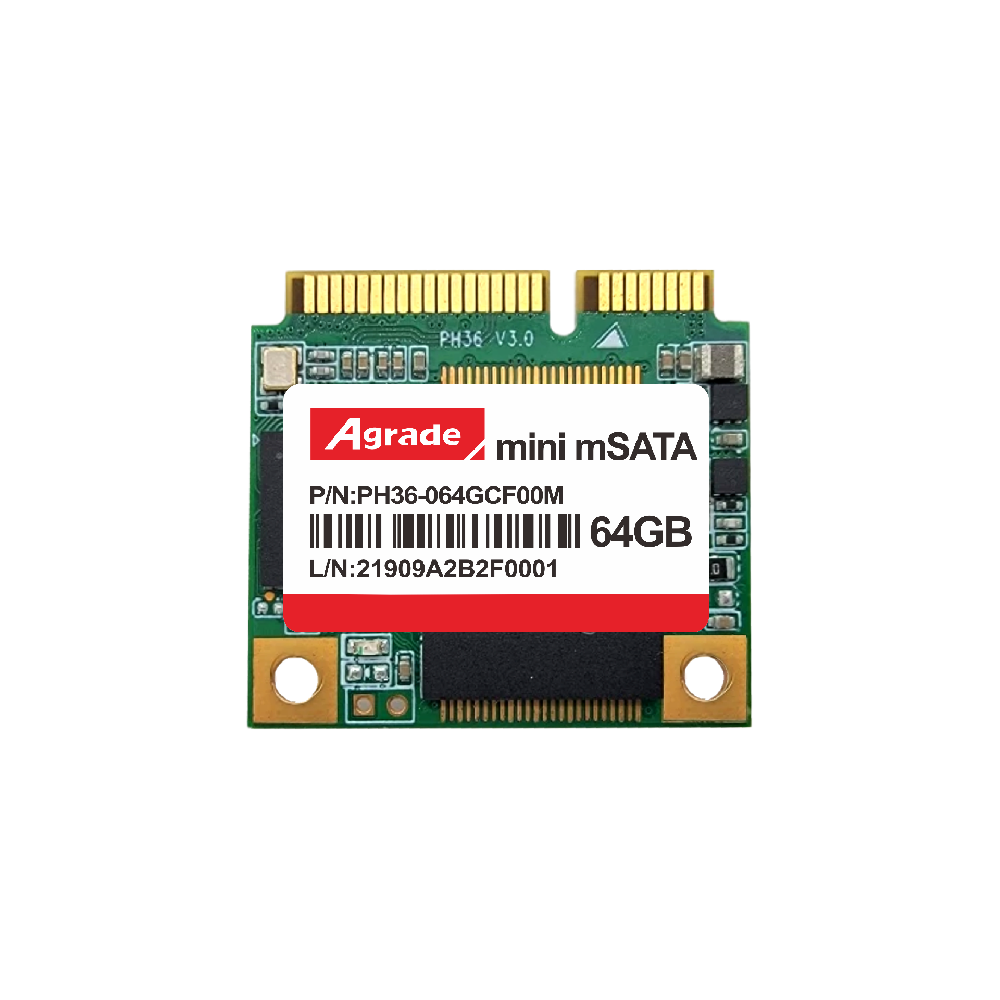
 Wide Temperature mSATA SSD vs. Standard mSATA SSD: Key Differences to Choose Right
When selecting an mSATA SSD for professional or industrial use, the choice between a Wide Temperature mSATA SSD and a standard consumer mSATA SSD can determine system stability, lifespan, and total cost of ownership. While both share the same physical form factor and interface protocol, their internal architectures, component quality, and environmental capabilities are vastly different. Many buyers make the mistake of prioritizing low cost over ruggedness, leading to premature failures and costly downtime in harsh operating settings.
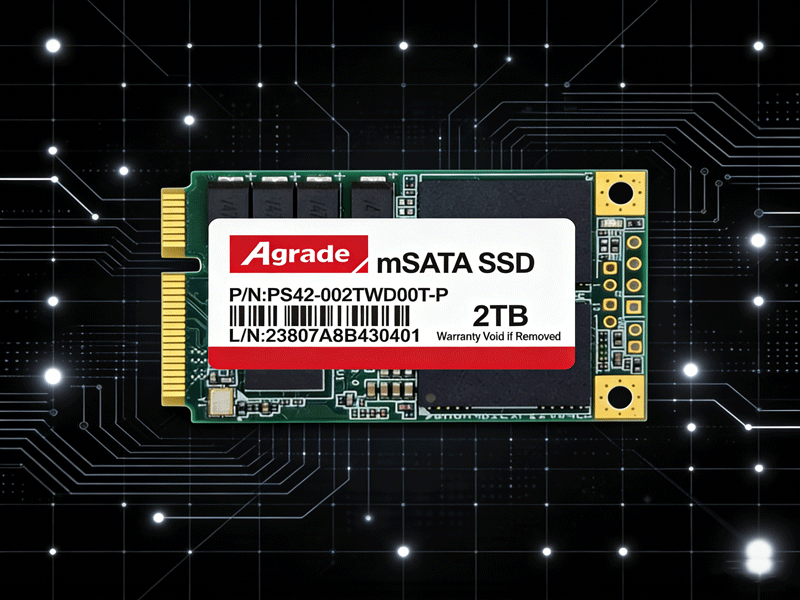
The most fundamental distinction lies in component grading. Standard mSATA SSDs use consumer-grade NAND flash, mainstream controllers, and low-cost capacitors, optimized for mild indoor temperatures and light usage. These components cut production costs but lack the resilience to handle thermal extremes or electrical instability. Wide Temperature mSATA SSDs, by contrast, use only industrial-grade components that pass rigorous thermal cycling and reliability testing. Every chip, from the flash memory to the controller, is selected to perform consistently in sub-zero cold and scorching heat without degradation.
Thermal operating ranges highlight another stark contrast. Consumer mSATA drives are limited to 0°C to 70°C; even brief exposure to temperatures outside this range causes slowdowns, data corruption, or permanent hardware damage. Wide Temperature mSATA SSDs operate flawlessly at -40°C to 85°C, making them suitable for outdoor deployments, vehicle-mounted systems, and industrial facilities with extreme climate conditions. This wide thermal window eliminates weather-related storage failures and expands the scope of embedded applications.
Reliability features and intended use cases further separate the two variants. Standard mSATA SSDs lack advanced data protection tools and are designed for short-term, light-duty use in laptops or mini PCs. Wide Temperature mSATA SSDs include enterprise-class features like ECC error correction, power-loss protection, and global wear leveling to safeguard data and extend service life. They are built for 24/7 operation in industrial, automotive, and outdoor applications, where downtime is not an option. Choosing a Wide Temperature mSATA SSD is an investment in long-term stability, while standard models only suit casual, temperature-controlled environments.

-
Products
Advantages
-
Solutions
-
News
About us
-
Contact us
Tel:+86 19926658803
Whatsapp:+86 19926658803
lianle1210@163.com
Address: 30CF, Caihong Building, Caihong Road, Futian District, Shenzhen City, Guangdong Province, China



Friendly Links:
