




News


 电商部
电商部  2025-12-04 10:44:17
 SATA DOM vs. SSD: 5 Critical Differences for Your Embedded Project
Choosing storage for an embedded or industrial system often leads to a comparison between a standard SATA SSD and a SATA DOM. While both use flash memory and a SATA interface, they serve different design philosophies.
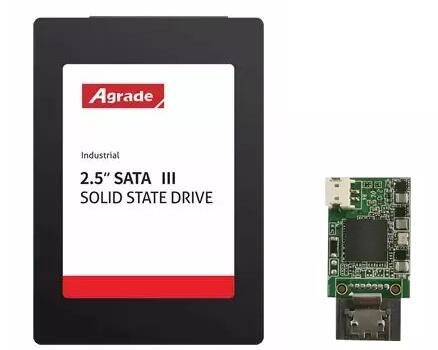
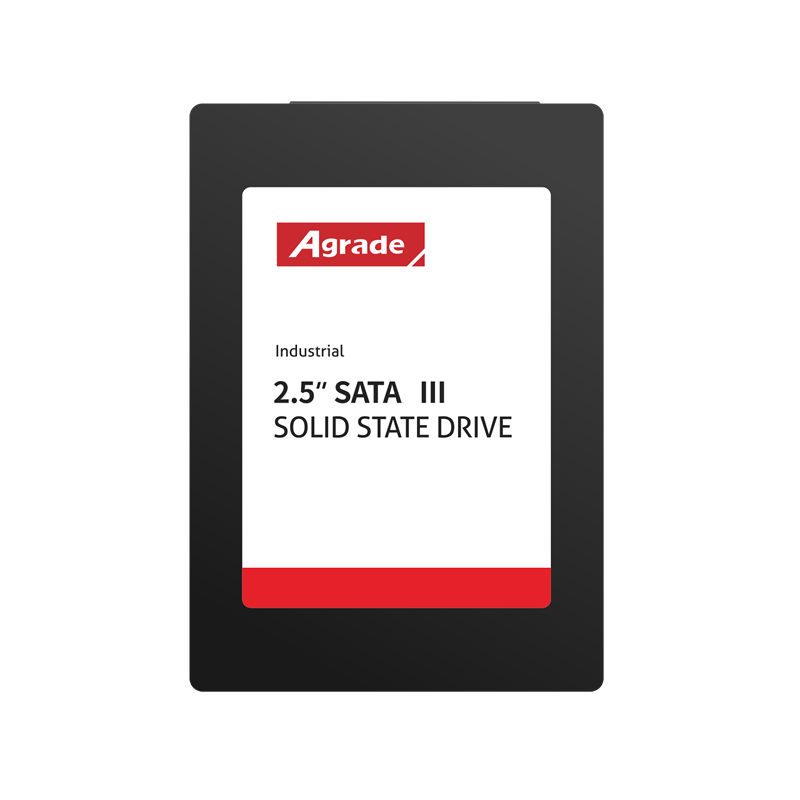
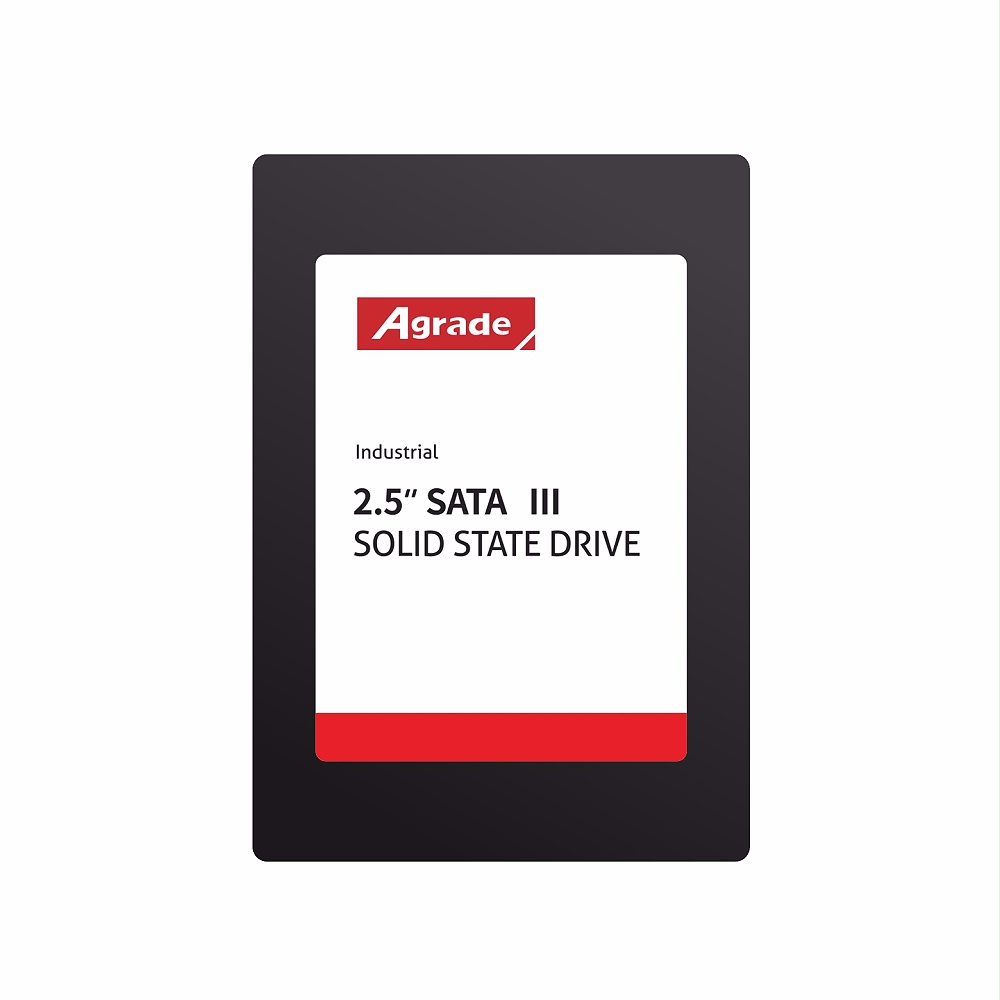
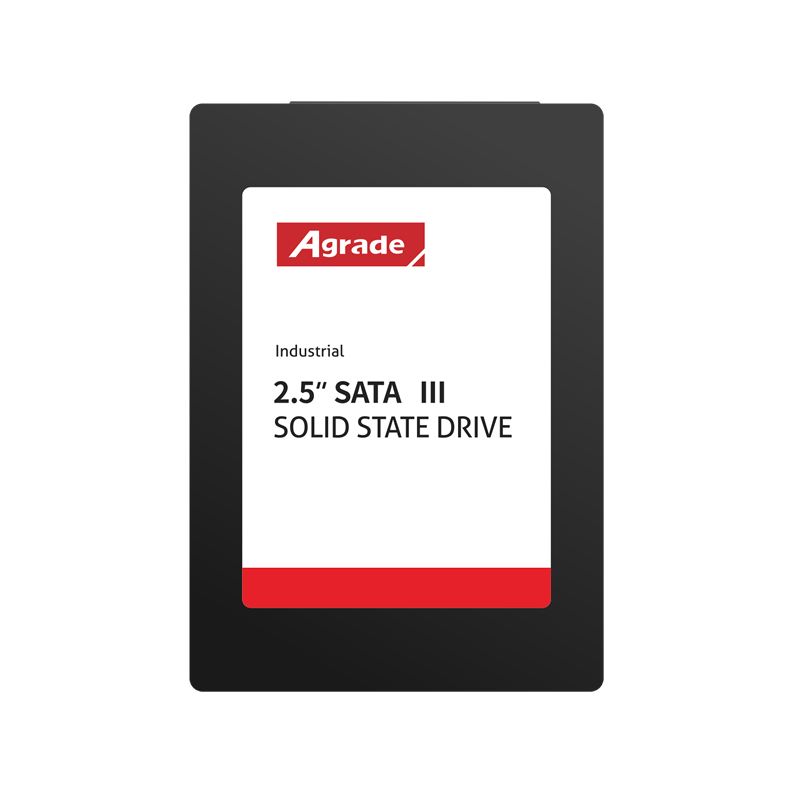
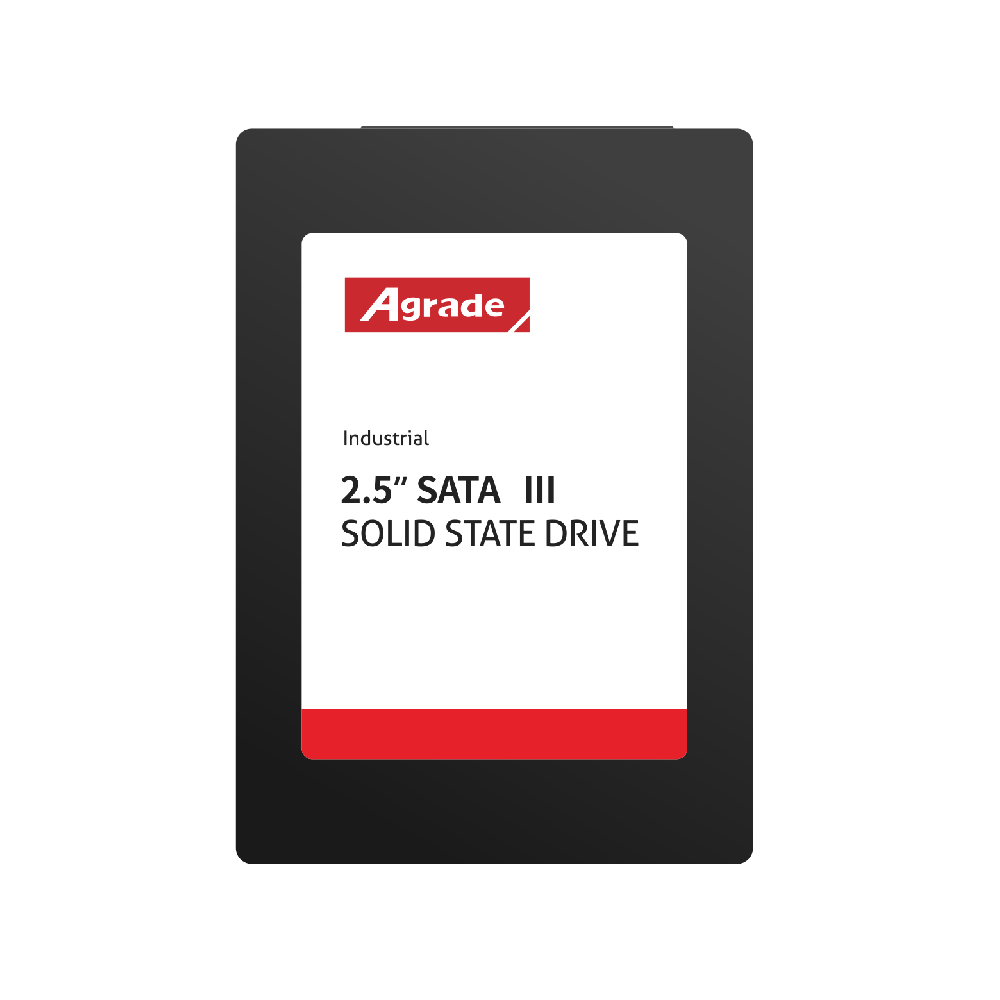
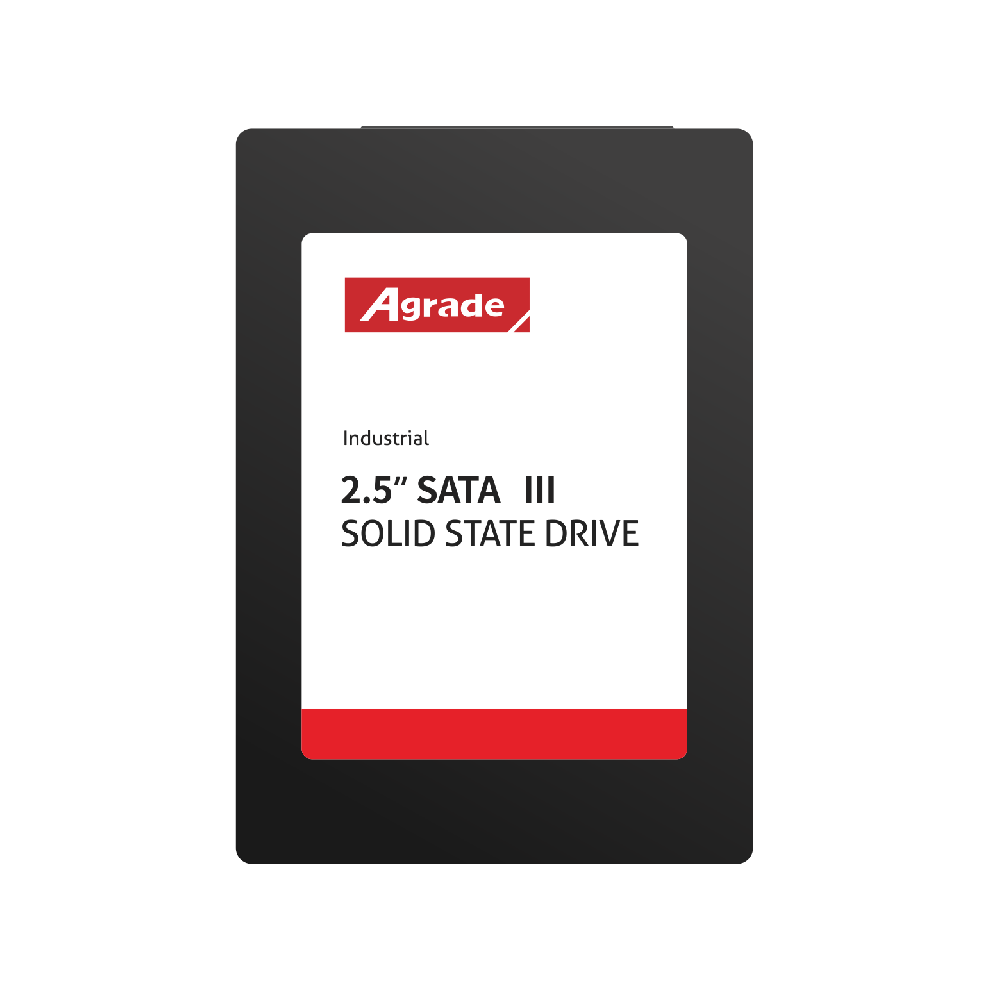
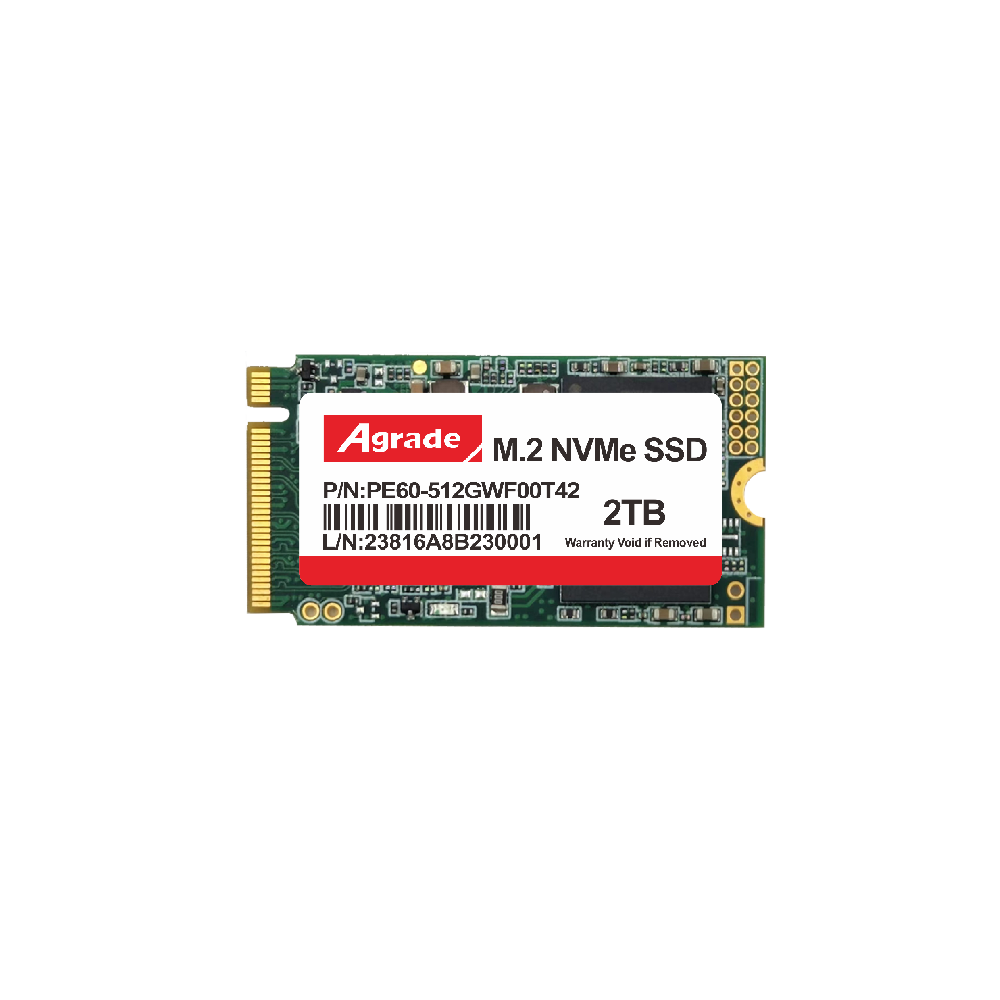
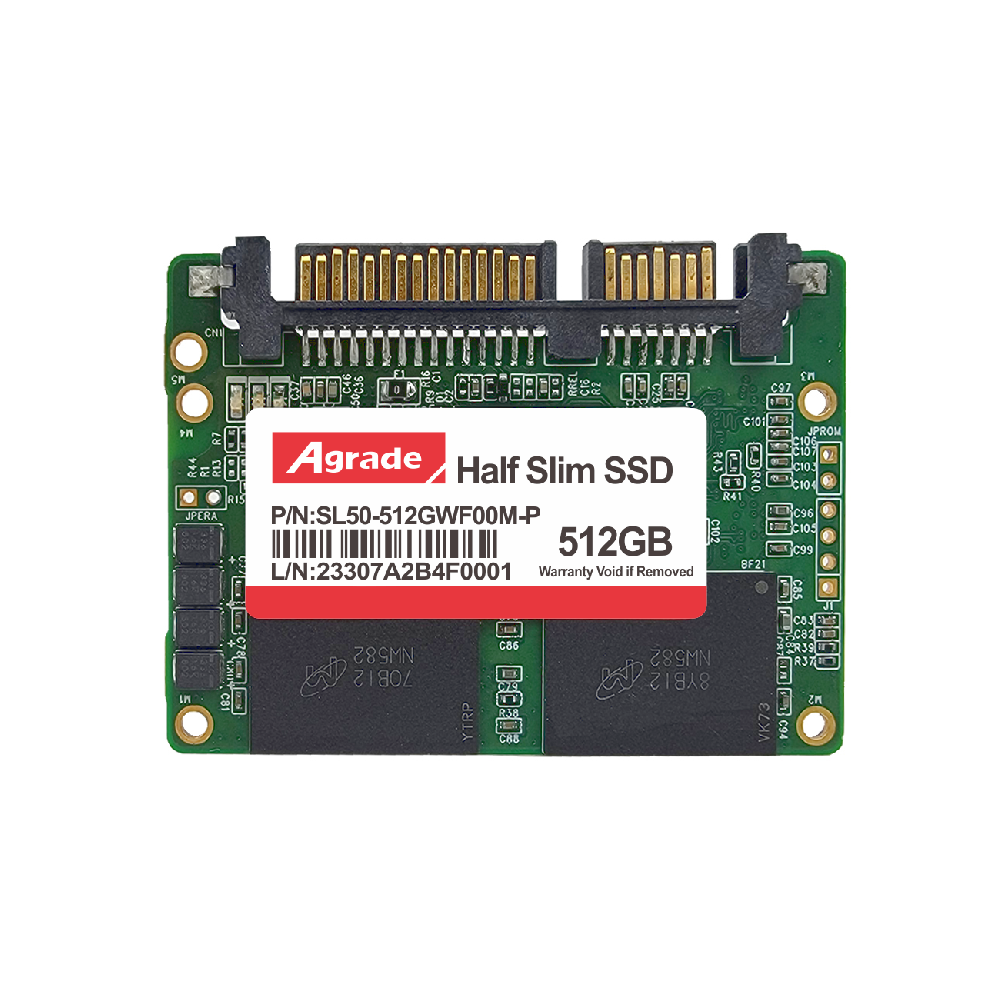
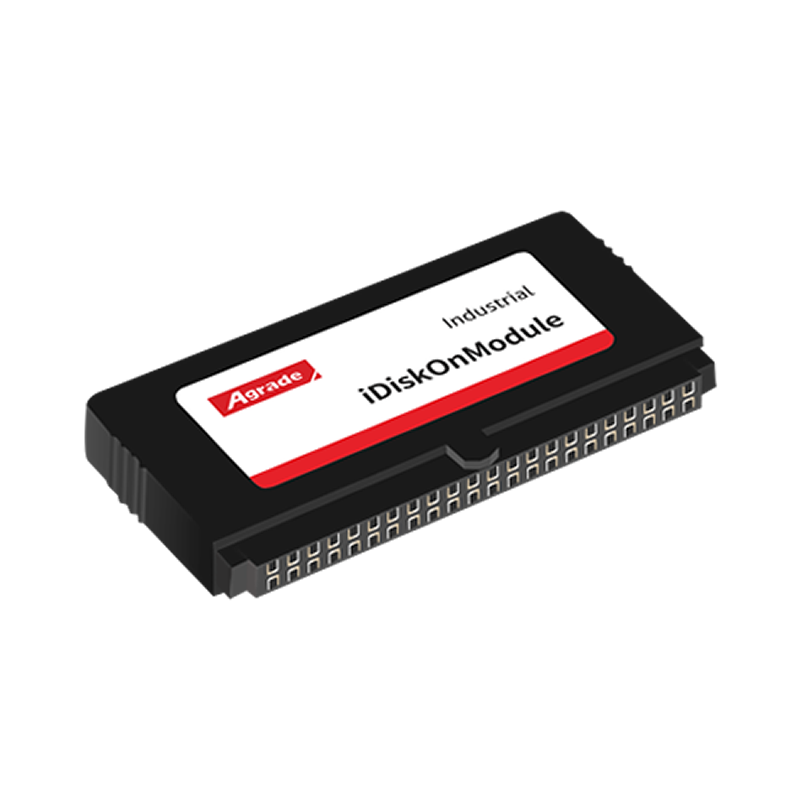
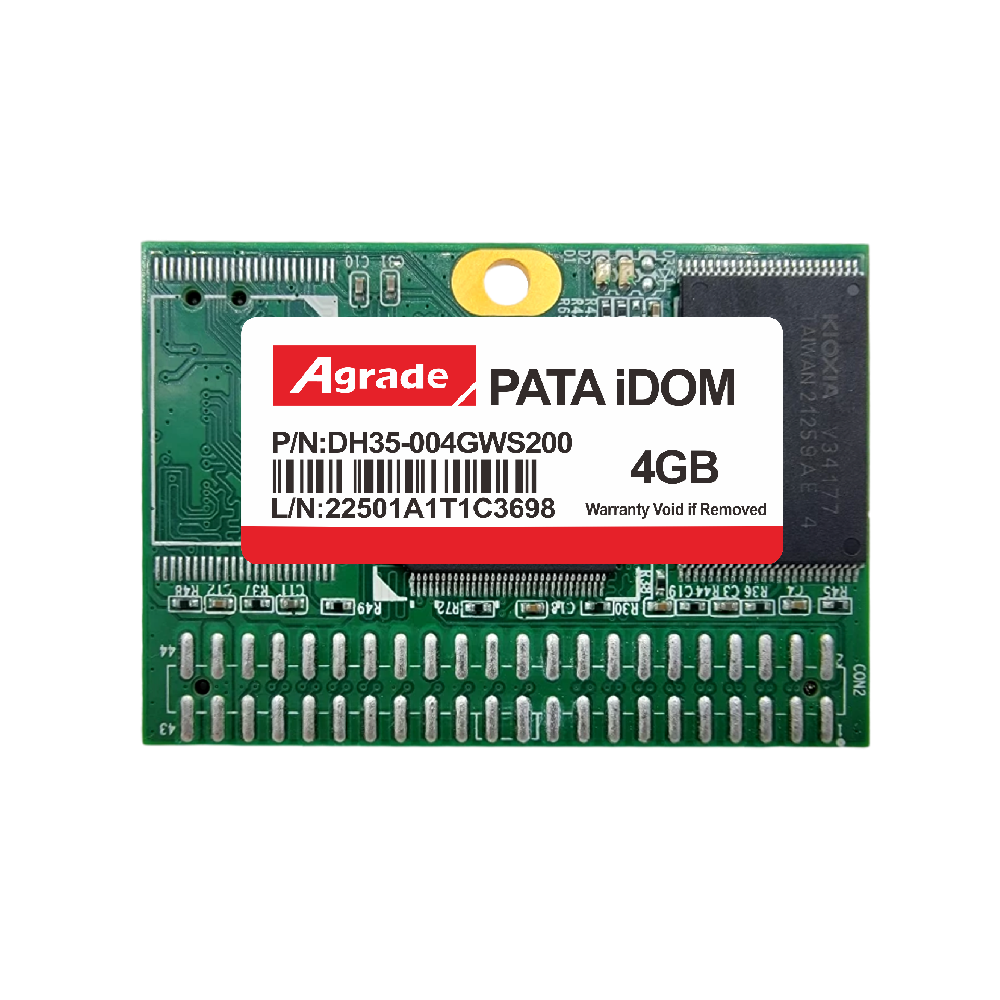
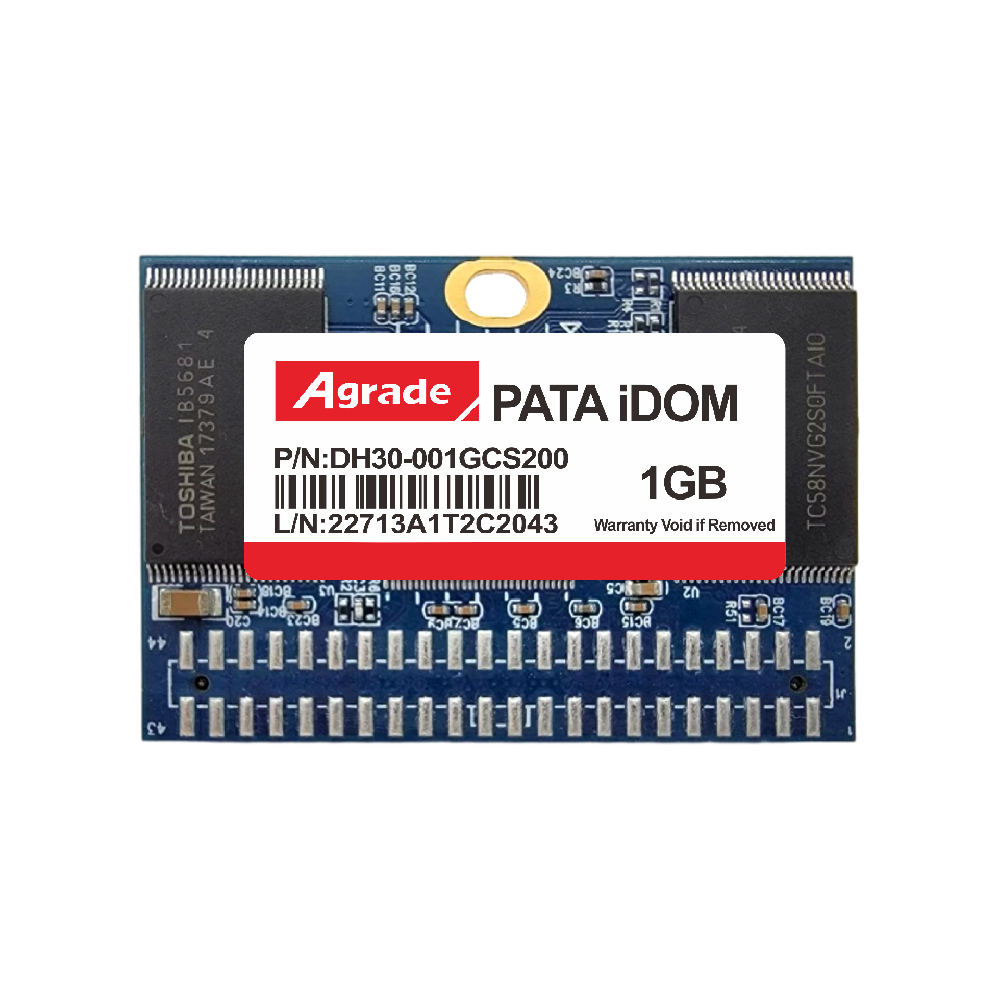
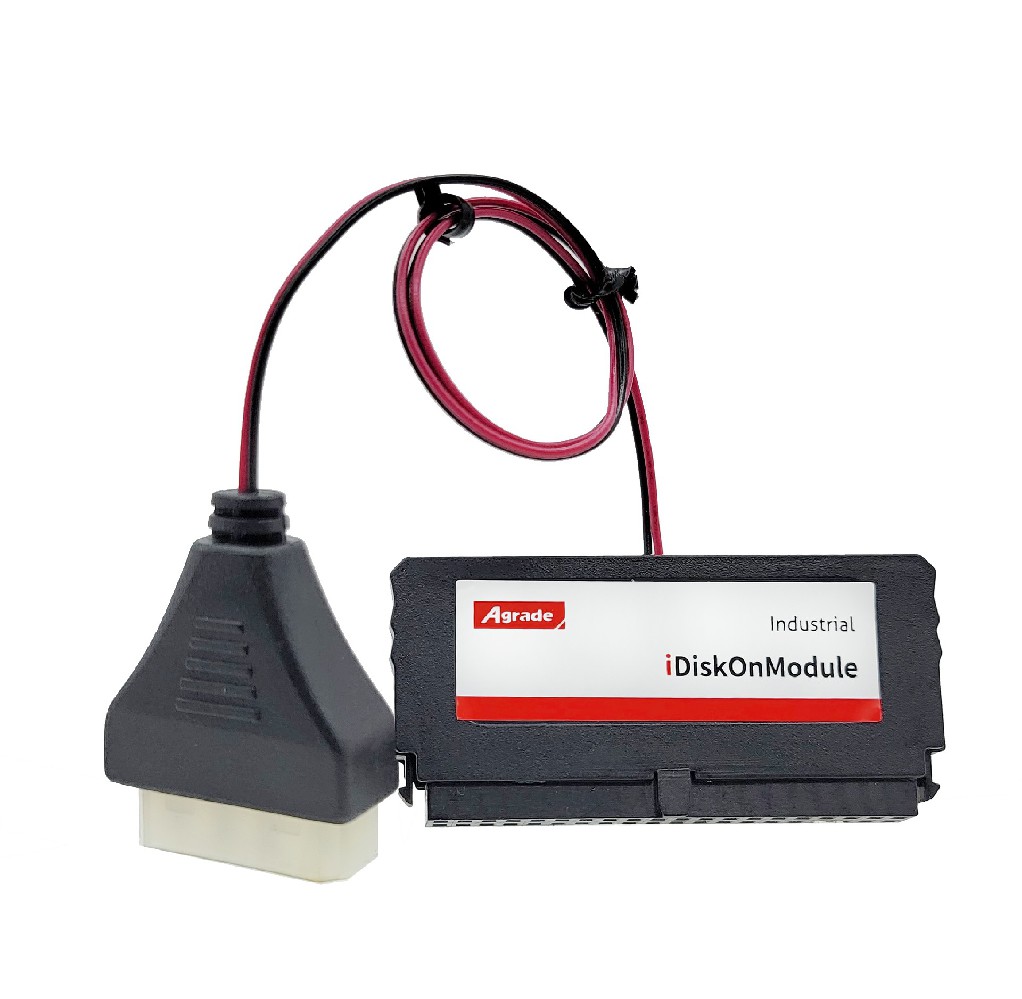
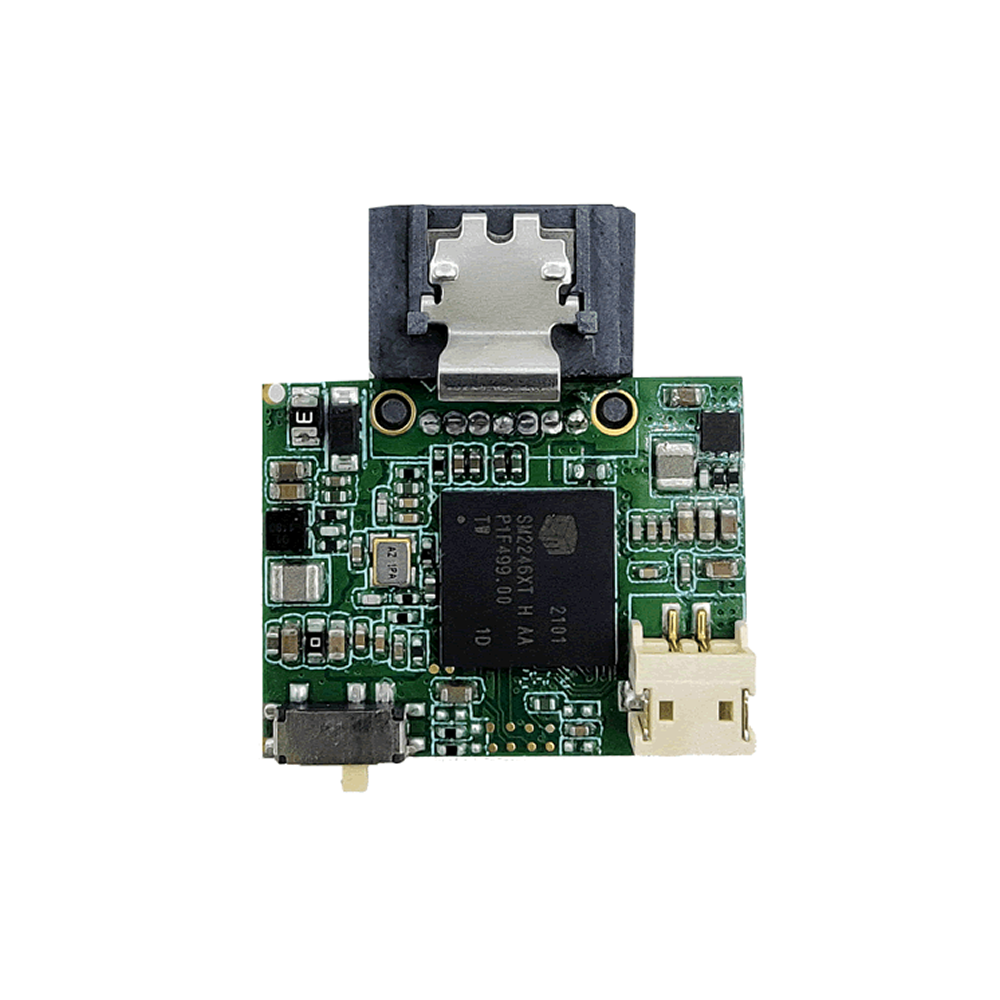
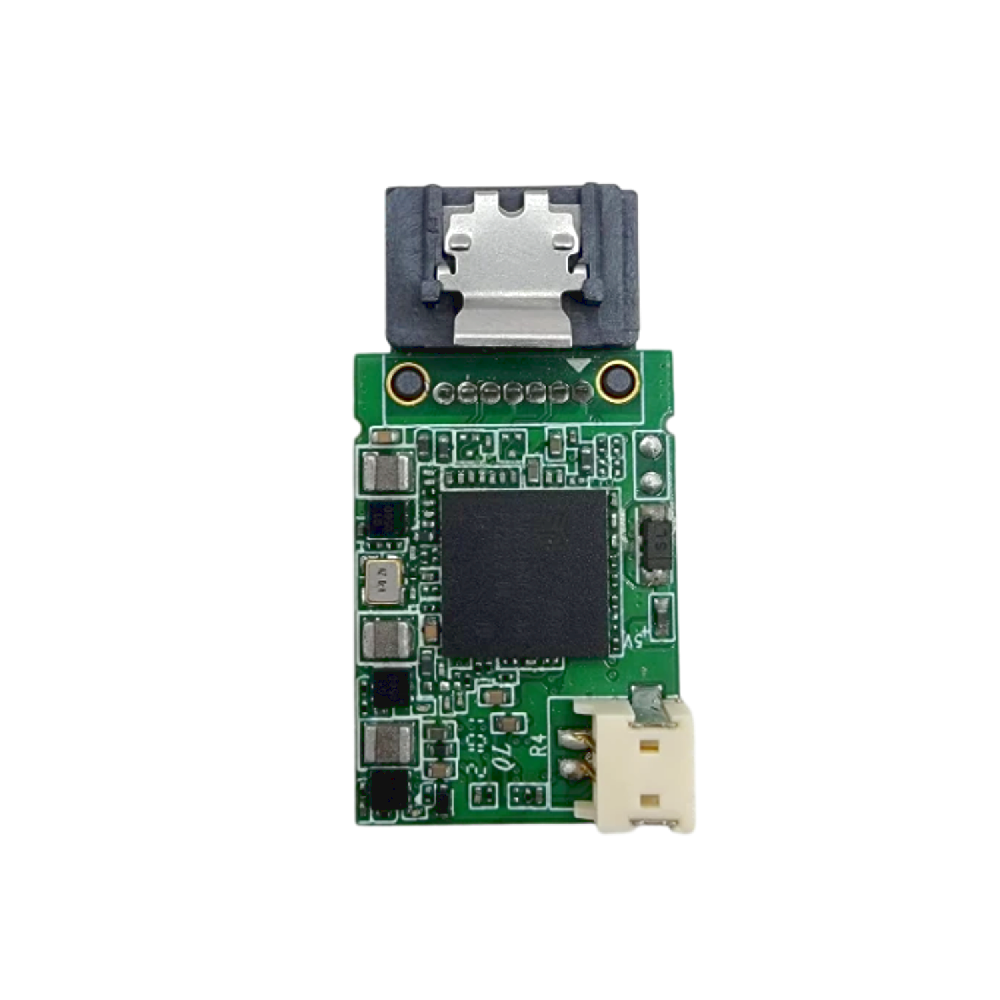
1.Form Factor & Integration: This is the most obvious difference. A 2.5-inch SATA SSD is a self-contained case that requires mounting and connects via two cables (data and power). A SATA DOM is a much smaller, naked PCB that plugs directly onto the motherboard's SATA port, often using just the data connector for both power and signal, saving crucial space and simplifying cabling.
2.Ruggedness & Reliability: Both are solid-state, but SATA DOMs are typically built for harsher conditions. They are tested to withstand higher levels of shock (up to 1500G) and vibration, and are offered in wider temperature ranges suitable for industrial settings. Their simple, direct connection is also less prone to disconnection than cable-reliant SSDs.
3.Primary Use Case: Standard SSDs are general-purpose storage for capacity and performance. SATA DOMs are specialized for system booting, critical application loading, or as a reliable storage medium in dedicated devices like POS systems, digital signage, or network appliances. They are not typically used for bulk data storage.
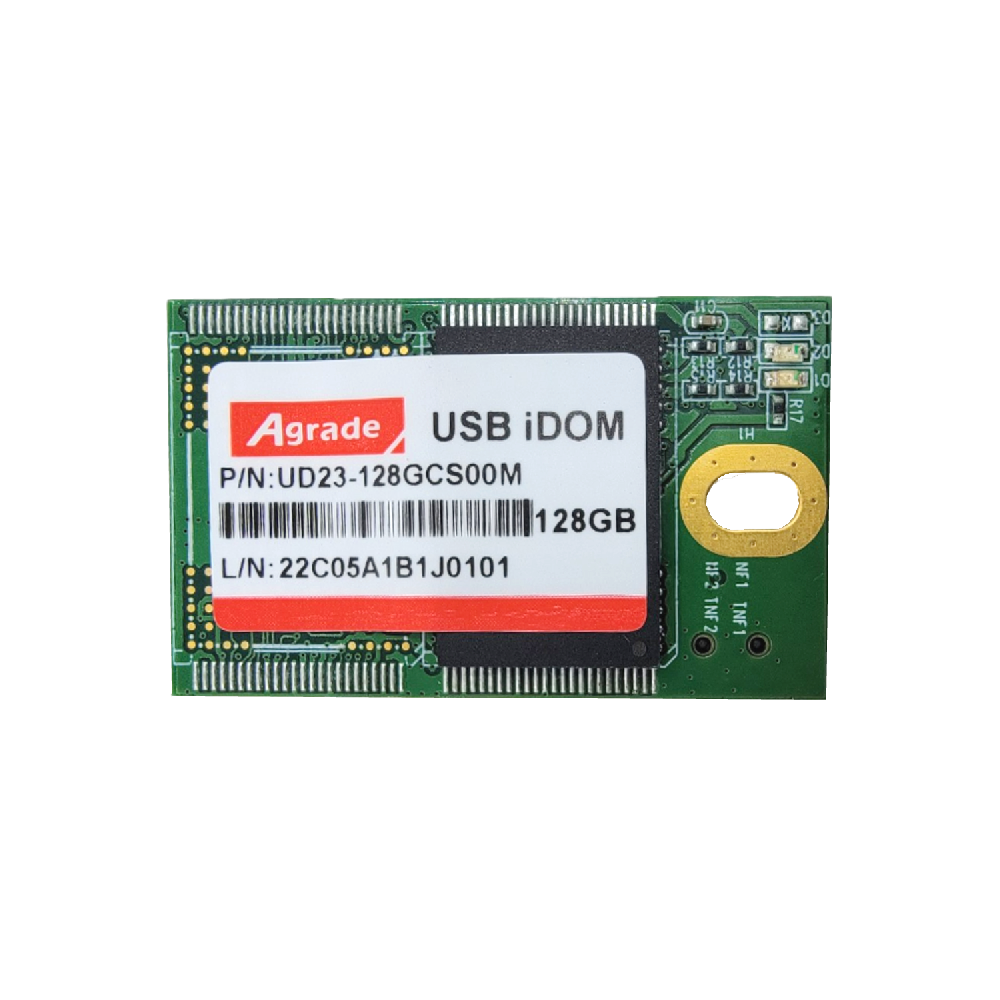
4.Capacity Range: Consumer SSDs now offer terabytes of capacity. SATA DOMs focus on sufficiency for their dedicated roles, with common capacities ranging from 4GB to 128GB. This aligns with their use for operating systems and core software.
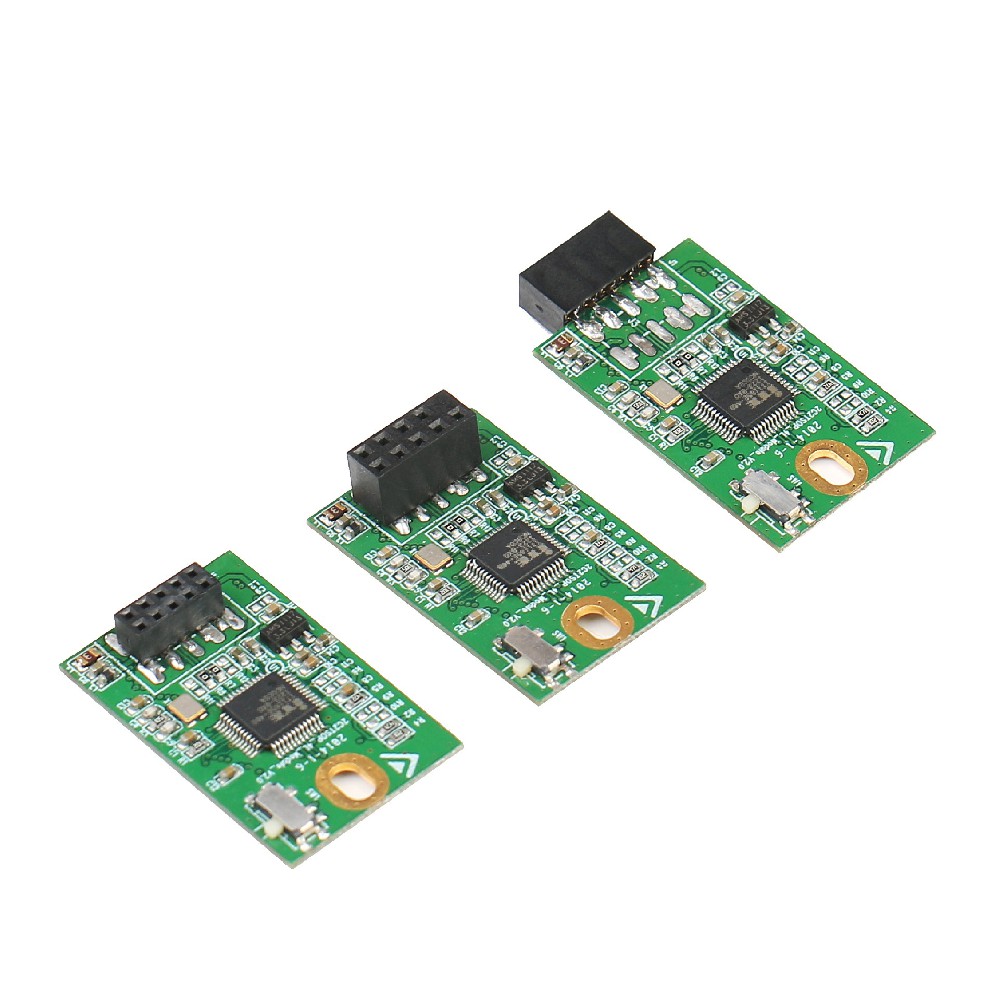
5.Features: SATA DOMs often include niche features like a hardware write-protect switch to prevent accidental data corruption, a feature rarely found on consumer SSDs.
Choose a SATA SSD for upgrading a PC or server with high capacity and speed. Choose a SATA DOM when you need ultra-compact, cable-free, and rugged storage integrated directly into a specialized system.

-
Products
Advantages
-
Solutions
-
News
About us
-
Contact us
Tel:+86 19926658803
Whatsapp:+86 19926658803
lianle1210@163.com
Address: 30CF, Caihong Building, Caihong Road, Futian District, Shenzhen City, Guangdong Province, China



Friendly Links:
