














News


 电商部
电商部  2025-12-04 11:22:30
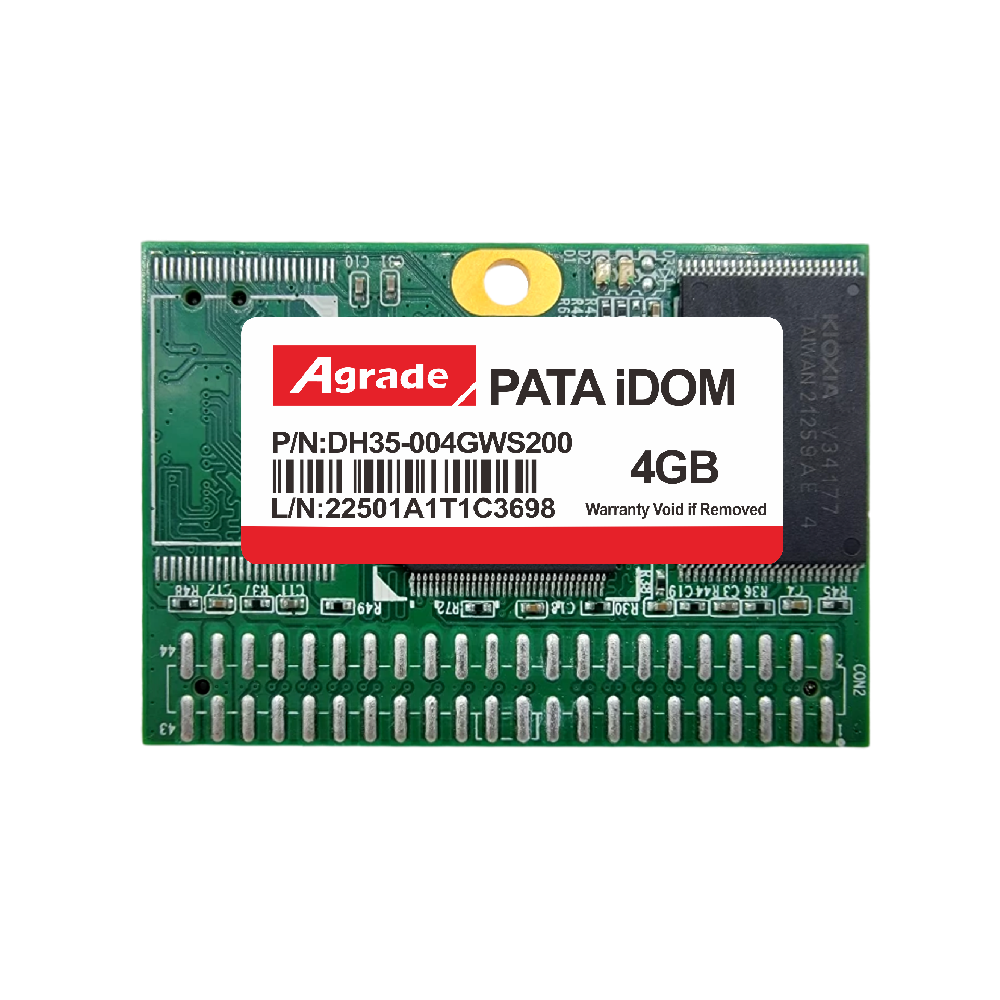
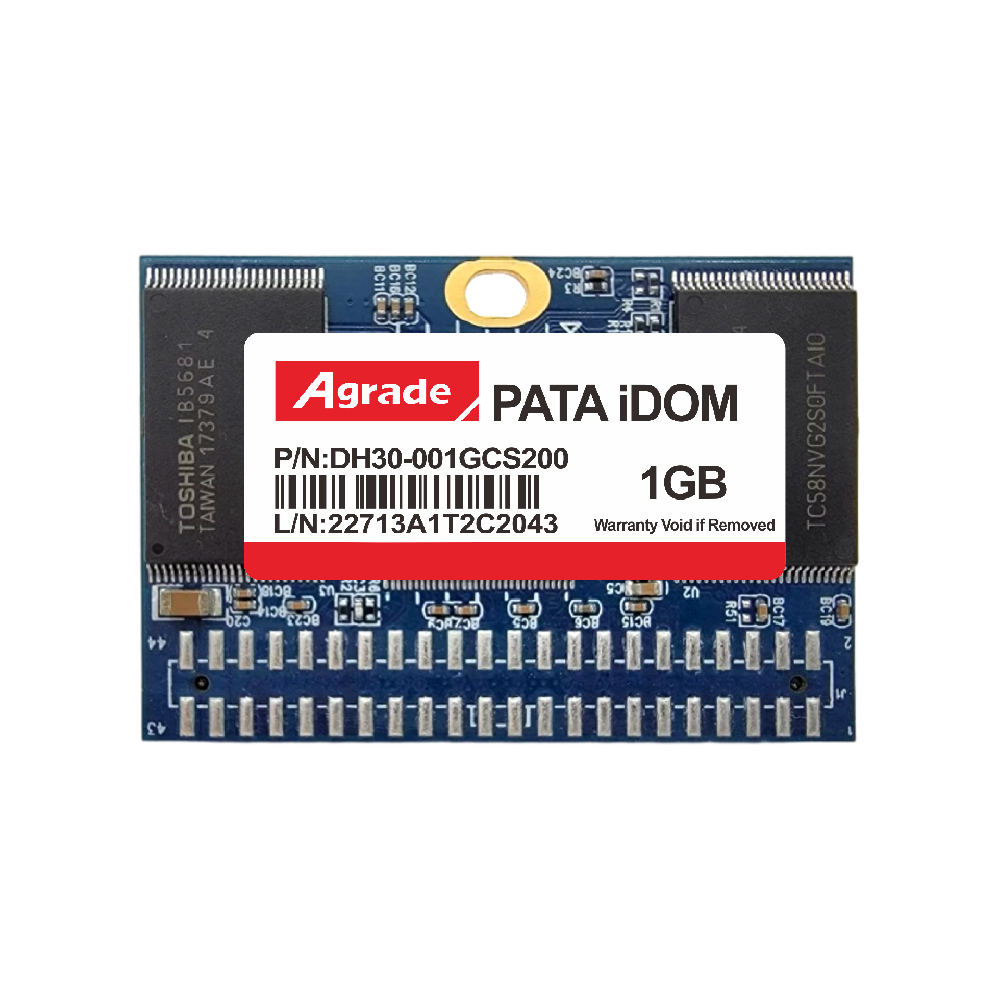
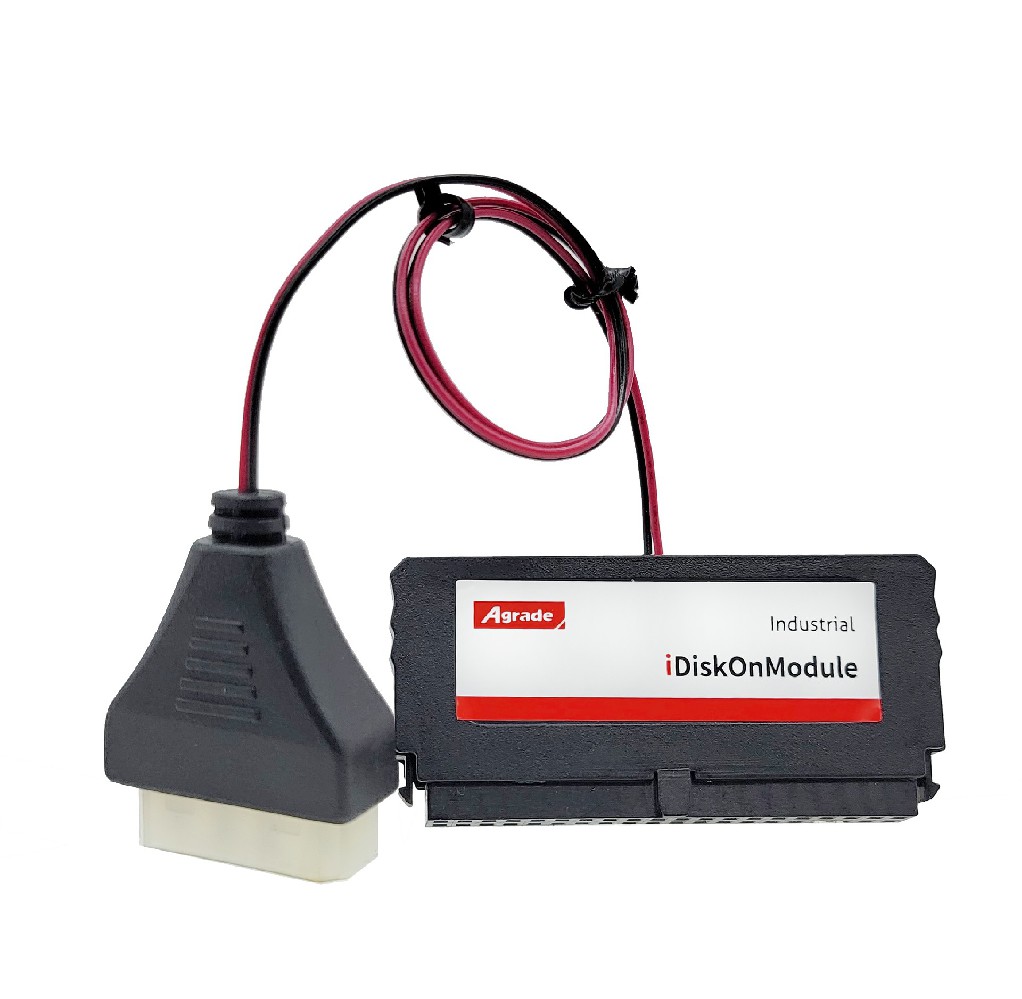
 PATA DOM Boot Device: Benefits for Industrial Embedded Systems
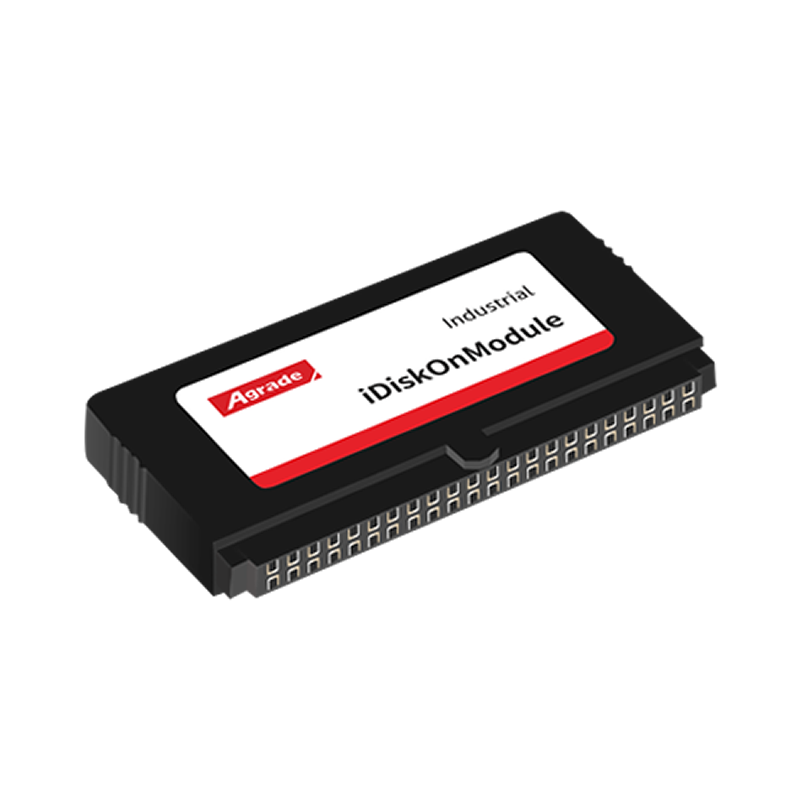
Using PATA DOM as a boot device delivers unique advantages for industrial embedded systems, starting with reliable startup in harsh conditions . Industrial environments demand consistent boot performance amid temperature fluctuations (-40°C to 85°C), vibrations, and power instability—challenges PATA DOM addresses with its solid-state design and rugged construction . Unlike mechanical HDDs, it has no moving parts, eliminating boot failures from shock or wear, a critical benefit for mission-critical systems like PLCs and medical embedded devices .
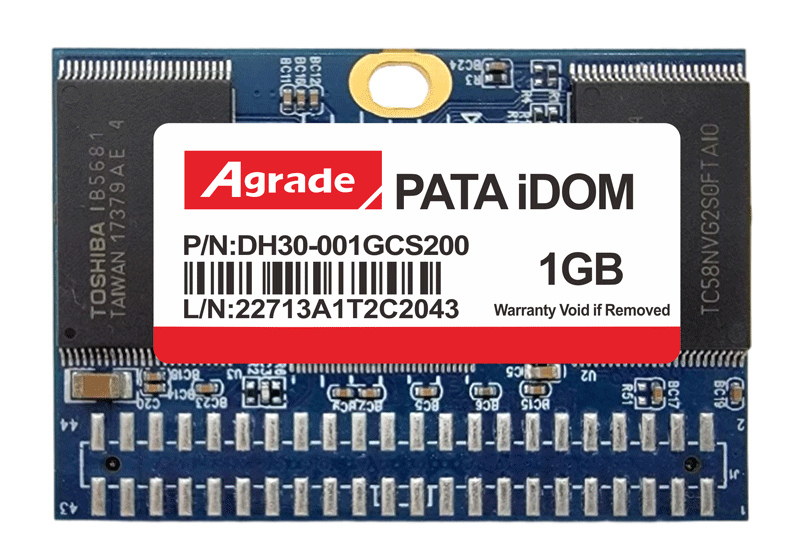
Speed and efficiency define its boot capabilities. PATA DOM supports Ultra DMA Mode 4 and PIO Mode 6, enabling fast OS loading—critical for industrial systems requiring rapid startup after power cycles . Its SLC flash memory ensures consistent boot times (typically 10-15 seconds for embedded OSes) over years of use, unlike HDDs which slow down as mechanical components wear . For embedded systems like thin clients and kiosks, this speed translates to improved user experience and reduced downtime . Additionally, PATA DOM’s low power consumption during boot (lower than HDDs) aligns with energy-efficient industrial designs .
Compatibility and flexibility further enhance its value as a boot device. It works with all major embedded OSes, including Windows Embedded, Linux, and VxWorks, and integrates seamlessly with legacy 40pin/44pin IDE motherboards . This compatibility allows industrial operators to upgrade boot drives without replacing entire systems, extending the lifespan of costly equipment . PATA DOM’s compact size also means it doesn’t occupy valuable space in embedded enclosures, leaving room for other critical components . With features like bad block management and data integrity protection, it ensures boot files remain intact, preventing system crashes that could halt industrial processes . For industrial embedded systems, PATA DOM isn’t just a boot device—it’s a reliability cornerstone .

-
Products
Advantages
-
Solutions
-
News
About us
-
Contact us
Tel:+86 19926658803
Whatsapp:+86 19926658803
lianle1210@163.com
Address: 30CF, Caihong Building, Caihong Road, Futian District, Shenzhen City, Guangdong Province, China



Friendly Links:
