




News


 电商部
电商部  2025-12-10 10:10:39
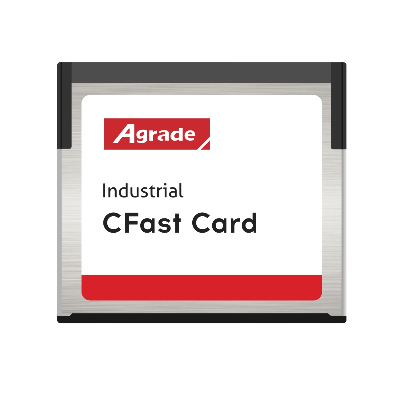
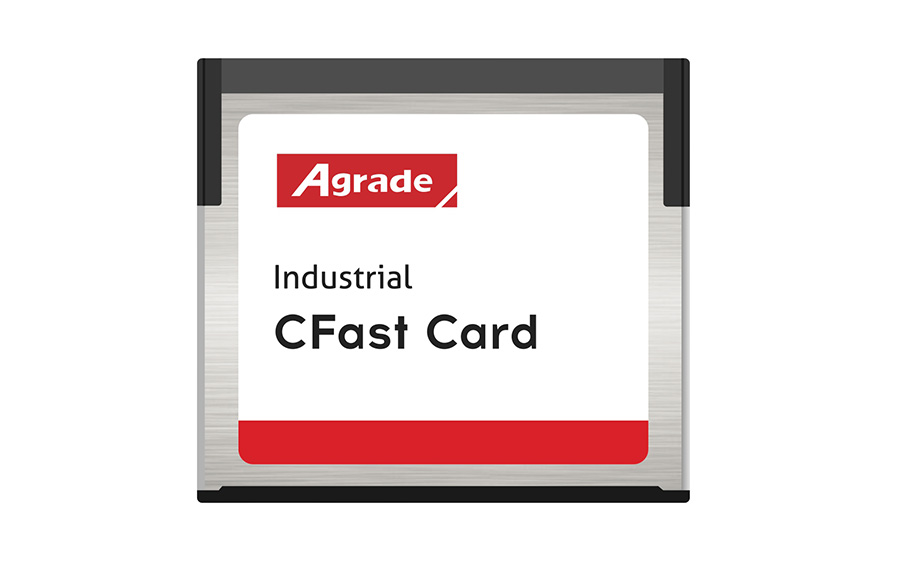
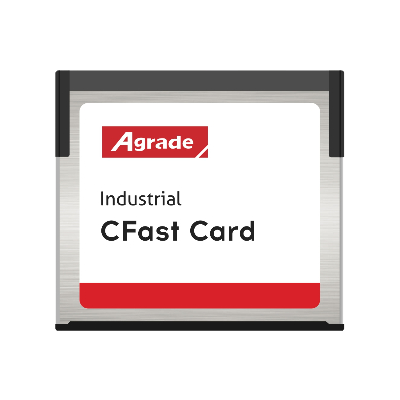
 Common Myths About Industrial CFast Card Debunked
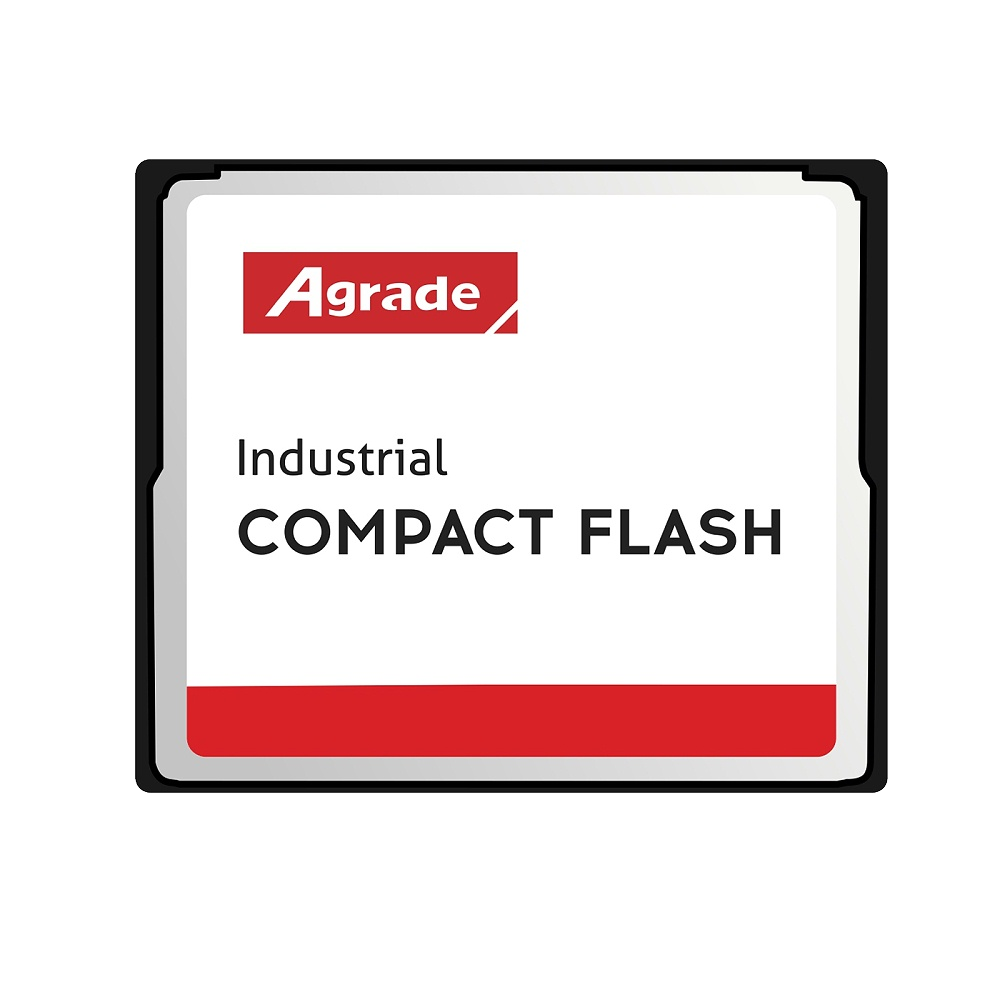
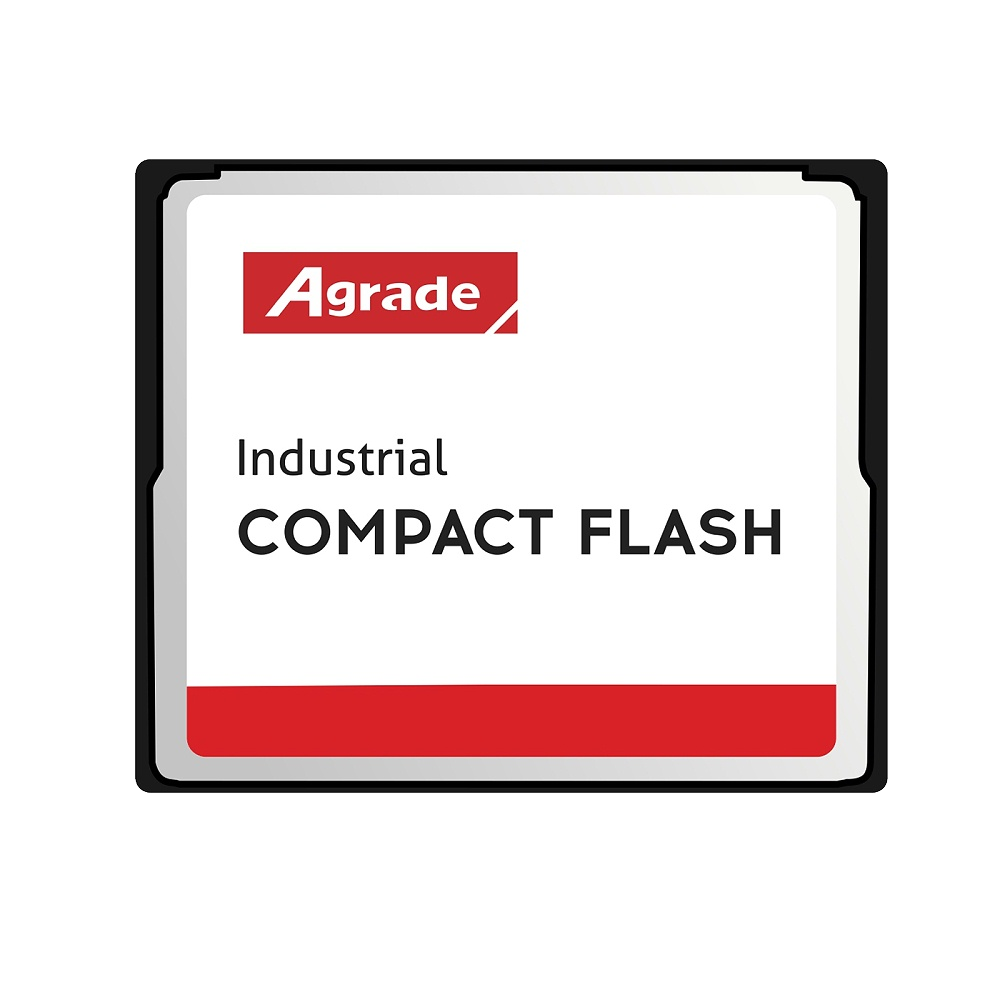
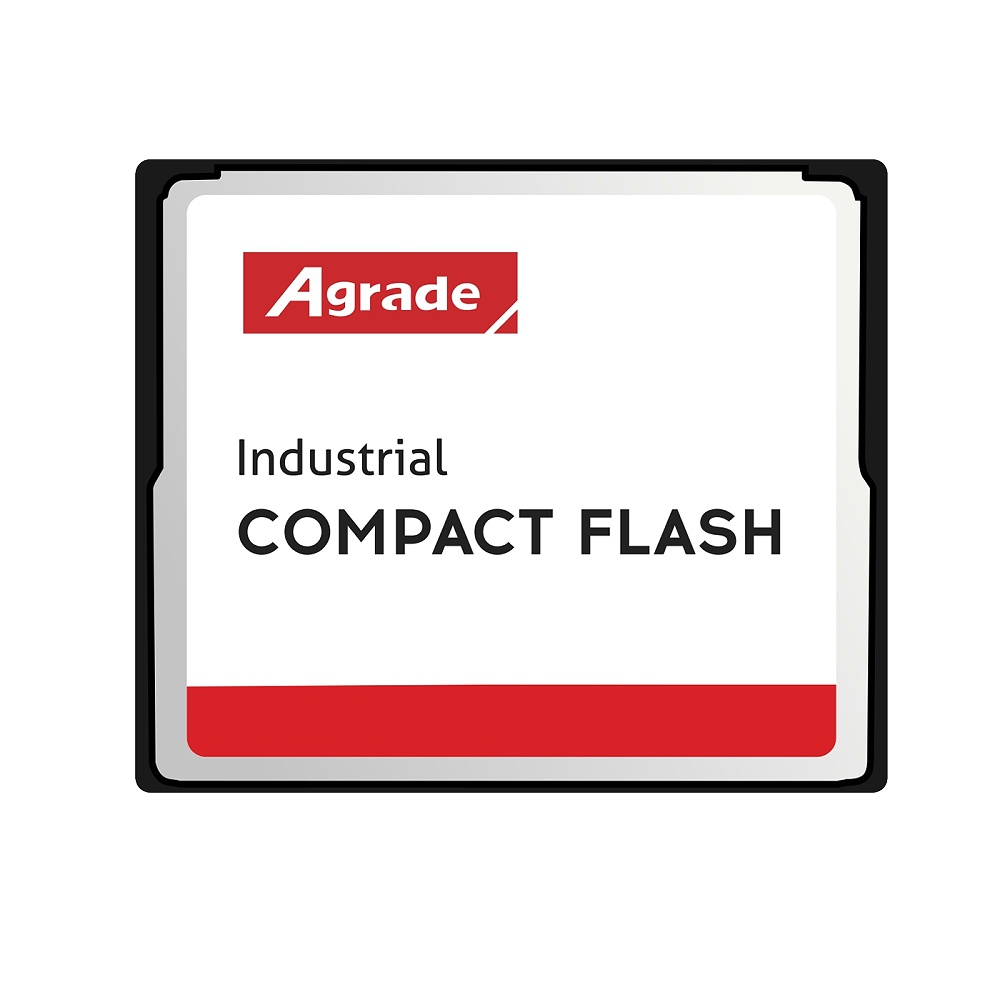
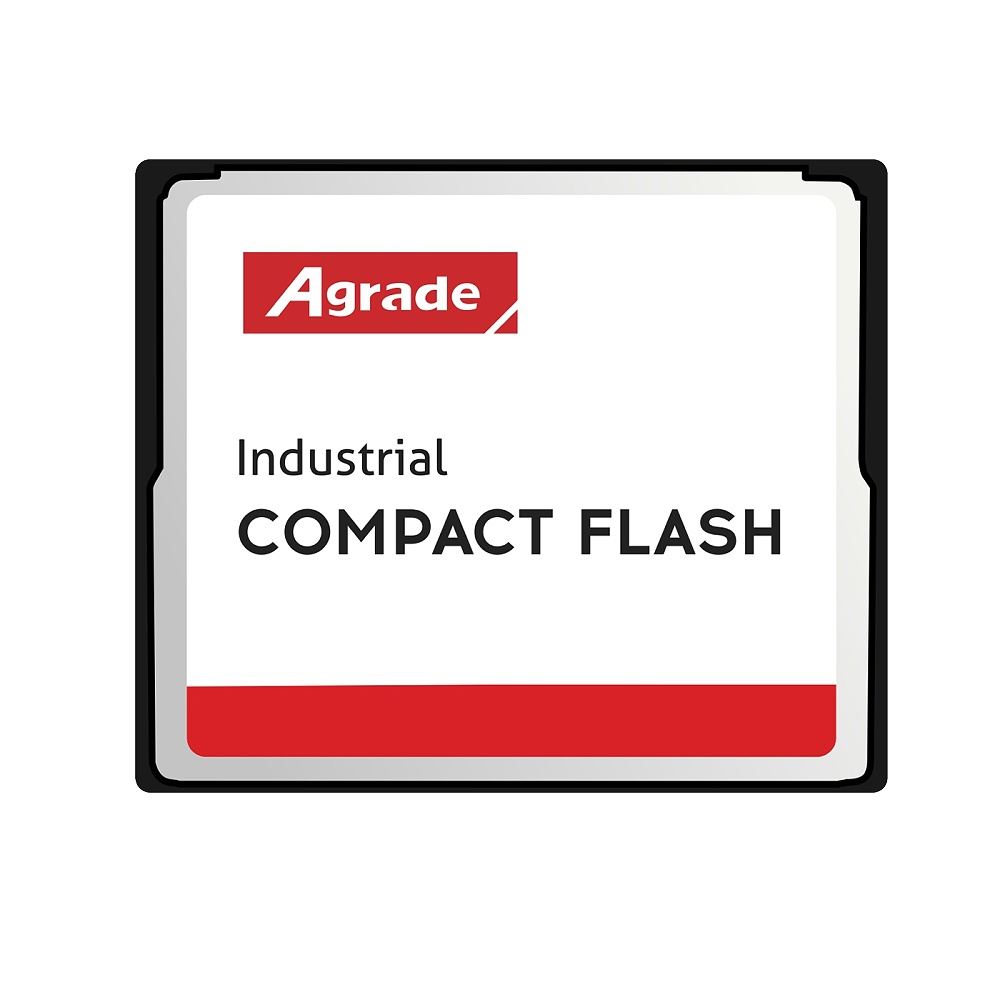
Industrial CFast cards are a staple of rugged storage, but several myths and misconceptions persist that can lead businesses to choose the wrong storage solution or underutilize their cards’ capabilities. Debunking these myths is key to maximizing the value and reliability of industrial CFast cards in critical applications.
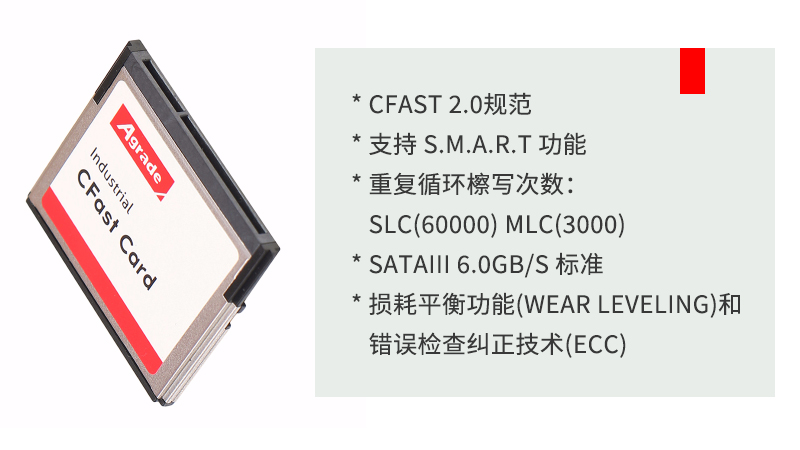
Myth 1: Industrial CFast cards are the same as consumer CFast cards
This is the most prevalent myth. Consumer CFast cards are designed for short-term, low-stress use (e.g., photography) and lack the rugged features of industrial variants. Industrial models include wide temperature ranges, shock/vibration resistance, ECC, and power-loss protection—features that consumer cards omit to cut costs. Using a consumer card in industrial settings leads to frequent failures and data loss.
Myth 2: Higher capacity equals better performance
While capacity matters for storing large datasets, it does not correlate with speed or durability. A 128GB industrial CFast card with SATA III and 500 MB/s speeds will outperform a 512GB consumer card with slower interfaces. For industrial applications, prioritize transfer speed, TBW rating, and environmental resistance over raw capacity to avoid bottlenecks and premature wear.
Myth 3: Industrial CFast cards are not compatible with legacy CF devices
Industrial CFast cards are backward-compatible with CompactFlash (CF) interfaces, even though they use SATA protocols for faster speeds. This means they can be used in older CF-enabled hardware (e.g., legacy industrial controllers) while delivering improved performance, eliminating the need for costly hardware overhauls. The form factor matches CF cards, ensuring a seamless fit in existing slots.
Myth 4: Industrial CFast cards are too expensive for small businesses
While industrial CFast cards have a higher upfront cost than consumer options, their extended lifespan (5–7 years of continuous use) and resistance to failure reduce total cost of ownership (TCO). Small businesses that rely on industrial equipment avoid the downtime and replacement costs associated with consumer card failures, making industrial CFast cards a cost-effective long-term investment.
Myth 5: All industrial CFast cards offer the same durability
Durability varies by manufacturer and model. Some industrial cards only support a -25°C to 70°C temperature range, while premium models handle -40°C to 85°C. Similarly, TBW ratings can range from 50 TBW to 500 TBW. Always verify the specific environmental and endurance specs of a card before purchasing, as “industrial-grade” is not a universal standard.
By dispelling these myths, businesses can make informed decisions and leverage industrial CFast cards to their full potential, ensuring reliable storage for critical operations.

-
Products
Advantages
-
Solutions
-
News
About us
-
Contact us
Tel:+86 19926658803
Whatsapp:+86 19926658803
lianle1210@163.com
Address: 30CF, Caihong Building, Caihong Road, Futian District, Shenzhen City, Guangdong Province, China



Friendly Links:
