




News


 电商部
电商部  2025-12-11 10:32:43
 Industrial microSD Card: Key Applications, Advantages, and Disadvantages
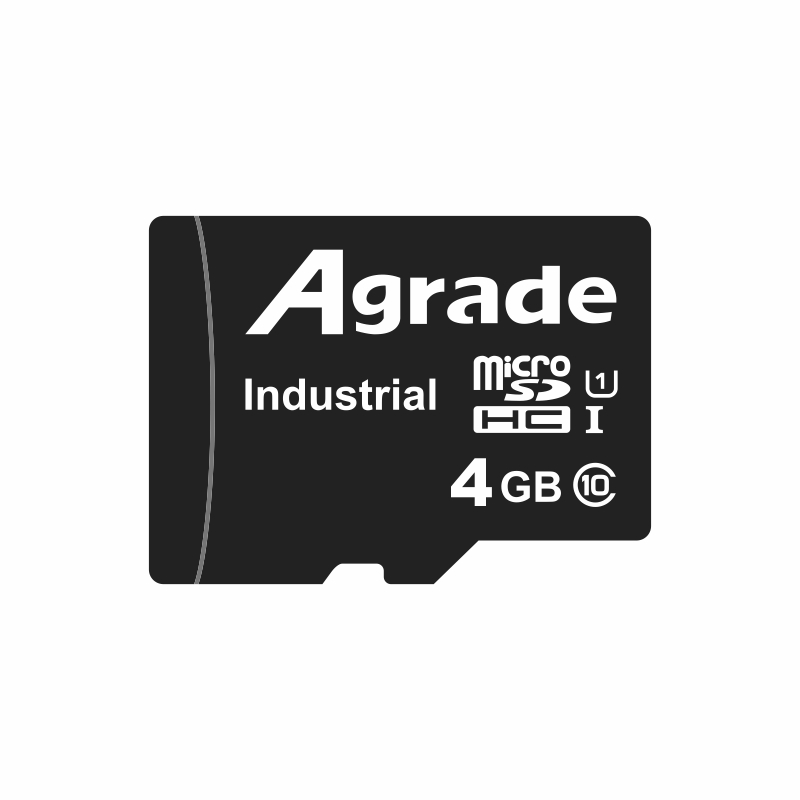
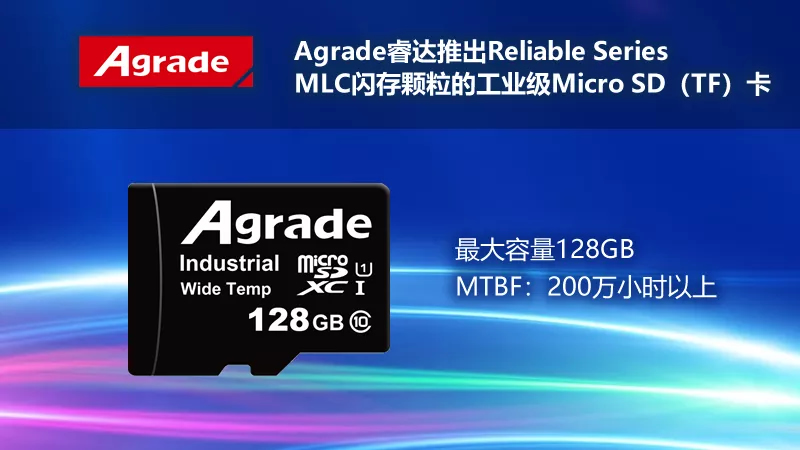
Industrial microSD cards are specialized storage solutions designed to thrive in harsh, high-demand environments where consumer-grade memory cards would fail. Unlike standard microSD cards built for casual use (e.g., storing photos, music, or mobile app data), industrial variants prioritize durability, reliability, and performance to support critical industrial operations. Below is a detailed breakdown of their core applications, standout advantages, and inherent limitations.
Core Applications of Industrial microSD Cards
Industrial microSD cards are integral to numerous sectors that require consistent data storage and transfer in challenging conditions. One of the largest application areas is IoT (Internet of Things) and embedded systems. IoT devices—such as smart sensors, environmental monitors, and connected industrial equipment—often operate in remote or unregulated spaces (e.g., oil rigs, agricultural fields, or urban infrastructure). These devices generate continuous data streams, and industrial microSD cards provide the ruggedness to withstand temperature fluctuations (-40°C to 85°C), humidity, and dust while supporting 24/7 read/write cycles.
Another key application is factory automation and robotics. Automated production lines, robotic arms, and CNC machines rely on real-time data logging to maintain precision and efficiency. Industrial microSD cards endure mechanical stressors like shock (up to 15,000g) and vibration, which are common in factory settings, while delivering fast data transfer speeds to avoid operational lag. They also support the high endurance needed for non-stop manufacturing processes.
Transportation and automotive systems also heavily use industrial microSD cards. In vehicles (including electric cars, commercial trucks, and public transit), these cards store navigation data, telematics information, and sensor readings for safety systems (e.g., collision avoidance). They withstand extreme temperatures inside engines or dashboards and resist electromagnetic interference (EMI) from vehicle electronics. Similarly, in aerospace applications, they are used in in-flight data recorders and avionics systems where reliability is mission-critical.
Other applications include surveillance and security systems (especially outdoor or industrial cameras that operate in harsh weather and require continuous video recording), medical devices (such as portable diagnostic tools and patient monitors that demand data integrity and sterility-compatible designs), and energy sector equipment (like solar inverters and wind turbine controllers that store performance data in remote, weather-exposed locations).
Advantages of Industrial microSD Cards
The primary advantage of industrial microSD cards is their rugged durability. Built with reinforced casings, solid-state NAND flash memory, and advanced protective technologies, they resist physical damage from shock, vibration, and impact—far beyond the capabilities of consumer cards. Their wide operating temperature range (-40°C to 85°C, and some models up to 105°C) ensures functionality in extreme cold (e.g., arctic industrial sites) or heat (e.g., factory furnaces). Many also feature IP ratings for dust and water resistance, making them suitable for wet or dirty environments.
Another major benefit is high endurance and longevity. Industrial microSD cards use SLC (Single-Level Cell) or MLC (Multi-Level Cell) NAND memory, which offer significantly more program/erase (P/E) cycles than the TLC (Triple-Level Cell) memory in consumer cards. SLC-based industrial cards can endure up to 100,000 P/E cycles, while MLC variants offer 10,000–30,000 cycles—compared to just 3,000–10,000 cycles for TLC consumer cards. They also have higher TBW (Terabytes Written) ratings (often 50–500 TB, vs. 1–10 TB for consumer cards) and MTBF (Mean Time Between Failures) ratings exceeding 1 million hours, ensuring stable performance for years of continuous use.
Industrial microSD cards also excel in data integrity and security. They include advanced error-correcting code (ECC) technology that detects and fixes data errors in real time, reducing the risk of corruption. Many models feature power-loss protection, which safeguards data during unexpected outages by completing pending write operations before shutting down. Additionally, hardware encryption (e.g., AES-256) and write-protect switches prevent unauthorized access or modification, critical for industries handling sensitive data (e.g., manufacturing trade secrets, medical records, or financial transactions).
Finally, their optimized performance meets industrial demands. With UHS-I/UHS-II interfaces and speed classes like U3 (30 MB/s minimum write speed) or V90 (90 MB/s minimum write speed), they support fast data transfer for real-time applications like video surveillance or edge computing. They also offer compatibility with industrial protocols (e.g., SPI mode for embedded systems) and low power consumption, making them ideal for battery-powered IoT devices.
Disadvantages of Industrial microSD Cards
Despite their strengths, industrial microSD cards have notable drawbacks. The most significant is their higher cost. Due to premium materials (e.g., SLC NAND), advanced manufacturing processes, and rigorous testing for industrial standards, they are 3–10 times more expensive than consumer-grade microSD cards of the same storage capacity. For businesses with large-scale deployments (e.g., hundreds of IoT sensors), this cost difference can add up significantly, making them less feasible for budget-constrained projects.
Another limitation is limited storage capacity compared to high-end consumer cards. While industrial microSD cards are available in capacities up to 1 TB, consumer cards now reach 1–2 TB at lower prices. This can be a constraint for applications requiring massive storage (e.g., long-term video surveillance with high-resolution cameras), forcing businesses to either use multiple industrial cards (increasing complexity) or compromise on storage duration.
Industrial microSD cards also have compatibility considerations. Their specialized features (e.g., SPI mode support, power-loss protection) may not be supported by all consumer-grade devices, and some older industrial equipment may have interface limitations (e.g., not supporting UHS-II speeds). This requires careful testing before deployment to ensure compatibility, adding time and effort to the implementation process.
Additionally, their physical size (same as consumer microSD cards, 11x15x1mm) can be a disadvantage in some industrial designs. While their small form factor is an asset for compact IoT devices, it may limit heat dissipation in high-temperature environments. In extreme cases, this can lead to performance throttling if not properly managed with thermal design considerations (e.g., heat sinks or ventilation).
Finally, availability and lead times can be an issue. Industrial microSD cards are produced in lower volumes than consumer cards, and specialized models (e.g., extended temperature range or high endurance) may have longer lead times. This can delay project timelines for businesses that require custom configurations or urgent replacements.

-
Products
Advantages
-
Solutions
-
News
About us
-
Contact us
Tel:+86 19926658803
Whatsapp:+86 19926658803
lianle1210@163.com
Address: 30CF, Caihong Building, Caihong Road, Futian District, Shenzhen City, Guangdong Province, China



Friendly Links:
