






News


 电商部
电商部  2025-12-30 10:51:48
 What is Disk On Module (DOM)? A Comprehensive Guide to Its Features and Benefits
In the realm of solid-state storage solutions, Disk On Module (DOM) has emerged as a reliable and versatile option, especially for industrial and embedded applications. Yet, many tech professionals and enthusiasts still have questions about what exactly a DOM is and how it differs from other storage devices like HDDs, SSDs, or USB drives. This guide aims to demystify Disk On Module, exploring its core components, key features, and the unique benefits that make it indispensable in specific use cases.

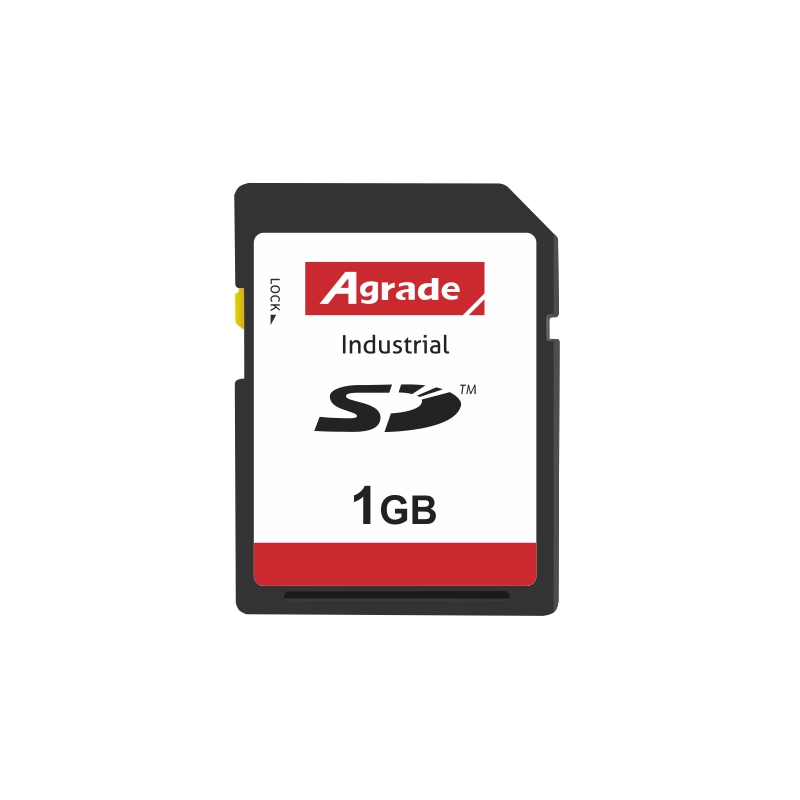
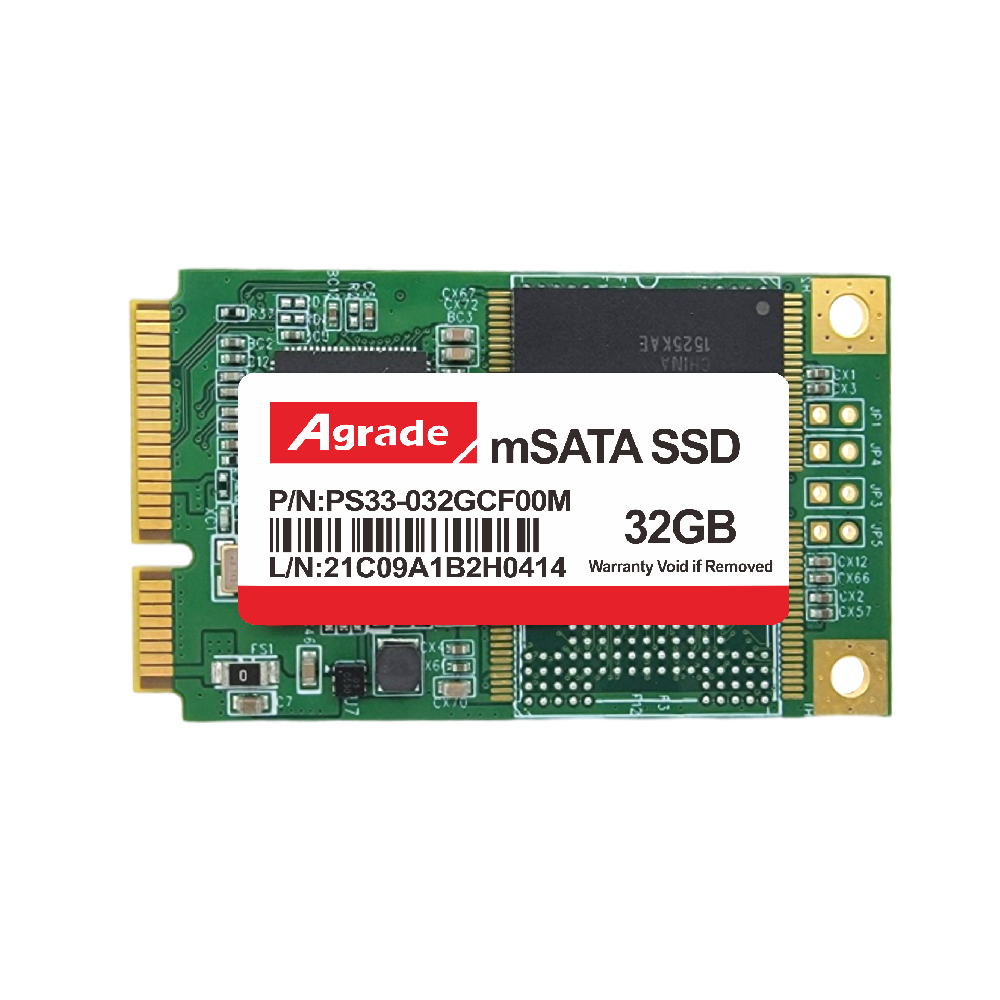
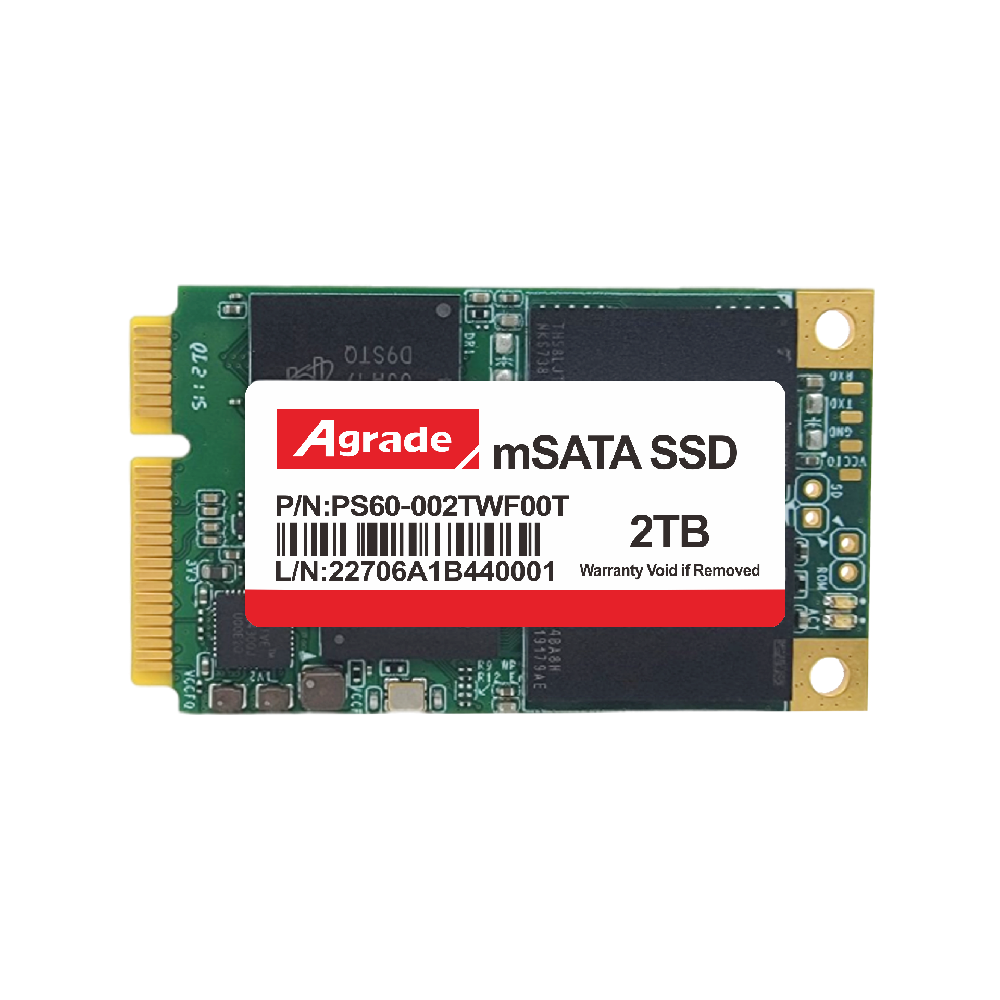
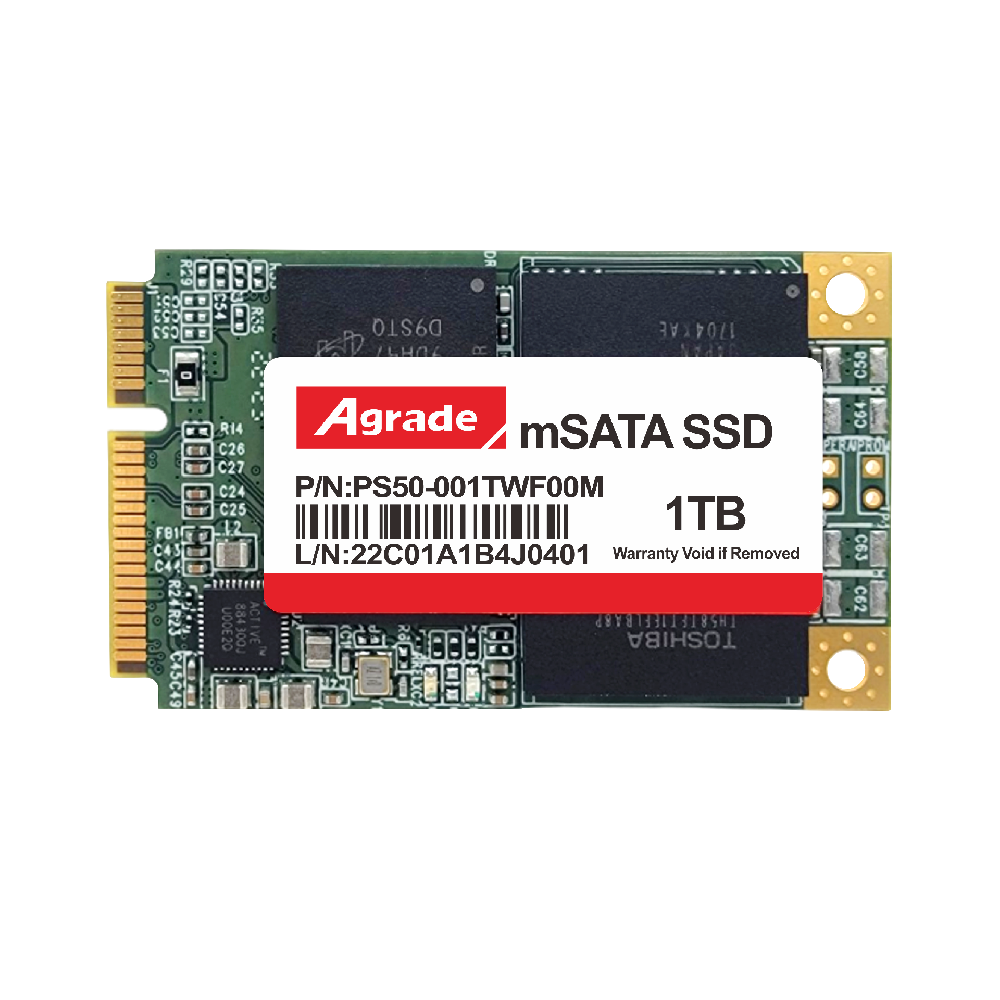
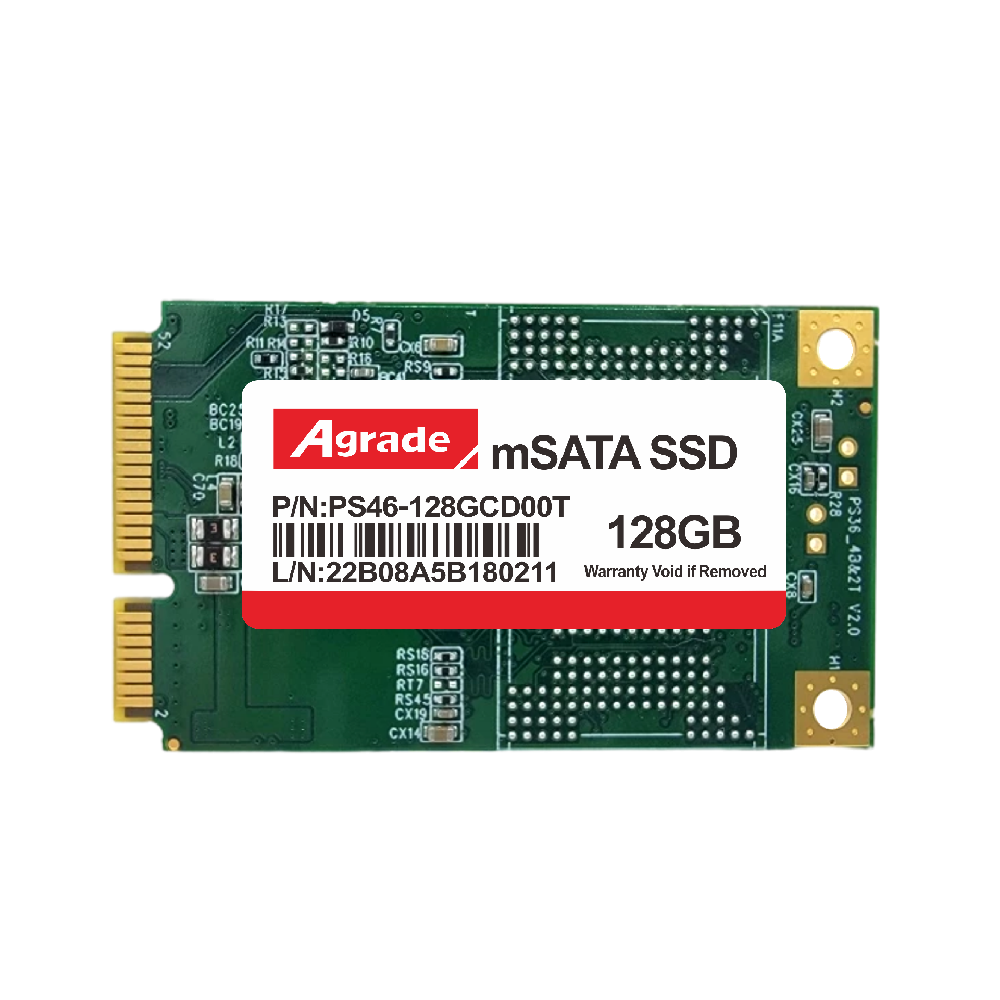
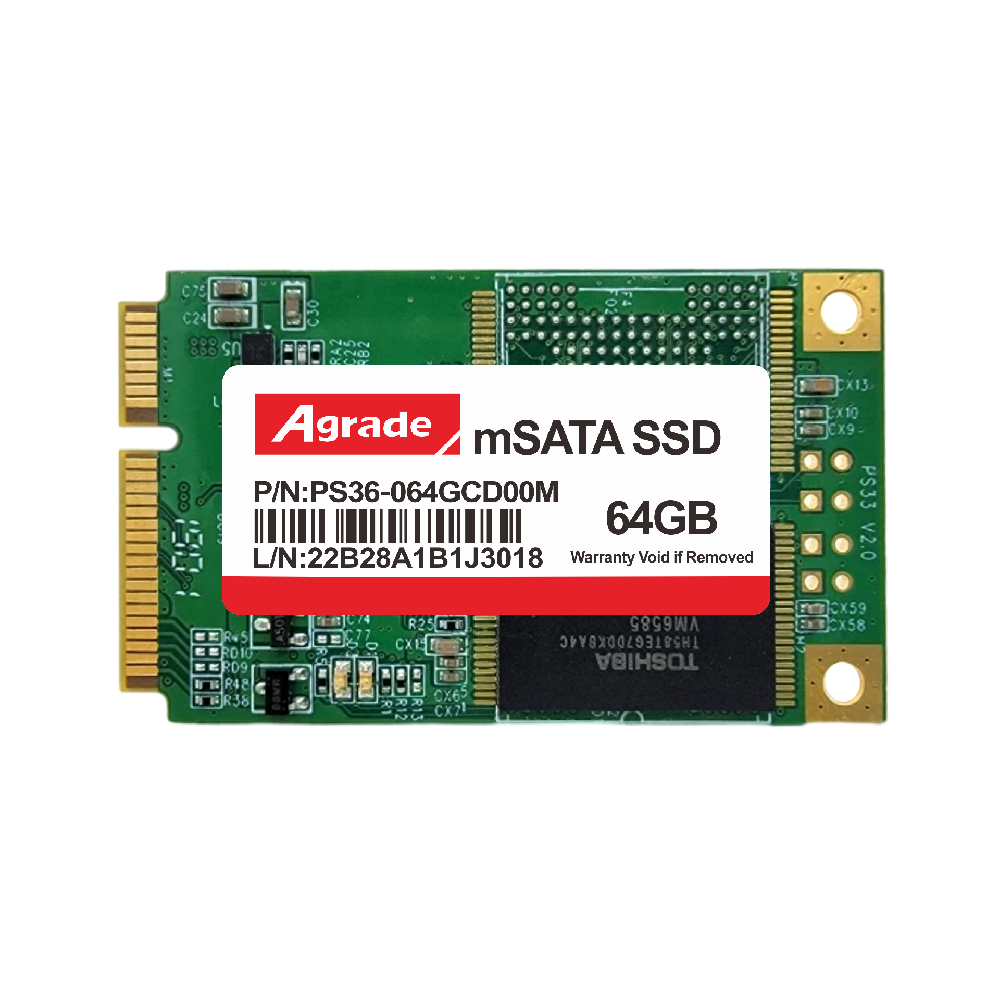
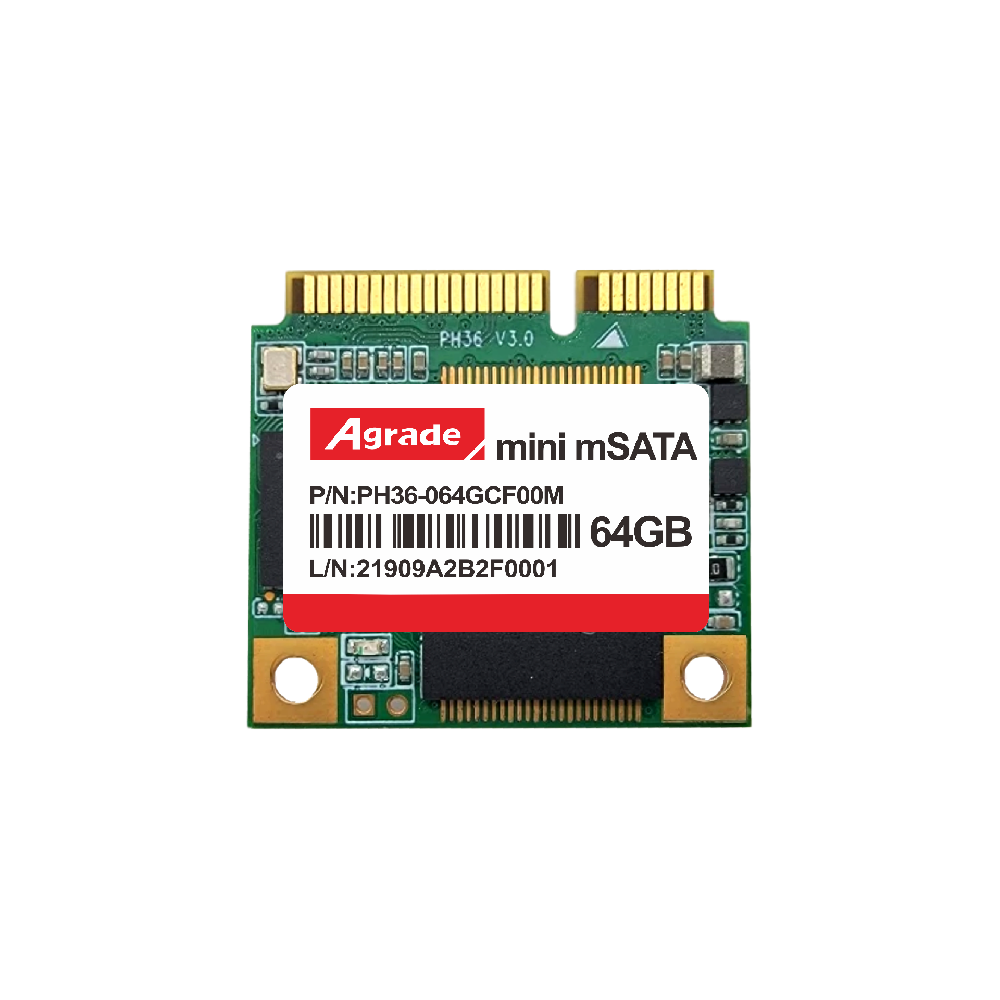
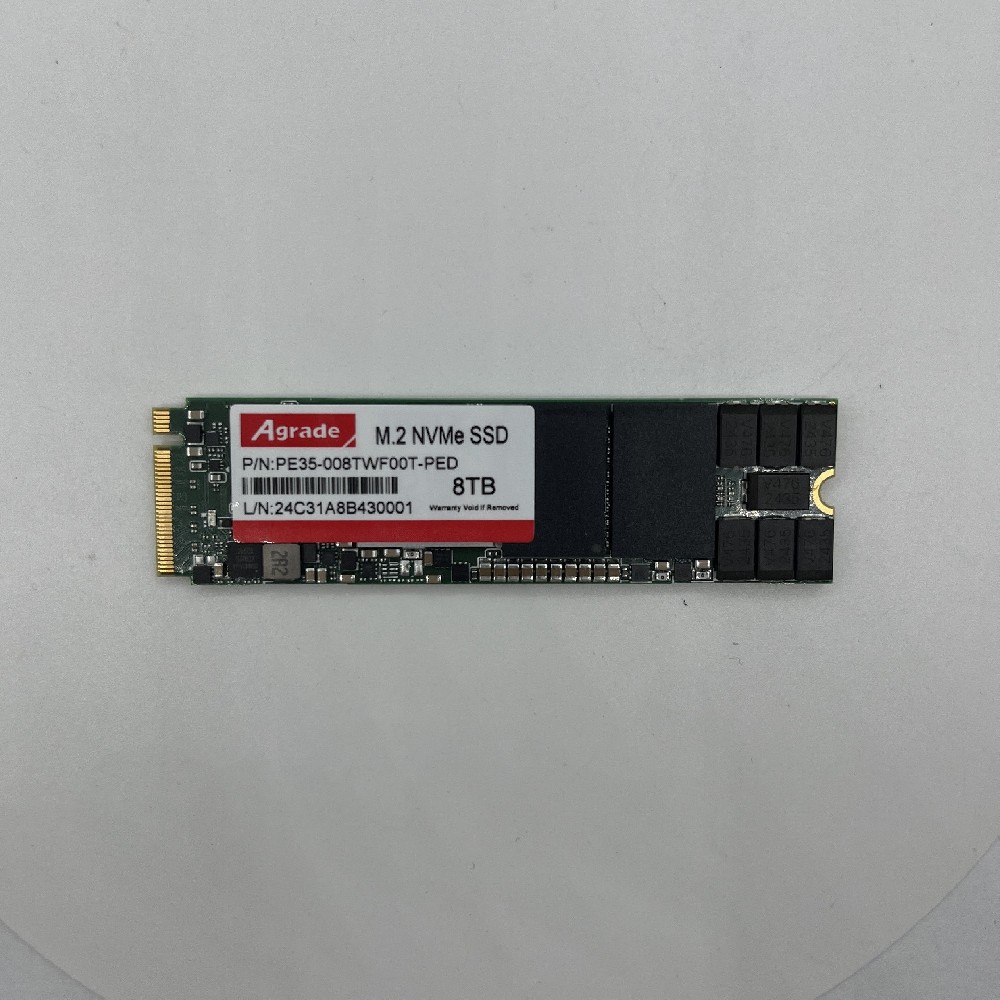
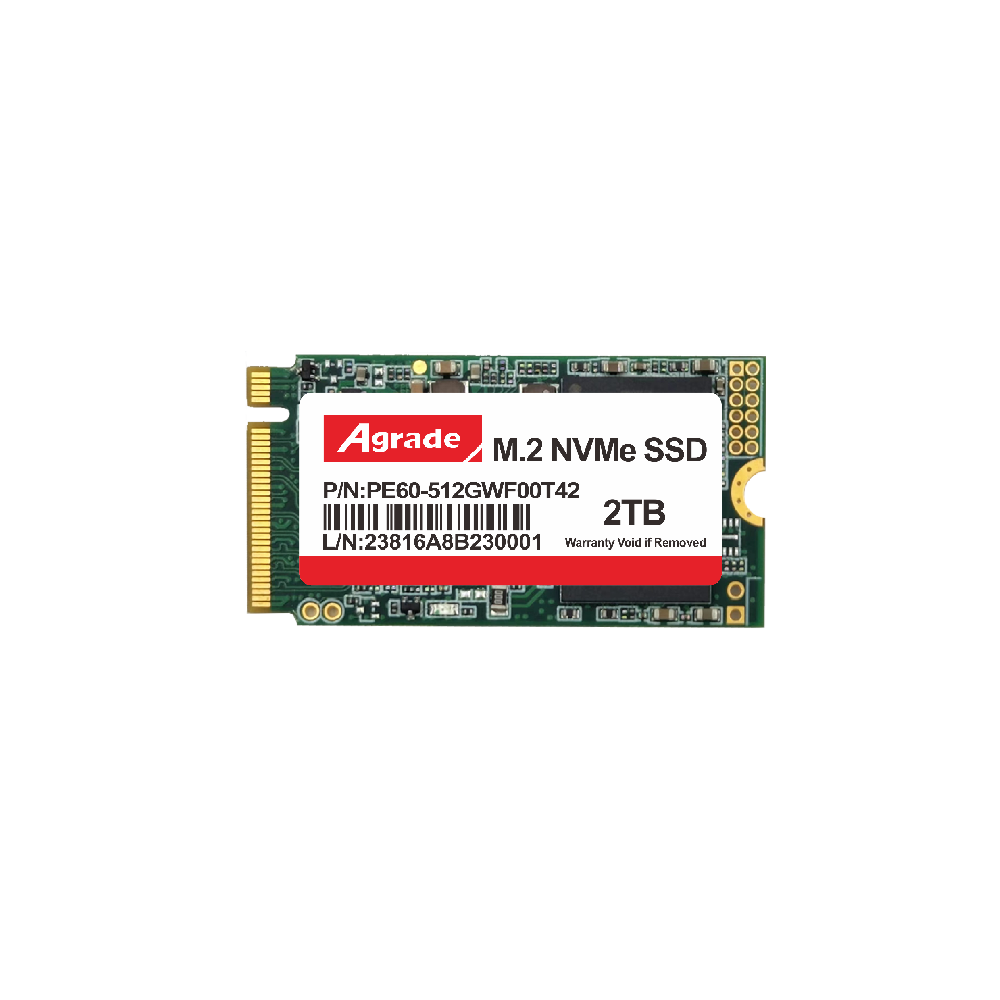
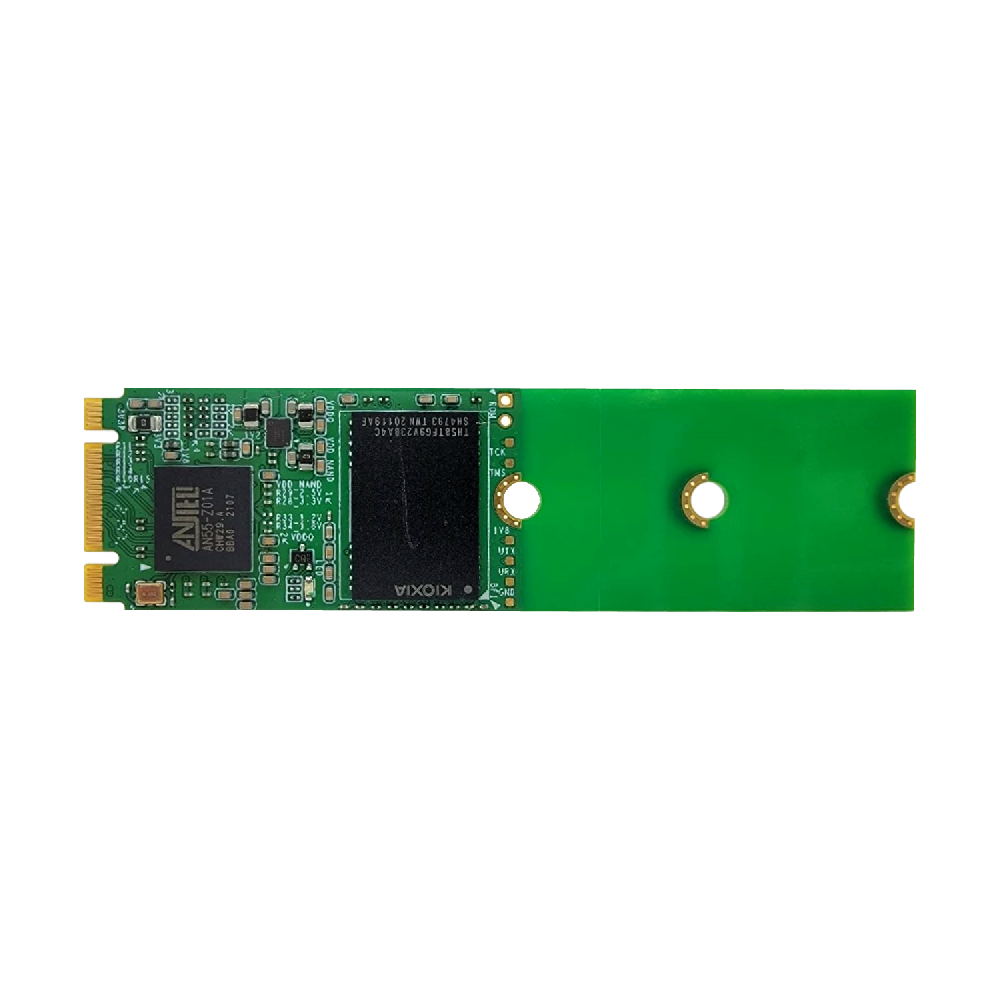
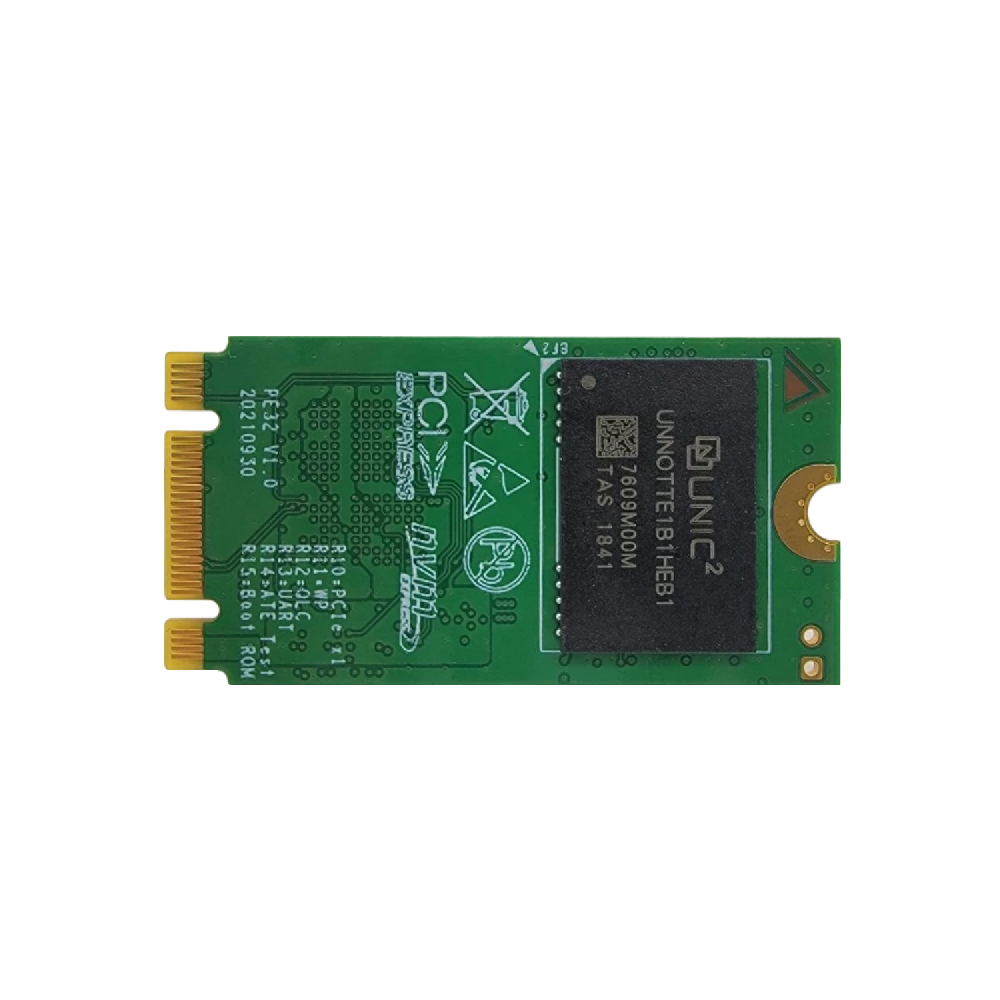
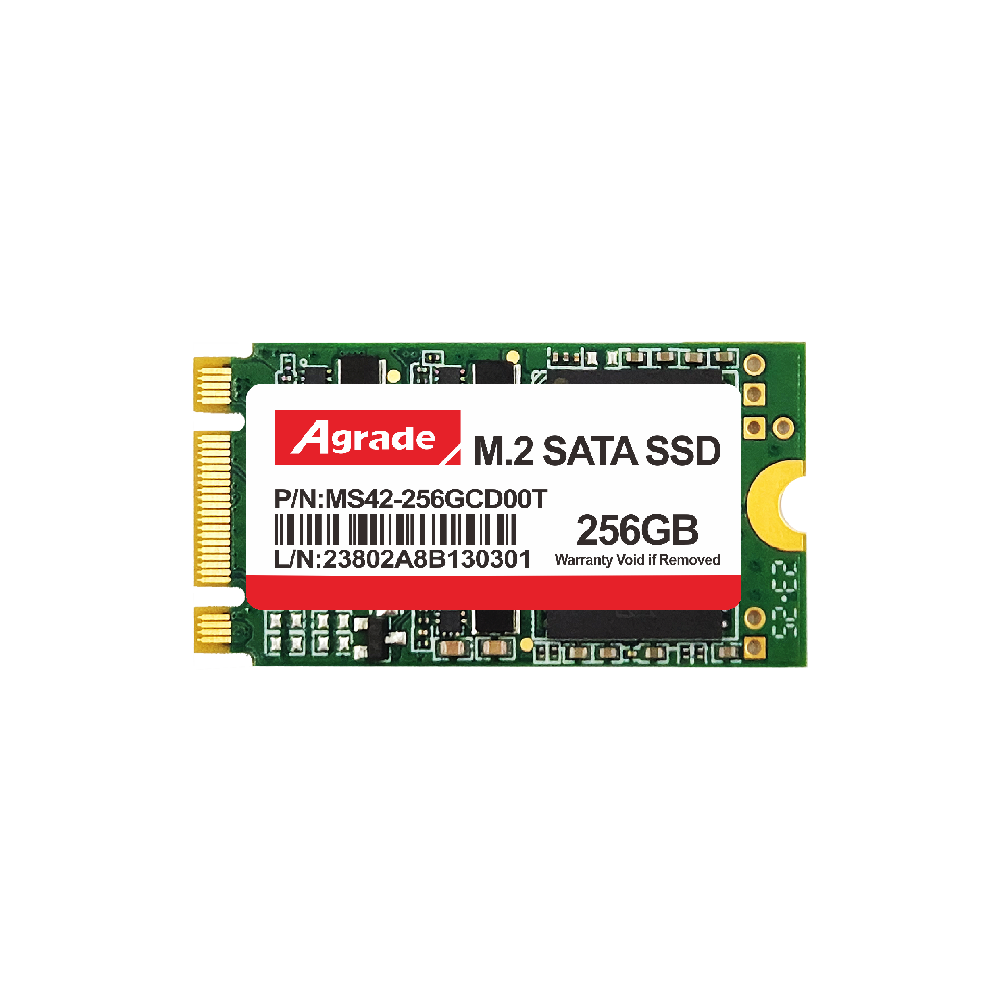
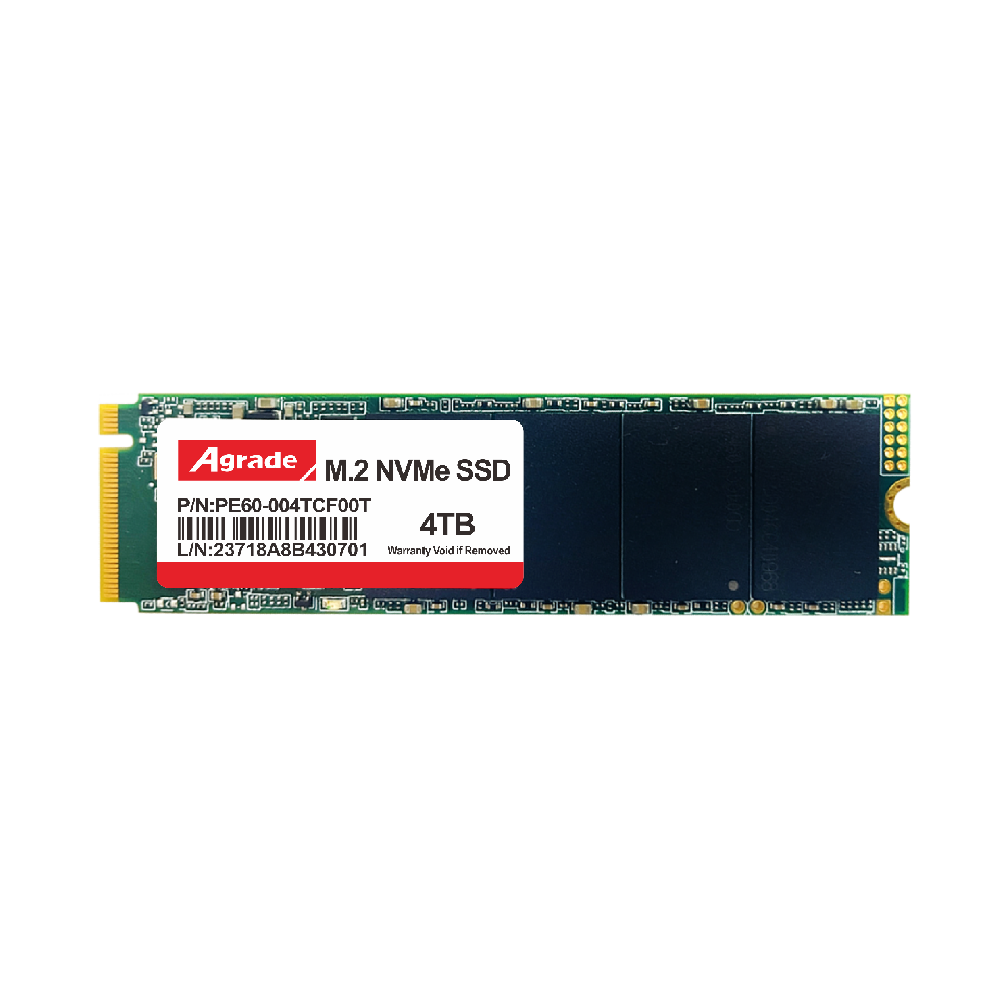
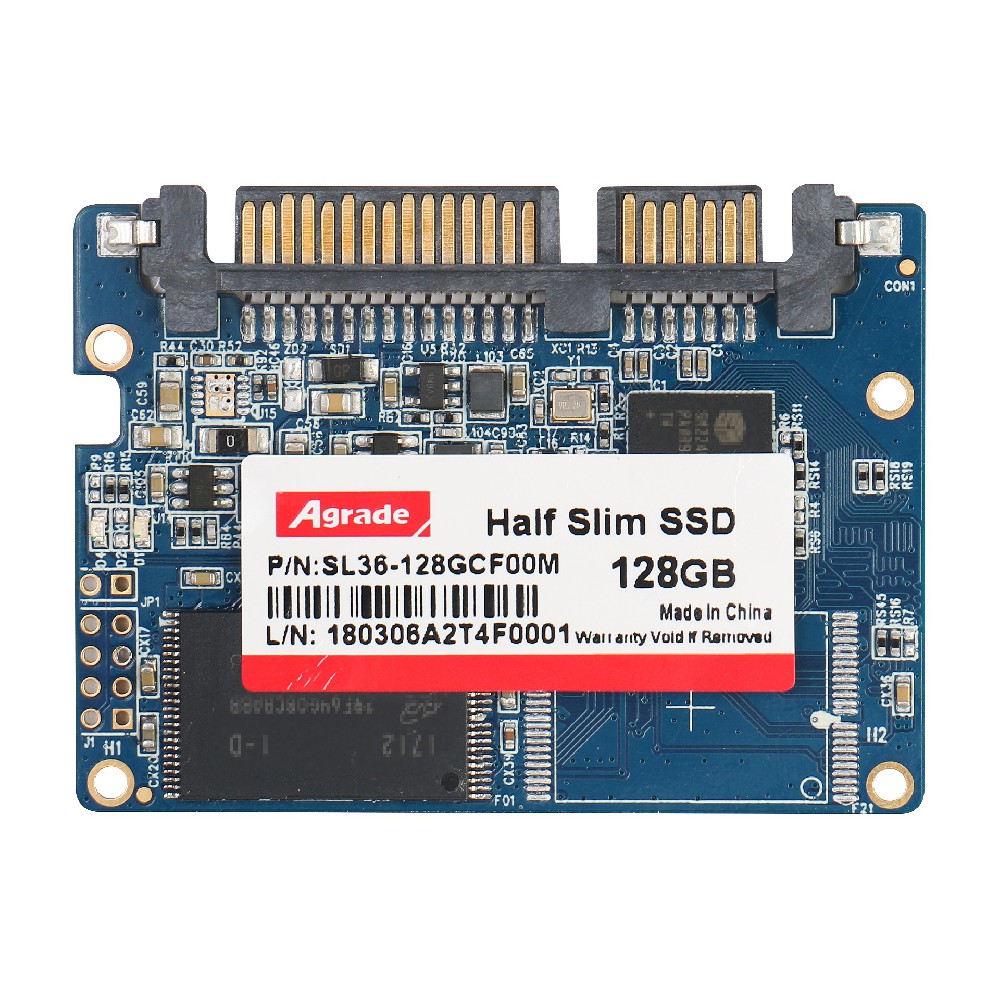
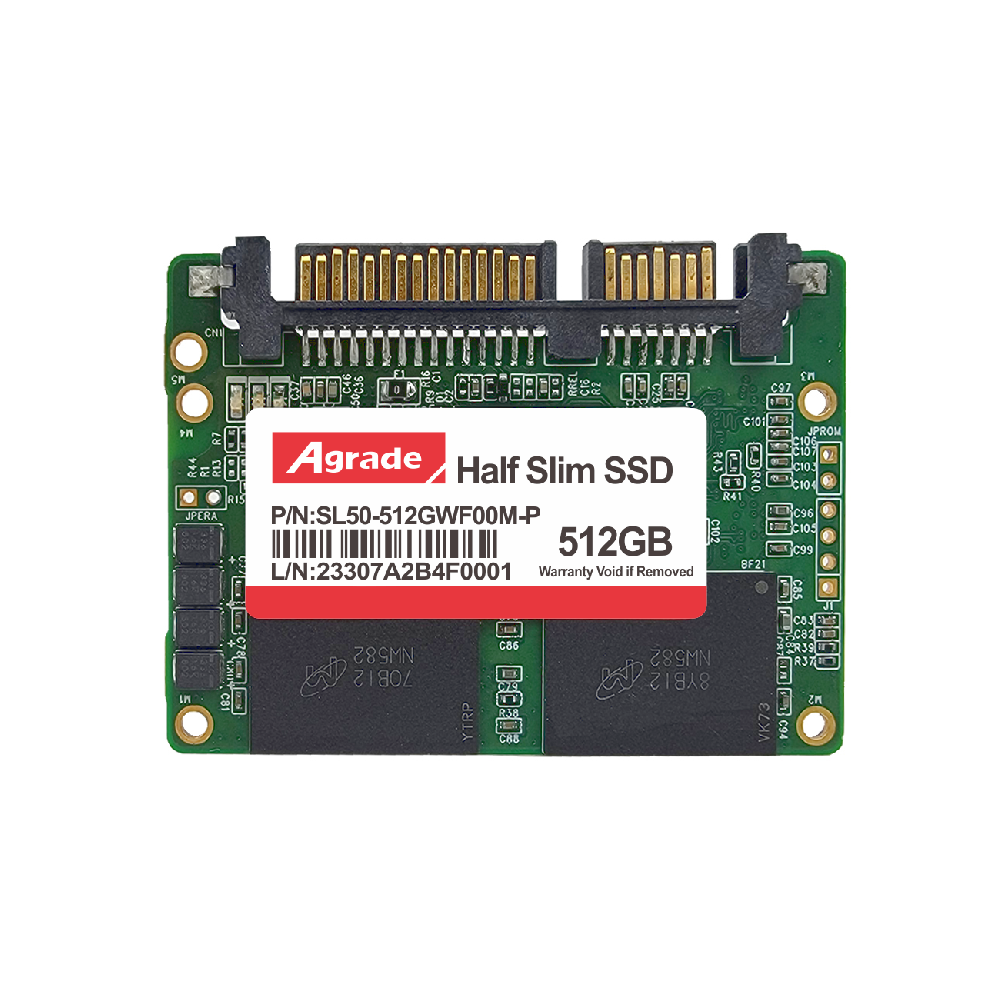
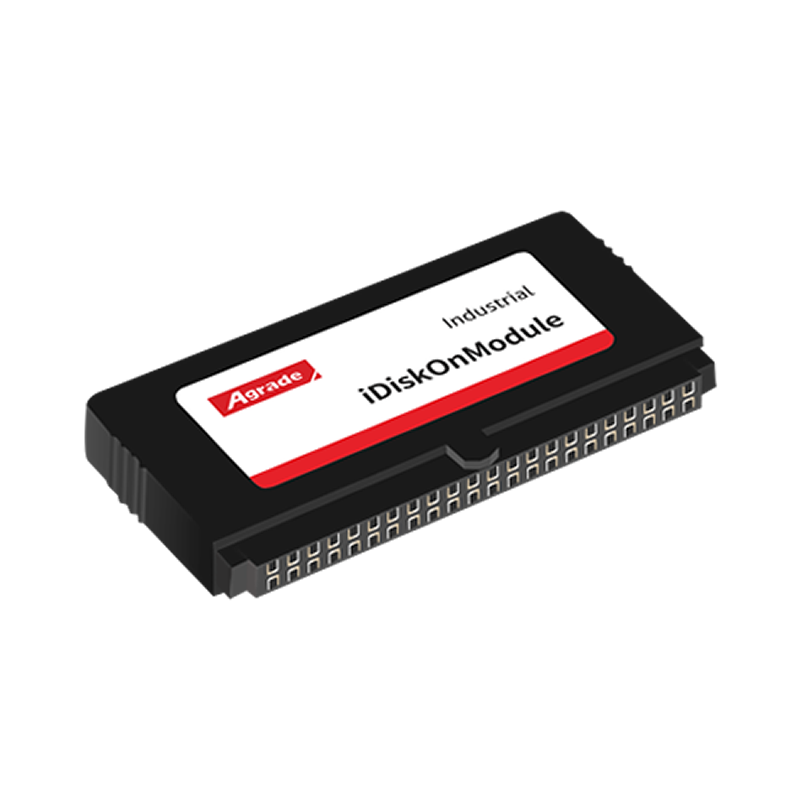
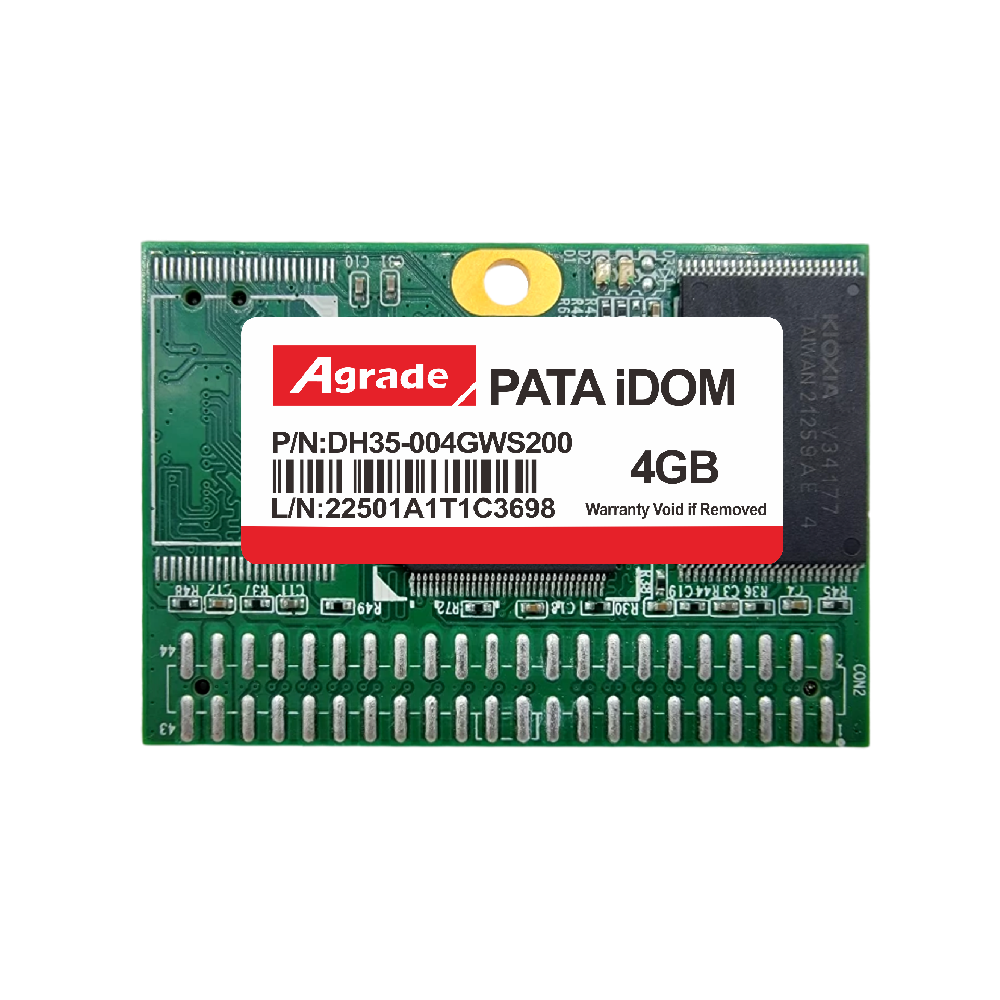
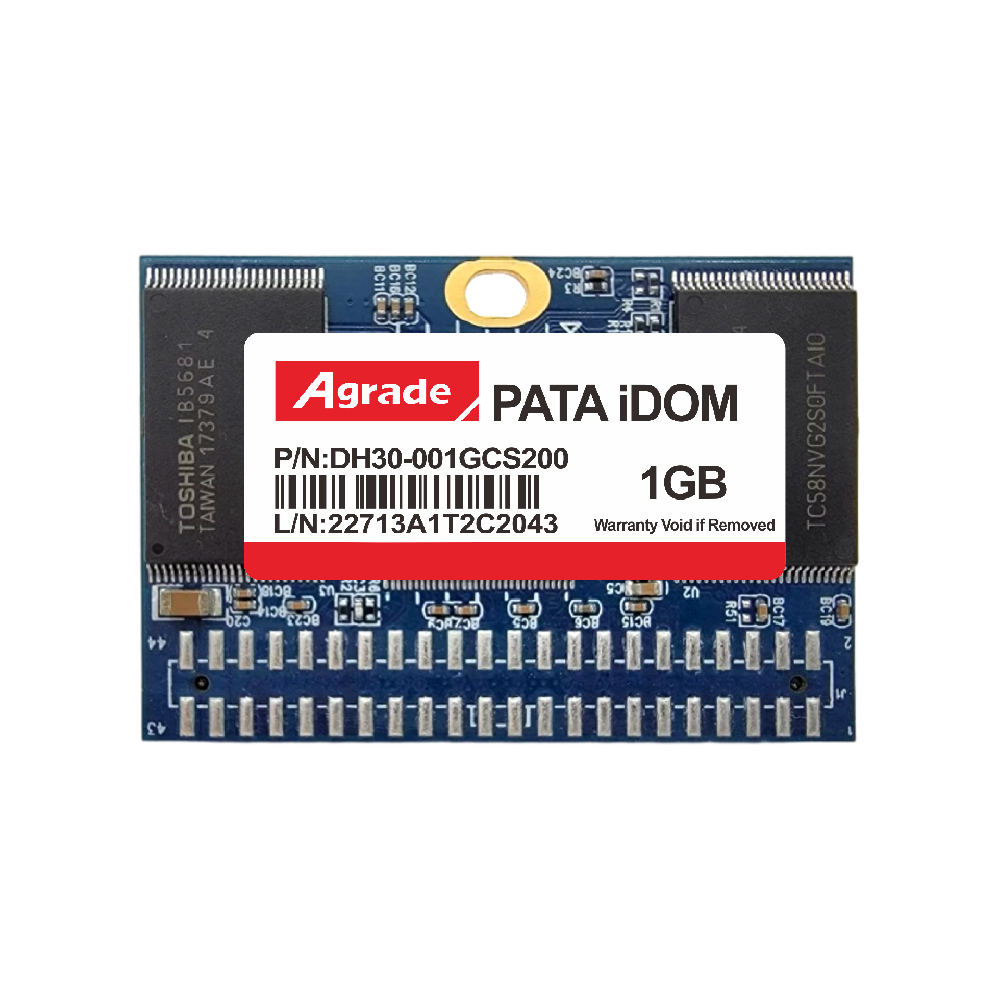
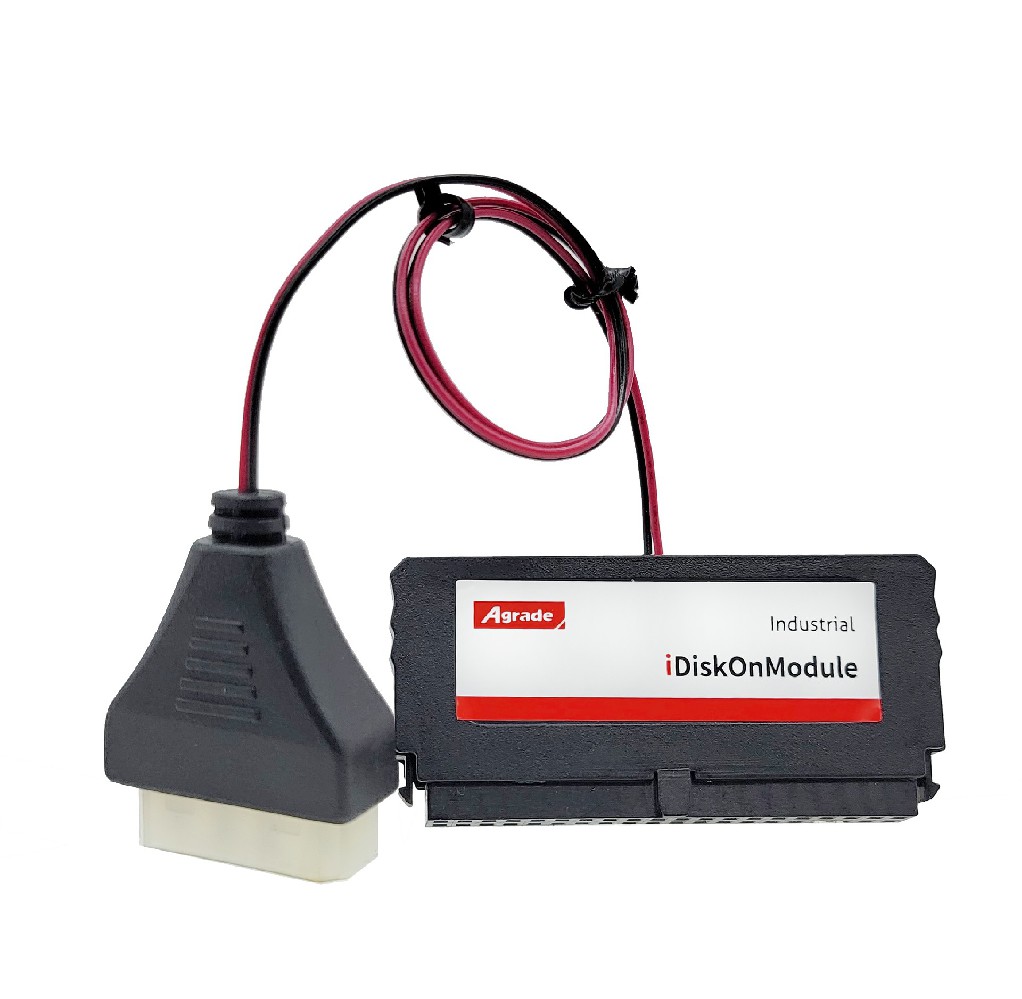
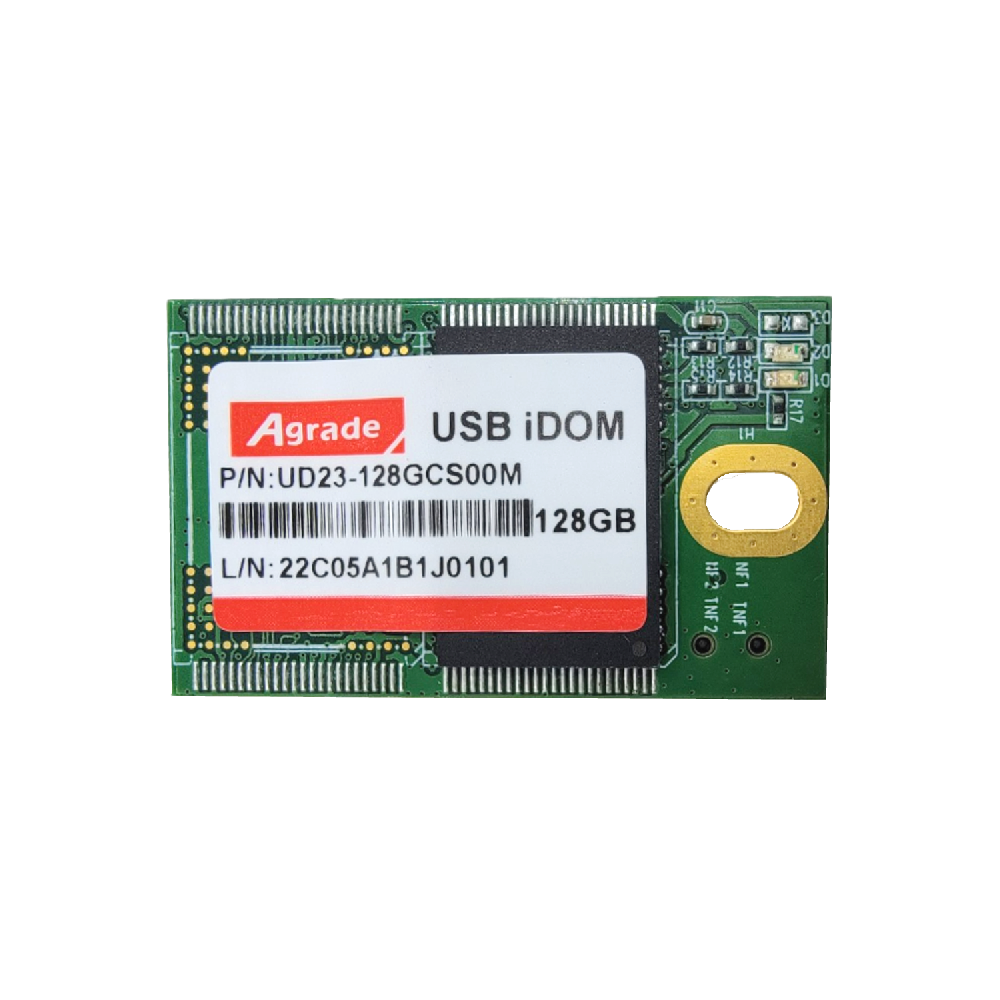
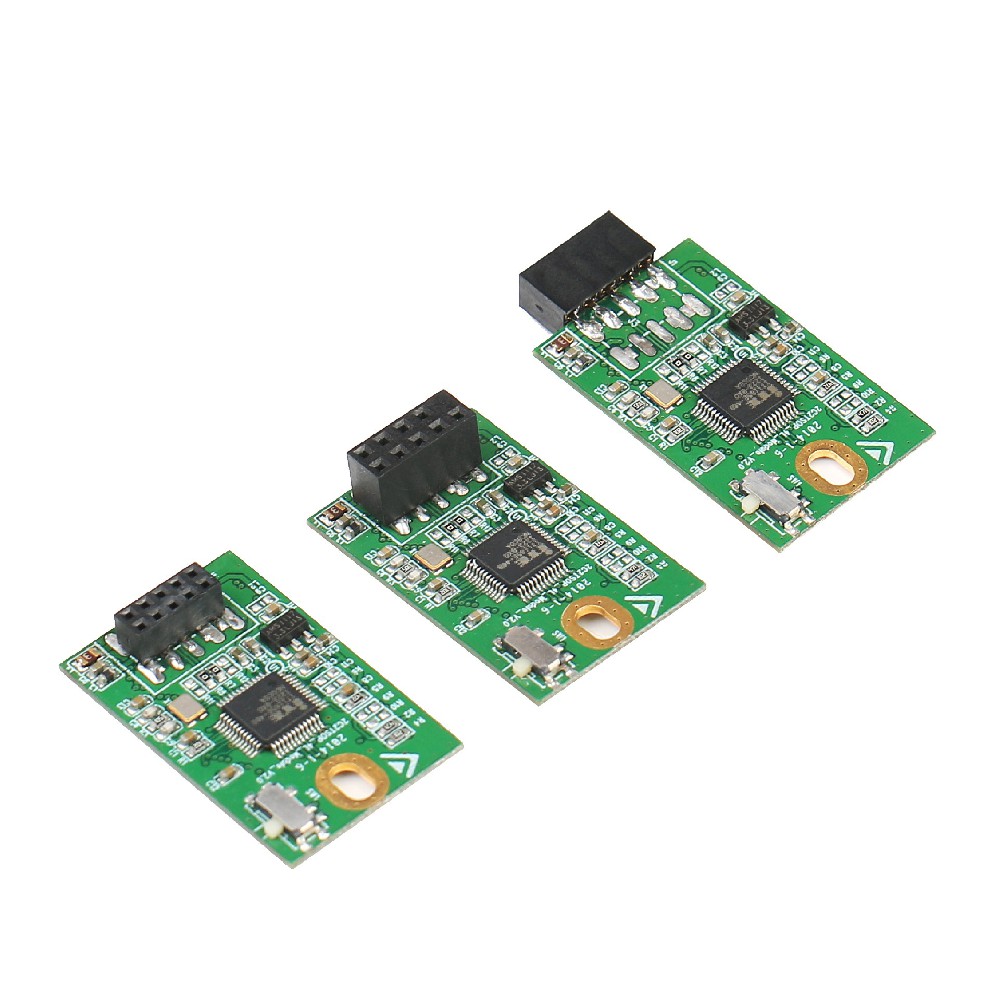
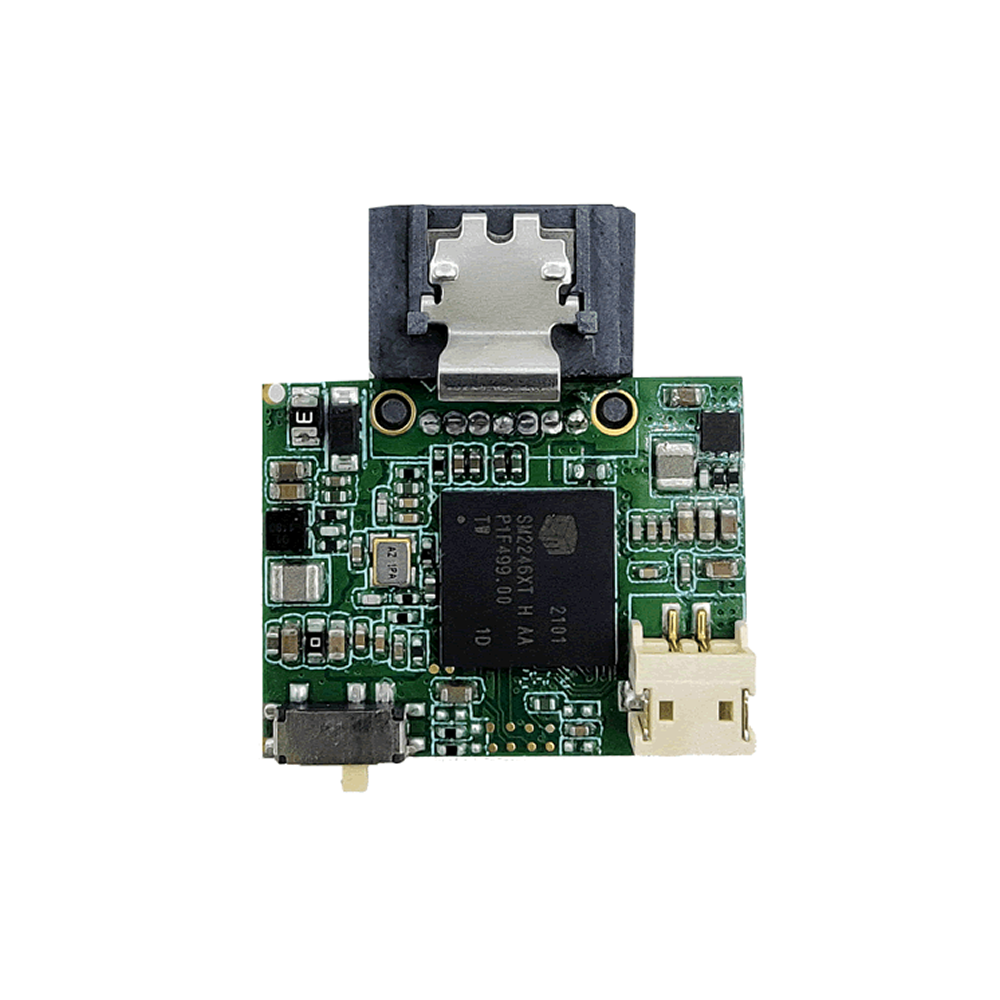
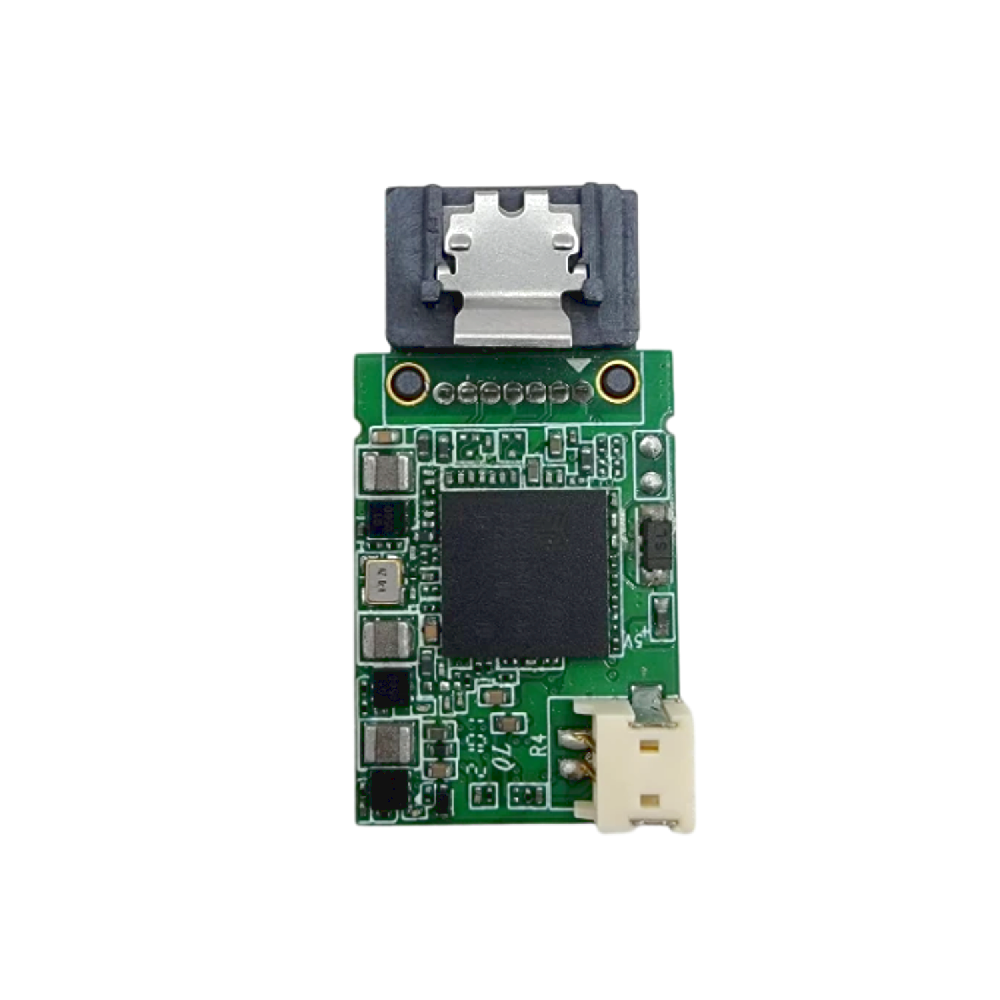
At its core, a Disk On Module is a compact solid-state storage device that integrates NAND flash memory into a modular form factor, designed to connect directly to a motherboard via standard interfaces such as IDE, SATA, or USB. Unlike traditional hard disk drives (HDDs) with spinning platters and moving read/write heads, DOMs have no mechanical parts, which eliminates the risk of mechanical failure—a critical advantage in harsh environments. The basic structure of a DOM includes a printed circuit board (PCB), NAND flash chips, a controller, and interface connectors, all engineered for simplicity and robustness.
One of the most notable features of Disk On Module is its compact size. Measuring significantly smaller than standard 2.5-inch SSDs or 3.5-inch HDDs, DOMs are ideal for space-constrained applications such as embedded systems, thin clients, and industrial control units. Another key feature is low power consumption, with typical operating power as low as 30mA and standby power under 100uA, making them suitable for battery-powered or low-energy embedded devices. Additionally, DOMs offer excellent durability, withstanding vibrations up to 15G (operational) and shocks up to 1000G, along with wide temperature ranges—industrial-grade models can operate from -40°C to 85°C.
The benefits of using Disk On Module extend beyond its physical attributes. Data reliability is a standout advantage, thanks to built-in features like error correction code (ECC) that can correct up to 4-bit errors or more, wear-leveling technology to extend lifespan, and data write protection to prevent accidental modification. DOMs also support long-term data retention, with the ability to store data securely for over 10 years without power. For industrial and commercial users, these features translate to reduced maintenance costs, minimized downtime, and enhanced system stability—factors that directly impact operational efficiency and profitability.

-
Products
Advantages
-
Solutions
-
News
About us
-
Contact us
Tel:+86 19926658803
Whatsapp:+86 19926658803
lianle1210@163.com
Address: 30CF, Caihong Building, Caihong Road, Futian District, Shenzhen City, Guangdong Province, China



Friendly Links:
