




News


 电商部
电商部  2025-12-30 10:55:33
 How to Choose the Right Disk On Module for Industrial Applications
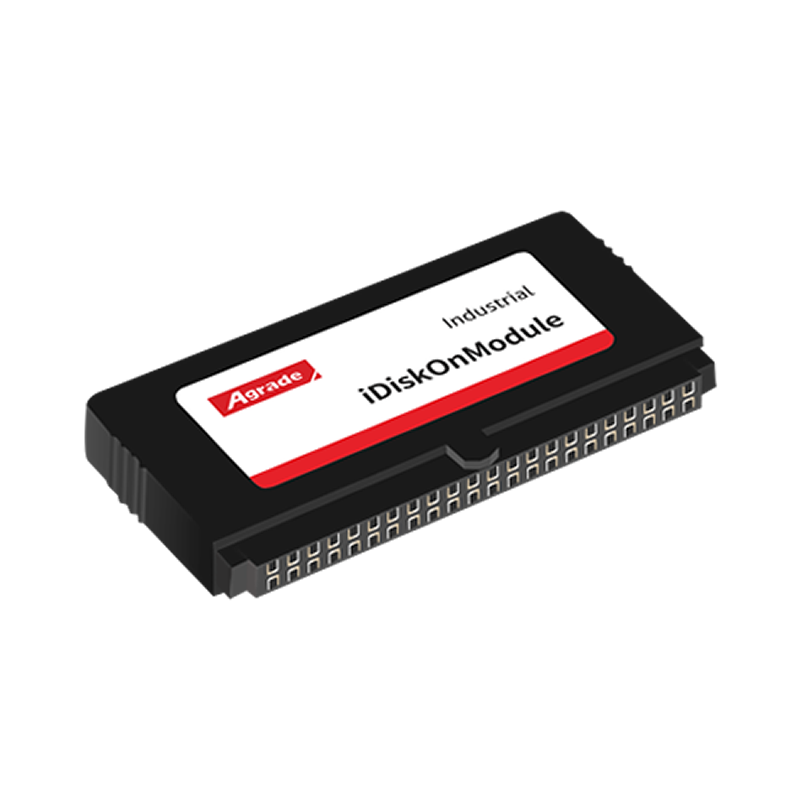
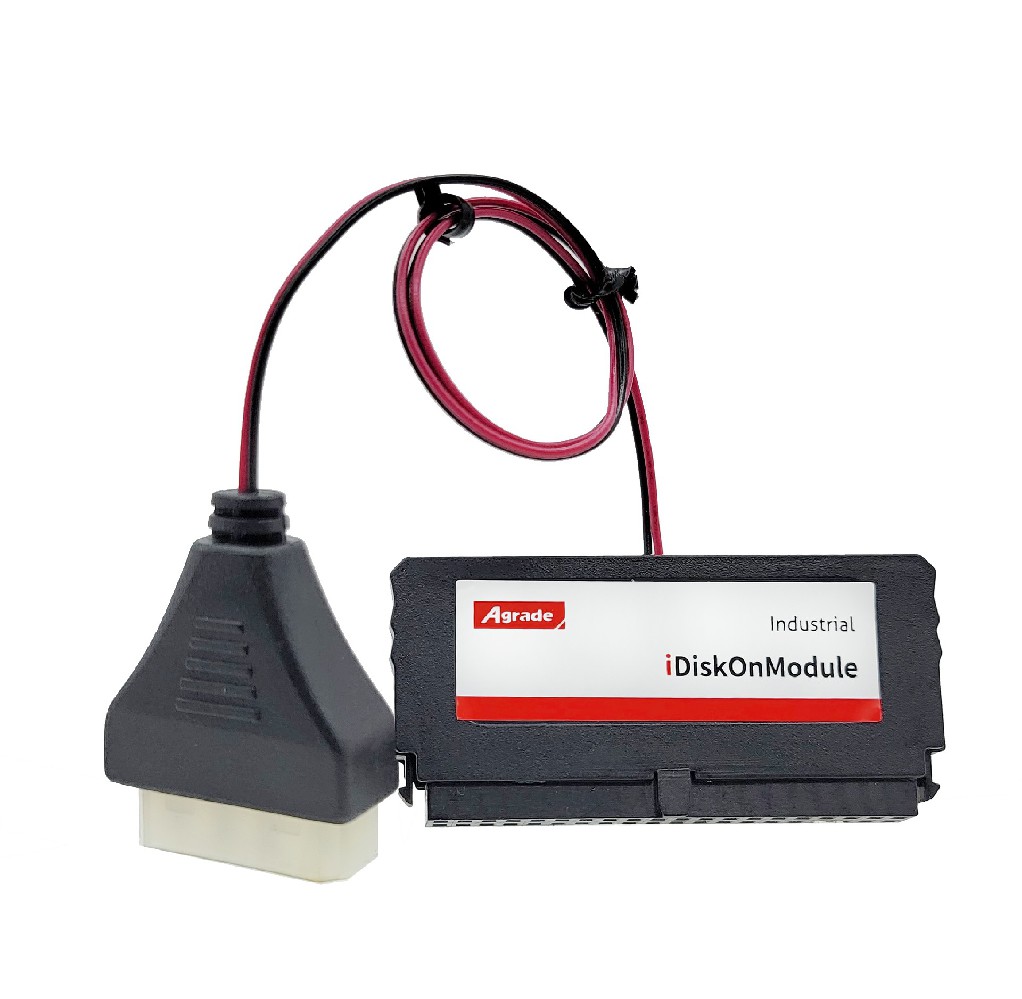
Industrial applications present unique challenges for storage devices, including extreme temperatures, vibrations, shocks, and the need for 24/7 reliability. Disk On Module (DOM) is a popular choice for these environments, but selecting the right DOM requires careful consideration of several key factors. From environmental resilience to performance specifications and compatibility, this guide outlines the critical criteria to help you choose the perfect DOM for your industrial application.

First and foremost, environmental compatibility is non-negotiable for industrial DOMs. Industrial environments often expose devices to wide temperature fluctuations, so it’s essential to select a DOM with a suitable operating temperature range. Civilian-grade DOMs typically operate from 0°C to 70°C, but industrial-grade models can withstand -40°C to 85°C, and military-grade options even extend to -55°C to 95°C. Additionally, consider the DOM’s vibration and shock resistance—look for models that can handle at least 15G of continuous vibration and 1000G of shock to ensure stability in manufacturing plants, construction sites, or transportation systems.
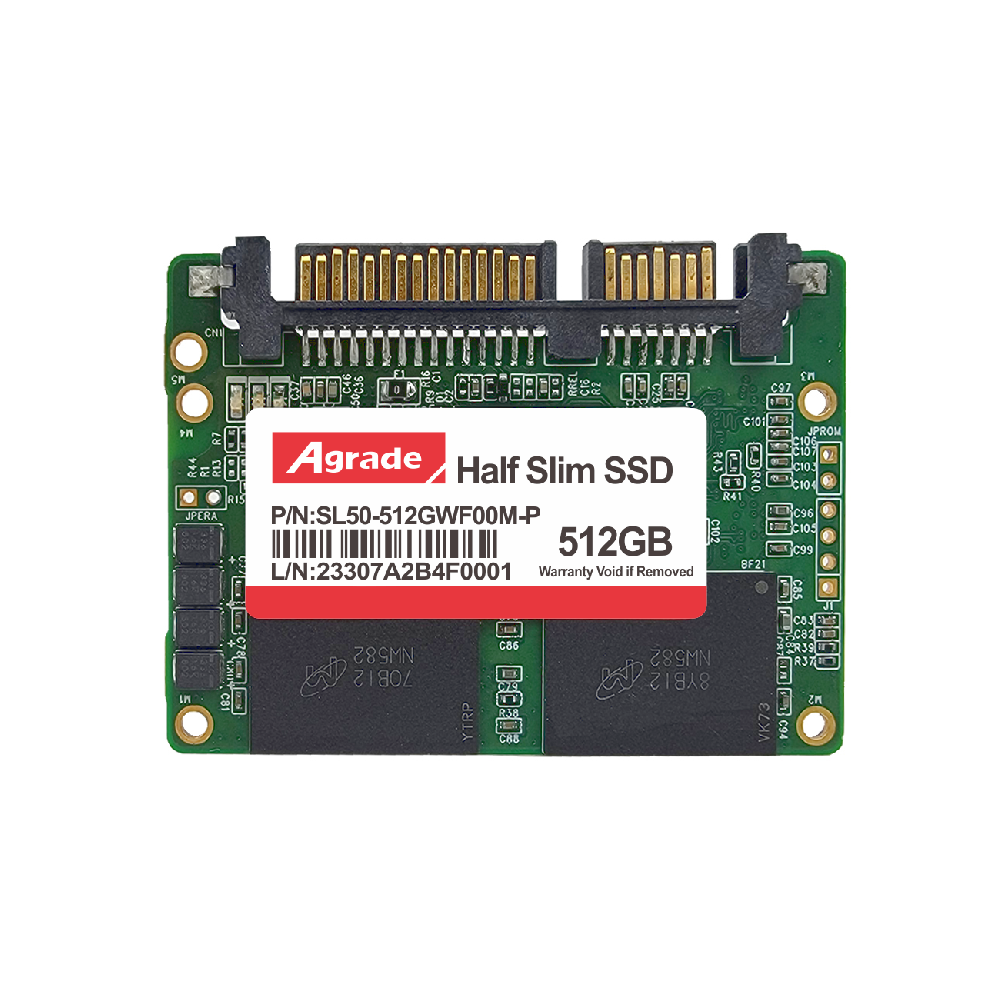
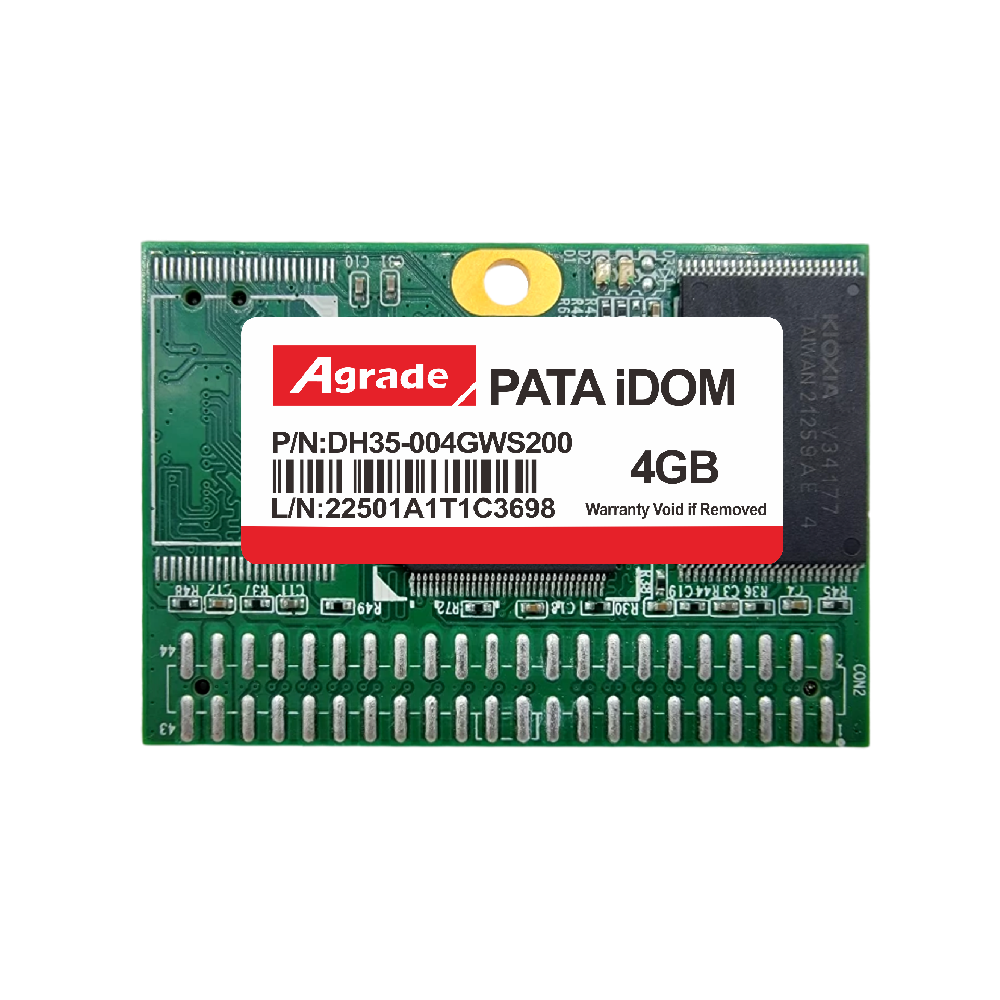
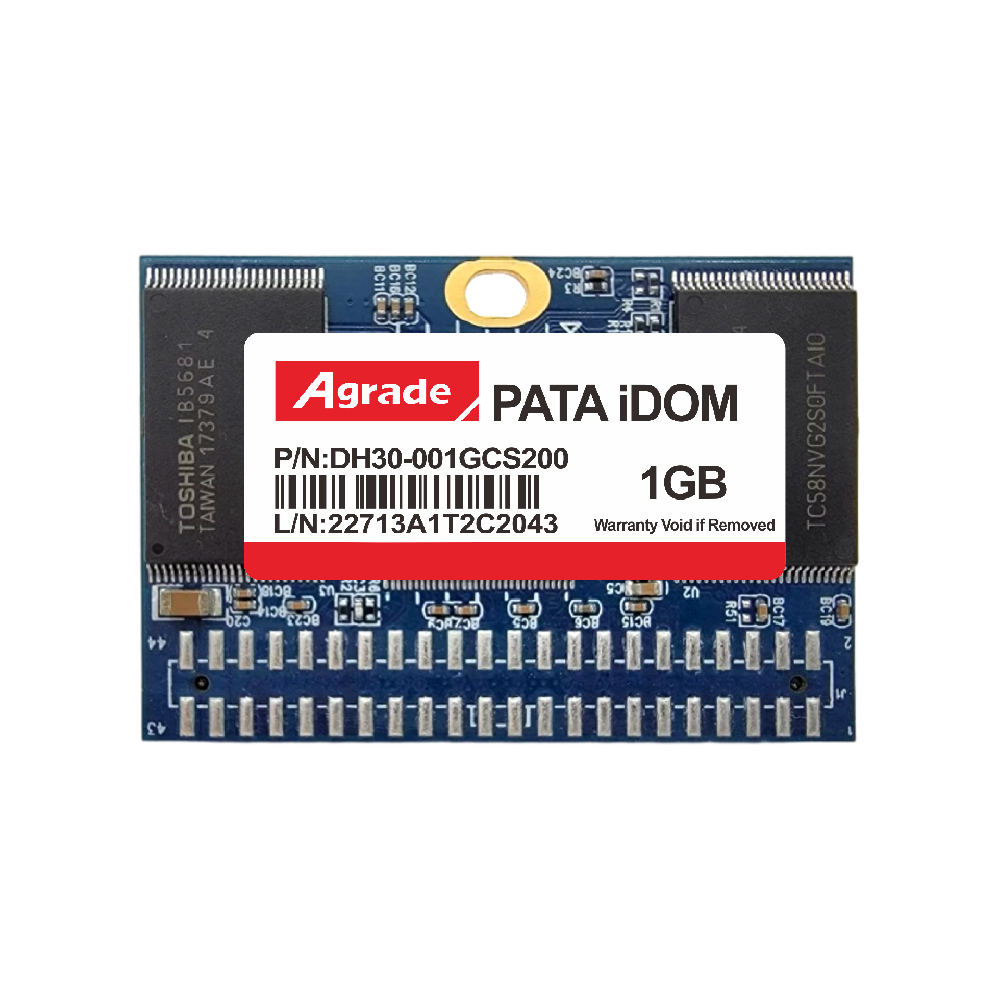
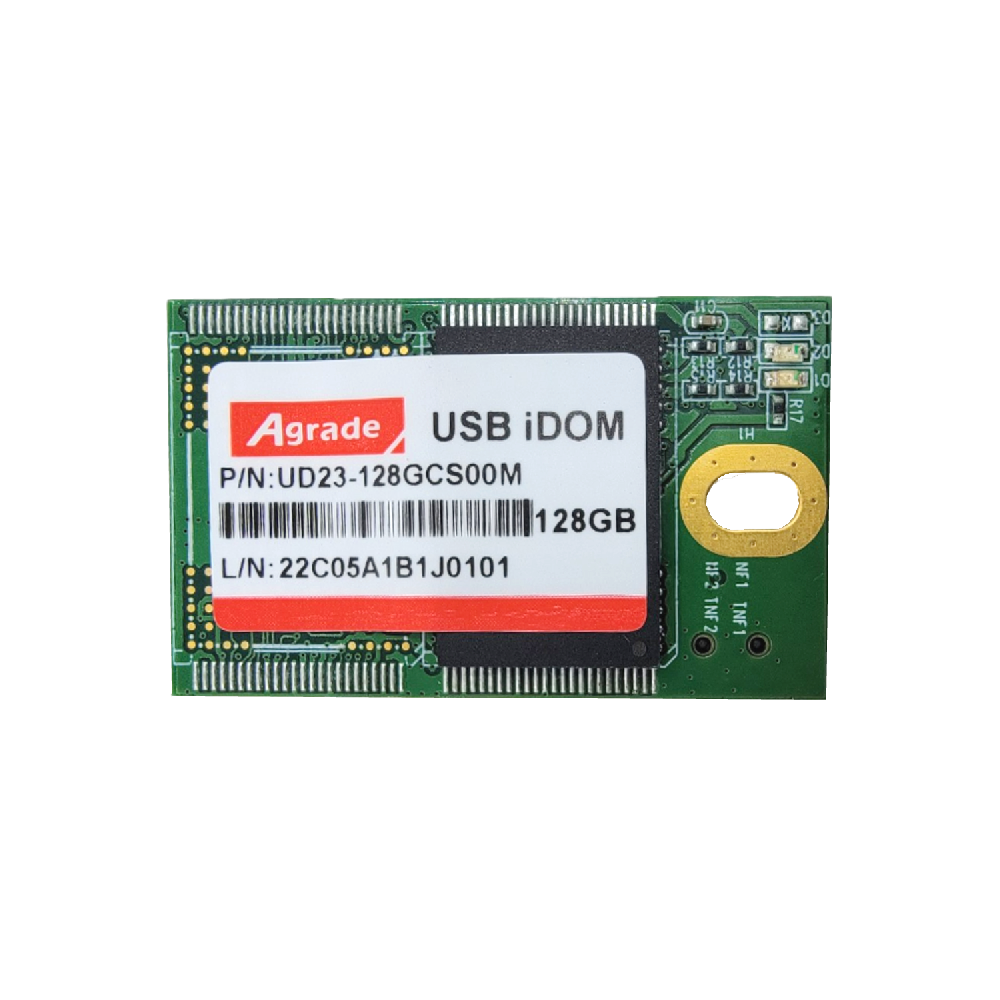
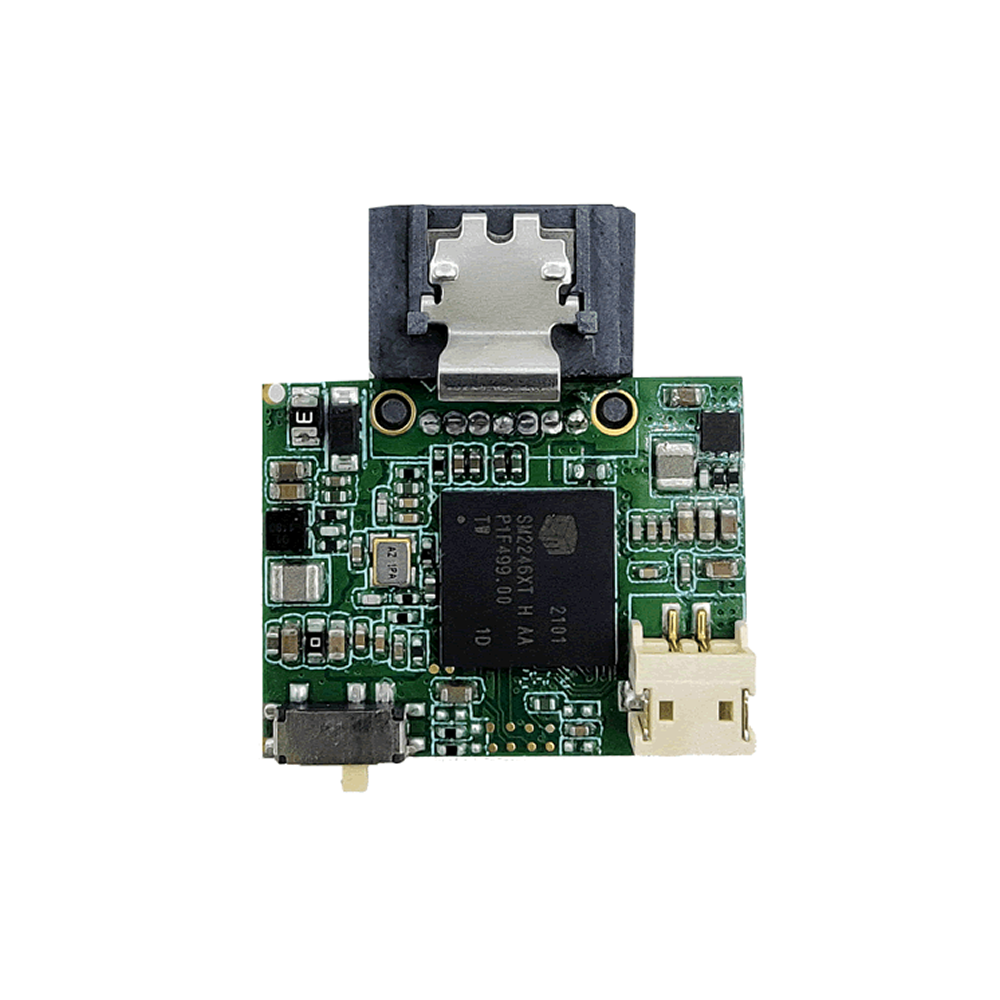
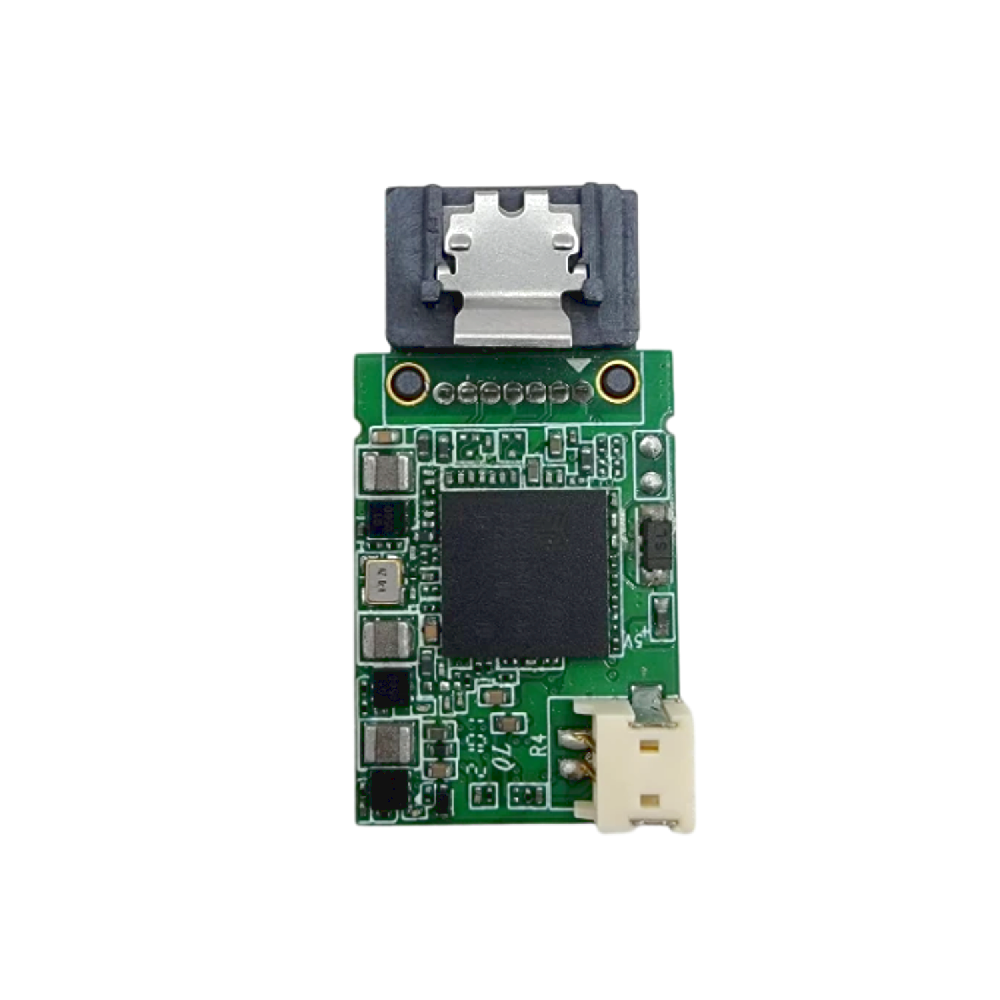
Performance specifications are another critical factor. Industrial applications like real-time data logging, machine control, and automation require consistent read/write speeds. SATA DOMs are generally recommended for high-performance industrial systems, as they offer faster data transfer rates than IDE models. Look for DOMs with a minimum read speed of 60MB/s and write speed of 25MB/s, though higher speeds may be necessary for data-intensive applications. Also, consider the DOM’s storage capacity—industrial applications often require anywhere from 4GB to 128GB, depending on the size of the operating system and the amount of data being stored.
Reliability and durability features should also top your list. Industrial DOMs should include built-in error correction code (ECC) to fix data errors, wear-leveling technology to distribute write operations evenly across the flash memory (extending lifespan), and power failure management to protect data during unexpected outages. Data retention is another key consideration—ensure the DOM can store data securely for at least 10 years without power, which is critical for applications where data integrity is paramount. Finally, check compatibility with your industrial system’s operating system (e.g., Linux, VxWorks, Windows Embedded) and interface (IDE or SATA) to avoid integration issues.

-
Products
Advantages
-
Solutions
-
News
About us
-
Contact us
Tel:+86 19926658803
Whatsapp:+86 19926658803
lianle1210@163.com
Address: 30CF, Caihong Building, Caihong Road, Futian District, Shenzhen City, Guangdong Province, China



Friendly Links:
