





































News


 电商部
电商部  2026-03-05 16:47:12
 Wide Temperature M.2 NVMe vs. SATA: Which Protocol Should You Choose?
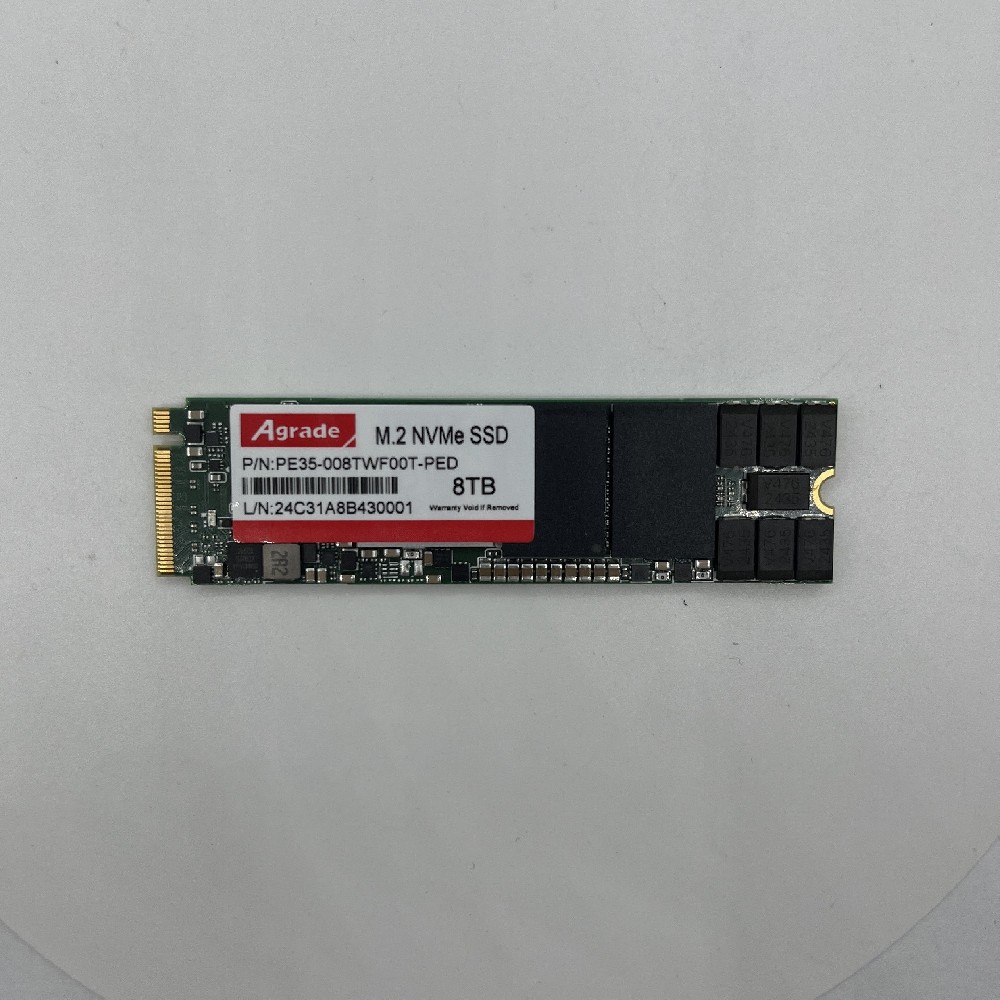
When choosing wide temperature M.2 storage, the protocol is a critical decision. The two main options are NVMe and SATA, each with unique strengths for different industrial scenarios.
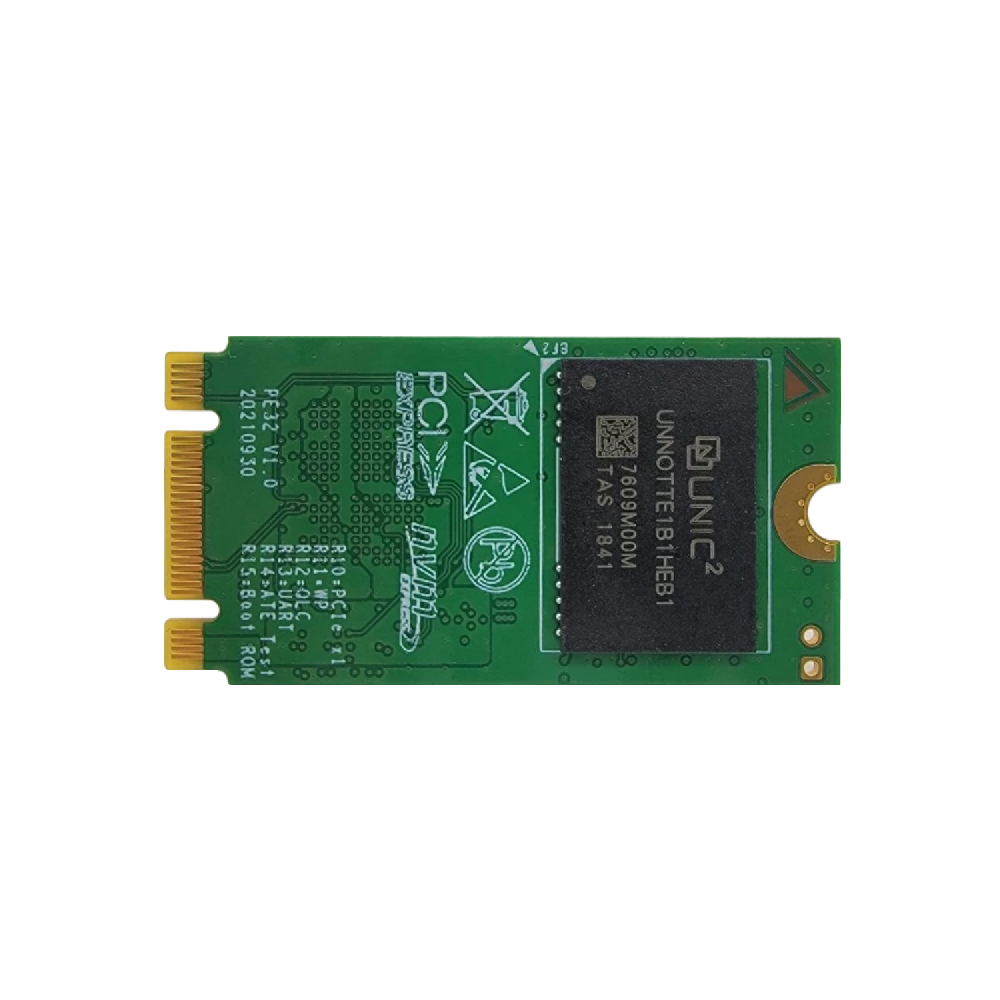
Wide temperature M.2 NVMe uses PCIe channels, delivering extremely high read and write speeds. It is ideal for applications requiring fast data processing, such as AI edge computing, 4K/8K video storage, and high-speed data loggers. NVMe SSDs excel at random read/write performance, making system operations smoother.
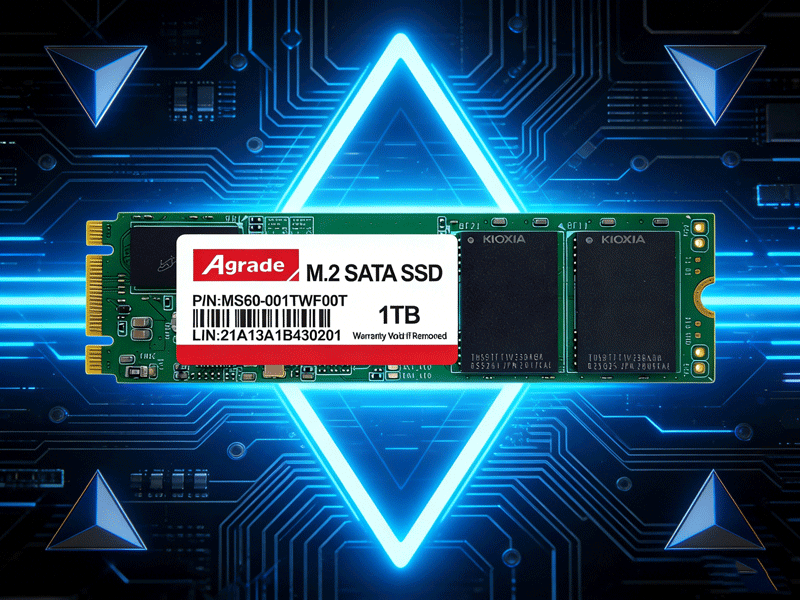
However, NVMe generates more heat and requires better thermal design. It is also more expensive. For high-performance embedded systems and industrial computers, NVMe is often the best choice.
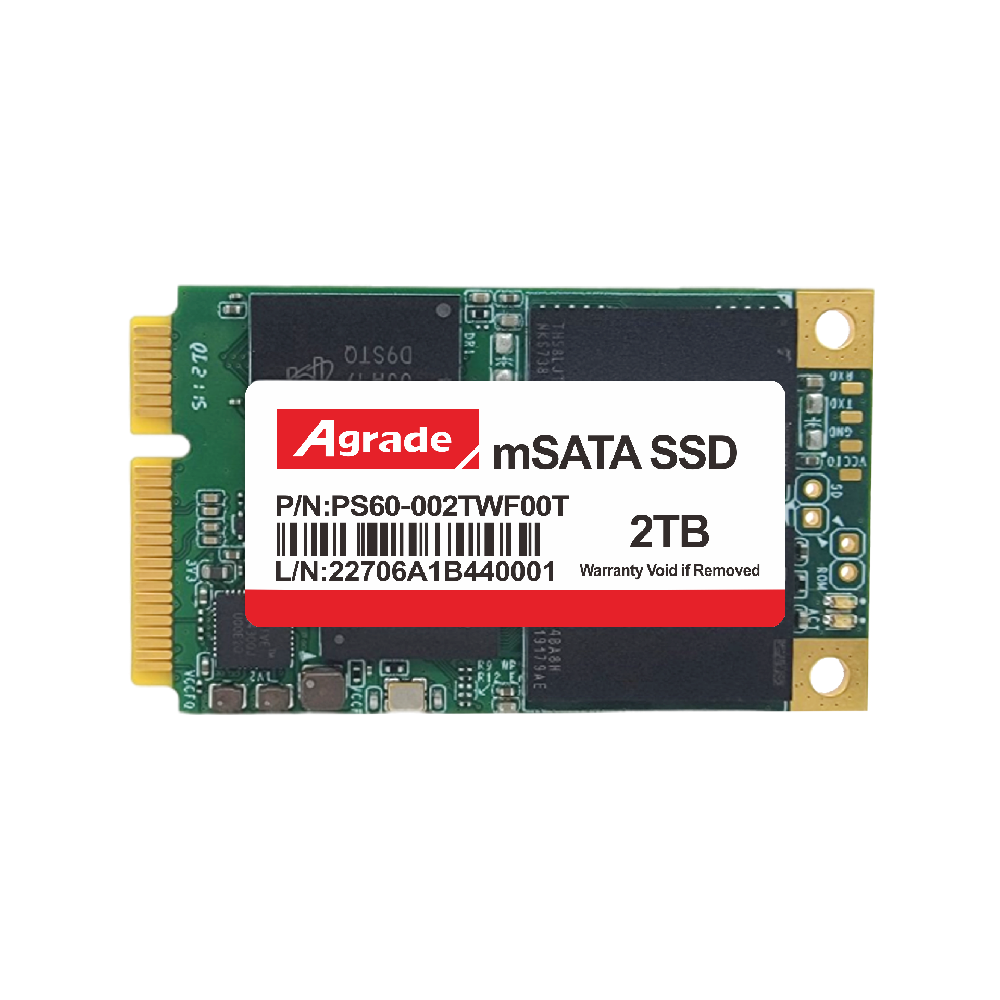
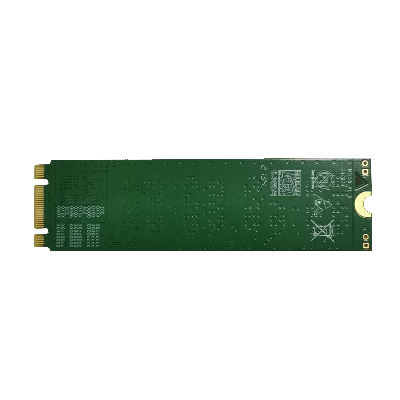
Wide temperature M.2 SATA uses the SATA III interface, offering stable performance at lower speeds, around 550MB/s. It consumes less power, produces less heat, and is more cost-effective. SATA is widely compatible with older embedded platforms and industrial motherboards.
SATA is suitable for surveillance, automation controllers, IoT gateways, and other devices that prioritize stability over extreme speed. It reduces power consumption and cooling requirements in compact enclosures.
In conclusion, choose NVMe for speed and SATA for stability and cost efficiency. Matching the protocol to your application ensures optimal performance and reliability.

-
Products
Advantages
-
Solutions
-
News
About us
-
Contact us
Tel:+86 19926658803
Whatsapp:+86 19926658803
lianle1210@163.com
Address: 30CF, Caihong Building, Caihong Road, Futian District, Shenzhen City, Guangdong Province, China



Friendly Links:
