

















































News


 电商部
电商部  2026-03-05 16:49:59
 Common Issues and Troubleshooting for Wide Temperature M.2 SSDs
Although wide temperature M.2 SSDs are highly reliable, users may occasionally encounter issues. Most problems are related to installation, compatibility, or environment, not drive failure. Understanding troubleshooting steps helps resolve issues quickly.
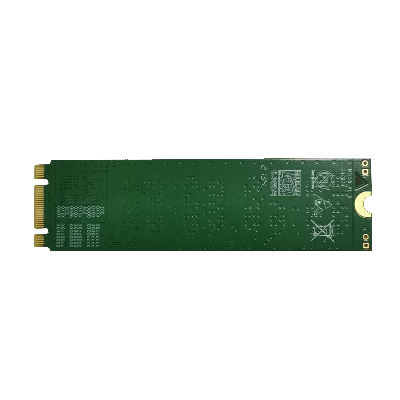
If the system cannot detect the drive, first check physical installation. Ensure the drive is fully inserted and secured. Verify that the motherboard supports the M.2 type and protocol. NVMe drives will not work in SATA-only slots.

If the drive disconnects in high temperatures, improve cooling with heatsinks or better ventilation. Update to the latest firmware for optimized thermal control. Avoid full-capacity usage, as it increases heat.
In cold environments, some drives may fail to boot. Confirm the drive supports genuine -40°C operation. Poor-quality “wide temperature” drives often fail in extreme cold.
Slow performance can result from high space usage, incorrect BIOS settings, or background processes. Maintain free space, enable appropriate storage modes, and scan for malware.
Vibration-induced disconnection often occurs in vehicles or machinery. Reinstall and secure the drive firmly. Use anti-vibration pads if necessary. Clean oxidized connectors to restore connectivity.
Most issues can be fixed with simple checks and adjustments. Proper usage and environment control ensure long-lasting performance from wide temperature M.2 SSDs.

-
Products
Advantages
-
Solutions
-
News
About us
-
Contact us
Tel:+86 19926658803
Whatsapp:+86 19926658803
lianle1210@163.com
Address: 30CF, Caihong Building, Caihong Road, Futian District, Shenzhen City, Guangdong Province, China



Friendly Links:
