




News


 电商部
电商部  2026-02-02 12:02:21
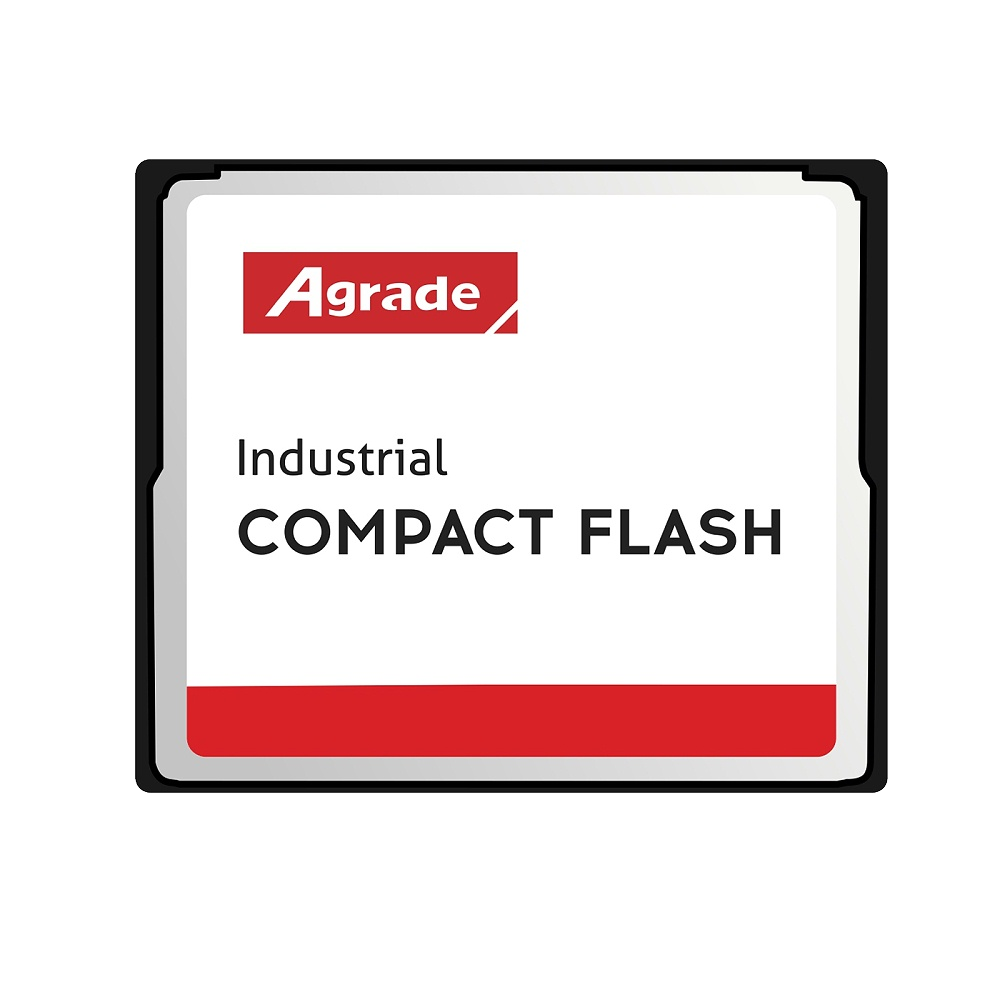
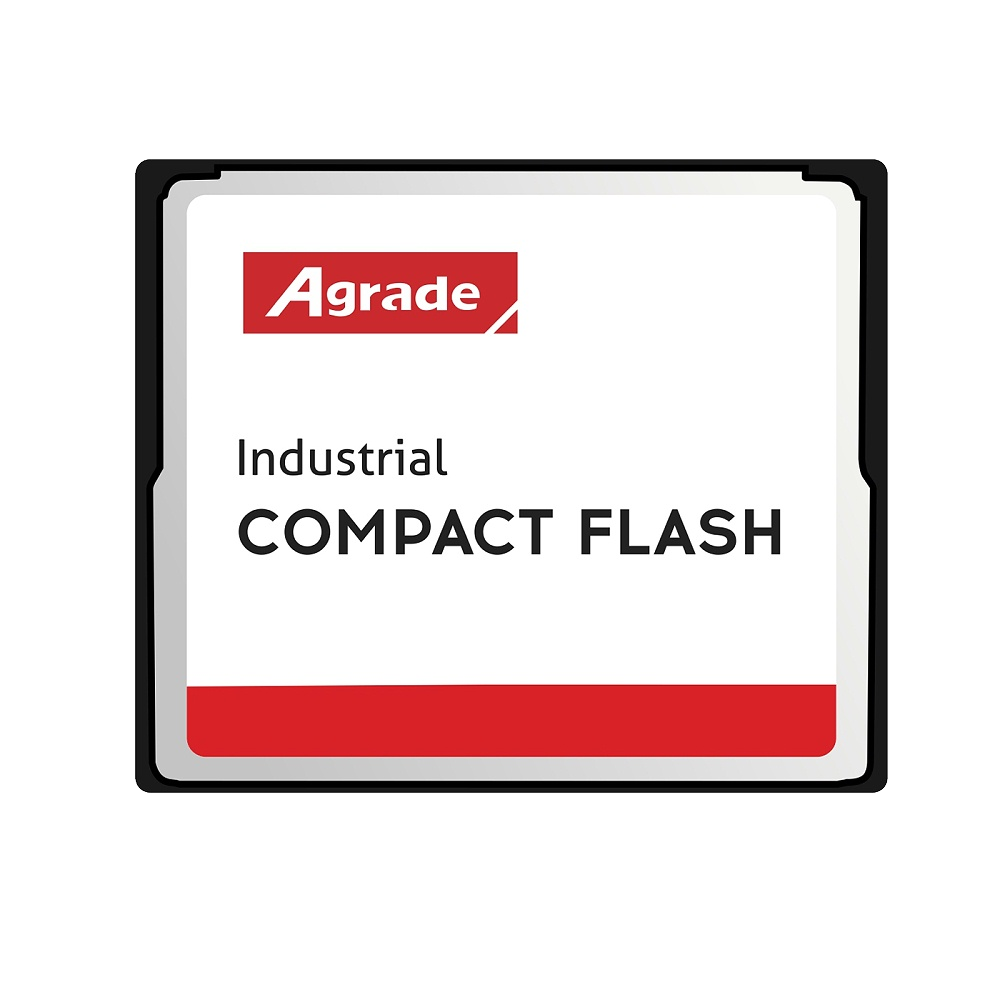
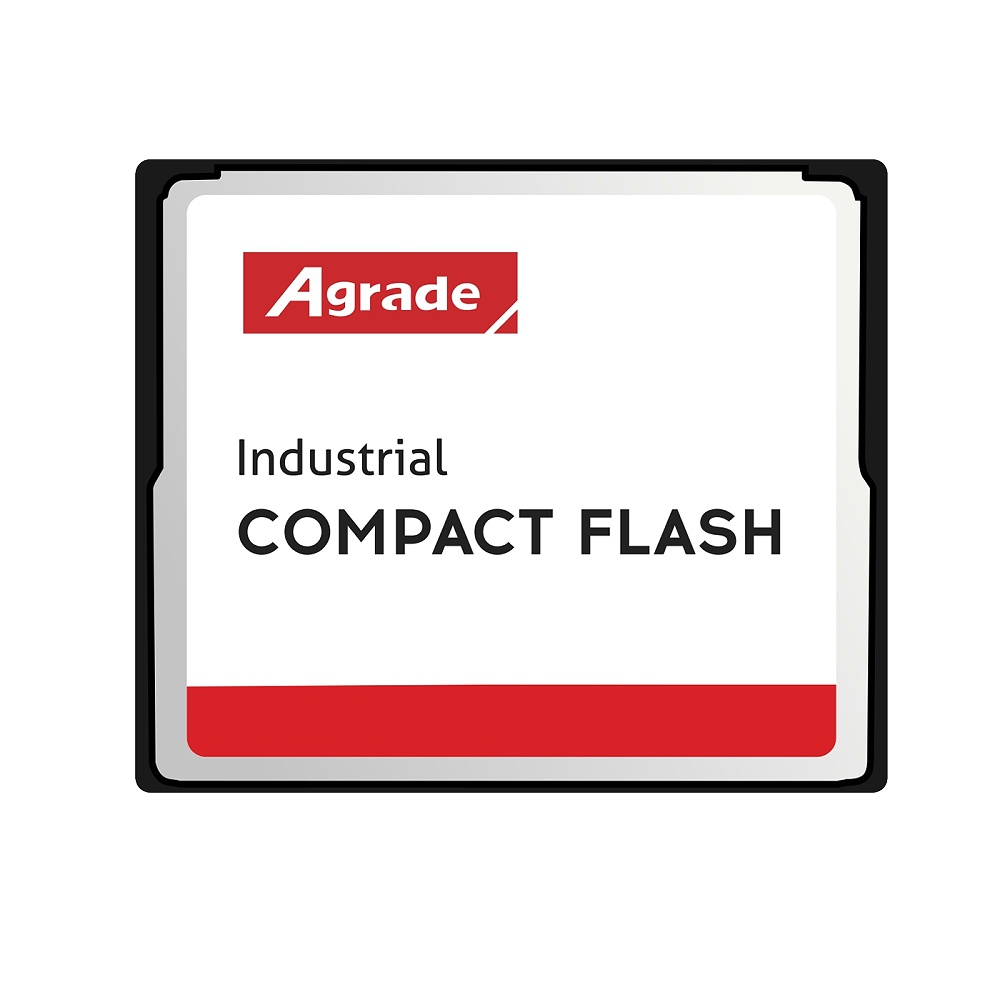
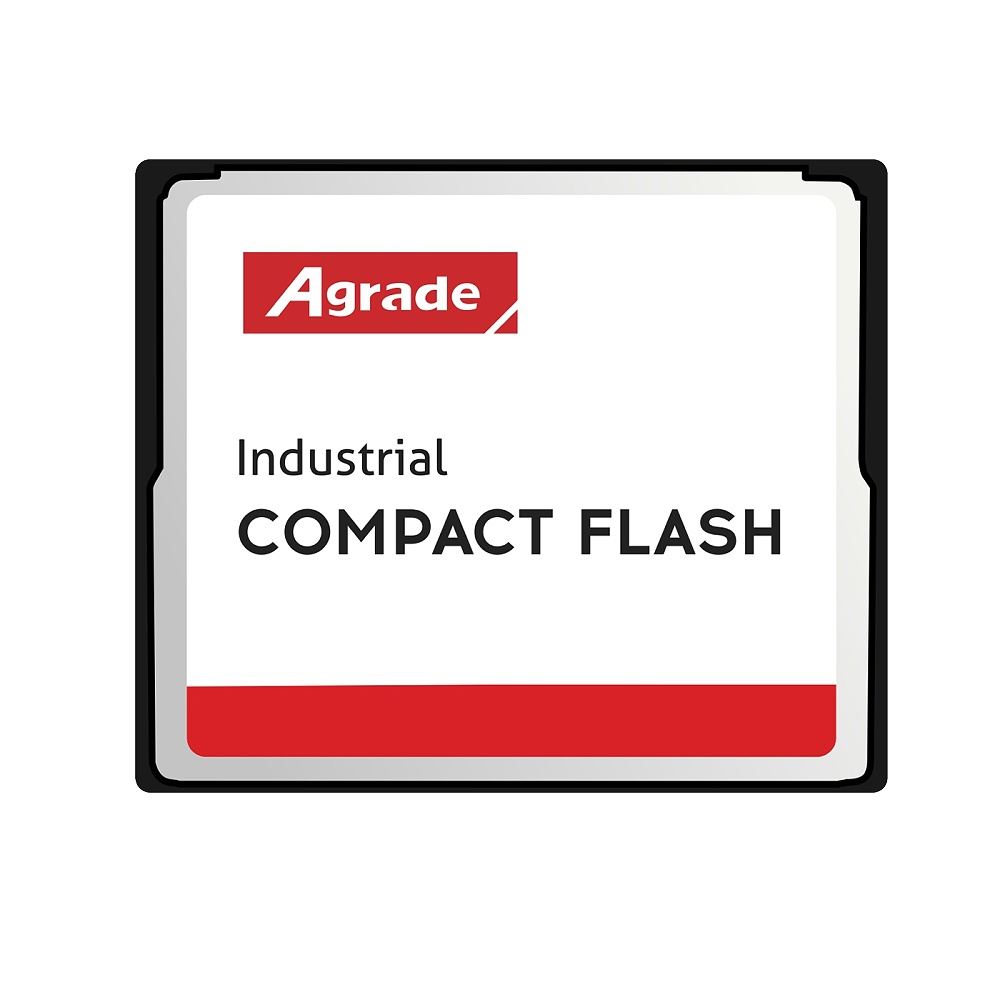
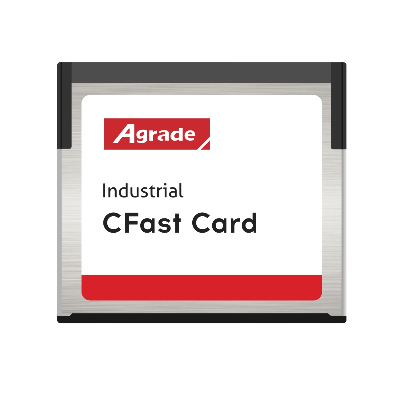
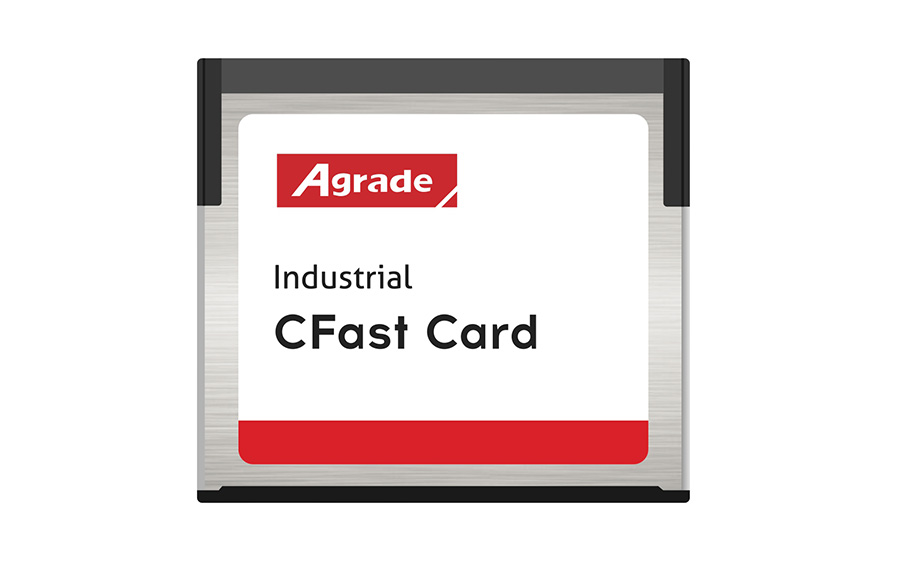
 Applications of Wide Temperature CF Cards in Industrial Automation
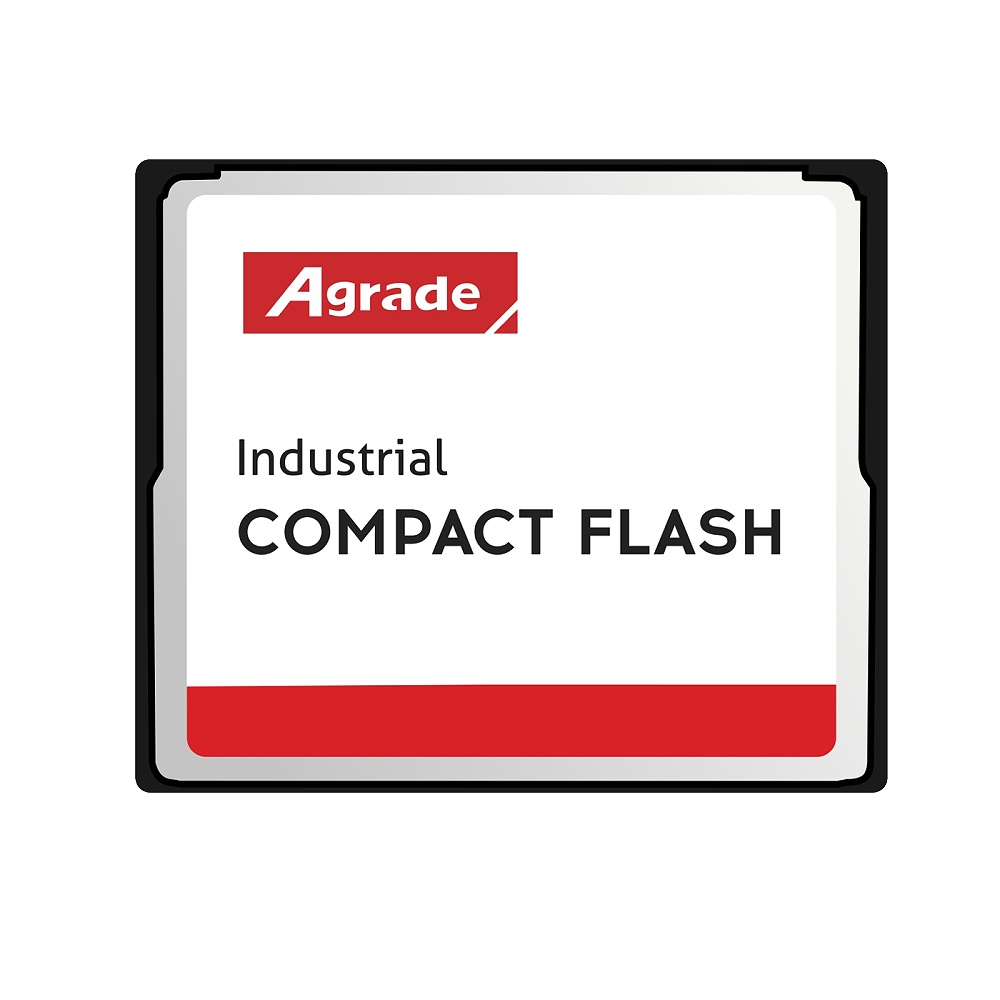
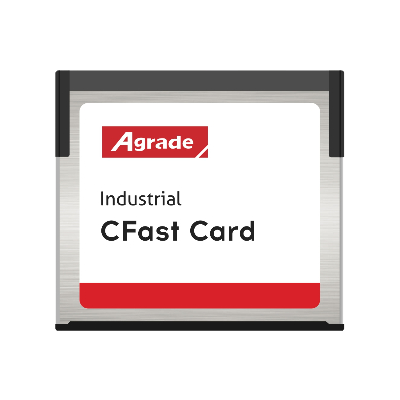
Industrial automation demands high reliability, stability, and temperature adaptability from storage devices, as downtime can disrupt production and cause significant losses. Wide temperature CF cards, with their ability to operate in harsh environments, serve as the dedicated storage solution for core automation equipment—including CNC machines, PLC controllers, and industrial robots—storing control programs, production data, and operational logs to support 24/7 continuous operation.
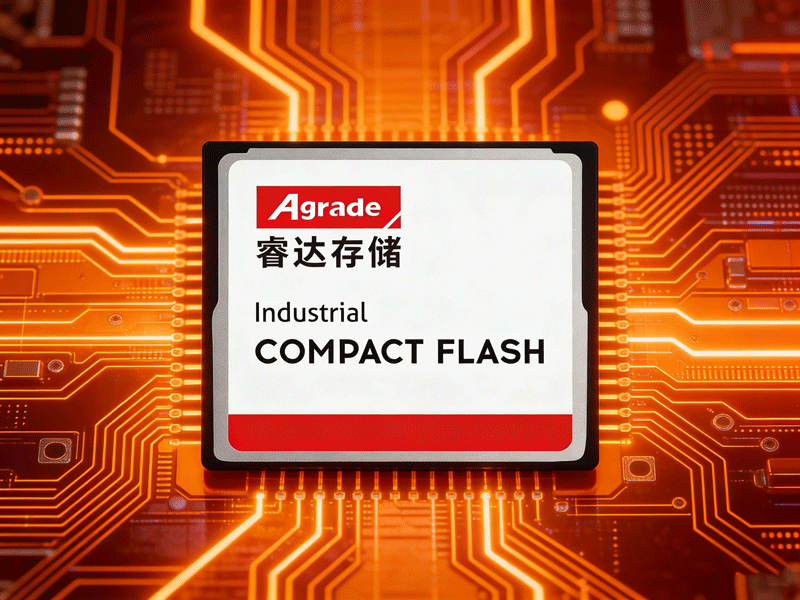
In CNC machines and industrial robots, wide temperature CF cards play a critical role. CNC machines rely on these cards to store processing parameters and program instructions, enabling automated production of diverse workpieces. The cards’ temperature resistance ensures stability in high-temperature workshops, preventing program loss or execution errors that would compromise precision. Industrial robots use the cards to store motion sequences and adaptation parameters, allowing quick workstation switching without reprogramming—significantly improving production efficiency.
PLC (Programmable Logic Controller) is the "brain" of industrial automation, and wide temperature CF cards store control logic and production data, supporting offline operation and real-time data backup. In automotive manufacturing, electronic component production, and other assembly lines, PLCs use the cards to record critical production parameters, facilitating quality tracing and process optimization. The cards’ 24/7 stability ensures uninterrupted production, reducing downtime and supporting lean manufacturing practices.
Industrial automation environments often feature temperature fluctuations, strong vibrations, and high dust levels—challenges addressed by the wide temperature CF cards’ hermetic sealing and shock resistance. Their long lifespan and durability also reduce maintenance costs, aligning with the long service life of industrial equipment. As Industry 4.0 advances, automation equipment becomes more intelligent, increasing demand for higher capacity and faster transfer speeds—driving wide temperature CF cards to evolve toward high-performance, large-capacity designs.

-
Products
Advantages
-
Solutions
-
News
About us
-
Contact us
Tel:+86 19926658803
Whatsapp:+86 19926658803
lianle1210@163.com
Address: 30CF, Caihong Building, Caihong Road, Futian District, Shenzhen City, Guangdong Province, China



Friendly Links:
