









News


 电商部
电商部  2026-02-02 12:03:07
 Wide Temperature CF Card Transfer Protocols: UDMA vs. PIO
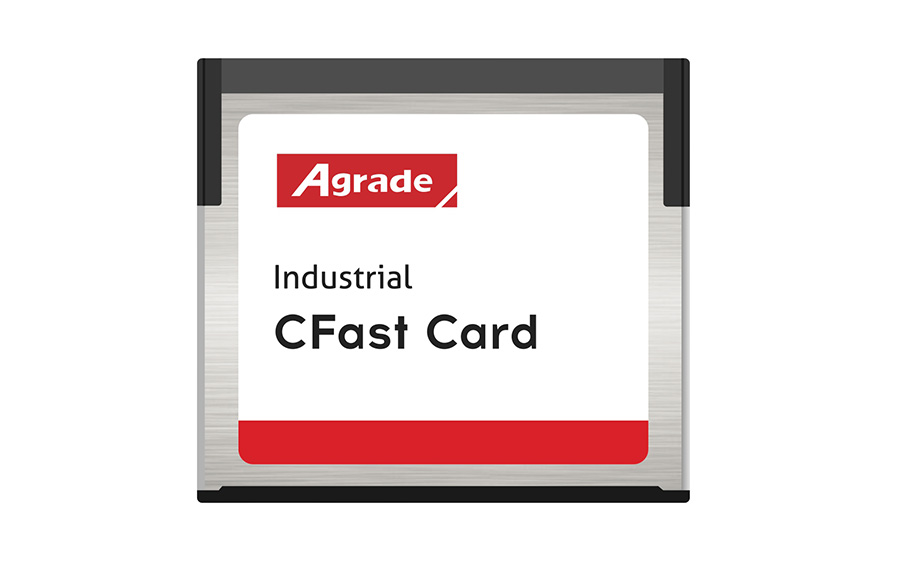
Transfer protocols determine the read/write speed of wide temperature CF cards, directly impacting the efficiency of mass data transmission in industrial applications. Two primary protocols are used: UDMA (Ultra Direct Memory Access) and PIO (Programmed Input/Output), each differing in transmission method, speed, and application suitability. Understanding these differences is key to optimizing data transfer efficiency and ensuring compatibility with industrial equipment.
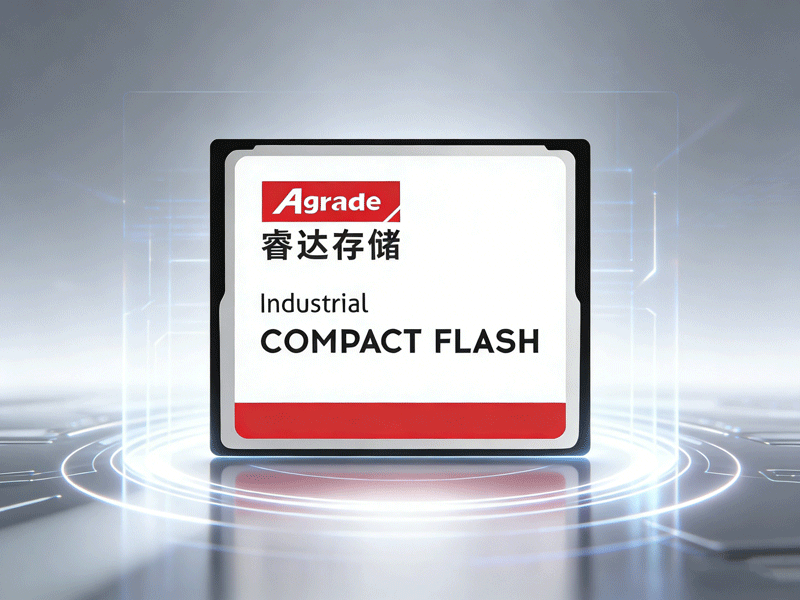
PIO is an older transfer standard that uses the CPU to directly control data transmission. This method consumes significant CPU resources, reducing overall device performance, and offers slow transfer speeds—maximizing at 16MB/s. PIO performance is also dependent on CPU capability, making it unsuitable for real-time mass data transmission. Entry-level wide temperature CF cards typically support PIO-4, suitable for basic storage needs in small industrial devices (e.g., sensors, simple controllers) where cost-effectiveness is prioritized over speed.
UDMA is an upgraded high-speed protocol that uses a DMA controller to enable direct data transmission between the CF card and memory, bypassing the CPU. This frees up CPU resources for core tasks while significantly improving transfer efficiency. UDMA is available in multiple versions (UDMA1 to UDMA7), with higher versions offering faster speeds—UDMA7 supports a maximum transfer rate of 160MB/s, meeting the demands of real-time mass data transmission in industrial automation and medical imaging.
Protocol selection must align with application requirements. For small devices with low data volume and infrequent transmission, PIO-supported wide temperature CF cards offer cost-effectiveness. For high-demand scenarios requiring real-time transmission of production data or high-definition images, prioritize UDMA-supported models. Ensure the device is compatible with the card’s UDMA version to avoid transmission failures. Additionally, transfer speed is influenced by flash memory type and interface design—consider these factors alongside the protocol for optimal performance.

-
Products
Advantages
-
Solutions
-
News
About us
-
Contact us
Tel:+86 19926658803
Whatsapp:+86 19926658803
lianle1210@163.com
Address: 30CF, Caihong Building, Caihong Road, Futian District, Shenzhen City, Guangdong Province, China



Friendly Links:
