









News


 电商部
电商部  2026-02-06 18:33:48
 Buying Guide for Wide Temperature DDR4: Avoid Pitfalls in Industrial Scenario Selection
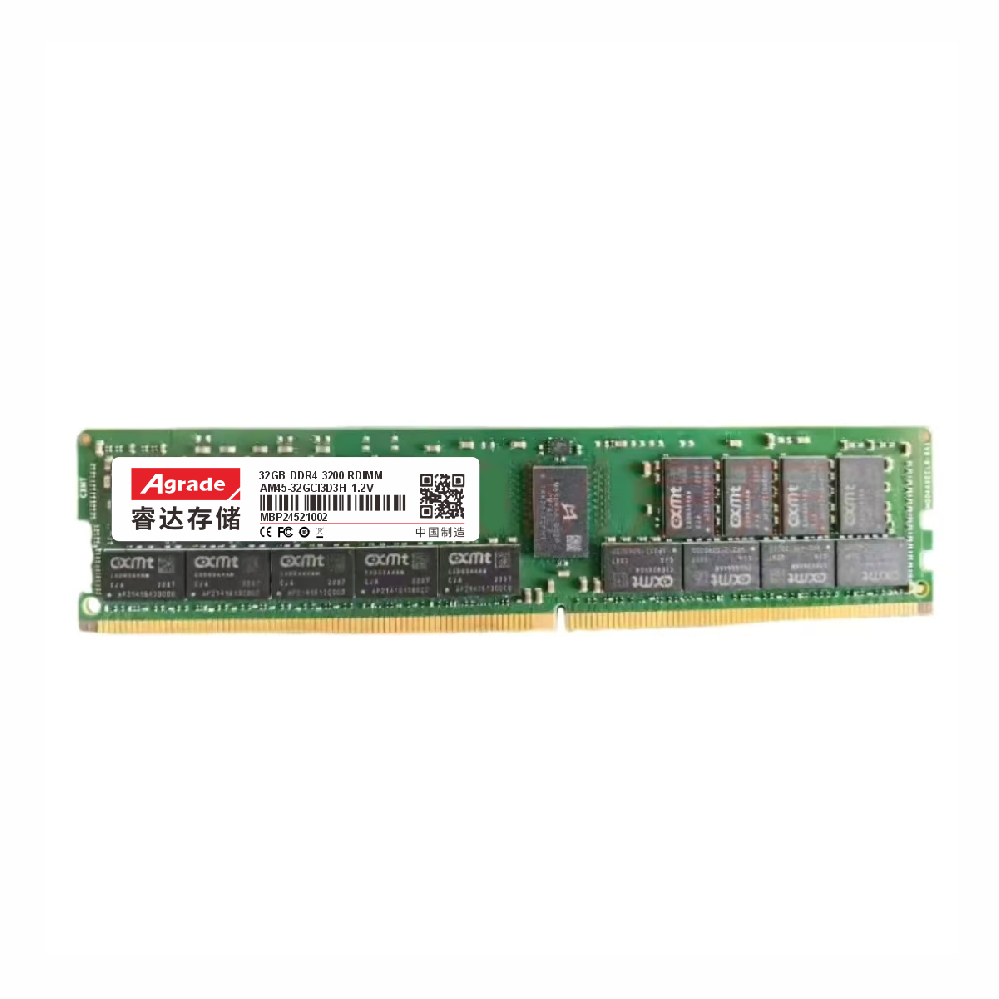
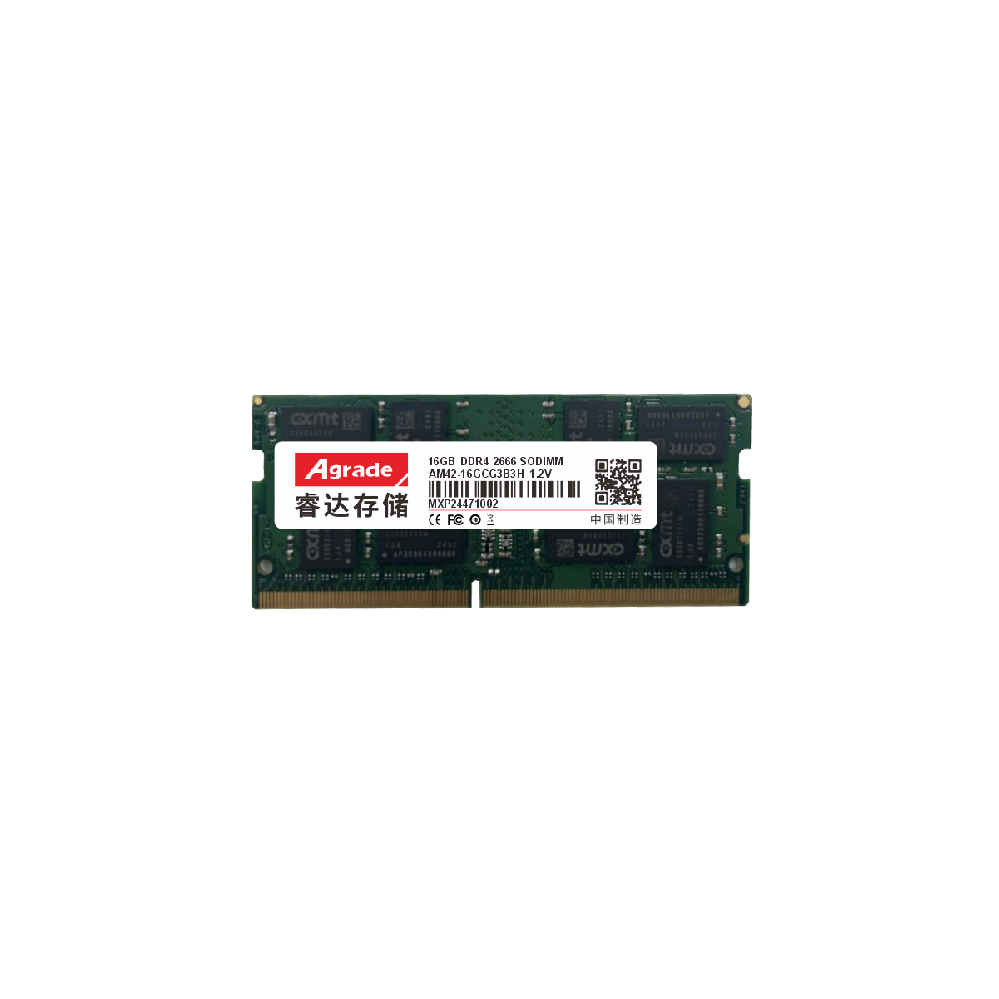
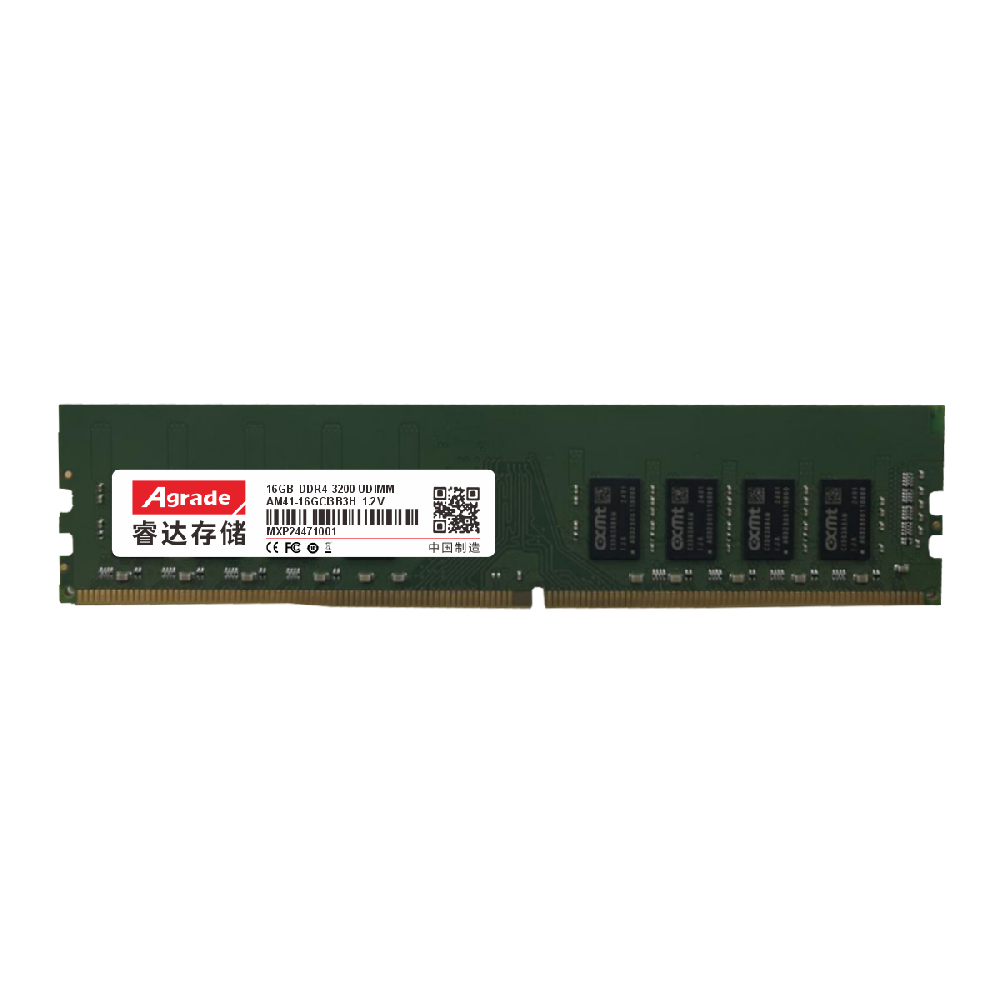
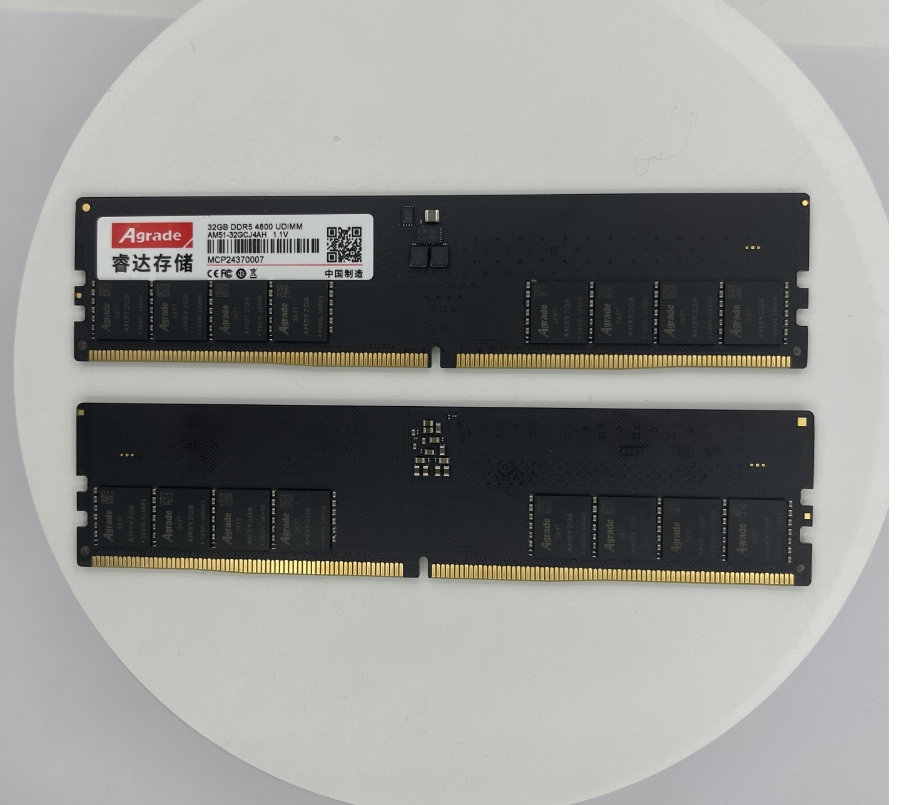
Wide Temperature DDR4 is mainly used in harsh scenarios such as industrial and automotive fields. The rationality of selection directly determines the stability and service life of the equipment. Once the selection is wrong, it will not only lead to equipment failures and production interruptions but also increase later maintenance costs. Many purchasers and engineers are prone to the misunderstanding of "only looking at the brand and price" when purchasing Wide Temperature DDR4, resulting in the selected products not being suitable for the actual scenario. This article will share practical buying guides for Wide Temperature DDR4, starting from five core dimensions, helping you select accurately and avoid various purchase pitfalls.
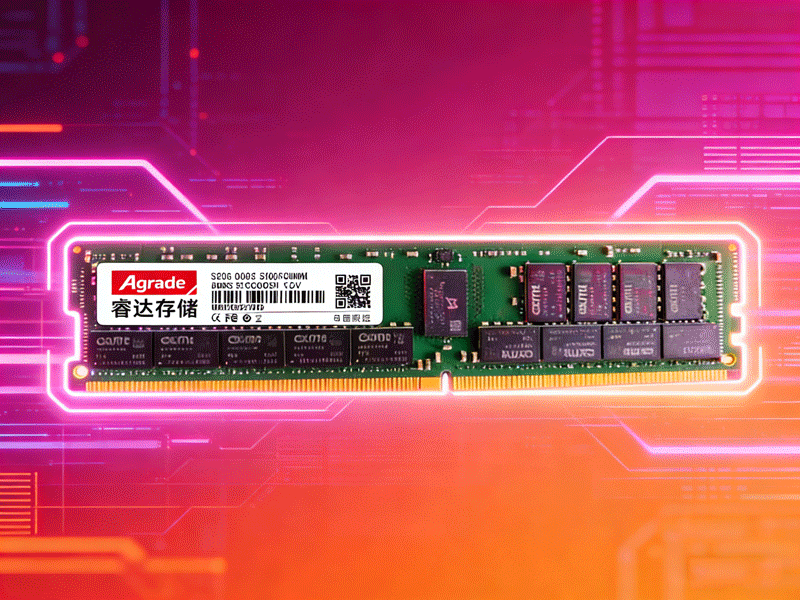
When purchasing Wide Temperature DDR4, the first thing to do is to clarify the scenario requirements and accurately match the temperature range. Different scenarios have great differences in temperature environment. When selecting, you must first confirm the operating temperature range of the equipment, and avoid "over-selection" or "insufficient selection." For example, for general industrial scenarios such as workshop controllers and ordinary outdoor monitoring equipment, selecting Wide Temperature DDR4 with an operating temperature range of -40°C to 85°C can meet the needs, which is cost-effective.
For automotive electronic scenarios, high-temperature industrial scenarios (such as high-temperature furnace controllers), and military scenarios, it is necessary to select automotive-grade or high-end industrial-grade products with an operating temperature range of -40°C to 125°C. At the same time, it is necessary to confirm whether the product has passed the relevant certifications, such as AEC-Q100 certification for automotive-grade products and RoHS certification for environmental protection requirements, to ensure that it meets the scenario standards. It is worth noting that the temperature range marked by some inferior products is false. When purchasing, you must ask for the test report to verify the authenticity of the temperature resistance.
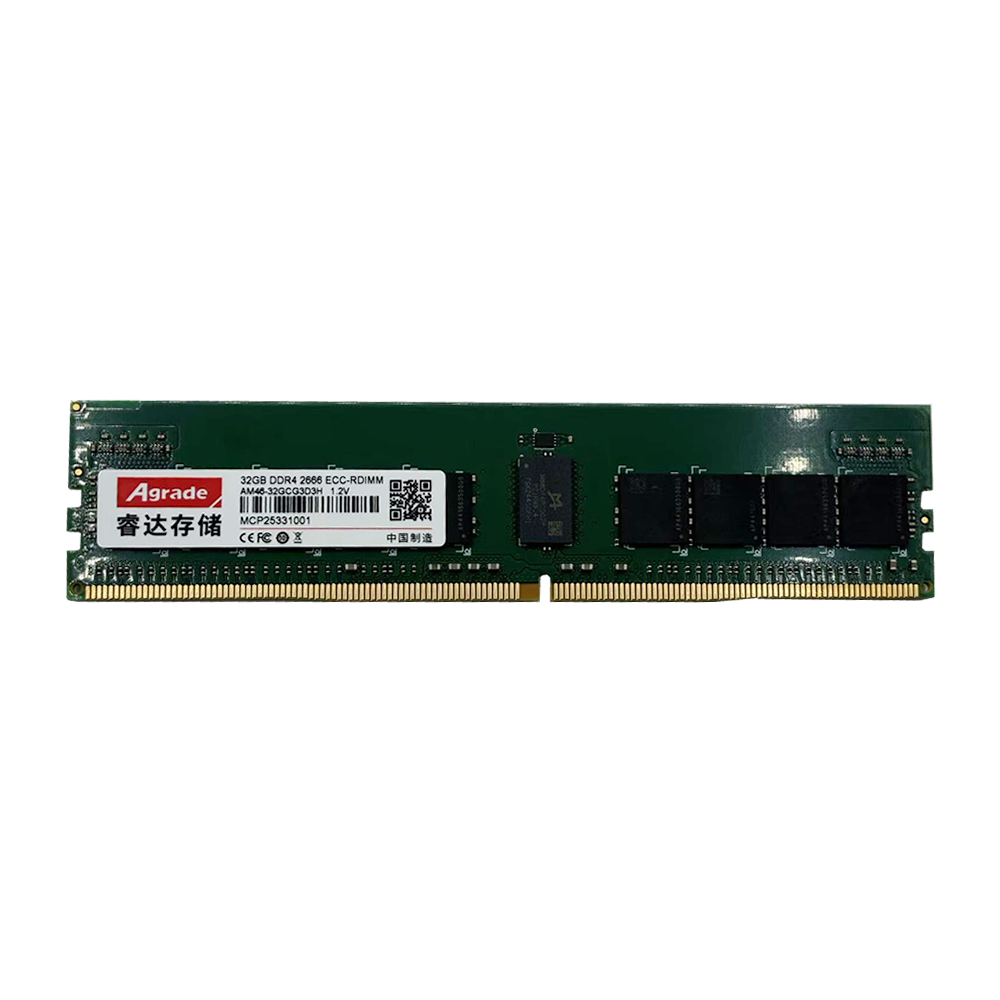
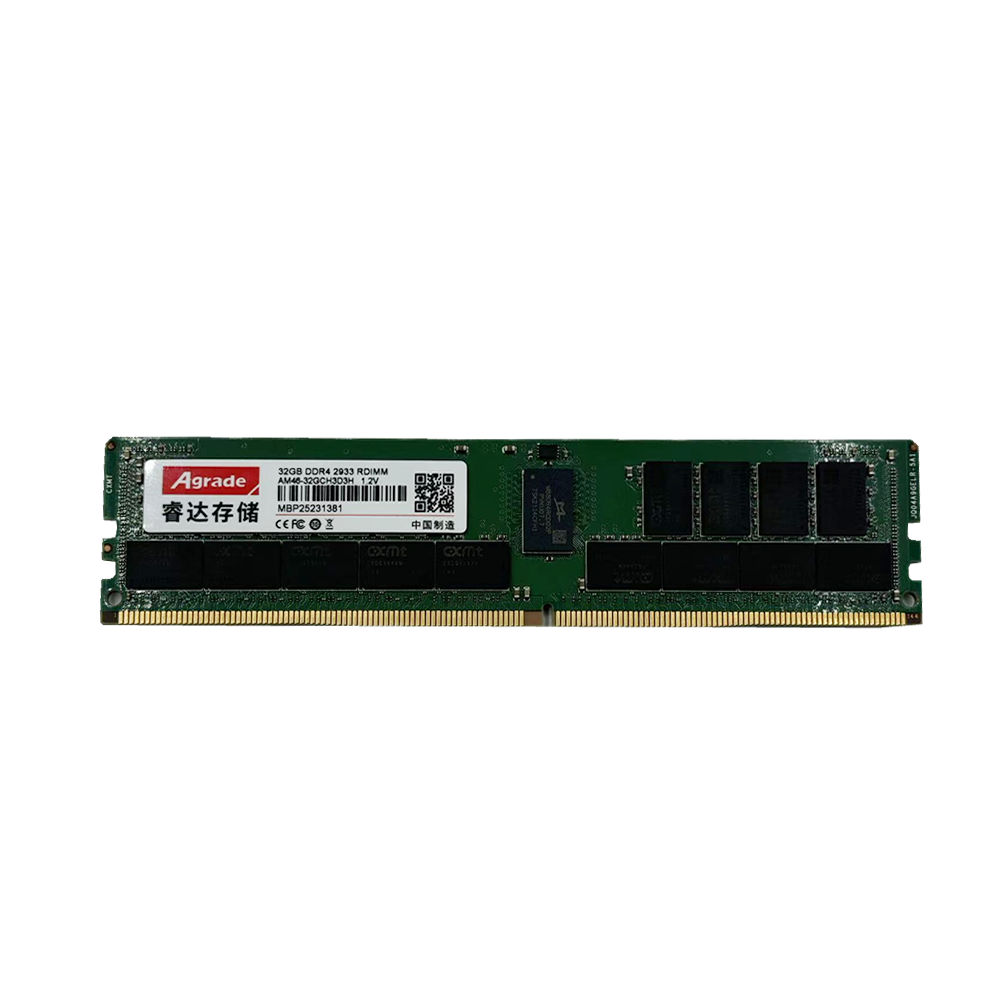
Second, pay attention to core parameters and balance performance and compatibility. In addition to the temperature range, parameters such as frequency, capacity, voltage, and error correction function also need to be focused on. In terms of frequency, it is necessary to match the computing power requirements of the equipment. Industrial controllers and PLCs with low computing power can choose 2133MHz or 2400MHz products, while edge servers and high-performance industrial computers that need to process large amounts of data in real time can choose 2666MHz or 3200MHz products. It should be noted that the frequency of the memory must be compatible with the motherboard, otherwise, it will not be able to play its due performance.
In terms of capacity, it should be selected according to the data caching needs of the equipment. For example, ordinary industrial controllers can choose 4GB or 8GB capacity, while edge servers that need to cache a large amount of real-time data can choose 16GB or 32GB capacity. Avoid performance bottlenecks caused by insufficient capacity and unnecessary cost increases caused by excessive capacity. In terms of voltage, priority should be given to 1.2V standard voltage products, which are more energy-efficient and can adapt to most industrial equipment. The ECC error correction function is essential for industrial scenarios. It can automatically detect and correct data transmission errors, improving data reliability. If the equipment has high requirements for data accuracy, such as medical equipment and military communication equipment, it must select products with ECC error correction function.
Finally, pay attention to product quality and manufacturer strength and reject inferior products. The technical threshold of Wide Temperature DDR4 is relatively high. Inferior products are cheap, but their temperature resistance and reliability cannot be guaranteed, and they are prone to failures in harsh environments, which will bring huge losses to enterprises. When purchasing, you should choose regular manufacturers with strong strength, such as Apacer, Innodisk, Biwin, and other well-known industrial memory manufacturers. These manufacturers use original industrial-grade particles and industrial-grade components, and their products have passed strict tests, with reliable quality.
At the same time, it is necessary to check the product test report, such as temperature shock test report, vibration test report, and electromagnetic interference test report, to verify the product performance. In addition, pay attention to the after-sales service of the manufacturer. Industrial equipment often runs 24/7, and once a memory failure occurs, it needs to be solved in time. Regular manufacturers can provide perfect after-sales service, such as technical support and product replacement, to ensure that the problem can be solved quickly. Finally, confirm the compatibility of the product and test it with the industrial motherboard before mass purchase to avoid compatibility problems leading to equipment failure.

-
Products
Advantages
-
Solutions
-
News
About us
-
Contact us
Tel:+86 19926658803
Whatsapp:+86 19926658803
lianle1210@163.com
Address: 30CF, Caihong Building, Caihong Road, Futian District, Shenzhen City, Guangdong Province, China



Friendly Links:
