




















News


 电商部
电商部  2026-03-03 16:53:00
 What Is Wide Temperature DOM? A Complete Guide for Industrial Storage
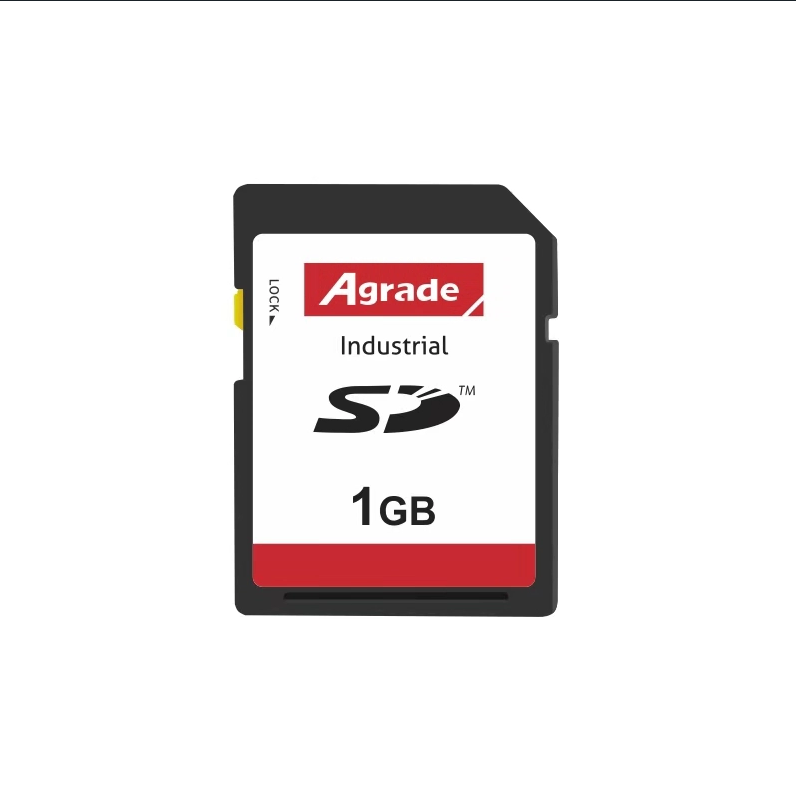
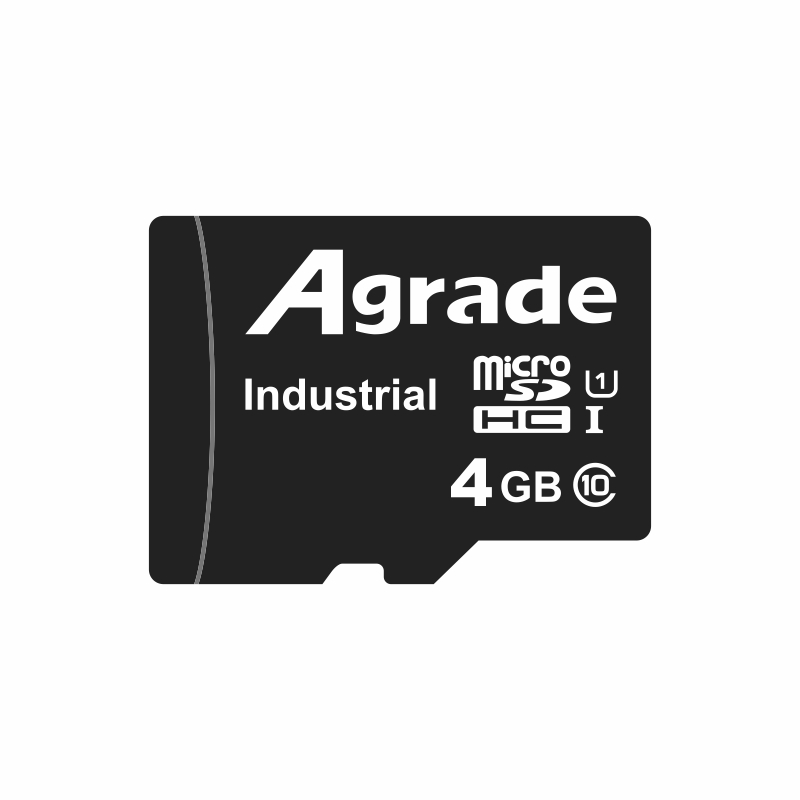
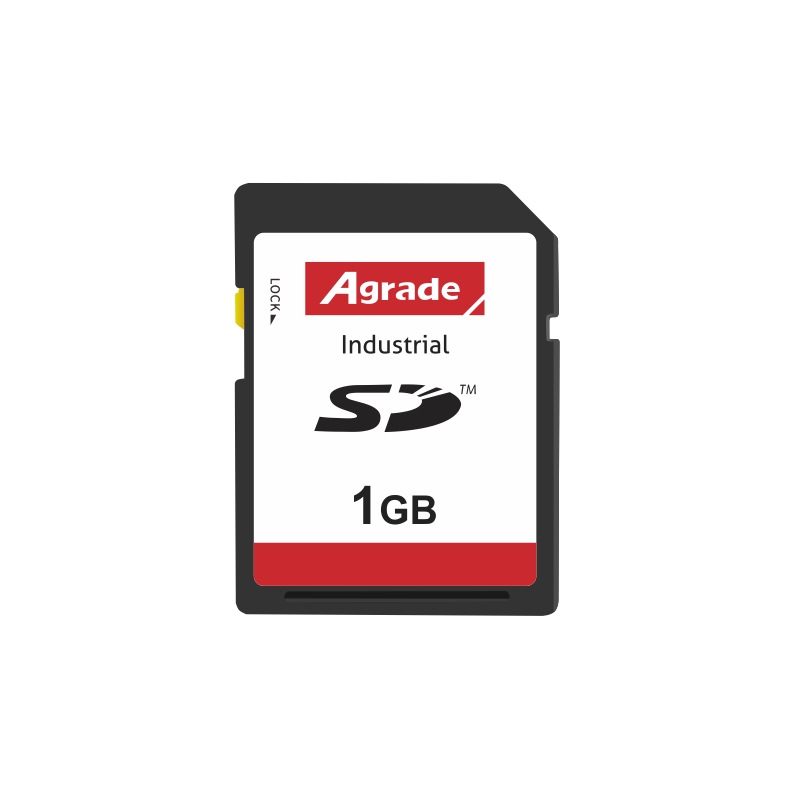
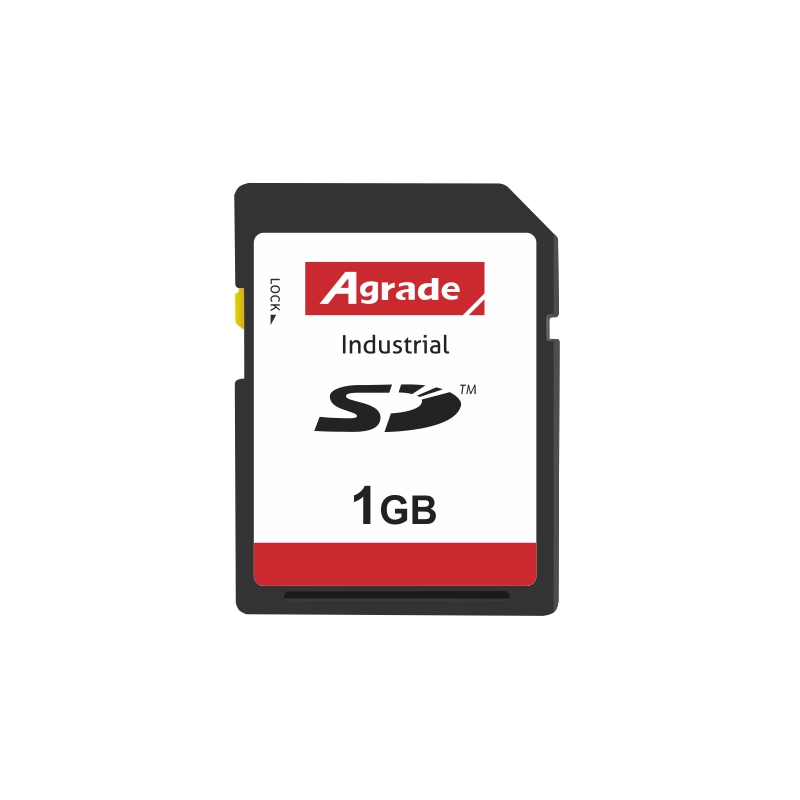
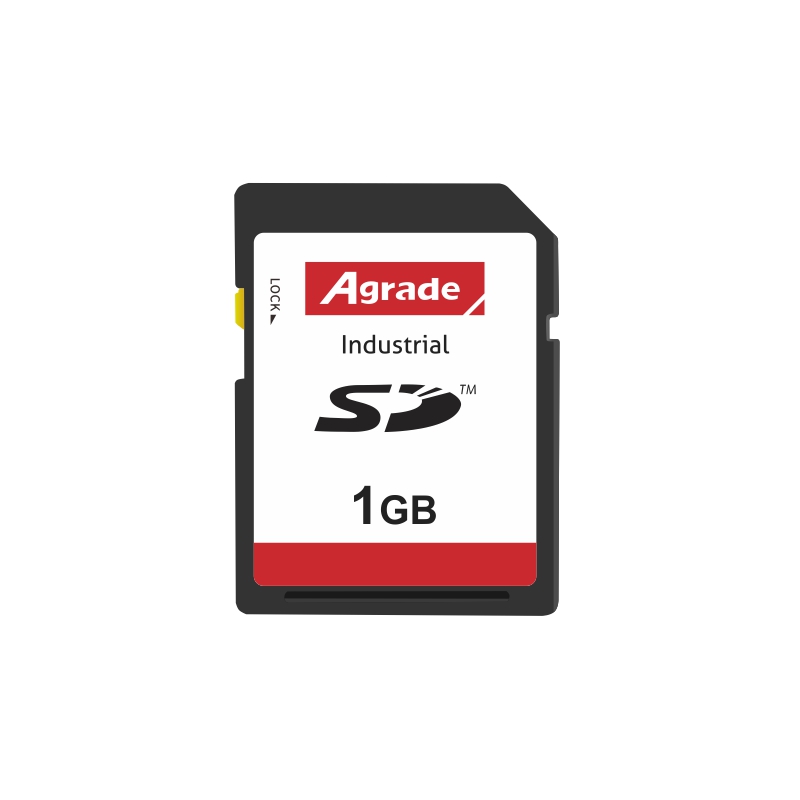
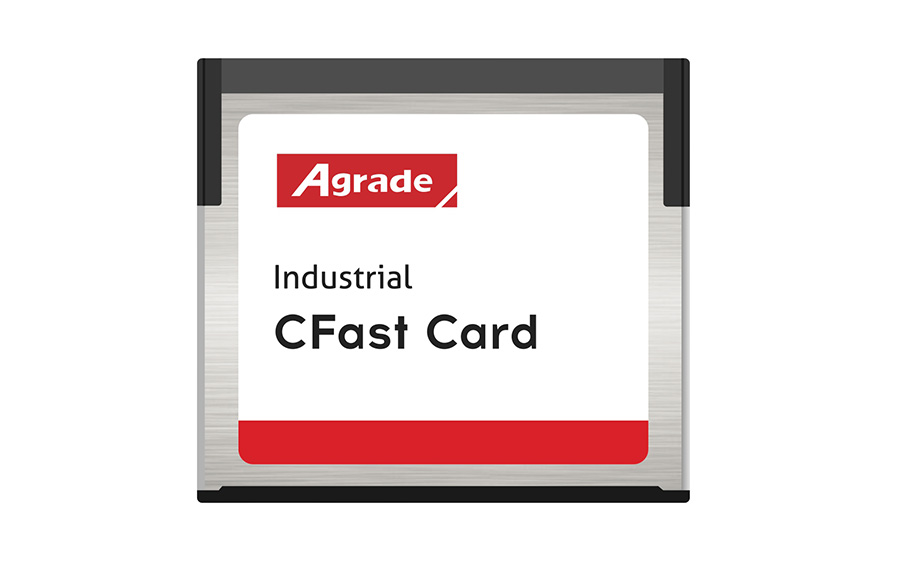
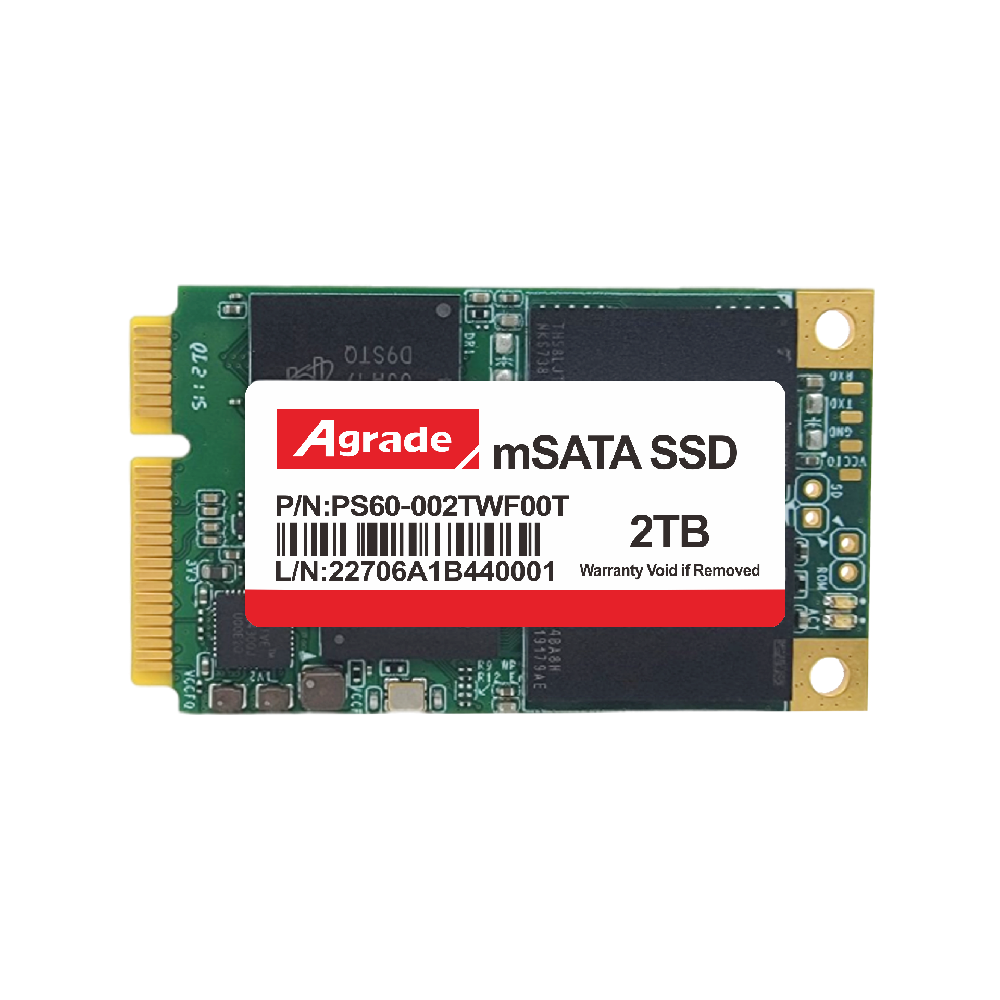
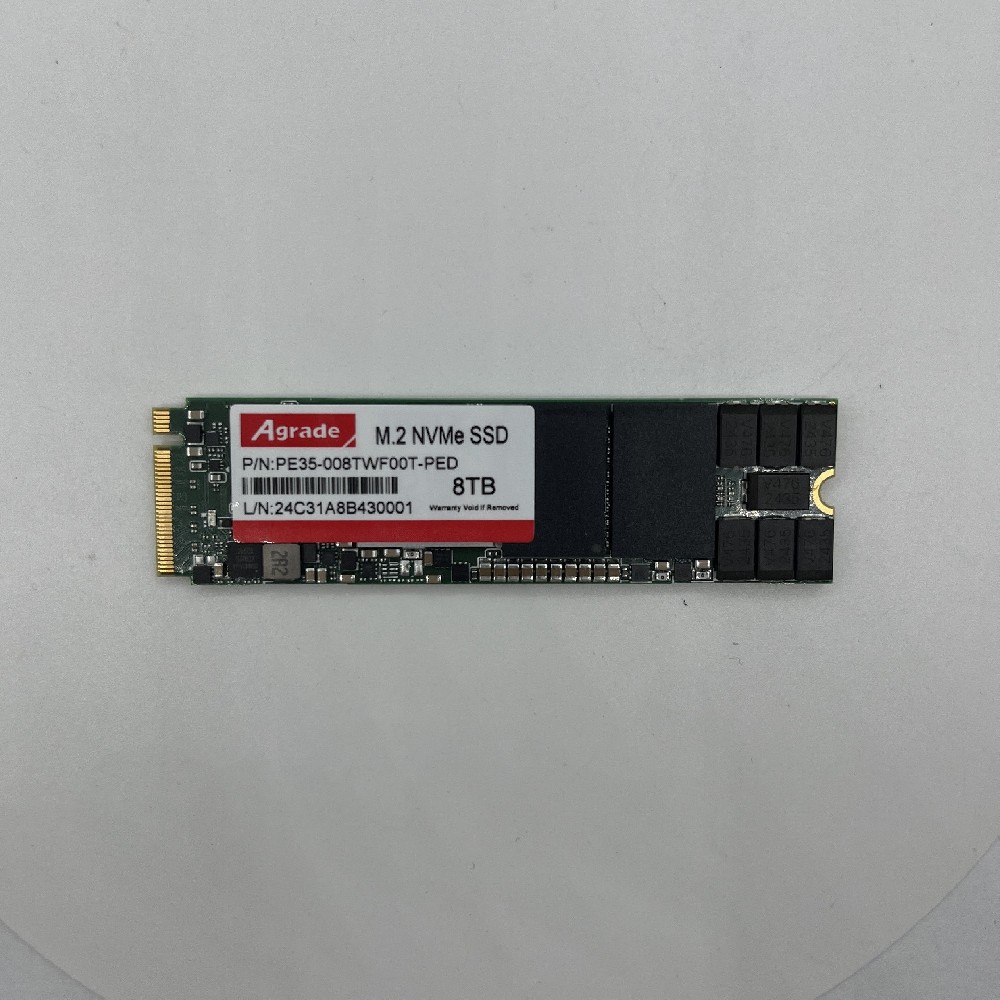
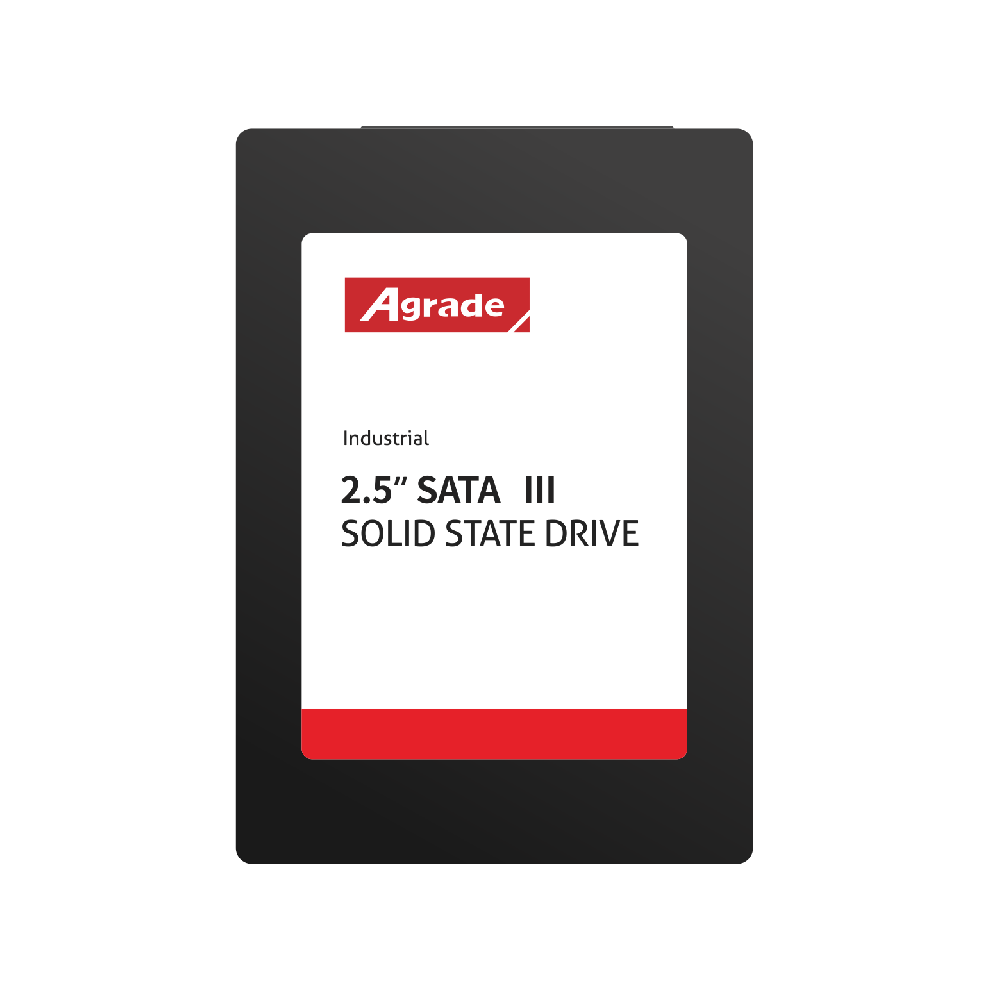
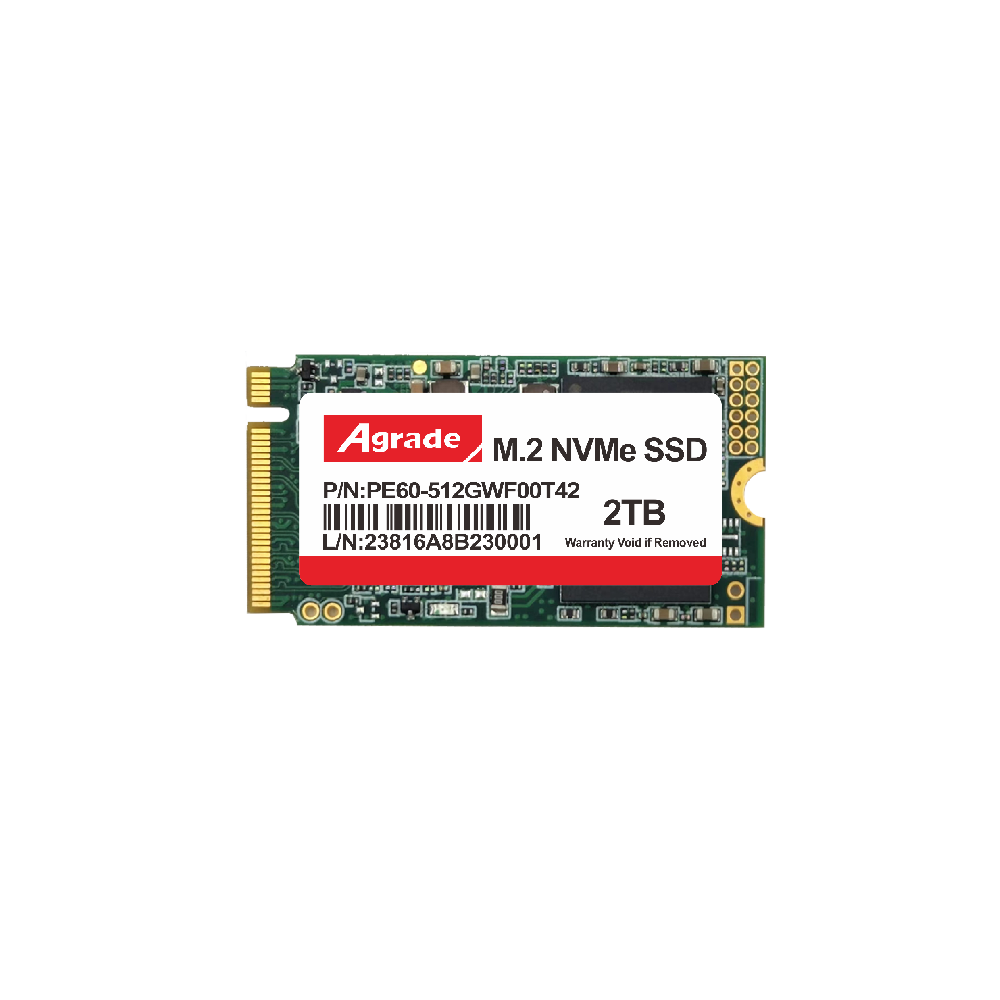
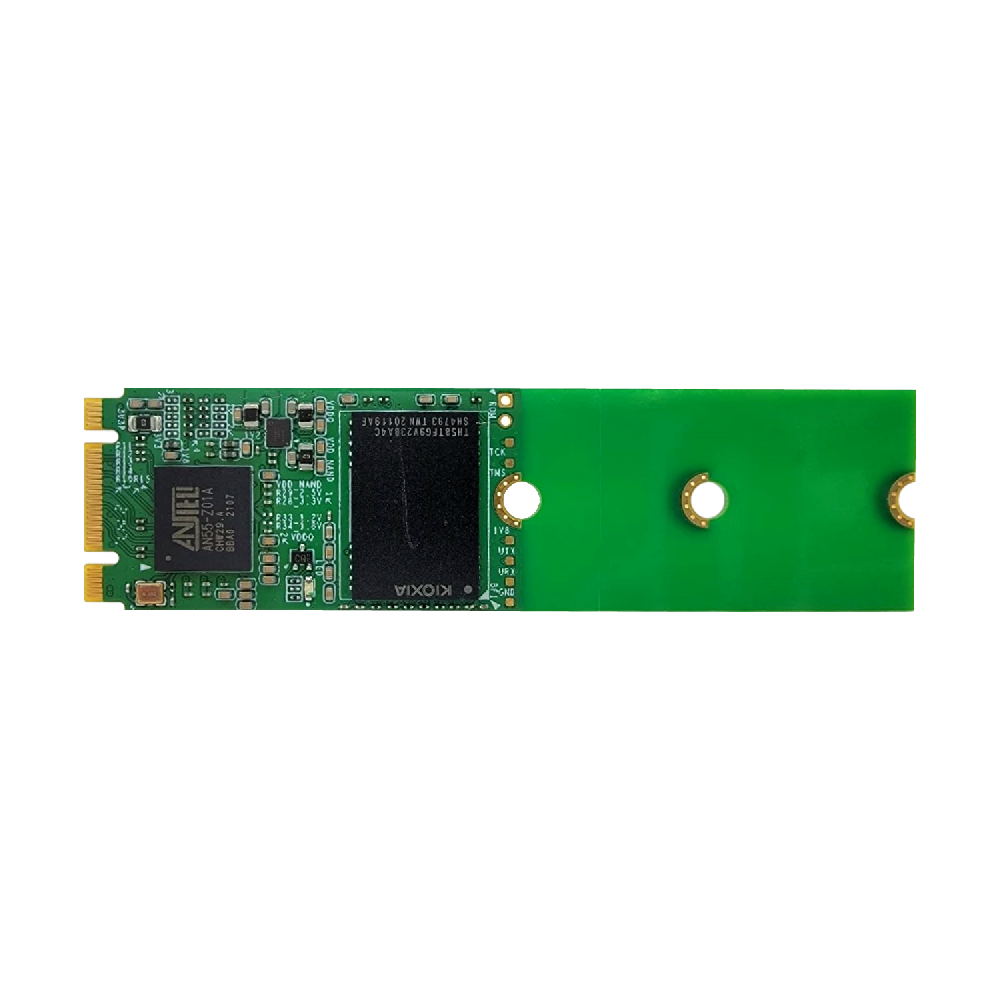
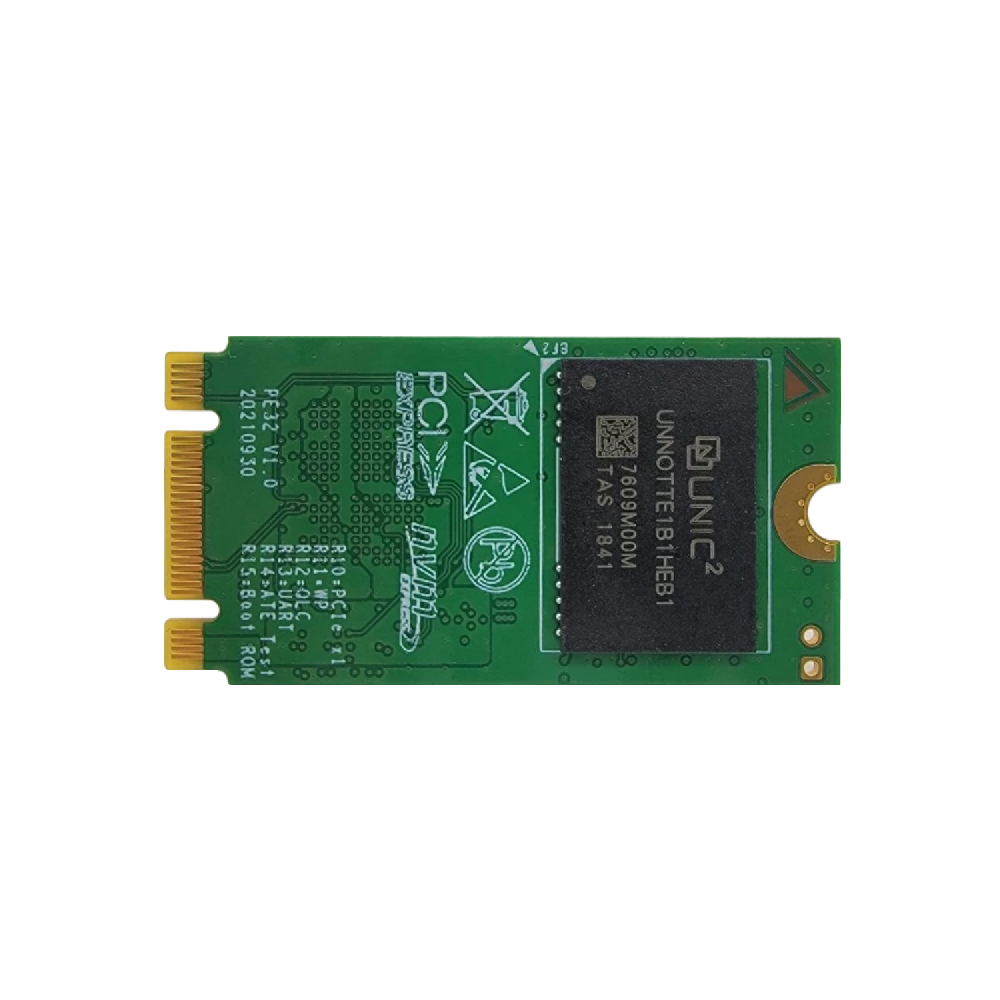
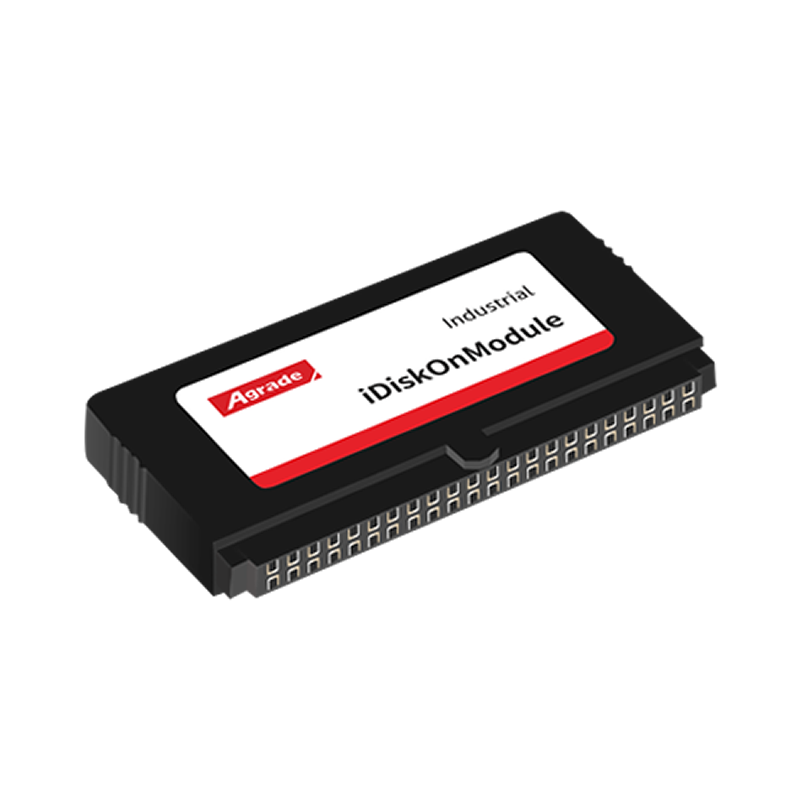
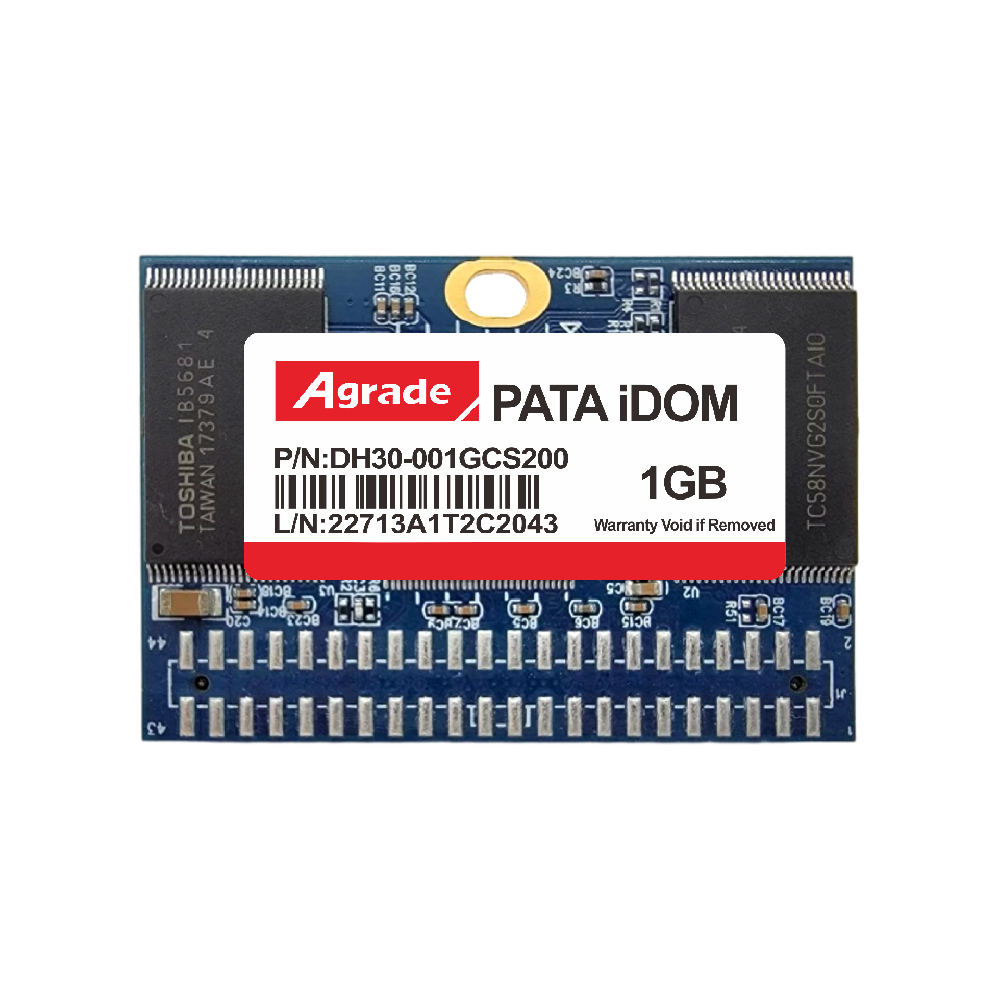
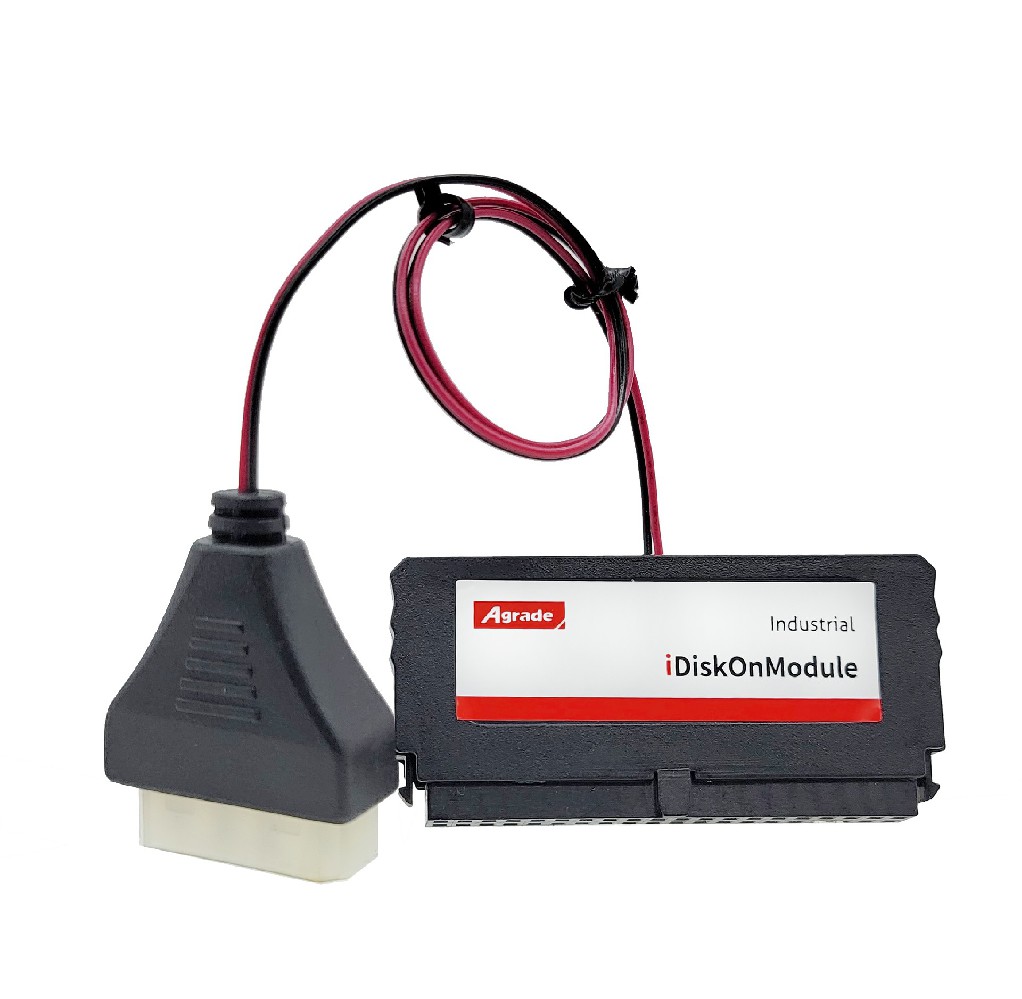
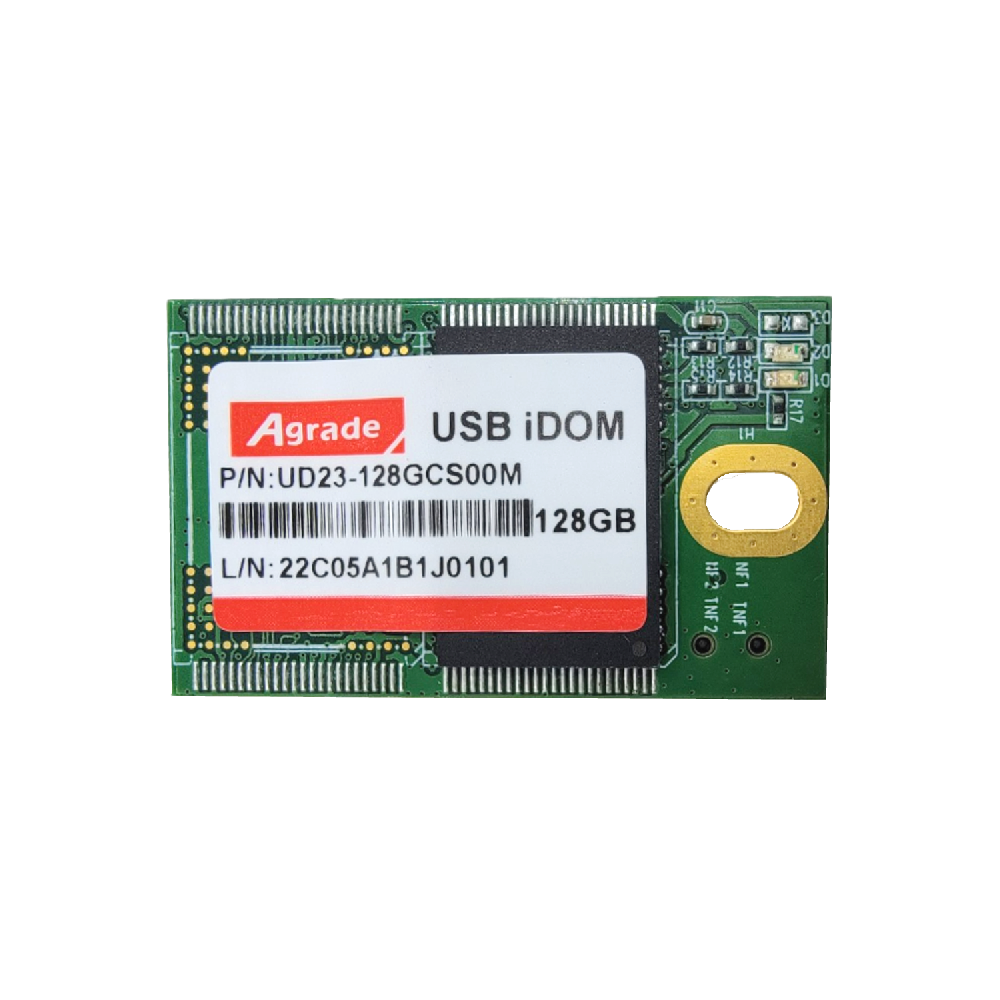
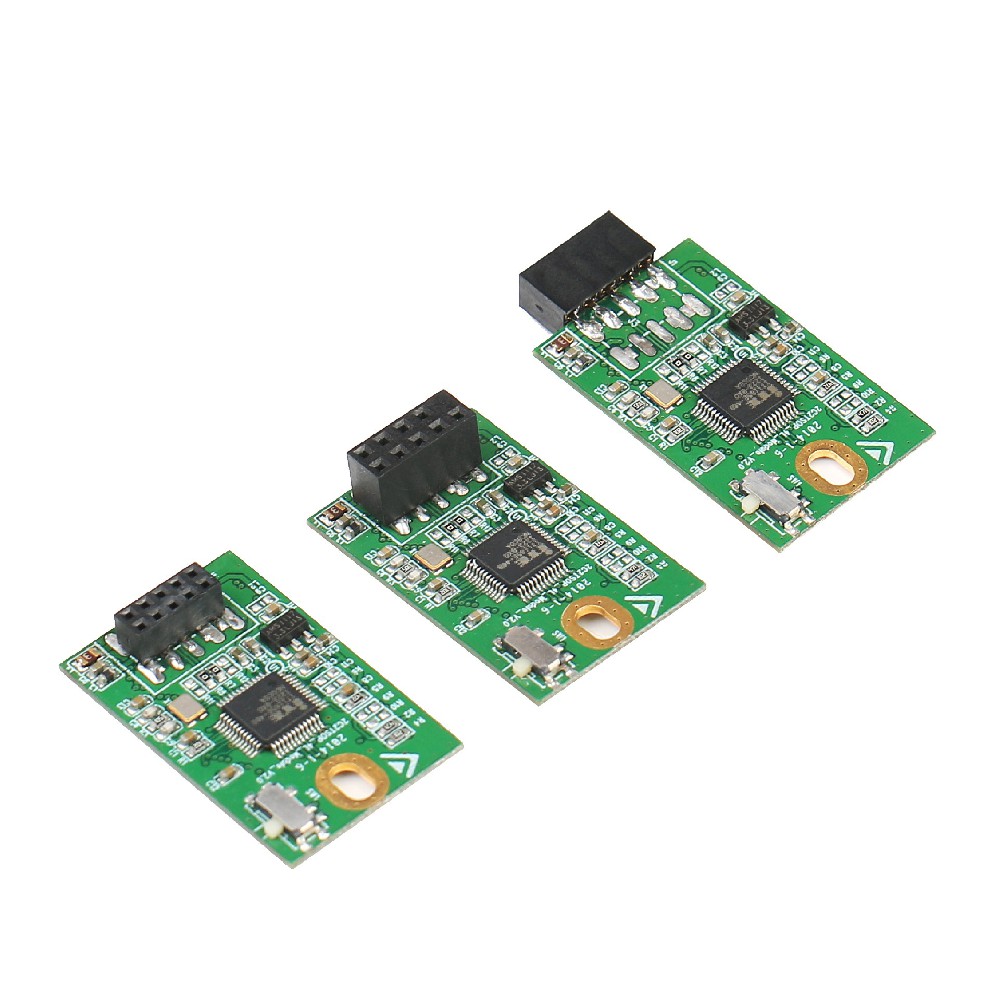
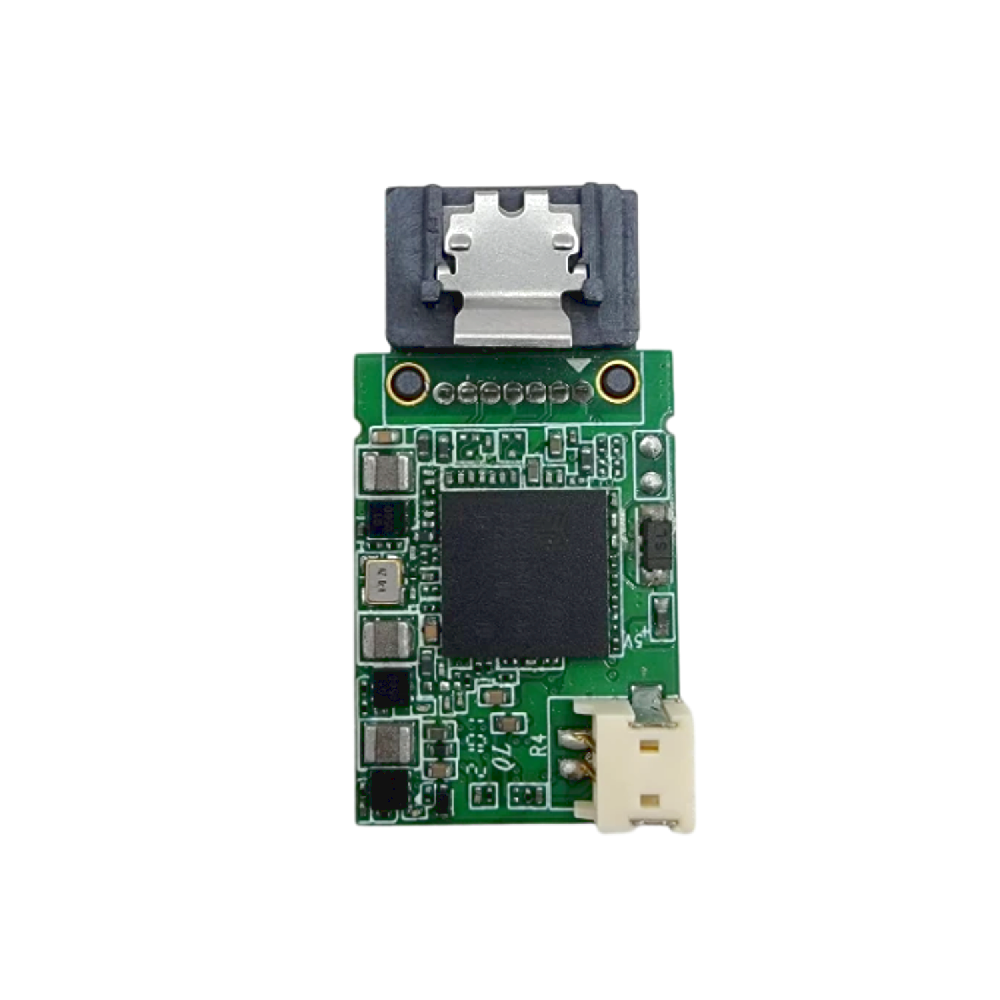
Wide Temperature DOM, short for Wide Temperature Disk On Module, is a specialized embedded storage device designed for extreme environmental conditions. Unlike standard consumer-grade flash storage, it is engineered to maintain stable performance in high-temperature, low-temperature, and high-vibration environments. This makes it an essential component in industrial computers, embedded systems, and outdoor electronic equipment.
A typical wide temperature DOM supports an operating temperature range of -40°C to +85°C, which is far beyond the capability of commercial DOM products. Standard modules usually work only between 0°C and 70°C, making them unreliable in outdoor, automotive, or factory automation scenarios. The wide temperature version uses selected industrial-grade chips, including NAND flash and controller, to ensure functionality under extreme thermal stress.
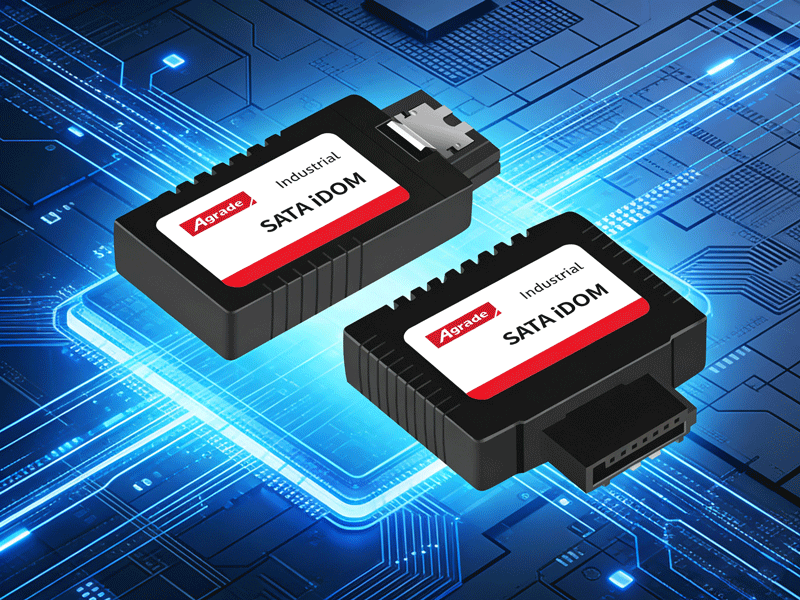
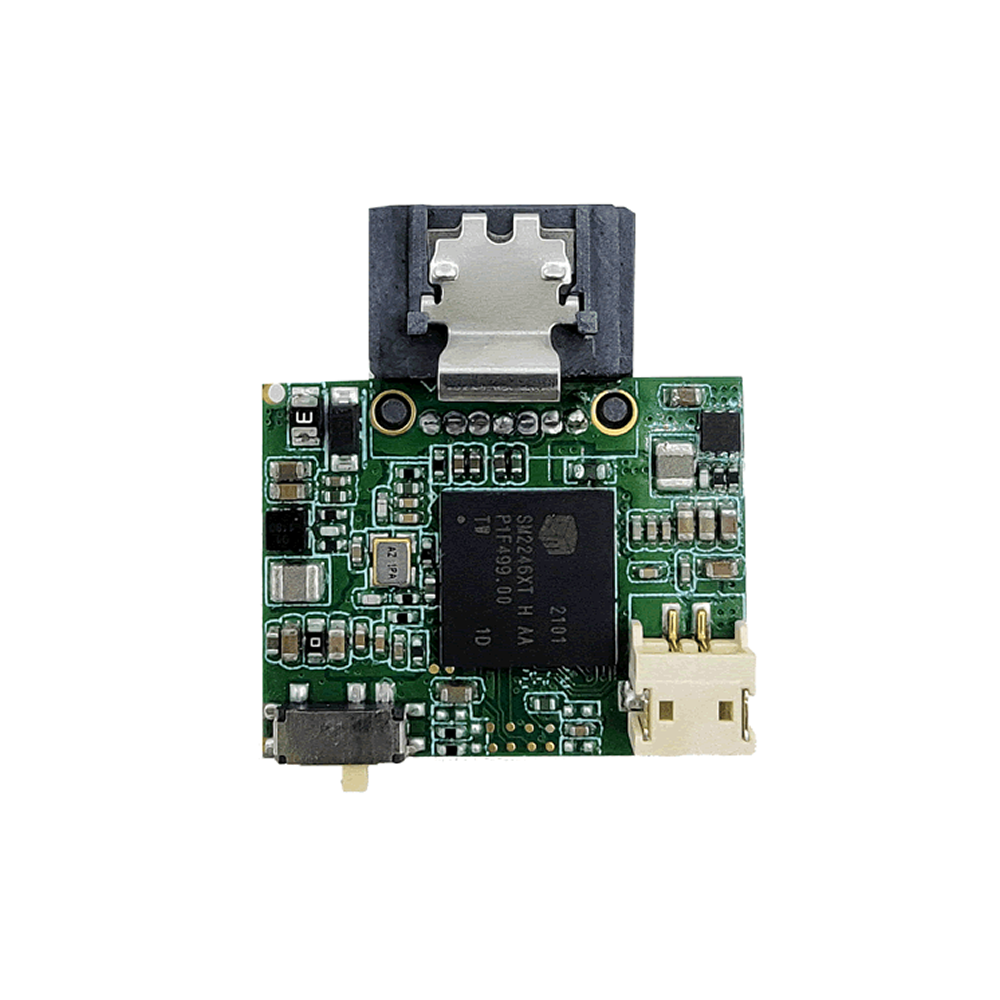
Physically, wide temperature DOM has a compact, plug-and-play design. It connects directly to the motherboard through IDE or SATA interfaces without additional cables or power supply. This structure greatly saves internal space and improves anti-shock performance. Since there are no moving parts, it is more durable than traditional hard drives and can resist mechanical shock up to 1500G.
In terms of data security, wide temperature DOM often includes advanced technologies such as error correction code (ECC), wear leveling, and bad block management. These features extend service life and prevent data loss caused by unstable voltage or temperature changes. For industrial systems that require 24/7 operation, this level of reliability is non-negotiable.
Overall, wide temperature DOM is not just a storage product but a stable foundation for industrial control, IoT terminals, and vehicle-mounted devices. Understanding its core features helps engineers and buyers make more reasonable choices for harsh environment applications.

-
Products
Advantages
-
Solutions
-
News
About us
-
Contact us
Tel:+86 19926658803
Whatsapp:+86 19926658803
lianle1210@163.com
Address: 30CF, Caihong Building, Caihong Road, Futian District, Shenzhen City, Guangdong Province, China



Friendly Links:
