

















News


 电商部
电商部  2026-03-03 16:54:05
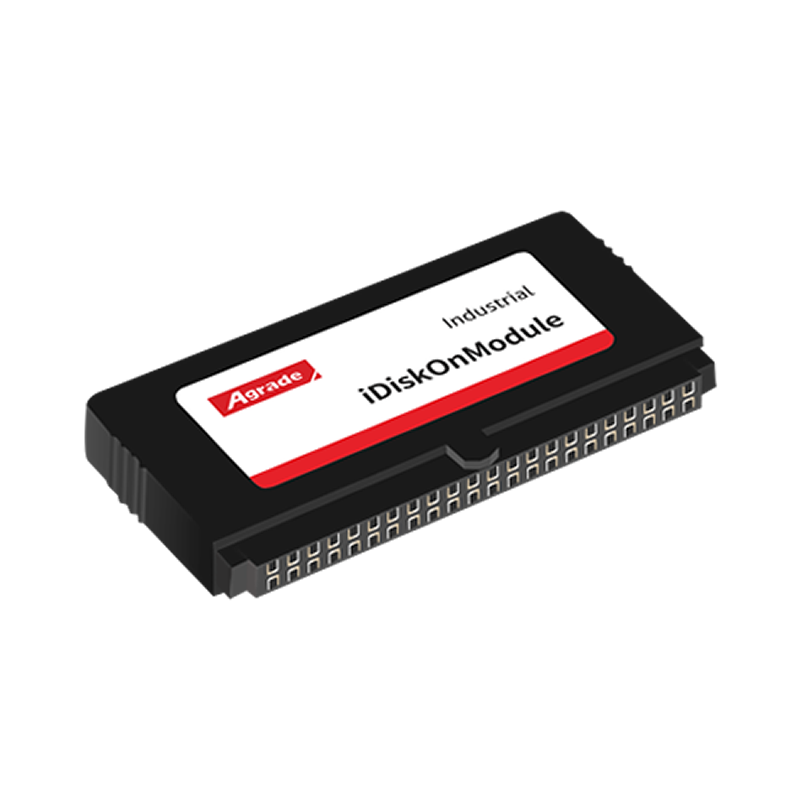
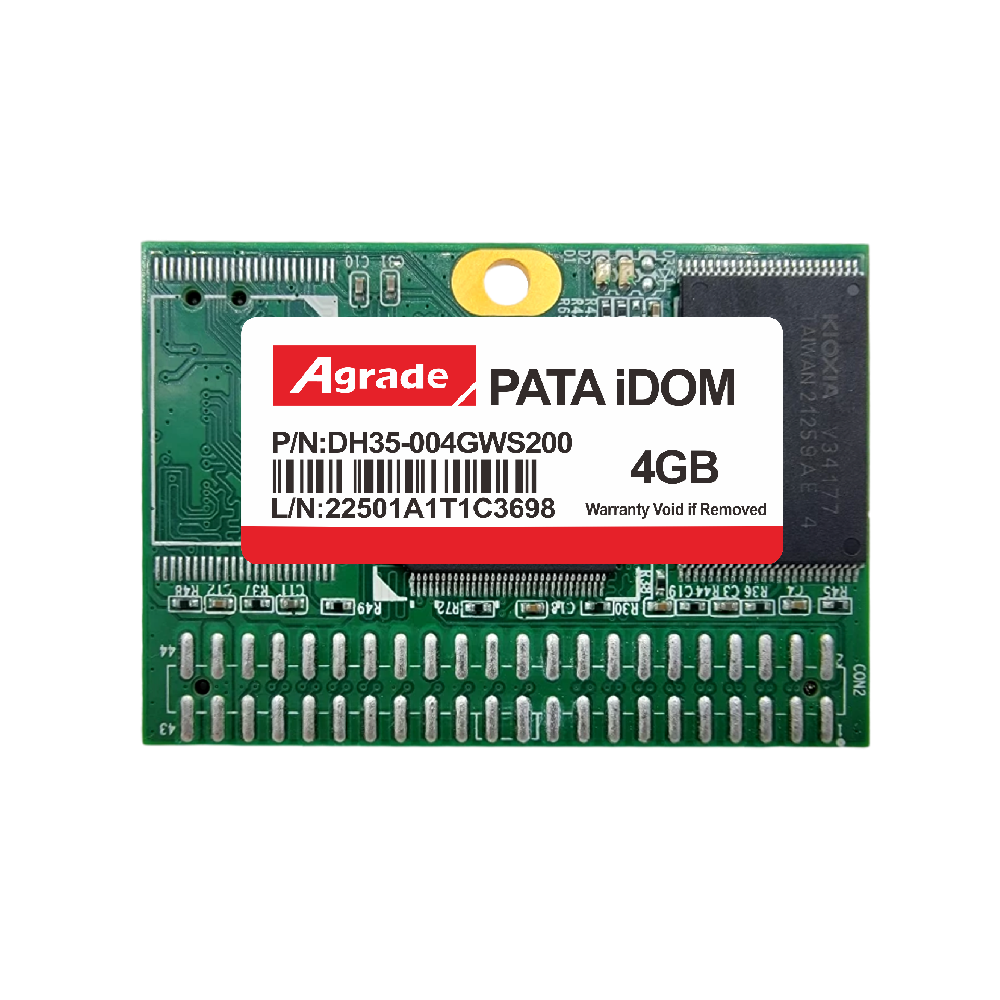
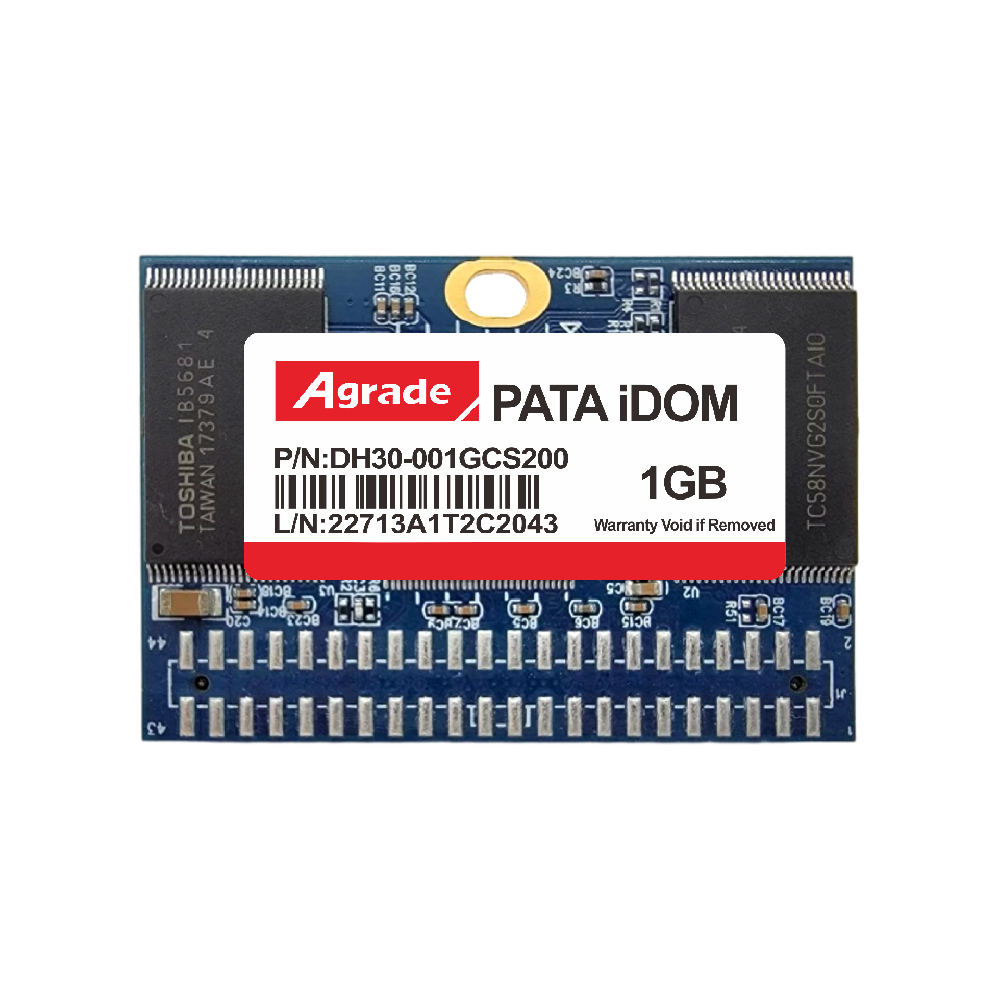
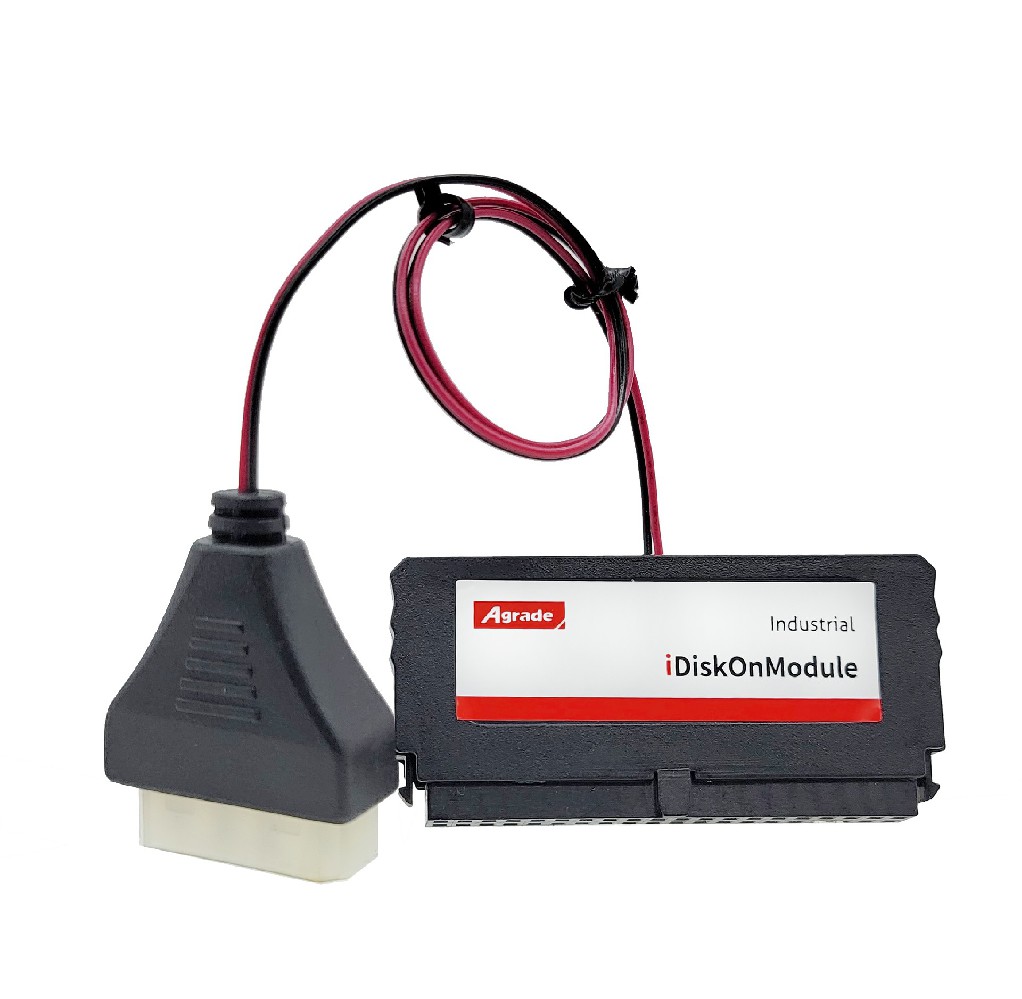
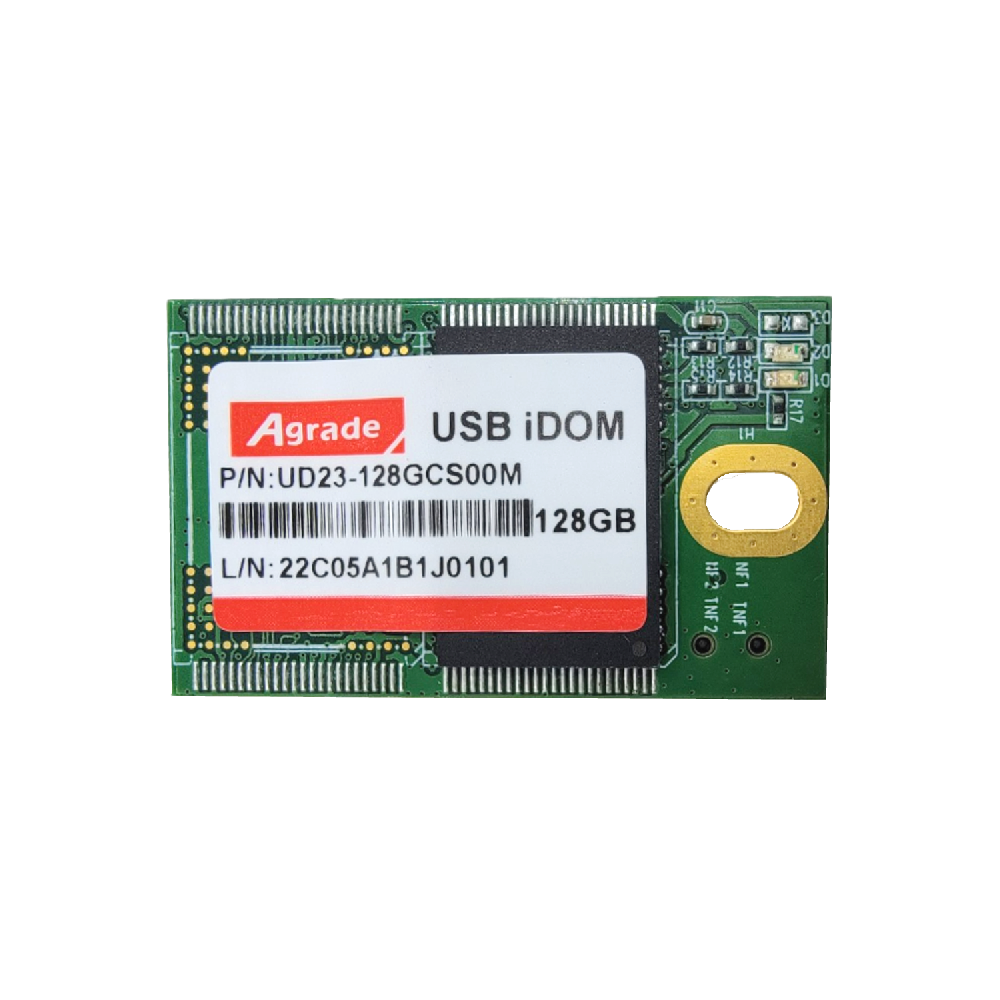
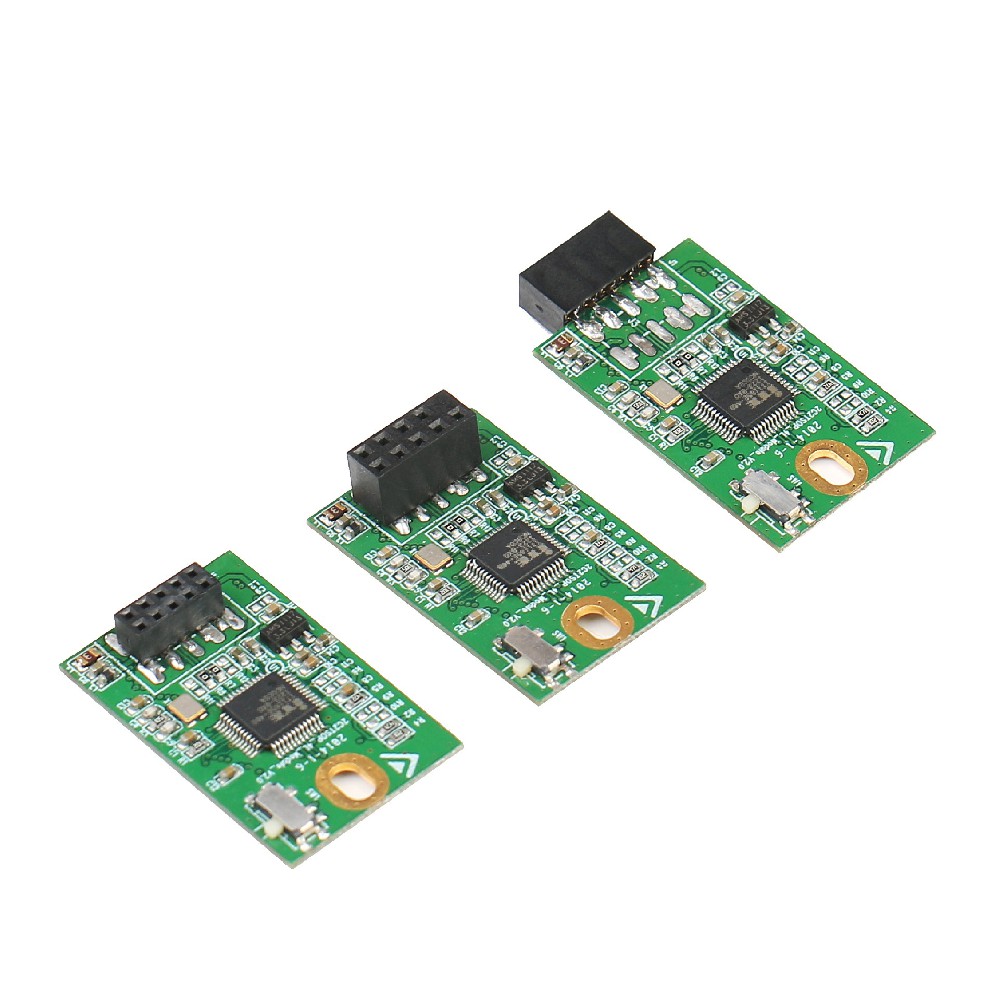
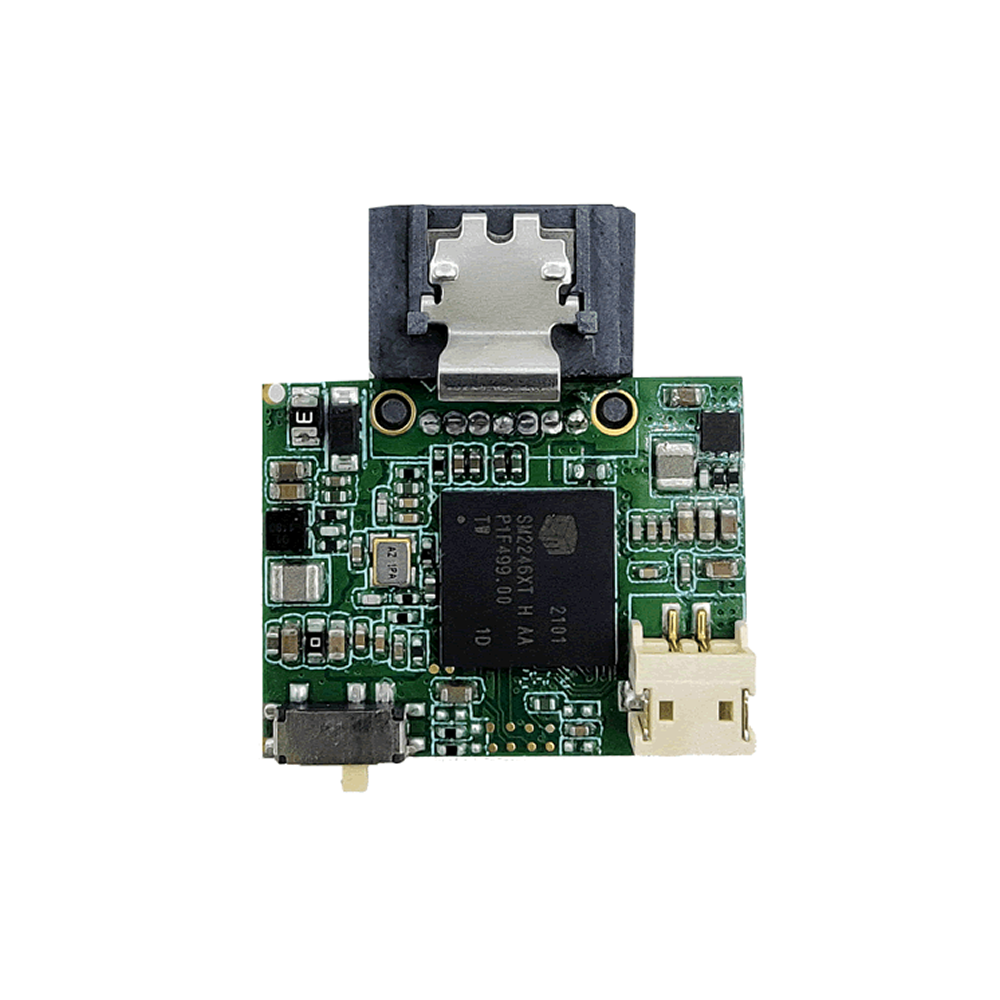
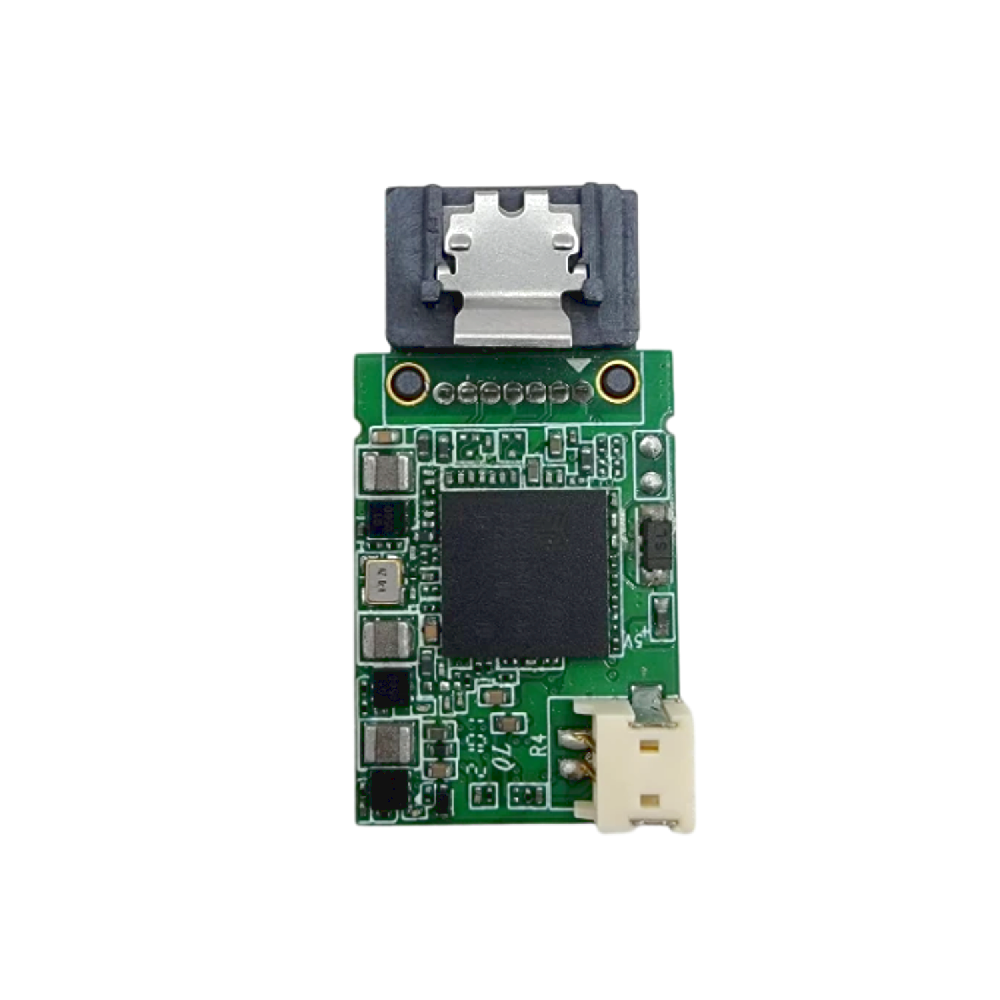
 Wide Temperature DOM vs Normal DOM: What Are the Key Differences?
Many users struggle to distinguish between wide temperature DOM and normal DOM. Although they look similar in appearance, their internal structure, component quality, and application scope are completely different. Choosing the wrong type may lead to system crashes, data loss, and increased maintenance costs.
The most obvious difference is the operating temperature range. Normal DOM uses commercial-grade components and can only work safely between 0°C and 70°C. Wide temperature DOM uses rigorously screened chips that support -40°C to +85°C, ensuring stable reading and writing even in severe cold or intense heat.
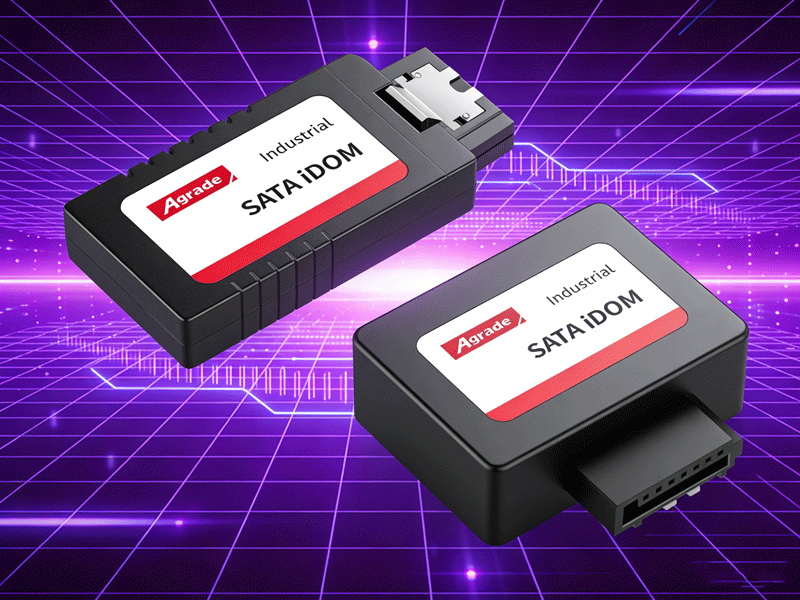
Component selection is another critical distinction. Wide temperature DOM uses industrial NAND flash, high-temperature-resistant capacitors, and anti-aging PCBs. Normal DOM uses consumer-grade parts that cannot withstand long-term harsh environments. Manufacturers usually perform strict high and low temperature cycle tests on wide temperature products before delivery.
Durability and lifespan also vary greatly. Wide temperature DOM generally uses SLC or MLC flash, which provides longer life and higher stability. Normal DOM often uses TLC flash, which has a shorter lifespan and is not suitable for frequent writing. In addition, wide temperature DOM has stronger anti-vibration and anti-interference ability.
Application scenarios are completely different. Normal DOM is used in offices, banks, and indoor commercial equipment. Wide temperature DOM is widely used in industrial control, automotive electronics, outdoor monitoring, and military equipment.
In summary, wide temperature DOM is more reliable and durable, even though it costs slightly more. For projects requiring long-term stable operation, wide temperature DOM is the only practical choice.

-
Products
Advantages
-
Solutions
-
News
About us
-
Contact us
Tel:+86 19926658803
Whatsapp:+86 19926658803
lianle1210@163.com
Address: 30CF, Caihong Building, Caihong Road, Futian District, Shenzhen City, Guangdong Province, China



Friendly Links:
