


































News


 电商部
电商部  2026-03-09 11:55:13
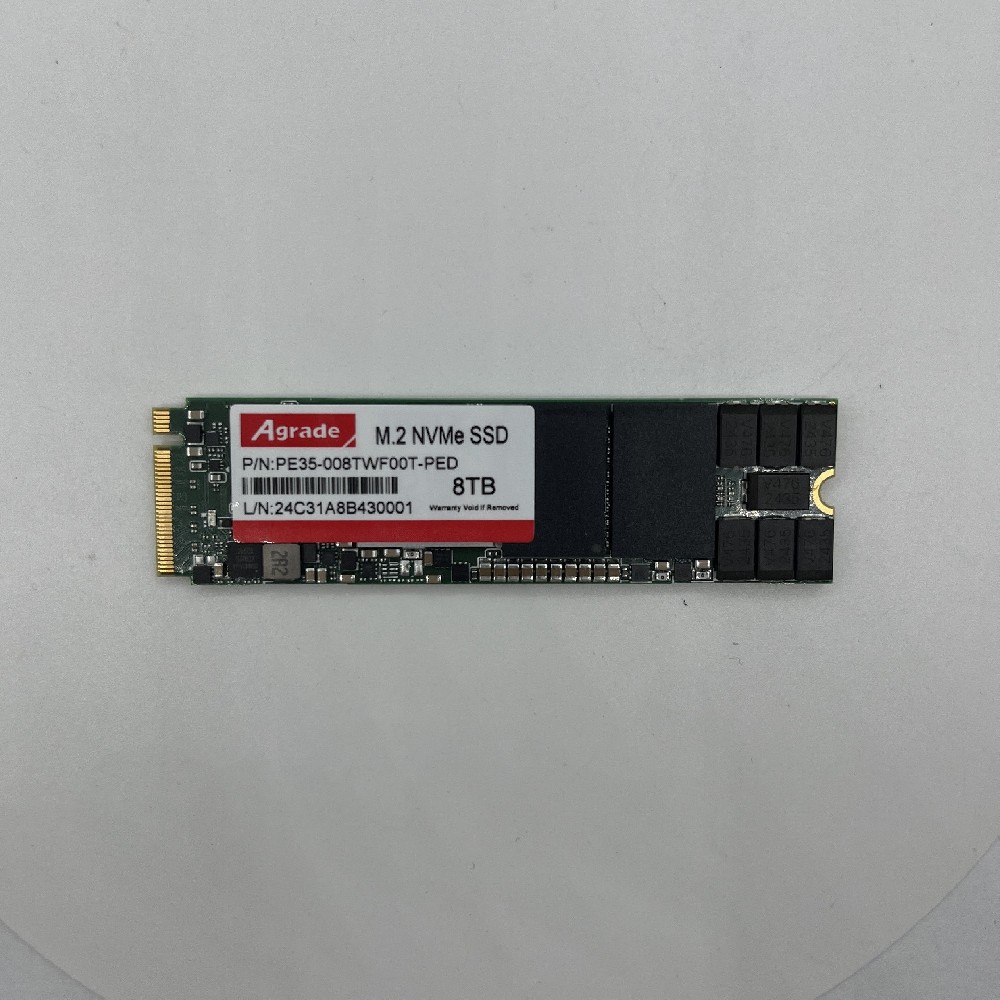
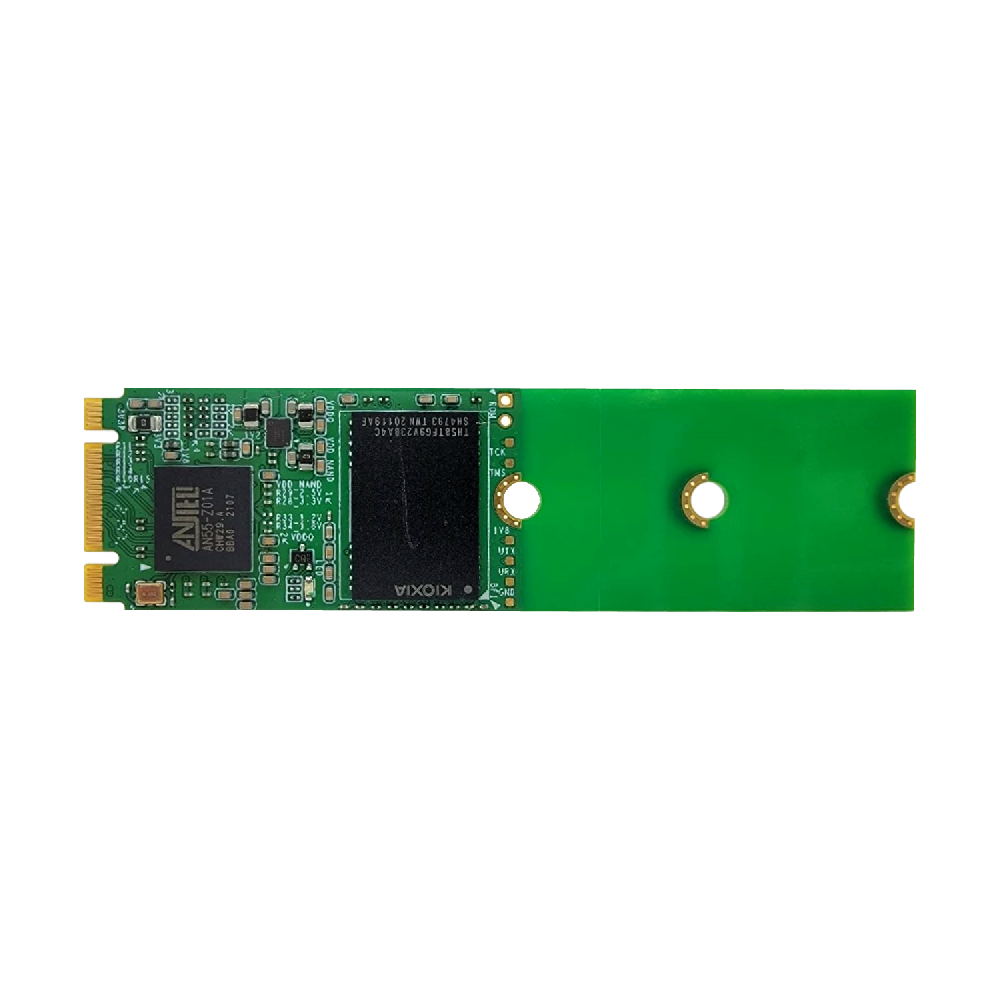
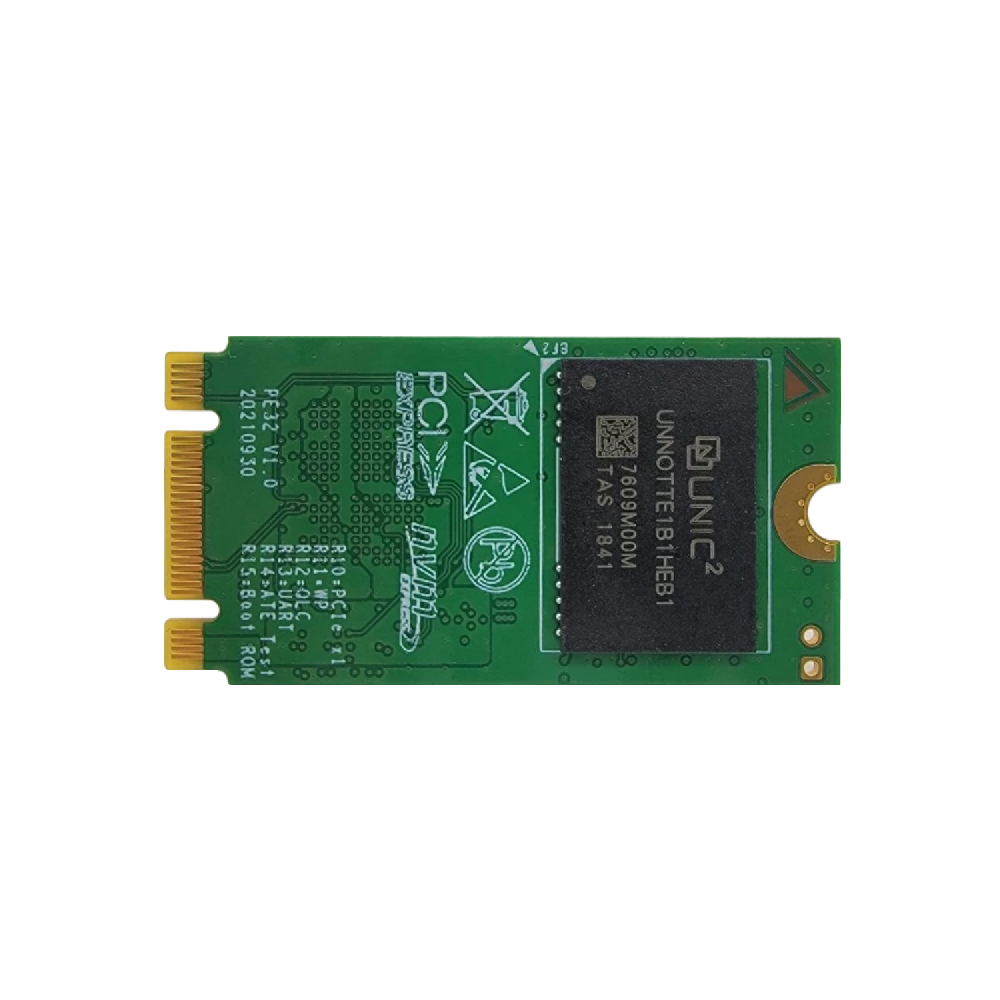
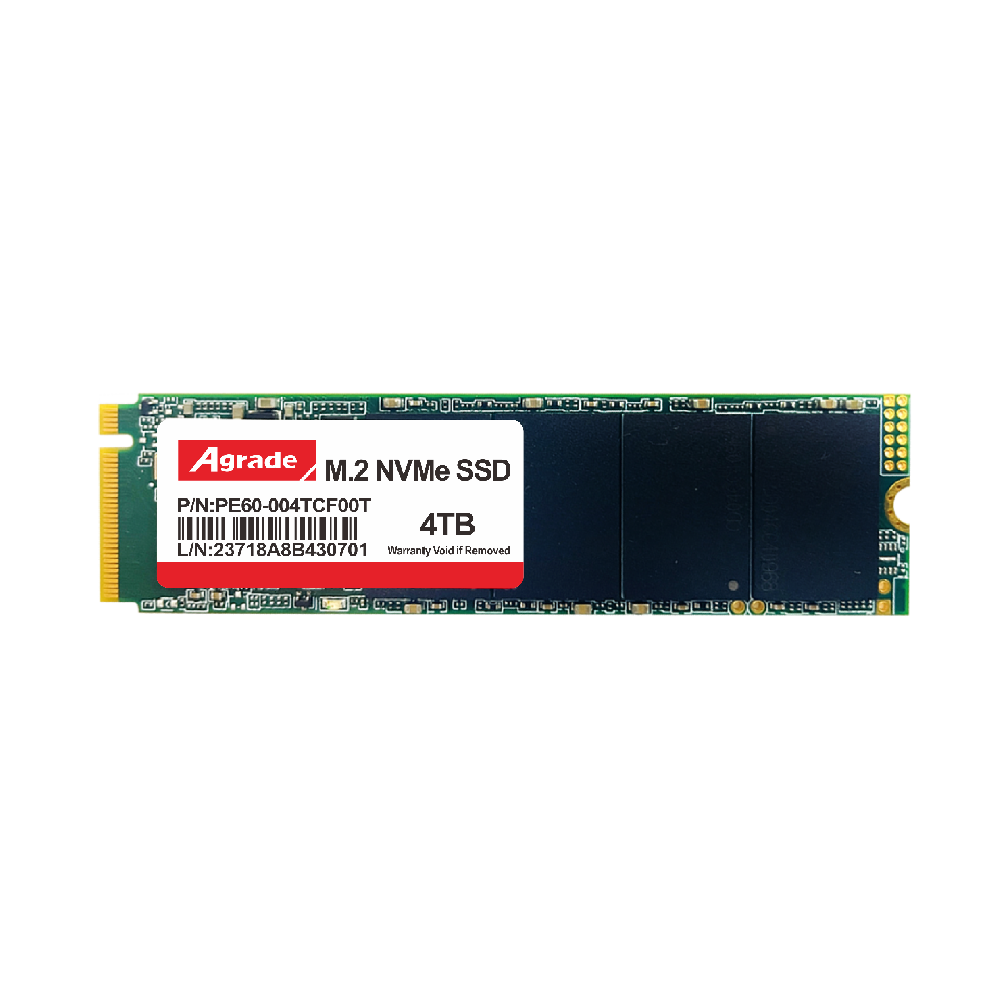
 Wide Temperature M.2 NVMe Operating Temperature Ranges: Main Specs & Selection Guide
The operating temperature range is the most critical technical specification of a Wide Temperature M.2 NVMe drive, as it directly determines whether the drive can perform reliably in a given application. With a wide variety of options available on the market, each with different temperature ratings, selecting the right drive requires a clear understanding of your application’s environmental conditions and performance requirements. In this article, we’ll explore the main operating temperature ranges of Wide Temperature M.2 NVMe drives, explain how to interpret these specs, and provide a step-by-step guide to selecting the right drive for your needs.

Most commercial Wide Temperature M.2 NVMe drives fall into two main categories: standard wide temperature and ultra-wide temperature. The standard wide temperature range is -40°C to 85°C (-40°F to 185°F), which is the most common and widely used specification. This range is suitable for the majority of industrial, automotive, and outdoor applications, including industrial control systems, automotive infotainment, outdoor surveillance cameras, and high-altitude monitoring equipment. It covers the extreme temperatures encountered in most parts of the world, from the cold winters of northern regions to the hot summers of tropical areas.
Ultra-wide temperature Wide Temperature M.2 NVMe drives are designed for more extreme conditions, with operating ranges extending to -55°C to 95°C (-67°F to 203°F). These drives are typically used in specialized applications such as aerospace, military equipment, and extreme industrial environments (e.g., metallurgy, chemical processing). They require even more rigorous component selection and testing, including extended high and low-temperature aging tests, to ensure reliability in ultra-harsh conditions. While these drives offer superior temperature tolerance, they are also more expensive and less commonly available than standard wide temperature drives.
When selecting a Wide Temperature M.2 NVMe drive, it’s important to not only consider the nominal operating temperature range but also the “derated temperature range” and the actual environmental conditions where the drive will be installed. The derated temperature range refers to the temperature range in which the drive can operate at full performance; outside this range, the drive may experience slight performance degradation (e.g., reduced read/write speeds) but will still function reliably. For example, a drive with a nominal range of -40°C to 85°C may have a derated range of -40°C to 75°C, meaning it will operate at full speed between -40°C and 75°C, and at slightly reduced speed between 75°C and 85°C.
Another important consideration is the installation environment. If the drive will be installed in a closed enclosure (e.g., an industrial control cabinet or a car’s engine compartment), the actual temperature inside the enclosure may be higher than the ambient temperature. In such cases, it’s recommended to select a drive with a temperature range that exceeds the expected maximum enclosure temperature by 5-10°C to ensure reliable operation. Additionally, it’s important to choose a drive from a reputable manufacturer that provides detailed temperature testing reports, as some low-quality drives may exaggerate their temperature specifications (known as “spec sheet washing”).
Finally, it’s worth noting that the form factor (2230, 2242, 2280, etc.) of the Wide Temperature M.2 NVMe drive does not affect its temperature range. All form factors are available in standard and ultra-wide temperature versions, so you can select the form factor that best fits your device’s physical constraints without compromising on temperature tolerance.

-
Products
Advantages
-
Solutions
-
News
About us
-
Contact us
Tel:+86 19926658803
Whatsapp:+86 19926658803
lianle1210@163.com
Address: 30CF, Caihong Building, Caihong Road, Futian District, Shenzhen City, Guangdong Province, China



Friendly Links:
