

























News


 电商部
电商部  2026-03-09 12:01:15
 Wide Temperature M.2 NVMe Trends: Technology Upgrades & Application Expansion
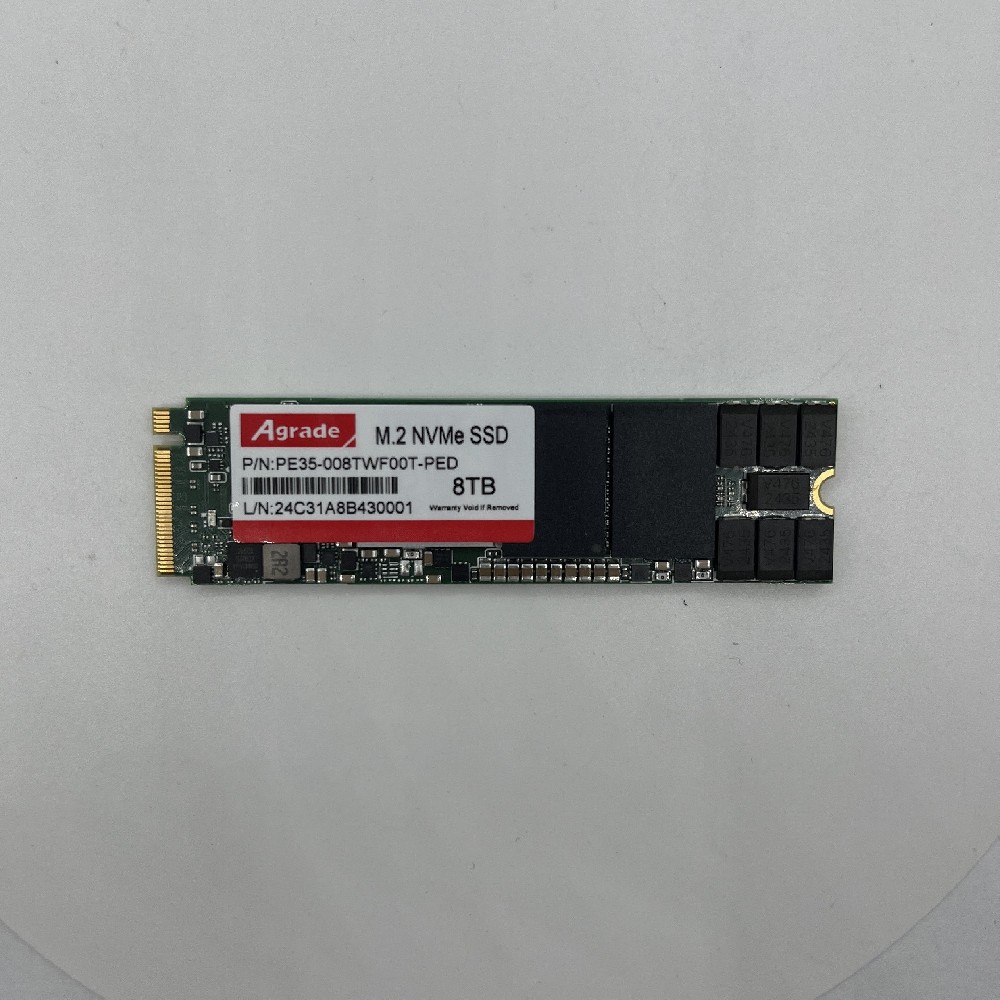
As industrialization, digitalization, and the Internet of Things (IoT) continue to advance, the demand for reliable storage solutions in extreme environments is growing rapidly. Wide Temperature M.2 NVMe drives, which combine high performance, wide temperature tolerance, and compact size, are at the forefront of this trend. In recent years, we’ve seen significant advancements in Wide Temperature M.2 NVMe technology, as well as an expansion of their applications into new industries. In this article, we’ll explore the latest trends in Wide Temperature M.2 NVMe technology and how they are shaping the future of extreme environment storage.
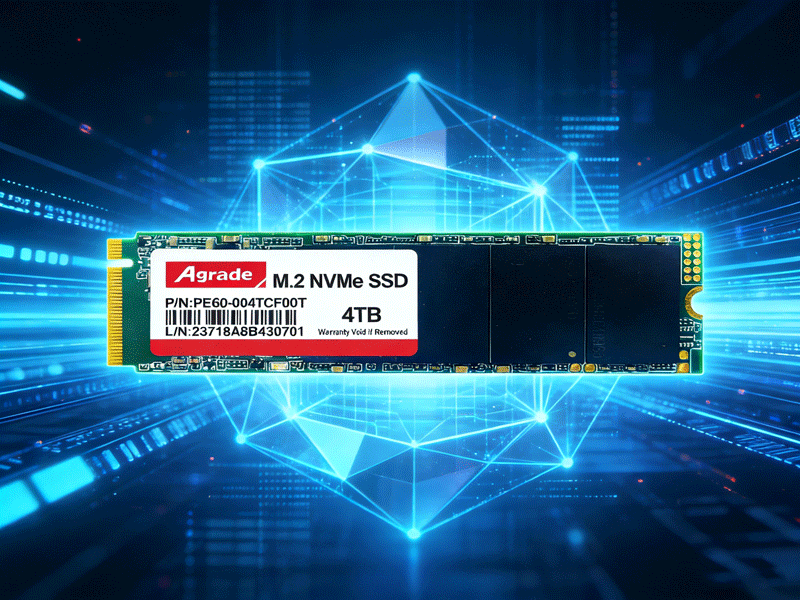
One of the most significant trends in Wide Temperature M.2 NVMe technology is the shift to faster PCIe generations. Most current Wide Temperature M.2 NVMe drives use PCIe 3.0, which provides sequential read speeds of up to 3700MB/s and sequential write speeds of up to 2200MB/s. However, manufacturers are now releasing Wide Temperature M.2 NVMe drives based on PCIe 4.0, which doubles the bandwidth of PCIe 3.0, delivering sequential read speeds of up to 7000MB/s and sequential write speeds of up to 5000MB/s. PCIe 5.0 drives are also in development, with expected speeds of up to 14000MB/s. This increase in speed is critical for applications that require high data throughput, such as autonomous driving, real-time industrial monitoring, and high-resolution video recording.
Another key trend is the improvement in temperature tolerance. While standard wide temperature drives support -40°C to 85°C, manufacturers are developing ultra-wide temperature drives that can operate in ranges of -55°C to 95°C. These drives use advanced components and firmware optimizations to withstand even the harshest environments, making them suitable for aerospace, military, and extreme industrial applications. Additionally, manufacturers are developing drives with adaptive temperature management, which uses AI algorithms to predict temperature changes and adjust the drive’s operation in real time, further improving stability and performance.
Miniaturization is also a major trend in Wide Temperature M.2 NVMe technology. As IoT devices, wearable technology, and微型工业传感器 become smaller and more compact, the demand for smaller storage solutions is growing. Manufacturers are developing Wide Temperature M.2 NVMe drives in smaller form factors, such as 2211 and 2230, which are ideal for small devices. These drives retain all the performance and temperature tolerance of larger form factors but take up less space, making them suitable for applications where size is critical.
Application expansion is another important trend. While Wide Temperature M.2 NVMe drives have traditionally been used in industrial, automotive, and aerospace applications, they are now expanding into new industries. For example, they are being used in portable outdoor testing equipment, such as environmental monitors and geological survey tools, where they need to withstand extreme temperatures and rough handling. They are also being used in smart home devices that are installed outdoors (e.g., outdoor smart thermostats, security cameras), as well as in drones for storing flight data and high-resolution images.
Customization is also becoming more prevalent. As different industries have unique requirements, manufacturers are offering custom Wide Temperature M.2 NVMe drives that are tailored to specific applications. For example, a drive for automotive applications may include additional EMI shielding and vibration resistance, while a drive for aerospace applications may include radiation resistance. Customization options also include temperature range, capacity, form factor, and additional features such as power loss protection and encryption. This allows businesses to select a drive that perfectly matches their application’s needs, rather than settling for a one-size-fits-all solution.
Finally, the cost of Wide Temperature M.2 NVMe drives is decreasing as technology advances and production scales up. This is making them more accessible to small and medium-sized businesses, as well as to applications that were previously too cost-sensitive for industrial-grade storage. As costs continue to decrease, we can expect to see even wider adoption of Wide Temperature M.2 NVMe drives in a variety of industries.

-
Products
Advantages
-
Solutions
-
News
About us
-
Contact us
Tel:+86 19926658803
Whatsapp:+86 19926658803
lianle1210@163.com
Address: 30CF, Caihong Building, Caihong Road, Futian District, Shenzhen City, Guangdong Province, China



Friendly Links:
