






























News


 电商部
电商部  2026-03-12 16:19:06
 The Technical Principles Behind Wide Temperature M.2 SATA SSDs
Wide Temperature M.2 SATA SSDs are engineered to overcome the limitations of standard storage in extreme environments, but their reliability is not by chance—it is the result of careful hardware design, firmware optimization, and thermal management. This article dives into the technical principles that enable wide temperature M.2 SATA SSDs to perform reliably in -40°C to 85°C, breaking down the key technologies that set them apart from consumer SSDs.
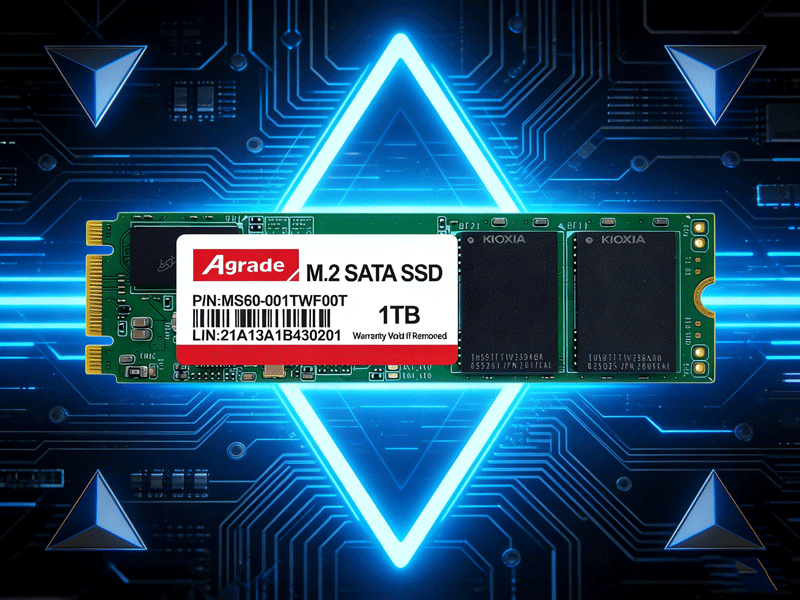
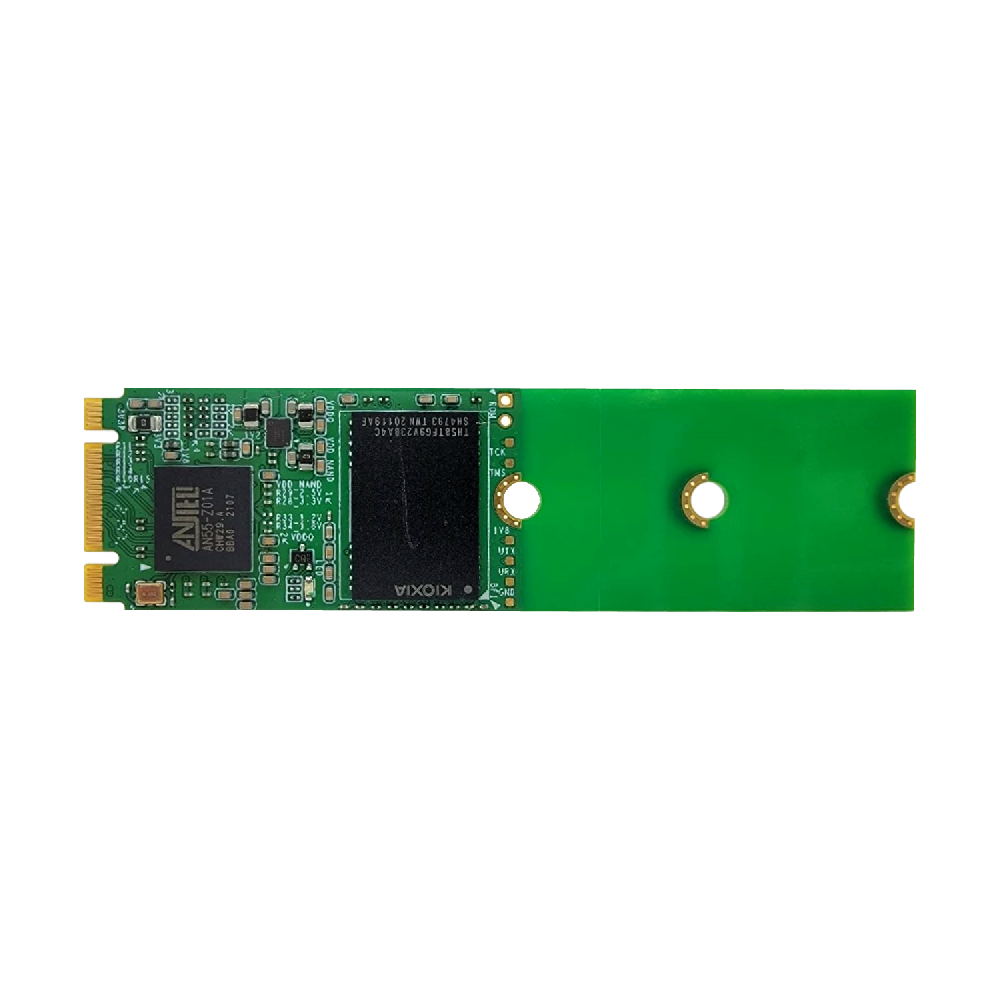
At the core of every wide temperature M.2 SATA SSD is industrial-grade NAND flash memory. Unlike consumer-grade flash, which uses organic materials that become unstable in extreme temperatures, industrial-grade flash uses inorganic materials with a stable crystal structure. This reduces electron drift, which is the main cause of data corruption in extreme cold or heat. Industrial-grade flash also undergoes rigorous thermal cycling testing, ensuring it can withstand repeated temperature changes without degradation. Additionally, these flash particles have a higher P/E cycle count (3,000–10,000), making them more durable for continuous use.
The controller chip is another critical component. Wide temperature SSDs use industrial-grade controllers with built-in temperature sensors that monitor the SSD’s internal temperature in real time. This data is used by the firmware’s temperature compensation algorithm, which adjusts the read/write voltage to maintain performance. In cold temperatures, the algorithm increases the voltage slightly to compensate for reduced electron mobility; in hot temperatures, it reduces the voltage to lower power consumption and heat generation. The controller also features dynamic power management, which adjusts power usage based on workload and temperature to prevent overheating.
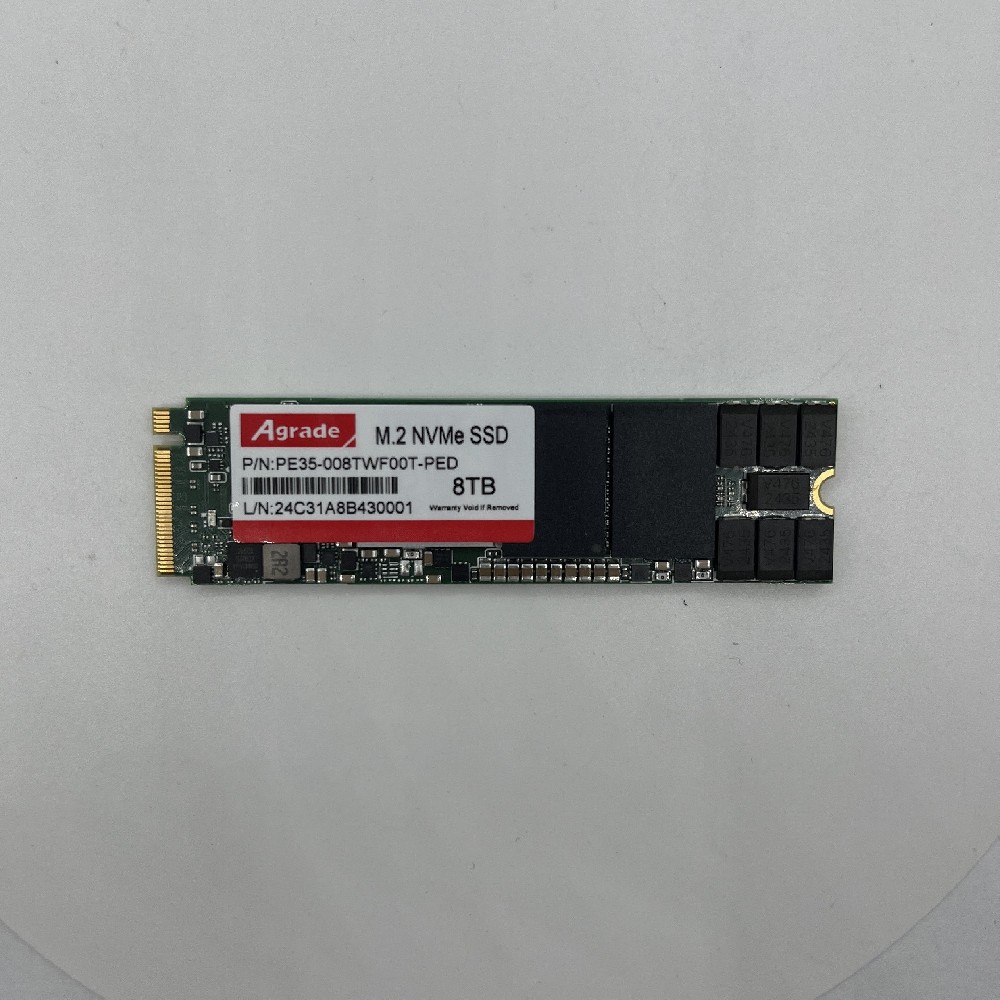
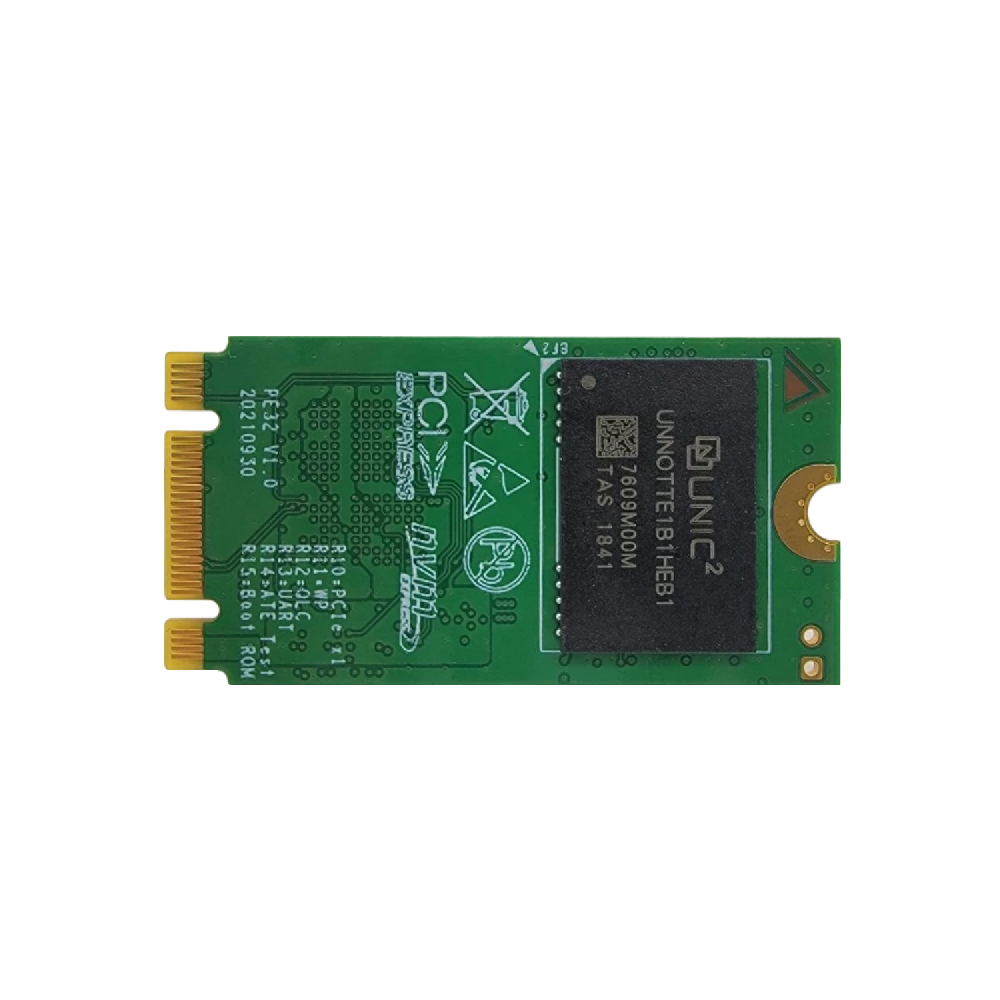
The printed circuit board (PCB) is designed for extreme durability. Wide temperature SSDs use high-heat-resistant FR-4 PCB material with a glass transition temperature (Tg) of 150°C or higher, preventing warping or delamination in high heat. The PCB also has thickened copper layers to improve heat dissipation, ensuring that heat is spread evenly across the board rather than concentrated in one area. Additionally, anti-interference circuits are added to protect against voltage fluctuations caused by temperature changes, which are common in industrial environments.
Thermal management systems are essential for high-temperature performance. Many wide temperature SSDs include a metal heat sink or thermal interface pad (TIM) on the controller chip, which spreads heat across a larger surface area for faster dissipation. Some models also use a copper core PCB to enhance heat transfer. Low-power design is another key aspect—wide temperature SSDs consume just 0.5W to 1.5W of power under load, significantly less than consumer SSDs (2W–3W), which reduces heat generation and extends battery life in IoT and车载 devices.

-
Products
Advantages
-
Solutions
-
News
About us
-
Contact us
Tel:+86 19926658803
Whatsapp:+86 19926658803
lianle1210@163.com
Address: 30CF, Caihong Building, Caihong Road, Futian District, Shenzhen City, Guangdong Province, China



Friendly Links:
