



























News


 电商部
电商部  2026-03-12 16:19:39
 Wide Temperature M.2 SATA SSD Lifespan: How Long Do They Last?
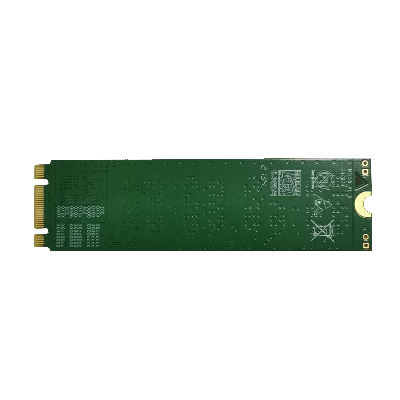
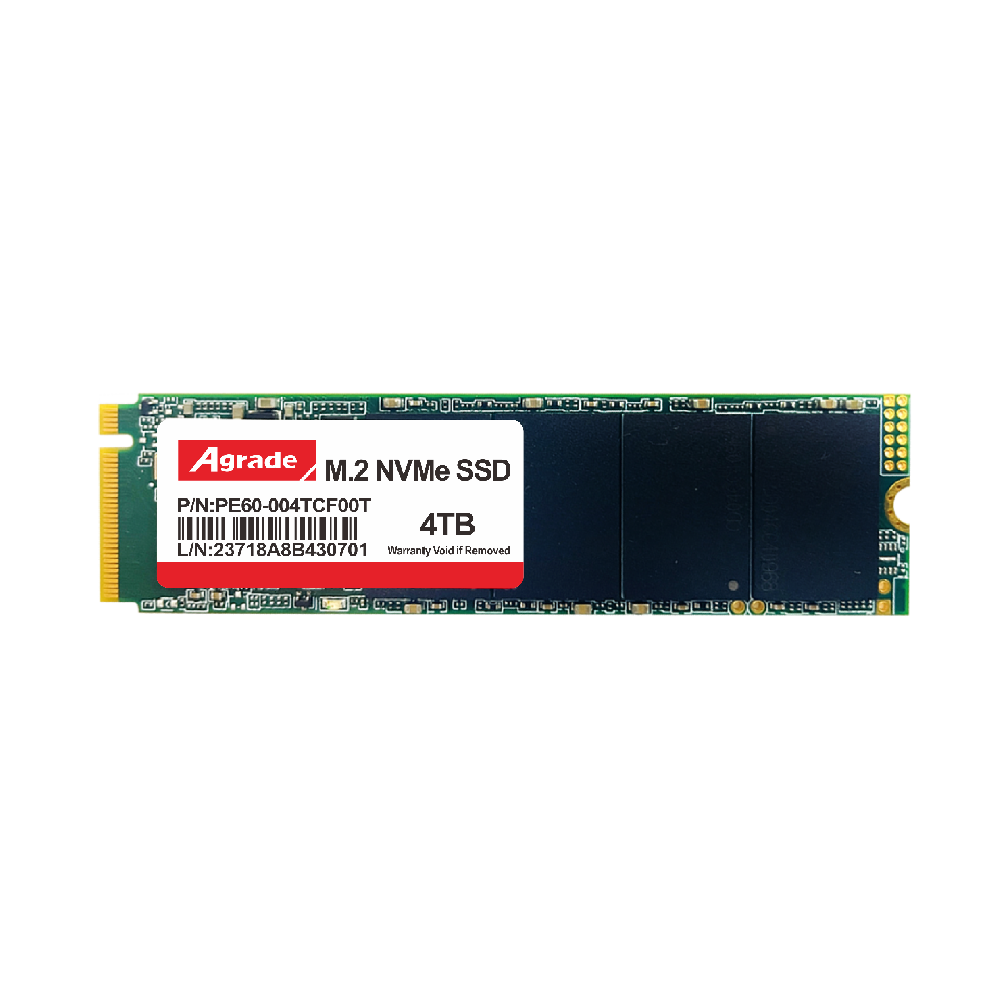
For industrial, automotive, and IoT applications, the lifespan of a storage device is just as important as its performance. Wide Temperature M.2 SATA SSDs are designed to be more durable than standard consumer SSDs, but their lifespan depends on several factors, including hardware quality, usage conditions, and maintenance. This article explains how long wide temperature M.2 SATA SSDs typically last, the factors that affect their lifespan, and how to maximize their durability.
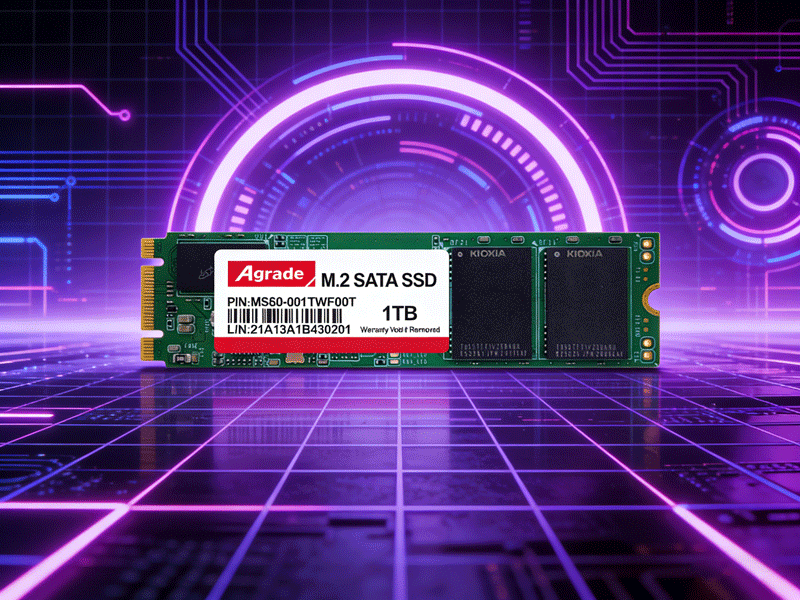
The primary factor determining an SSD’s lifespan is the number of program/erase (P/E) cycles. P/E cycles refer to the number of times a flash memory cell can be written to and erased before it becomes unreliable. Consumer M.2 SATA SSDs typically support 1,000 to 3,000 P/E cycles, while industrial-grade wide temperature M.2 SATA SSDs support 3,000 to 10,000 P/E cycles. This means wide temperature SSDs can withstand 2–3 times more data writes than consumer models, making them ideal for 24/7 industrial operations.
Another key metric is Mean Time Between Failures (MTBF). MTBF measures the average time between unexpected failures, and it is a critical indicator of reliability for industrial applications. Wide temperature M.2 SATA SSDs have an MTBF of 1,000,000 hours or more, which translates to over 114 years of continuous operation. Standard consumer SSDs have an MTBF of around 500,000 hours, less than half that of industrial models. This means wide temperature SSDs are far less likely to fail unexpectedly, reducing downtime and maintenance costs.
Usage conditions also play a significant role in lifespan. While wide temperature SSDs are designed for extreme temperatures, prolonged exposure to the upper or lower limits of their temperature range (e.g., 85°C for months at a time) can slightly reduce their lifespan. Similarly, high workloads—such as continuous data writes in industrial controllers—can wear out flash cells faster. However, advanced firmware features like wear leveling and bad block management help mitigate this by distributing data evenly across all flash cells and isolating damaged blocks, extending the SSD’s lifespan.
Maintenance is another factor that affects lifespan. Regularly updating the SSD’s firmware can improve performance and fix bugs that may reduce durability. Keeping the SSD clean and ensuring proper ventilation (especially in hot environments) can also prevent overheating and extend its life. For车载 and industrial applications, ensuring the SSD is securely mounted to reduce vibration can prevent damage to the PCB and connectors, which can shorten lifespan.
In general, a high-quality wide temperature M.2 SATA SSD will last 5–7 years in typical industrial or automotive applications, and up to 10 years in low-workload scenarios like IoT sensors. This is significantly longer than consumer SSDs, which typically last 3–5 years. By choosing a reliable brand, following maintenance best practices, and matching the SSD to your application’s temperature and workload requirements, you can maximize its lifespan and get the most value from your investment.

-
Products
Advantages
-
Solutions
-
News
About us
-
Contact us
Tel:+86 19926658803
Whatsapp:+86 19926658803
lianle1210@163.com
Address: 30CF, Caihong Building, Caihong Road, Futian District, Shenzhen City, Guangdong Province, China



Friendly Links:
