






News


 电商部
电商部  2026-03-12 16:20:13
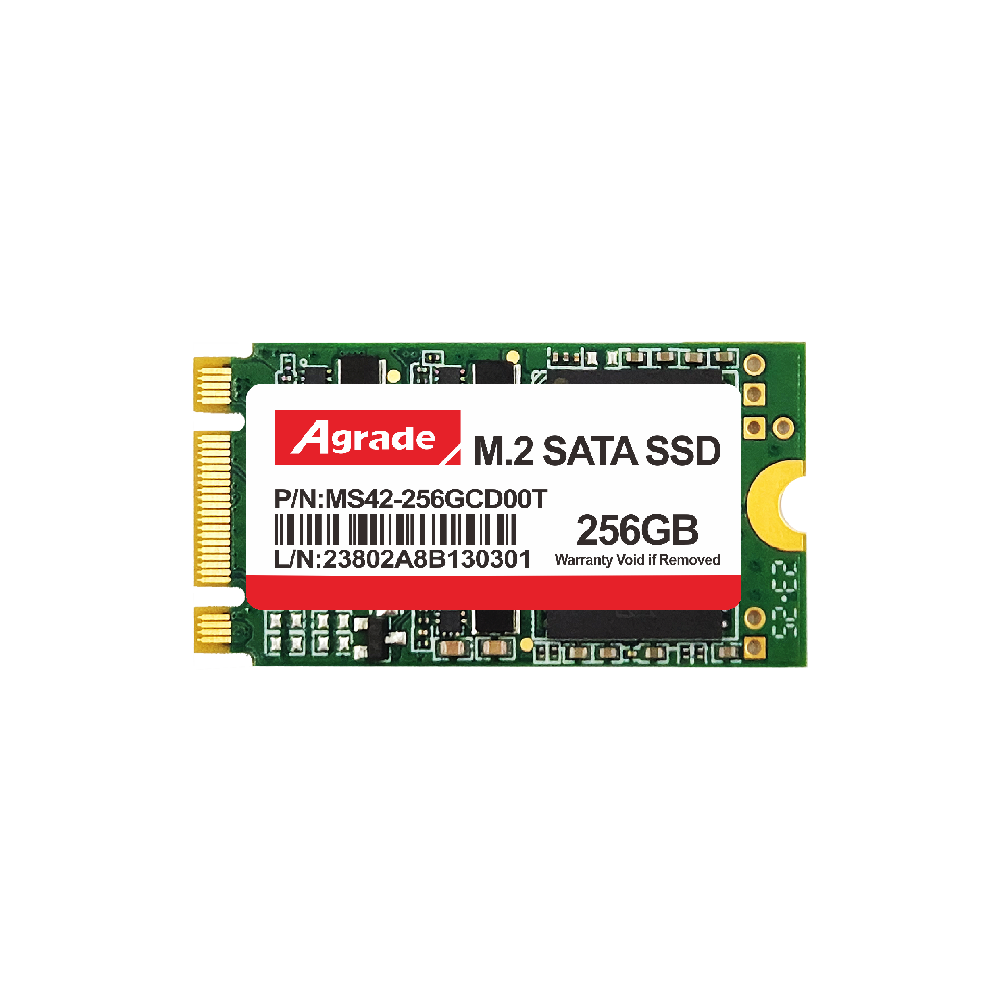
 Common Myths About Wide Temperature M.2 SATA SSDs Debunked
Wide Temperature M.2 SATA SSDs are becoming more popular in industrial, automotive, and IoT applications, but there are many myths and misconceptions surrounding them. These myths can lead to poor purchasing decisions, resulting in costly failures and downtime. This article debunks the most common myths about wide temperature M.2 SATA SSDs, providing accurate information to help you make informed choices.
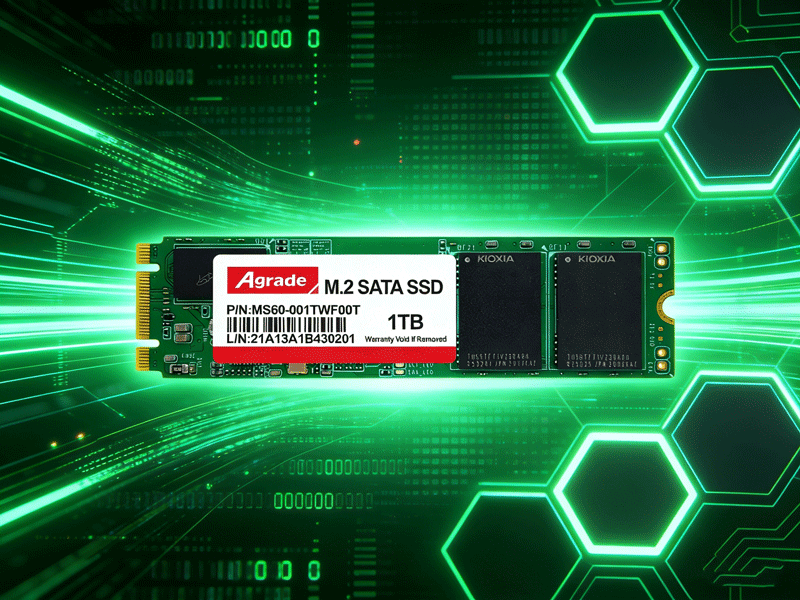
Myth 1: Wide temperature M.2 SATA SSDs are slower than standard SSDs. This is one of the most common misconceptions. In reality, wide temperature SSDs use the same SATA 3.0 protocol as standard M.2 SATA SSDs, offering identical baseline performance—sequential read speeds up to 550MB/s and sequential write speeds up to 500MB/s. While some low-quality models may experience a slight performance drop in extreme temperatures (5–10%), high-quality industrial-grade models maintain 90% or more of their baseline performance across their entire temperature range. Standard SSDs, by contrast, fail completely outside 0°C–70°C, making them slower (or unusable) in extreme environments.
Myth 2: All wide temperature M.2 SATA SSDs are the same. This is false—there is a significant difference between entry-level车载 wide temperature SSDs and industrial-grade models. Entry-level models may only support -20°C to 70°C, use lower-quality flash, and have fewer P/E cycles. Industrial-grade models support -40°C to 85°C, use original-manufacturer industrial-grade flash, and have higher MTBF ratings. Always check the datasheet and test reports to confirm the SSD’s specifications, as some manufacturers label consumer SSDs as “wide temperature” to capitalize on the trend.
Myth 3: Wide temperature SSDs are too expensive. While it’s true that wide temperature M.2 SATA SSDs cost more than consumer SSDs, their higher price is justified by their durability and reliability. The cost of a single system failure (e.g., a production line halt or a车载 system crash) is far higher than the premium for a wide temperature SSD. Additionally, wide temperature SSDs have a longer lifespan (5–10 years) than consumer SSDs (3–5 years), making them more cost-effective in the long run for specialized applications.
Myth 4: You don’t need a wide temperature SSD if you use a heat sink. A heat sink can help dissipate heat in high-temperature environments, but it cannot solve the core issue: consumer SSDs use flash memory and controllers that are not designed for extreme temperatures. Even with a heat sink, a consumer SSD will fail at temperatures above 70°C or below 0°C, as the flash cells and controller chip are not built to withstand these conditions. Wide temperature SSDs require specialized hardware and firmware, not just a heat sink, to operate in extreme environments.
Myth 5: Wide temperature SSDs are only for industrial use. While industrial applications are the primary market, wide temperature SSDs are also essential for automotive systems, outdoor IoT devices,冷链物流, and even some consumer applications (like outdoor security cameras). Any device exposed to temperatures outside 0°C–70°C can benefit from a wide temperature SSD, regardless of whether it’s industrial or consumer-facing.

-
Products
Advantages
-
Solutions
-
News
About us
-
Contact us
Tel:+86 19926658803
Whatsapp:+86 19926658803
lianle1210@163.com
Address: 30CF, Caihong Building, Caihong Road, Futian District, Shenzhen City, Guangdong Province, China



Friendly Links:
