





















News


 电商部
电商部  2026-03-12 16:21:29
 The Future of Wide Temperature M.2 SATA SSDs: Trends to Watch in 2024–2025
As industrial automation, smart automotive systems, and IoT continue to evolve, the demand for reliable storage in extreme environments is growing—and Wide Temperature M.2 SATA SSDs are evolving to meet these needs. This article explores the key trends shaping the future of wide temperature M.2 SATA SSDs in 2024–2025, from technological advancements to market growth, helping you stay ahead of the curve.
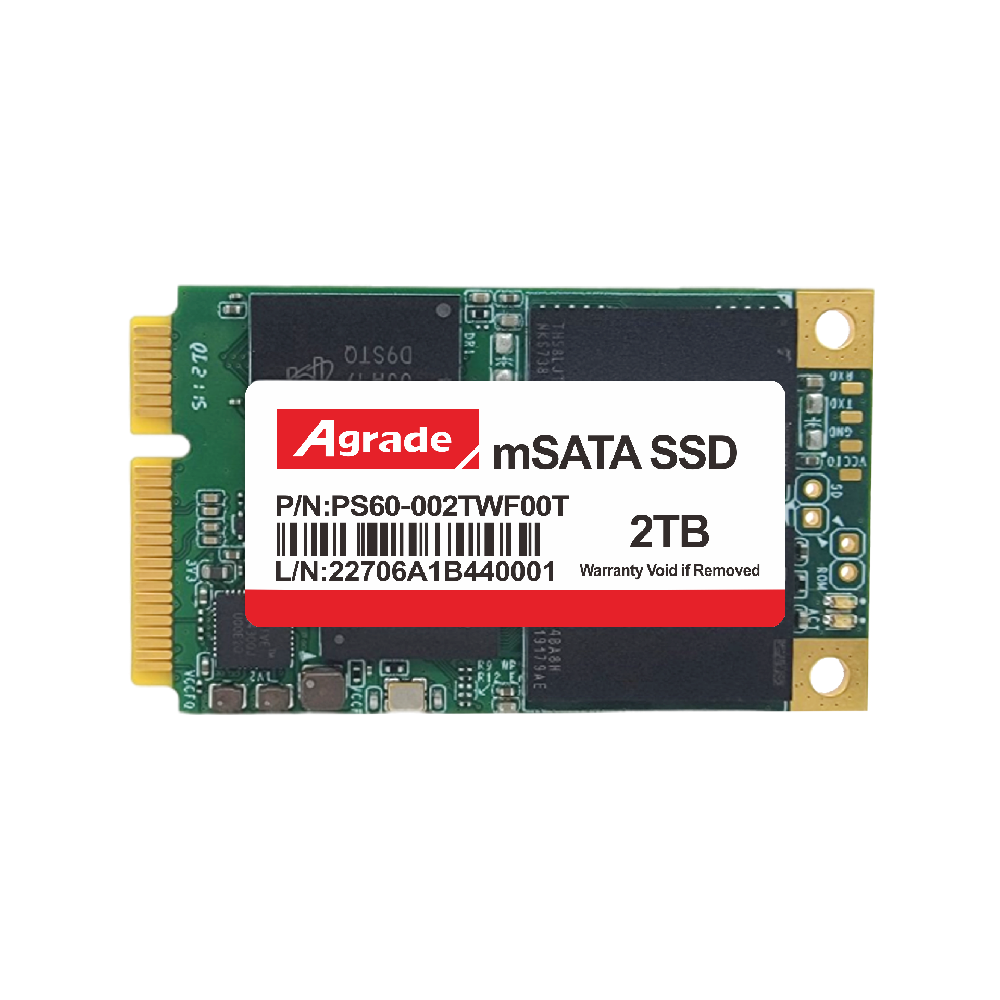
One of the biggest trends is the integration of 3D NAND flash technology. 3D NAND stacks memory cells vertically, increasing storage capacity without increasing the SSD’s physical size. This allows wide temperature M.2 SATA SSDs to offer higher capacities (up to 2TB) in the compact 2280 form factor, meeting the growing demand for large-scale storage in industrial and automotive applications. 3D NAND also improves performance and durability, with higher P/E cycles and faster read/write speeds compared to traditional 2D NAND.
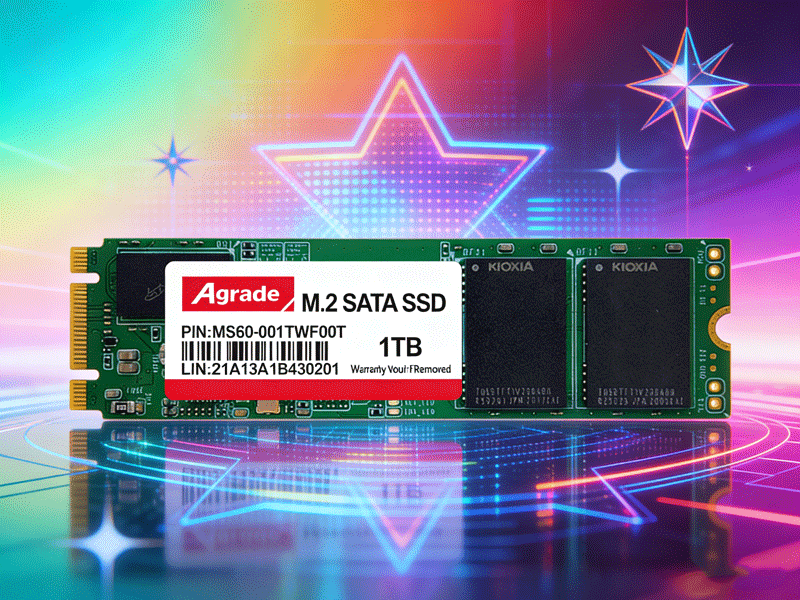
Low-power optimization is another key trend. As IoT devices and portable industrial equipment become more prevalent, there is a growing demand for wide temperature SSDs with lower power consumption. Manufacturers are developing SSDs with operating power as low as 0.3W, which extends battery life in battery-powered devices like IoT sensors and portable industrial controllers. This is achieved through optimized controller design, low-power flash memory, and advanced power management algorithms that reduce power usage during idle periods.
Customization is becoming more common as industries have unique requirements. Manufacturers are offering custom wide temperature M.2 SATA SSDs tailored to specific applications—for example, automotive ADAS systems may require SSDs with enhanced vibration resistance, while military applications may need extended temperature ranges (-55°C to 125°C) and encryption features. Custom firmware development is also on the rise, allowing businesses to optimize SSD performance for their specific workloads and environments.
AI-powered thermal management is an emerging trend that will improve reliability. Some high-end wide temperature SSDs now include AI algorithms that learn from temperature data over time, optimizing power usage and performance in real time. These AI systems can predict temperature changes and adjust the SSD’s operation to prevent overheating or performance drops, ensuring maximum reliability in dynamic environments like industrial factories or automotive systems.
Finally, market growth is expected to accelerate as more industries adopt wide temperature M.2 SATA SSDs. The industrial automation and automotive sectors will remain the largest markets, but growth will also come from IoT, healthcare (e.g., portable medical devices in extreme environments), and renewable energy (e.g., solar inverters). As technology advances and costs decrease, wide temperature SSDs will become more accessible, making them the standard storage solution for any application operating in extreme environments.

-
Products
Advantages
-
Solutions
-
News
About us
-
Contact us
Tel:+86 19926658803
Whatsapp:+86 19926658803
lianle1210@163.com
Address: 30CF, Caihong Building, Caihong Road, Futian District, Shenzhen City, Guangdong Province, China



Friendly Links:
