











News


 电商部
电商部  2025-12-05 09:33:11
 NVMe M.2 SSD vs SATA SSD: Which Should You Buy in 2025?
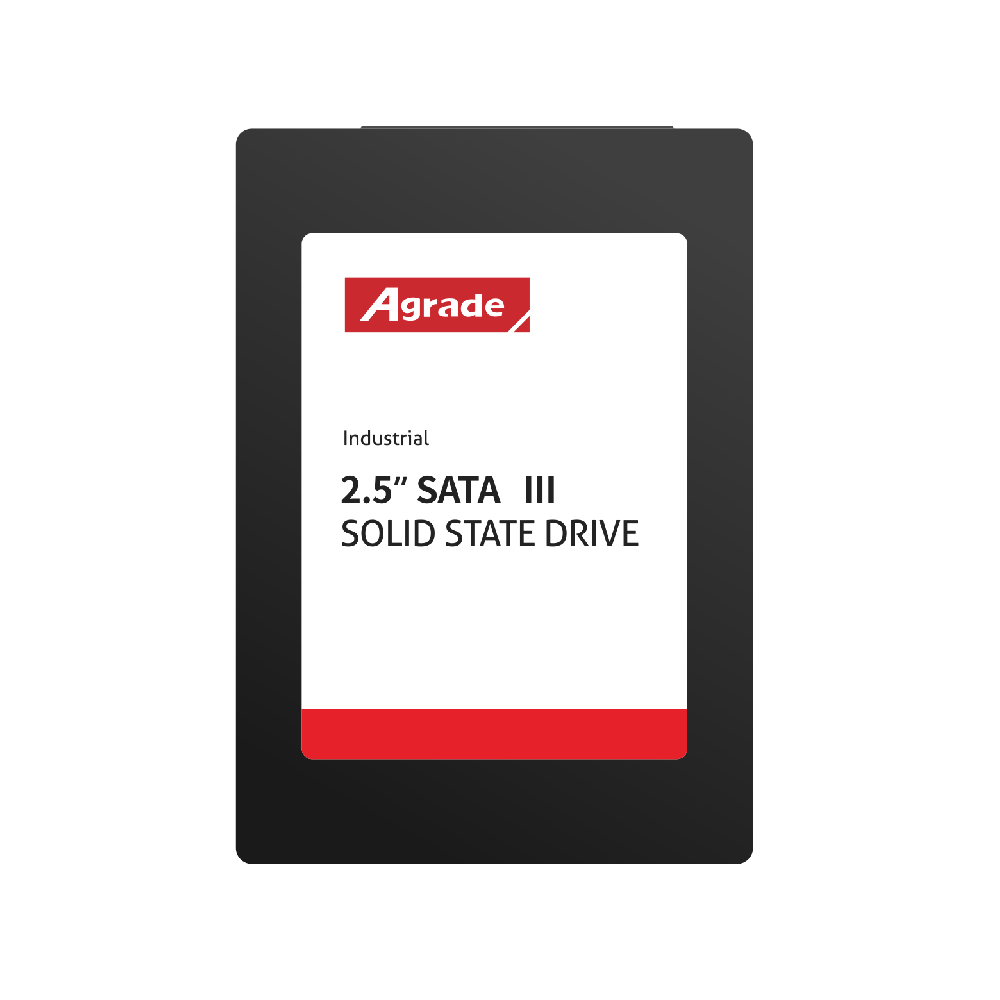
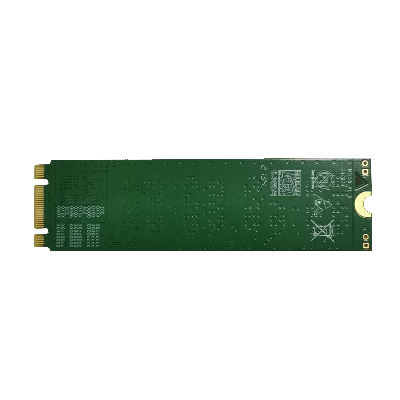
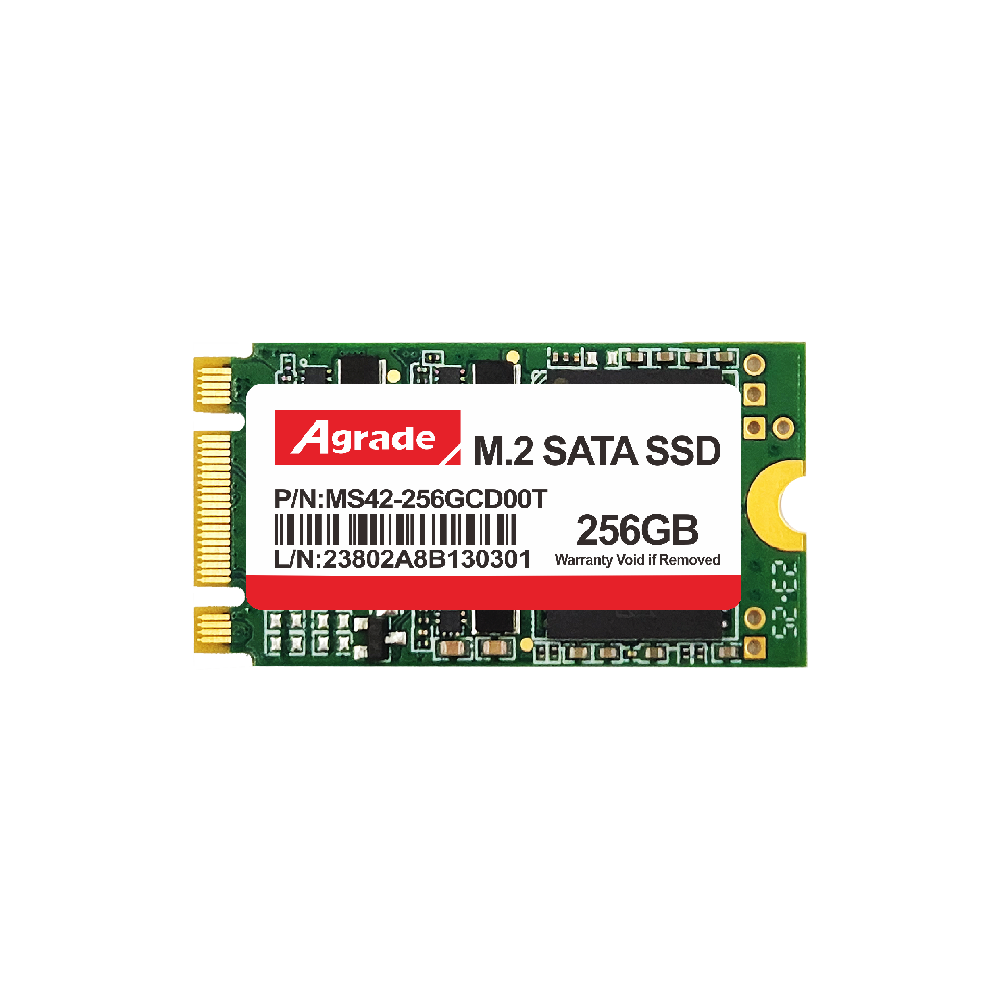
The debate between NVMe M.2 SSDs and SATA SSDs continues to confuse buyers, but understanding their core differences simplifies the choice—especially as storage needs evolve with 4K content, cloud computing, and demanding software. SATA SSDs, the longtime standard for solid-state storage, rely on the aging AHCI (Advanced Host Controller Interface) protocol, originally designed for mechanical hard drives. This legacy architecture forces data to travel through the motherboard’s chipset, creating a theoretical bandwidth limit of 6Gb/s. In real-world use, this translates to sequential read/write speeds of 500-600MB/s ¹, which works for basic tasks like word processing, web browsing, or storing documents. SATA SSDs also shine in affordability: 1TB models typically cost around $40, and their 2.5-inch form factor or M.2 SATA variant ensures compatibility with nearly every computer built since 2010. For users upgrading a pre-2016 laptop or desktop, or those on an extremely tight budget, SATA SSDs remain a reliable upgrade over HDDs, cutting boot times from minutes to seconds and reducing application load delays.
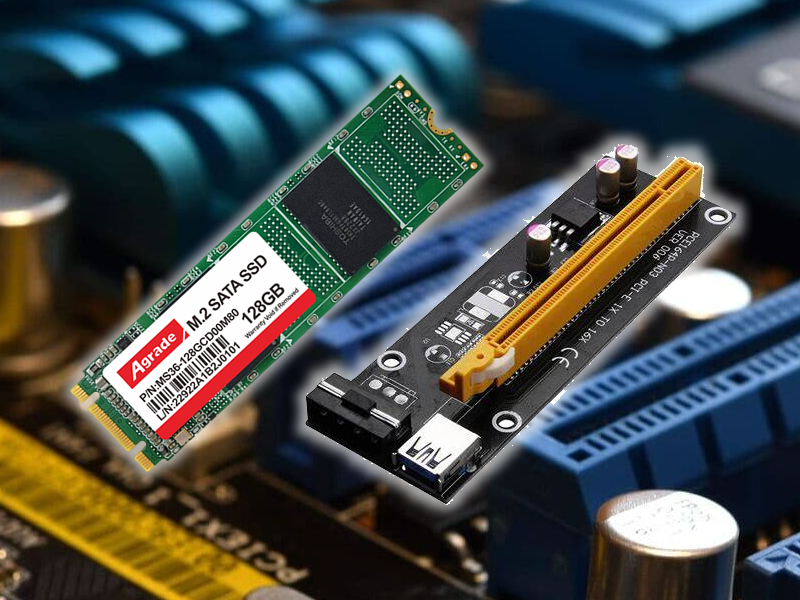
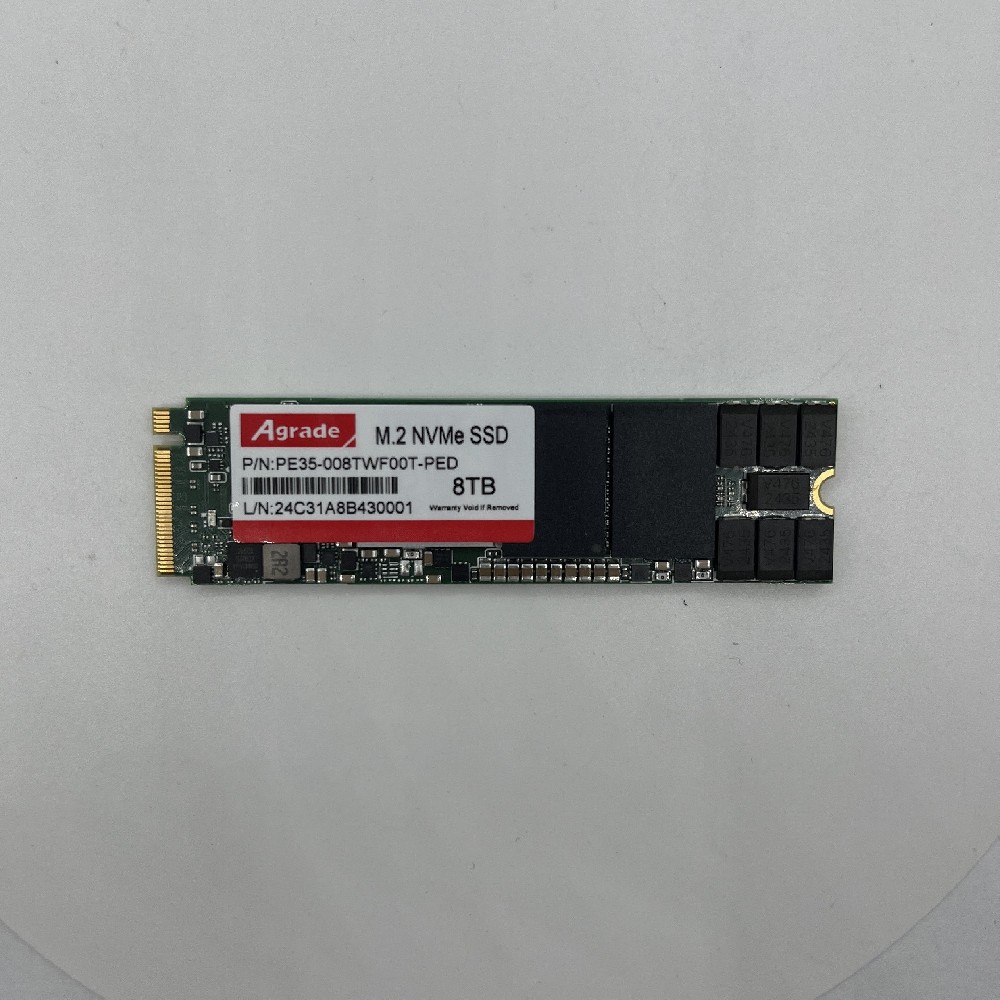
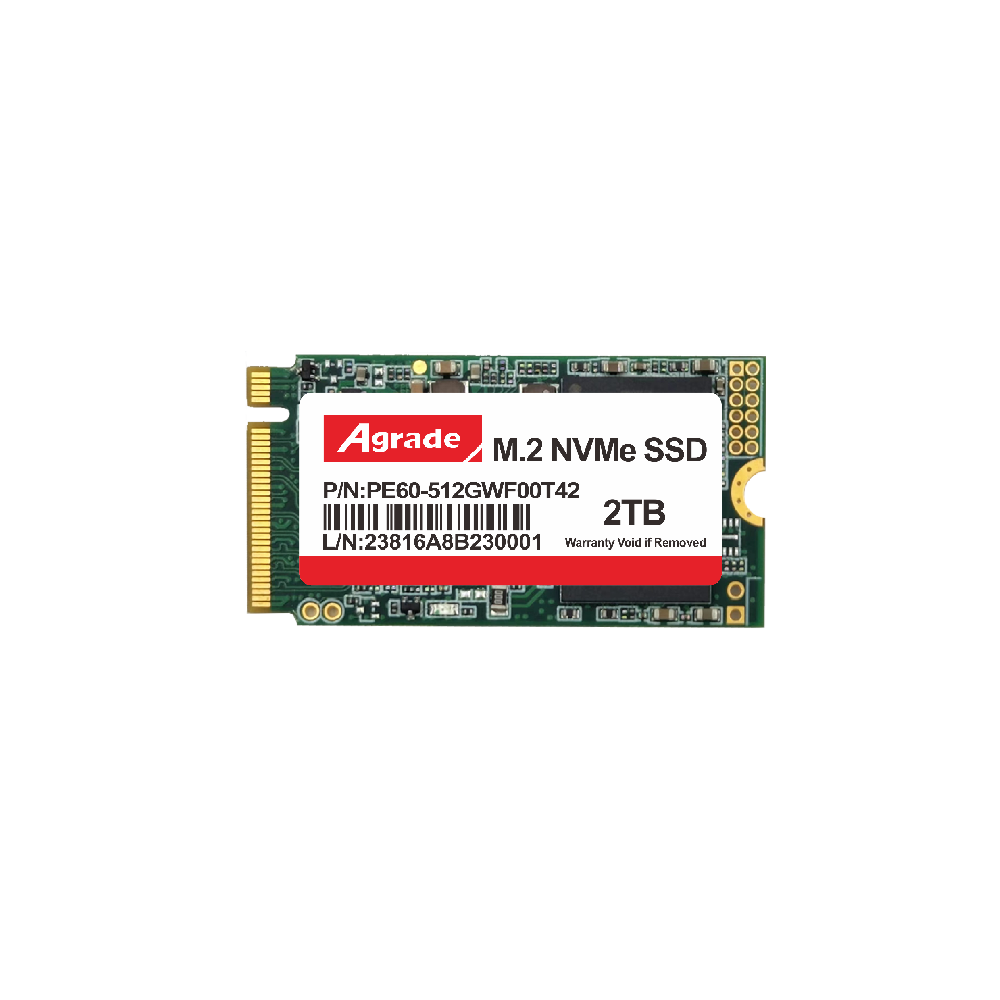
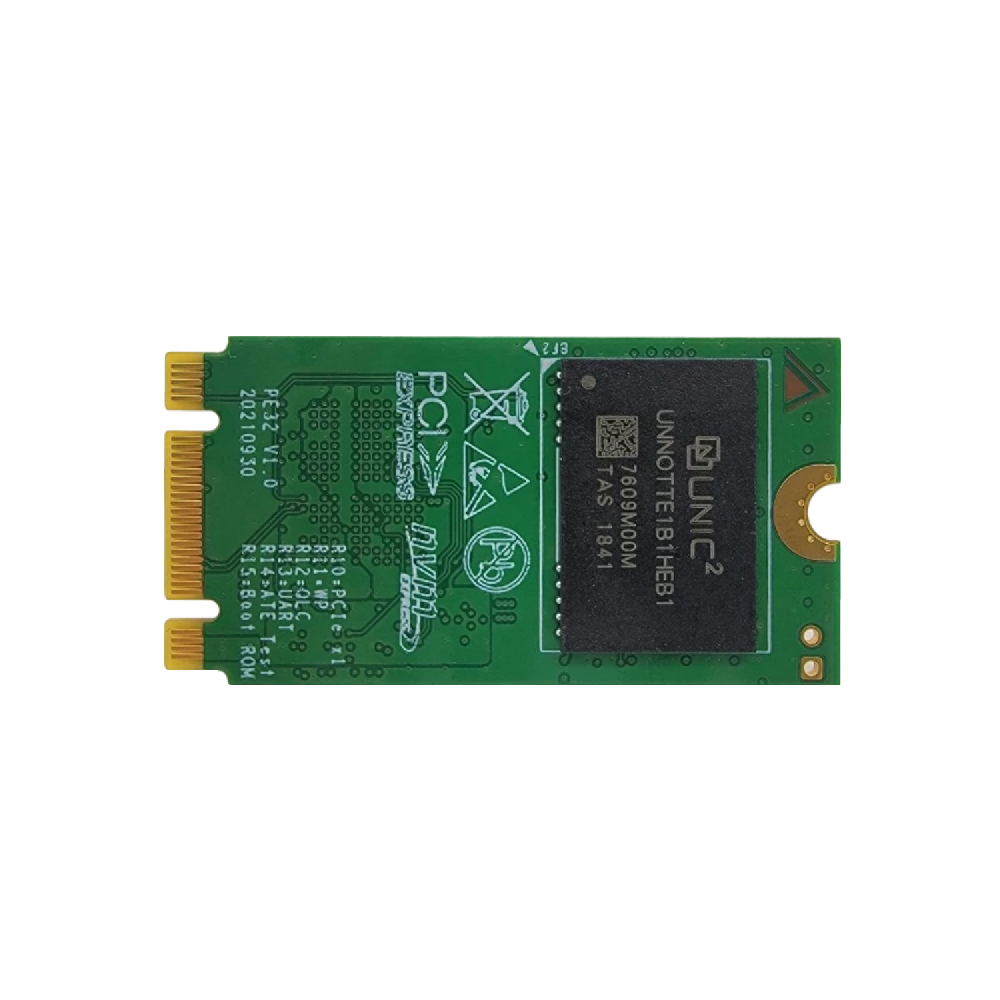
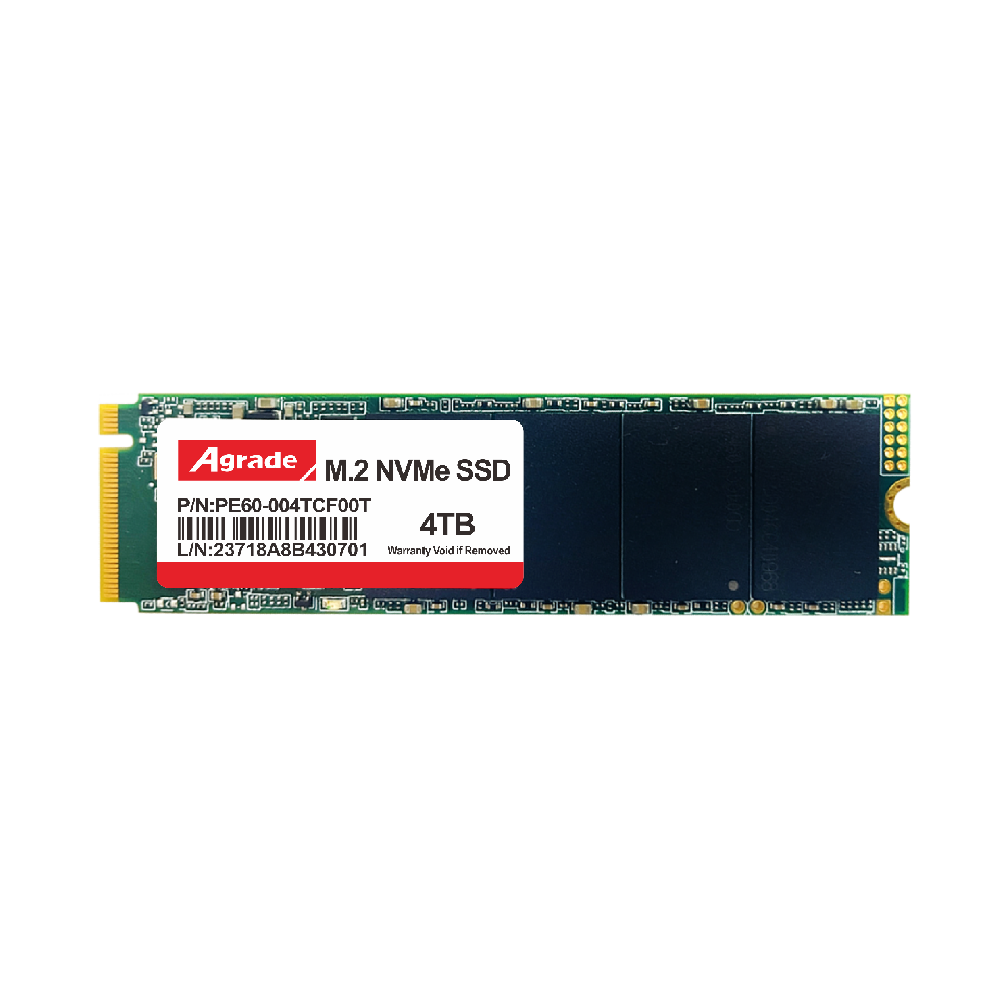
However, SATA SSDs hit a wall in demanding scenarios. Content creators working with 4K/8K video, 3D artists rendering complex models, or gamers loading open-world titles like Baldur’s Gate 3 will notice significant bottlenecks. This is where NVMe M.2 SSDs excel. Built on the NVM Express (NVMe) protocol—optimized specifically for flash memory—these drives connect directly to the CPU via PCIe (Peripheral Component Interconnect Express) channels, bypassing the chipset entirely. This direct path enables full-duplex data transfer, slashing latency to as low as 30 microseconds (compared to SATA’s 100+ microseconds) and boosting bandwidth to 32Gbps for PCIe 3.0 models, or a staggering 64Gbps for PCIe 4.0 drives ². Flagship options like the Samsung 990 Pro (2TB) deliver sequential read speeds of 7450MB/s and write speeds of 6900MB/s—over 10x faster than SATA ⁴. For 3A gamers, this means loading Cyberpunk 2077’s Night City in 9 seconds instead of 22, while 4K video editors exporting a 60-minute project see 30% faster render times (from 45 minutes to 31 minutes) ². The price gap has also narrowed dramatically: 1TB NVMe M.2 drives now start at 60,asmall 20 premium over SATA for transformative performance.
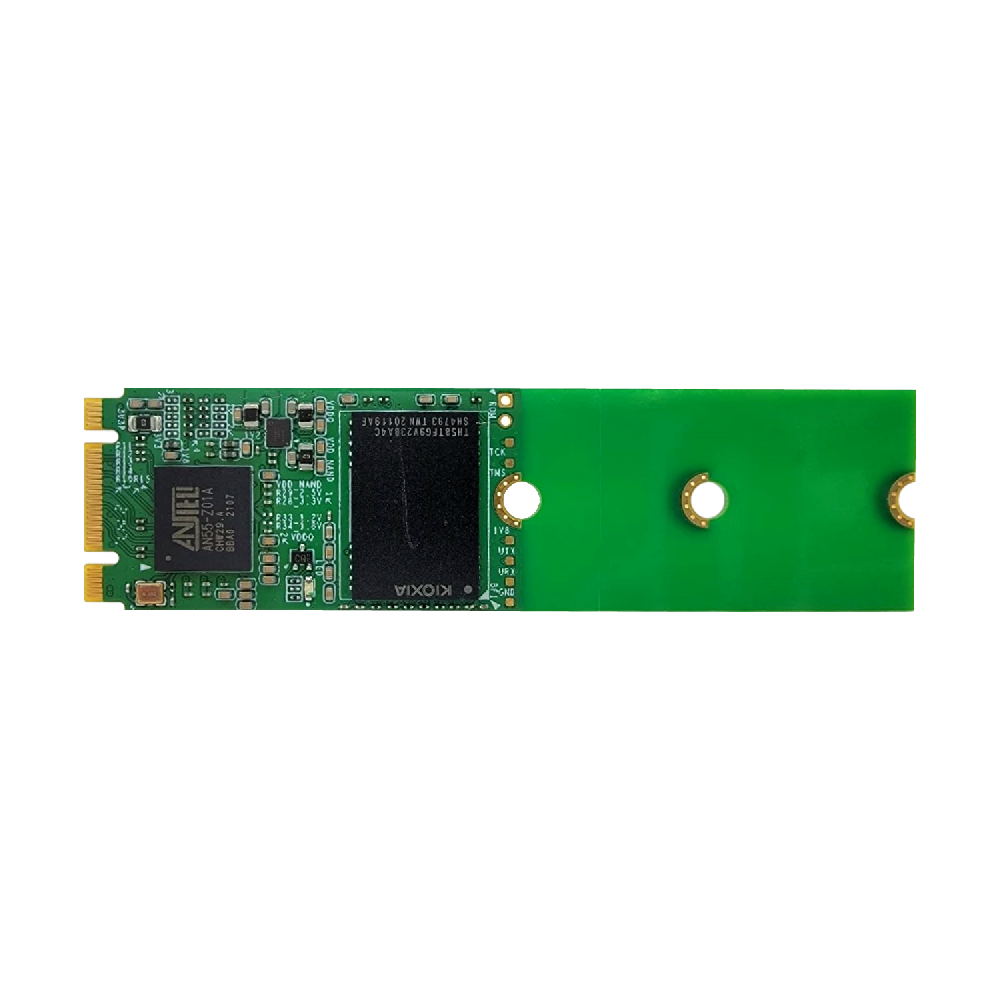
To decide, assess your use case: Choose SATA if you’re upgrading an older PC, need maximum compatibility, or only perform light tasks. Opt for NVMe M.2 if you game, edit videos, run virtual machines, or work with large databases—any scenario where speed directly impacts productivity. Before buying, confirm your motherboard has an M.2 slot (look for a single notch on the connector, indicating NVMe support; dual notches mean SATA-only) and consider adding a heatsink for high-performance PCIe 4.0 drives, as sustained workloads can push temperatures above 70°C, triggering speed throttling ². For most users in 2025, NVMe M.2 SSDs offer the best balance of speed, future-proofing, and value—making them the clear choice for modern computing.

-
Products
Advantages
-
Solutions
-
News
About us
-
Contact us
Tel:+86 19926658803
Whatsapp:+86 19926658803
lianle1210@163.com
Address: 30CF, Caihong Building, Caihong Road, Futian District, Shenzhen City, Guangdong Province, China



Friendly Links:
