









News


 电商部
电商部  2025-12-05 10:04:44
 NVMe M.2 SSD Performance: What Makes It Faster Than SATA?
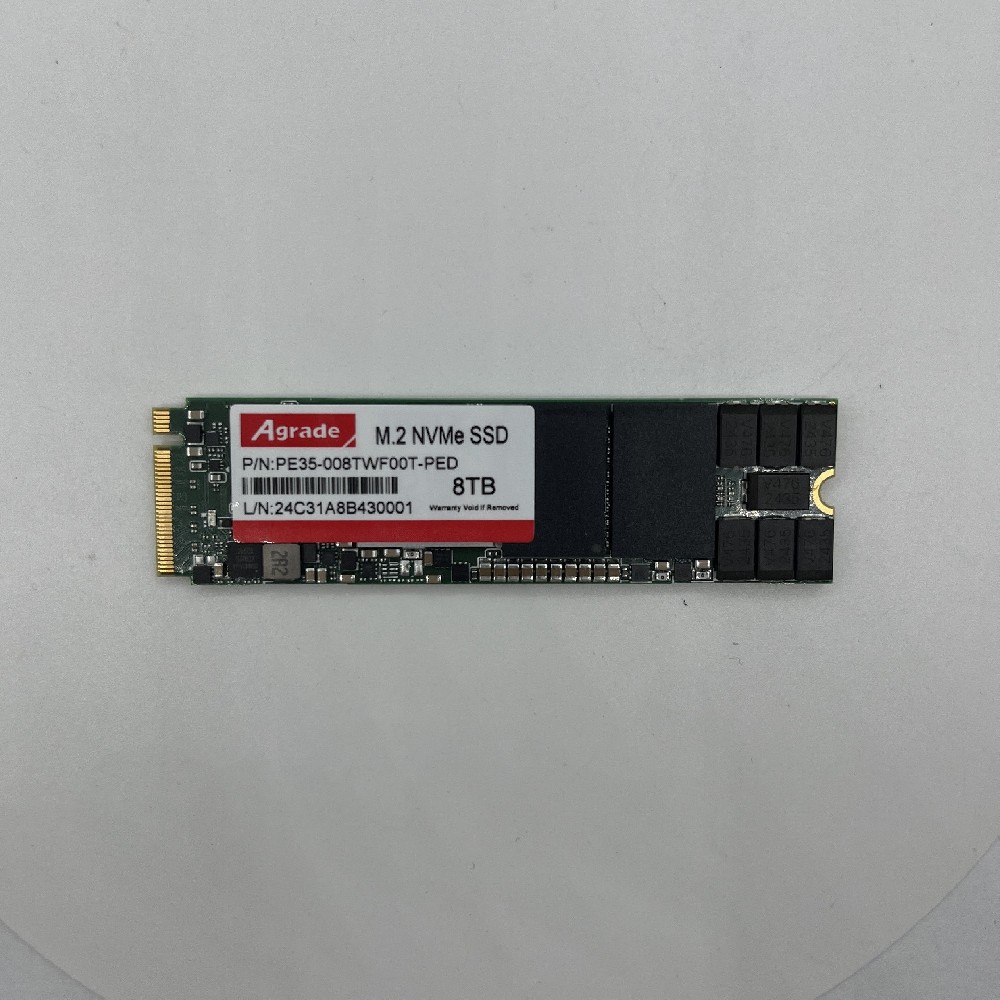
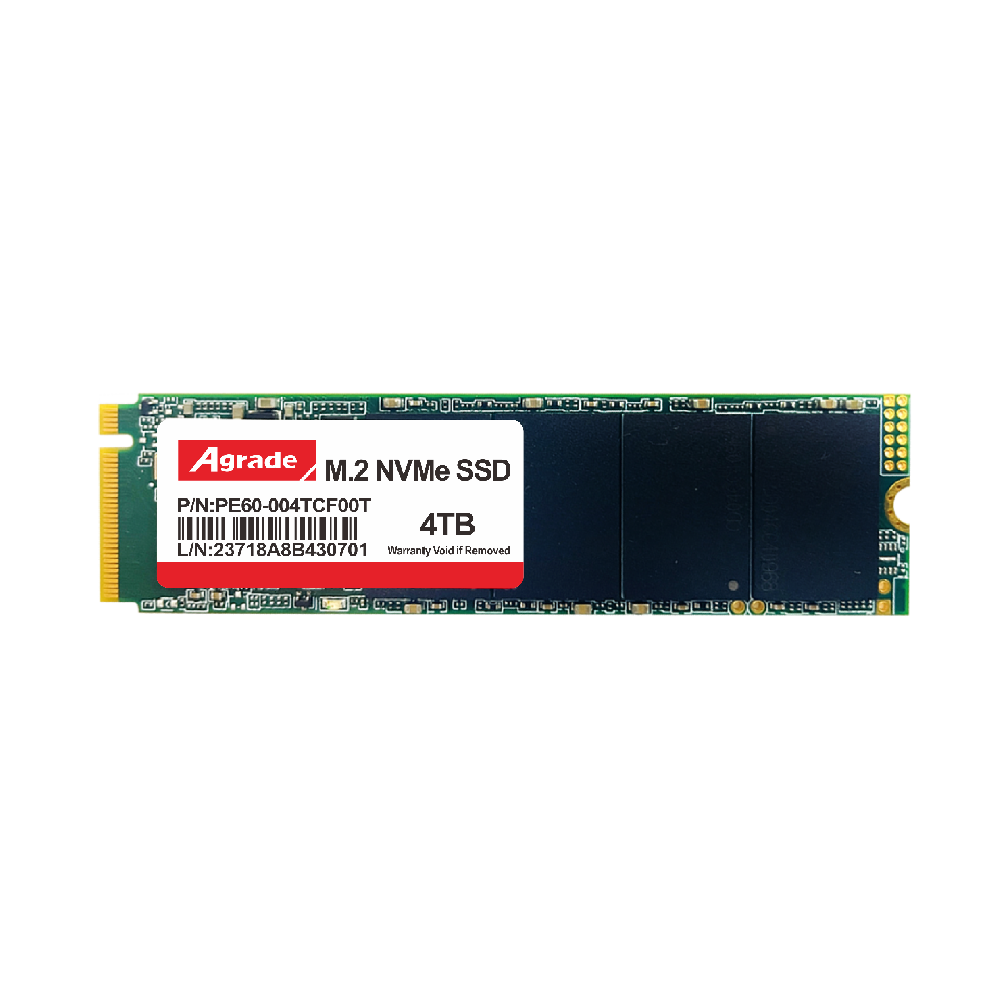
NVMe M.2 SSDs have revolutionized storage performance, outpacing SATA SSDs by leaps and bounds—but what exactly makes them so much faster? The answer lies in three core innovations: the NVMe protocol, PCIe connectivity, and advanced NAND technology. Together, these features eliminate bottlenecks, reduce latency, and boost bandwidth, delivering speeds that transform how we use computers, games, and creative software.
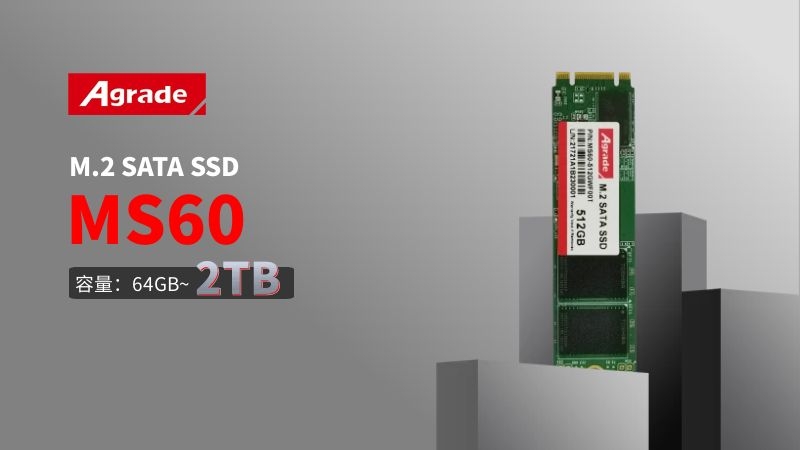
First, the NVMe protocol is a game-changer. Unlike SATA SSDs, which use the AHCI protocol (designed for mechanical HDDs in the 1990s), NVMe is built specifically for flash memory. AHCI was never optimized for the parallel data access capabilities of flash, limiting SATA SSDs to a maximum of 32 command queues with 256 commands each. NVMe, by contrast, supports 65,536 command queues with 65,536 commands each—enabling the drive to handle thousands of simultaneous tasks at once. This is critical for modern workloads like multitasking (editing videos while browsing the web), gaming (loading game assets in the background), or running virtual machines. NVMe also reduces latency by communicating directly with the CPU via PCIe channels, skipping the motherboard chipset that SATA relies on. This direct path cuts latency from SATA’s 100+ microseconds to just 30-50 microseconds for NVMe—resulting in near-instantaneous response times ¹. For 4K random read/write operations (the most common in daily use), NVMe drives deliver 500K-1M IOPS (Input/Output Operations Per Second), compared to SATA’s 100K IOPS—5x faster performance ².
Second, PCIe connectivity provides the bandwidth needed to unlock NVMe’s potential. SATA SSDs use the SATA III interface, which has a theoretical bandwidth limit of 6Gb/s (about 750MB/s), but real-world speeds top out at 500-600MB/s due to protocol overhead ¹. NVMe M.2 SSDs use PCIe (Peripheral Component Interconnect Express) channels, which offer far more bandwidth. PCIe 3.0 provides 8Gbps per lane (32Gbps for x4 lanes), while PCIe 4.0 doubles that to 16Gbps per lane (64Gbps for x4 lanes)—the equivalent of 8GB/s transfer speed ¹. Modern NVMe drives use PCIe 4.0 x4 lanes, delivering sequential read speeds up to 7450MB/s (like the Samsung 990 Pro) and write speeds up to 6900MB/s ⁴. Even budget PCIe 3.0 NVMe drives (e.g., Crucial P3) offer 3500MB/s read speeds—6x faster than SATA. PCIe 5.0, the latest generation, pushes bandwidth to 32Gbps per lane (128Gbps for x4 lanes), with drives like the Corsair MP700 delivering 10,000MB/s read speeds—though these are still premium options in 2025. The key advantage of PCIe is scalability: as technology advances, NVMe drives can leverage faster PCIe generations without changing form factors, making them future-proof.
Third, advanced NAND technology enhances both speed and efficiency. All modern NVMe drives use 3D NAND (also called V-NAND), which stacks memory cells vertically instead of placing them side by side. This increases storage density (allowing larger capacities in smaller form factors) and improves speed by reducing the distance data travels. For example, Samsung’s 9th-gen V-NAND stacks 236 layers, while Micron’s 3D TLC NAND reaches 256 layers—each layer adding more capacity and performance. Some drives use specialized NAND technologies: Xtacking 3.0 (used in Zhitai Ti600) separates the NAND die from the controller, improving signal transmission and reducing latency. Others use MLC (Multi-Level Cell) NAND for enterprise drives, offering faster write speeds and longer lifespans than consumer-grade TLC (Triple-Level Cell) NAND. Additionally, NVMe drives use DRAM cache (a small amount of high-speed RAM) to temporarily store frequently accessed data, further reducing latency. SATA SSD

-
Products
Advantages
-
Solutions
-
News
About us
-
Contact us
Tel:+86 19926658803
Whatsapp:+86 19926658803
lianle1210@163.com
Address: 30CF, Caihong Building, Caihong Road, Futian District, Shenzhen City, Guangdong Province, China



Friendly Links:
