




News


 电商部
电商部  2025-12-09 10:05:31
 How to Choose the Right Industrial-grade USB Flash Drive for Your Industrial Project
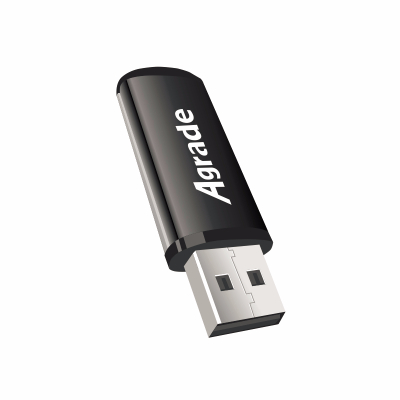
Selecting the appropriate industrial-grade USB flash drive for an industrial project requires careful consideration of environmental, performance, and security requirements that do not apply to consumer USB drives. Making the wrong choice can lead to data loss, system downtime, or failed operations, so it is critical to evaluate key factors before purchasing.
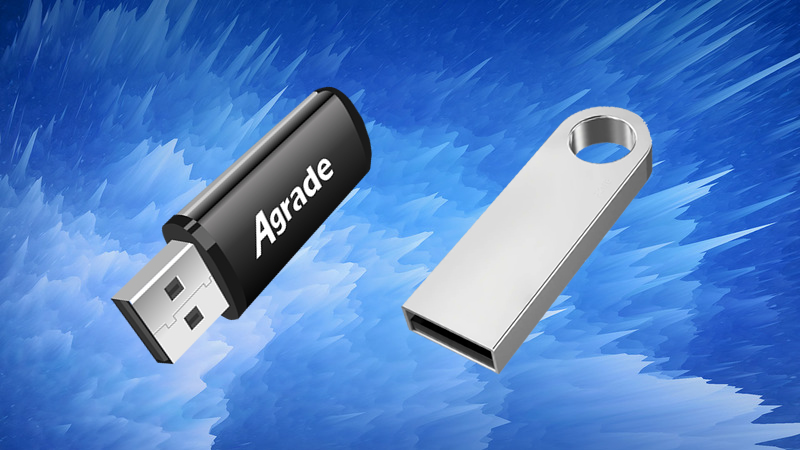
First, assess the operating environment. If the drive will be used in a factory with high temperatures or a cold storage facility, prioritize models with an extended temperature range (ideally -40°C to 85°C). For outdoor or dusty settings, opt for drives with an IP65 or higher ingress protection rating to resist dust and water. Shock and vibration resistance are also non-negotiable for applications involving heavy machinery or transportation, so look for drives tested to military-grade standards (MIL-STD-810H).
Second, define performance needs. Industrial projects involving large data transfers (such as machine vision systems or production data logging) require drives with USB 3.0 or USB 3.2 Gen 1 interfaces, which offer transfer speeds of up to 5 Gbps or higher. For projects with long-term data storage needs, check the drive’s data retention rate—top industrial models retain data for 10+ years without power, while consumer drives may only last 3–5 years. Storage capacity should align with project demands: small-scale sensor data logging may only need 8GB–32GB, while large production datasets may require 128GB–1TB drives.
Third, prioritize security features. Industrial control systems and sensitive infrastructure projects demand drives with hardware encryption (AES 256-bit is industry-standard) and write-protect functionality to block malware or accidental overwrites. Some models also offer remote data management capabilities, allowing administrators to monitor and secure drives across multiple industrial sites.
Fourth, verify compliance and reliability certifications. Look for drives that meet industrial standards like RoHS (for environmental safety) and CE (for European market compliance). Additionally, check the manufacturer’s warranty—reputable industrial drive providers offer 3–5 year warranties, while consumer drives typically have 1–2 year coverage, reflecting the difference in expected lifespan.
Finally, consider compatibility with industrial systems. Ensure the drive is compatible with legacy industrial equipment (which may use USB 2.0 interfaces) or modern IoT devices (which may require compact, low-power designs). Some industrial-grade USB flash drives also support wide voltage input, making them suitable for battery-powered industrial sensors or remote monitoring devices.
By evaluating these factors, businesses can select an industrial-grade USB flash drive that aligns with their project’s unique needs, minimizing risks and maximizing operational efficiency.

-
Products
Advantages
-
Solutions
-
News
About us
-
Contact us
Tel:+86 19926658803
Whatsapp:+86 19926658803
lianle1210@163.com
Address: 30CF, Caihong Building, Caihong Road, Futian District, Shenzhen City, Guangdong Province, China



Friendly Links:
