




News


 电商部
电商部  2025-12-09 10:06:08
 Industrial-grade USB Flash Drive vs. Consumer USB Drive: What’s the Difference?
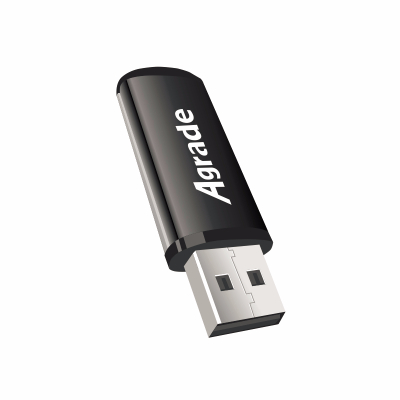
Many businesses mistakenly use consumer USB drives in industrial settings, unaware of the critical differences between consumer and industrial-grade USB flash drives. While both devices store data, industrial models are built to withstand the harsh conditions of industrial environments, whereas consumer drives are designed for casual, low-stakes use in offices or homes.
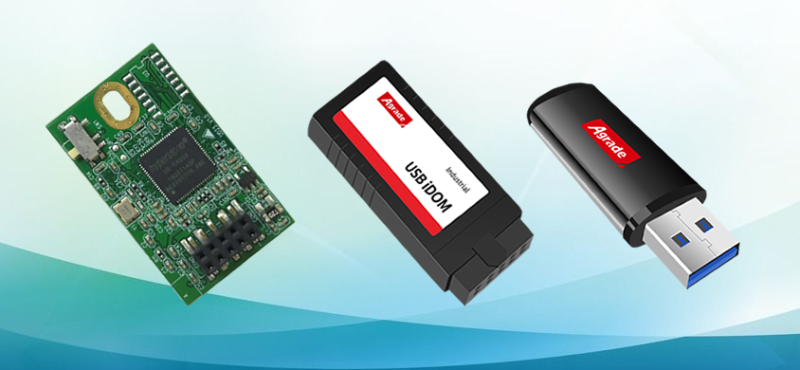
The most significant difference is durability. Industrial-grade USB flash drives feature ruggedized casings made from materials like metal or reinforced plastic, protecting internal NAND flash chips from shock (up to 5,000G of impact) and vibration (up to 2000Hz). Consumer drives, by contrast, use lightweight plastic casings that can crack or break after a single drop, and their internal components are vulnerable to even mild vibration. Industrial drives also have an extended temperature range (-40°C to 85°C), while consumer drives typically only function between 0°C and 60°C—meaning they will fail in extreme factory or outdoor industrial settings.
Data reliability is another key distinction. Industrial-grade USB flash drives use SLC (Single-Level Cell) or MLC (Multi-Level Cell) NAND flash memory, which offers higher write endurance (up to 100,000–1,000,000 program/erase cycles) and longer data retention. Consumer drives often use TLC (Triple-Level Cell) or QLC (Quad-Level Cell) memory, which has lower endurance (1,000–10,000 cycles) and shorter data retention, making them unsuitable for frequent industrial data logging or long-term storage.
Performance also varies. Industrial drives prioritize consistent transfer speeds, even in extreme temperatures, ensuring that critical industrial data (like machine configuration files or real-time sensor data) is transferred without delays. Consumer drives may experience speed drops when overheated or when storing large files, which can disrupt industrial operations that rely on timely data access.
Security and compliance features further set industrial-grade USB flash drives apart. Most industrial models include AES 256-bit encryption, write-protect switches, and compliance with industrial standards (such as IP65 for dust/water resistance and MIL-STD-810H for ruggedness). Consumer drives rarely offer hardware encryption or industrial certifications, leaving them vulnerable to cyberattacks or environmental damage in industrial settings.
Cost is a final differentiator: industrial-grade USB flash drives are more expensive than consumer models, but their longer lifespan (5–10 years vs. 1–2 years for consumer drives) and lower failure rate reduce long-term operational costs. For businesses, the upfront investment in industrial drives avoids the costs of data loss, system downtime, and frequent drive replacements that come with using consumer drives in industrial environments.

-
Products
Advantages
-
Solutions
-
News
About us
-
Contact us
Tel:+86 19926658803
Whatsapp:+86 19926658803
lianle1210@163.com
Address: 30CF, Caihong Building, Caihong Road, Futian District, Shenzhen City, Guangdong Province, China



Friendly Links:
