









News


 电商部
电商部  2025-12-10 10:04:06
 How to Choose the Right Industrial CFast Card for Your Industrial IoT Project
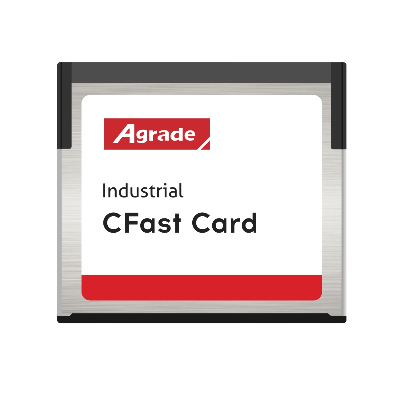
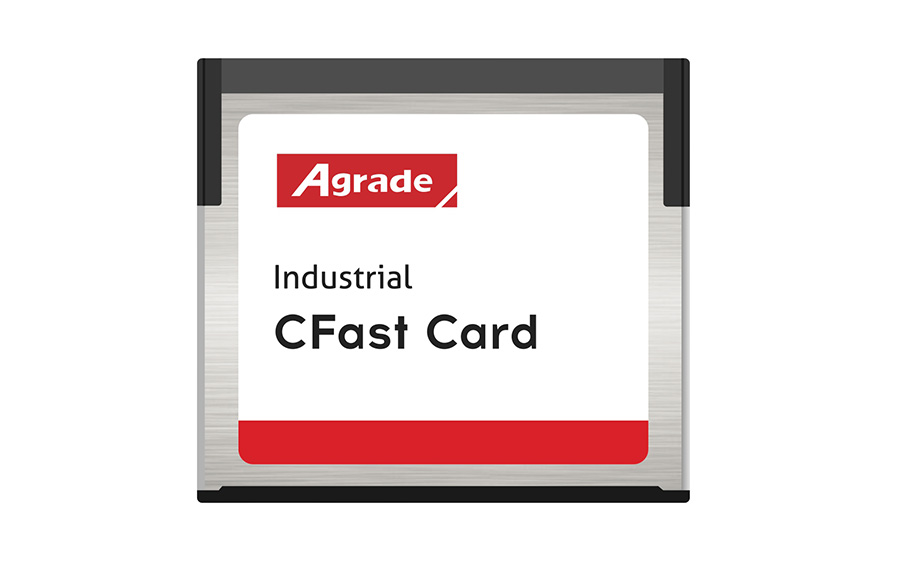
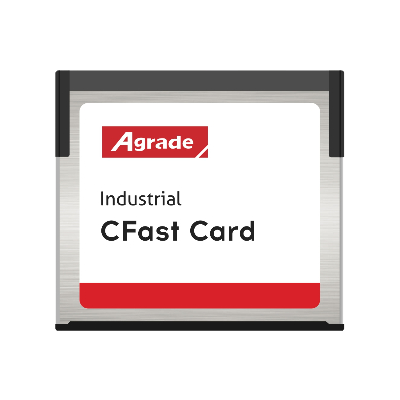
Selecting the right industrial CFast card for an Industrial Internet of Things (IIoT) project requires balancing performance, durability, and application-specific needs—factors that are far more critical than when picking consumer storage. With the proliferation of IIoT devices generating vast amounts of real-time data, the storage solution must keep pace while enduring industrial environments.
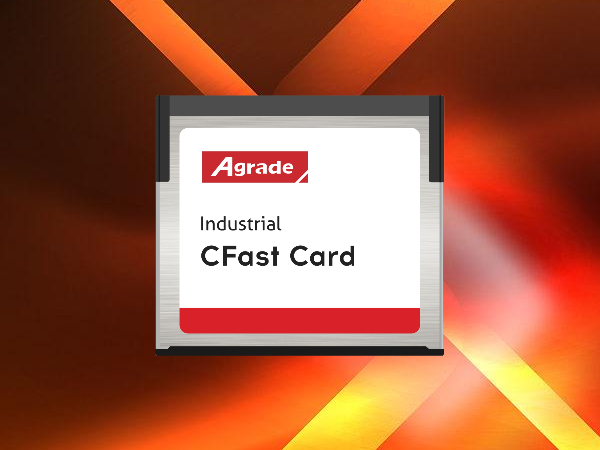
First, evaluate the operating temperature range of the card. IIoT devices are often deployed in unregulated spaces, from freezing warehouses to scorching outdoor utility stations. A card with a range of -40°C to 85°C is non-negotiable to avoid failure due to extreme temperatures. Next, assess shock and vibration resistance: IIoT sensors on production lines or moving equipment need cards that can handle constant physical stress, so prioritize models with 500G shock tolerance and 20G vibration resistance.
Transfer speed is another key factor. IIoT projects rely on real-time data transmission, so industrial CFast cards with SATA III (6 Gbps) interfaces and read/write speeds of 500+ MB/s ensure that data is captured and processed without lag. For applications with continuous logging, check the TBW rating (Total Bytes Written)—aim for a minimum of 100 TBW to support long-term, high-volume data writes without premature wear.
Data integrity features are essential for IIoT, where data accuracy directly impacts operational decisions. Look for cards with built-in ECC (Error-Correcting Code) and power-loss protection, which prevent data corruption during sudden power outages. Compatibility with your device’s interface is also critical: while industrial CFast cards support CF interfaces, confirm that your IIoT hardware can leverage their SATA speeds to maximize efficiency.
Cost vs. lifespan is a final consideration. While industrial CFast cards have a higher upfront cost than consumer options, their extended lifespan (often 5–7 years of continuous use) and resistance to failure reduce long-term maintenance costs. Avoid cutting corners on TBW or temperature resistance, as a failed card could lead to costly downtime for IIoT networks.
By focusing on these criteria—temperature tolerance, physical durability, speed, data protection, and lifespan—you can select an industrial CFast card that ensures your IIoT project runs reliably and efficiently, even in the toughest conditions.

-
Products
Advantages
-
Solutions
-
News
About us
-
Contact us
Tel:+86 19926658803
Whatsapp:+86 19926658803
lianle1210@163.com
Address: 30CF, Caihong Building, Caihong Road, Futian District, Shenzhen City, Guangdong Province, China



Friendly Links:
