




News


 电商部
电商部  2025-12-10 10:05:06
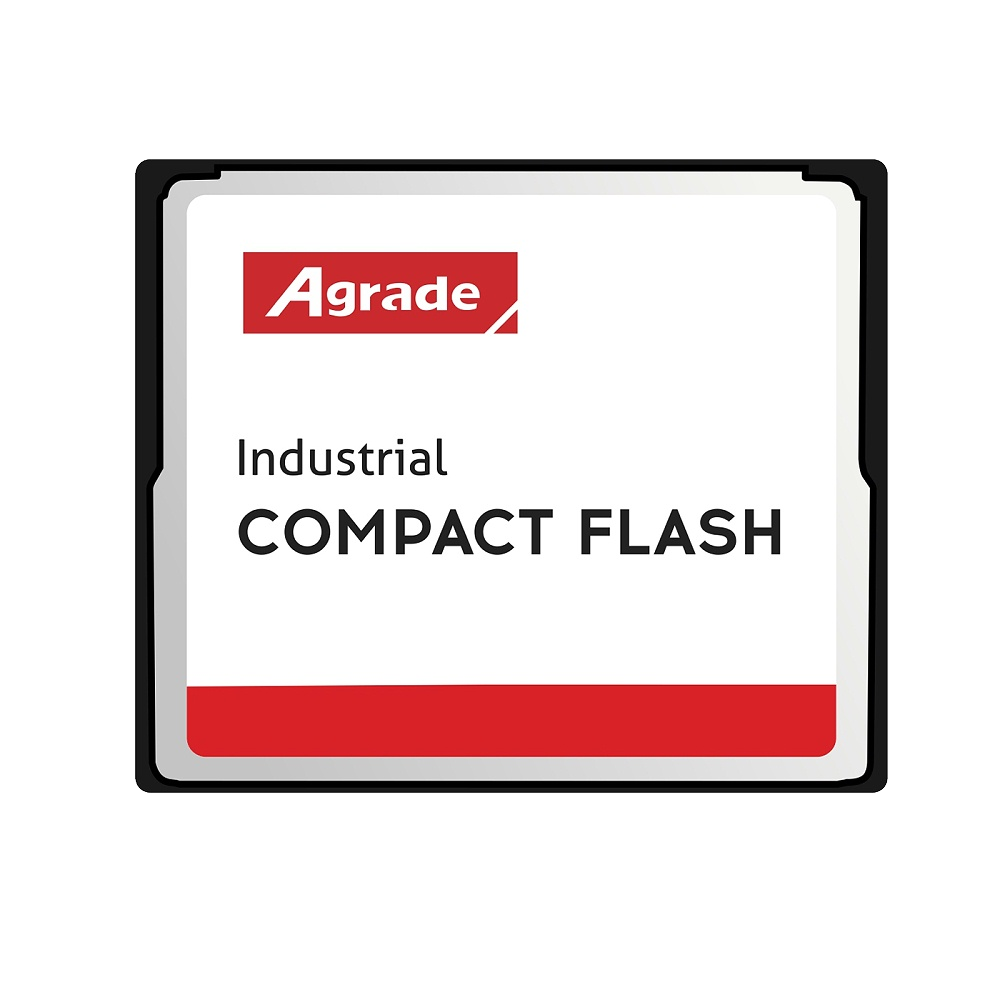
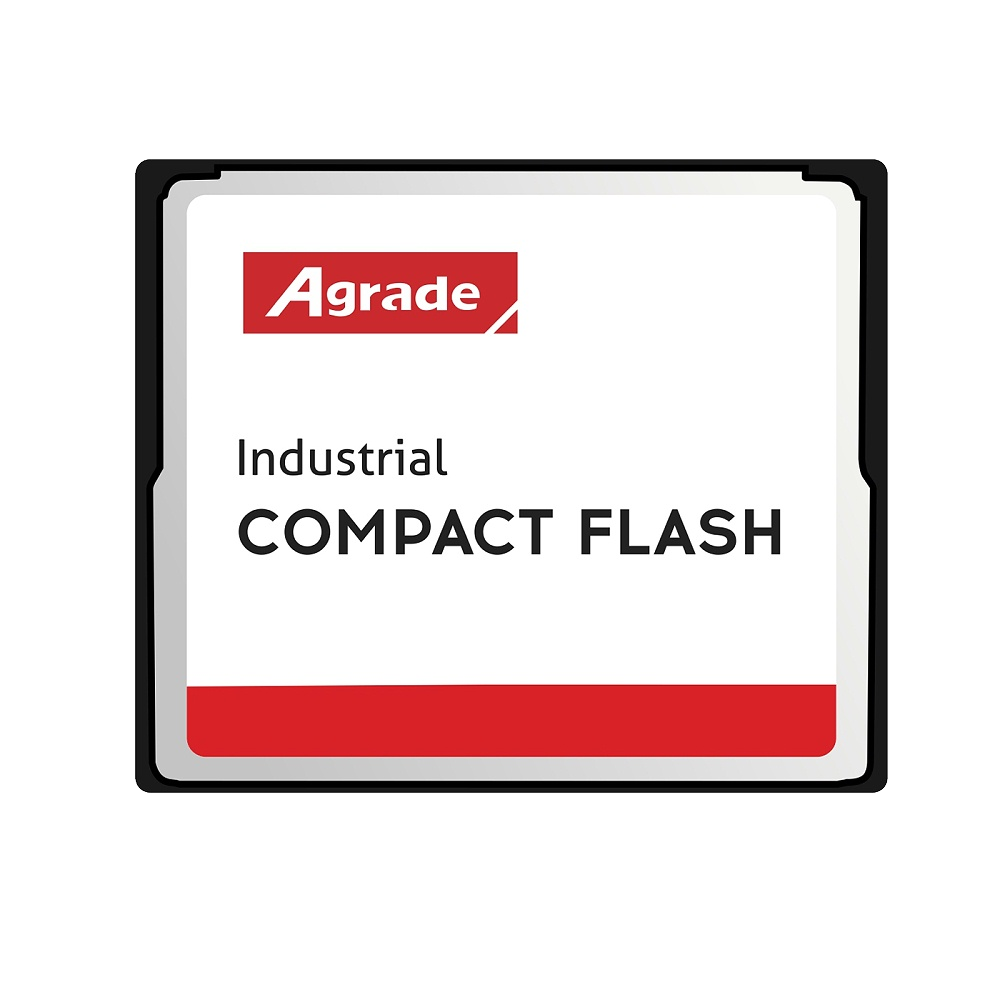
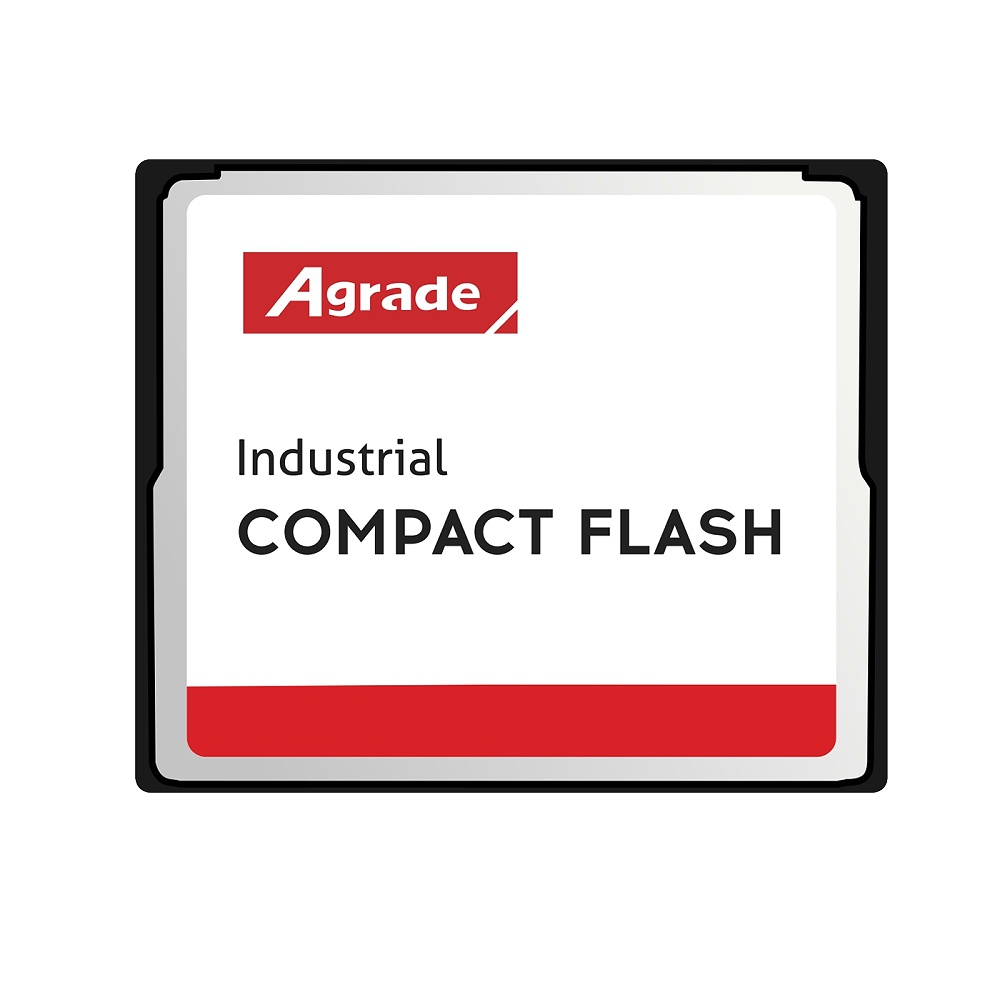
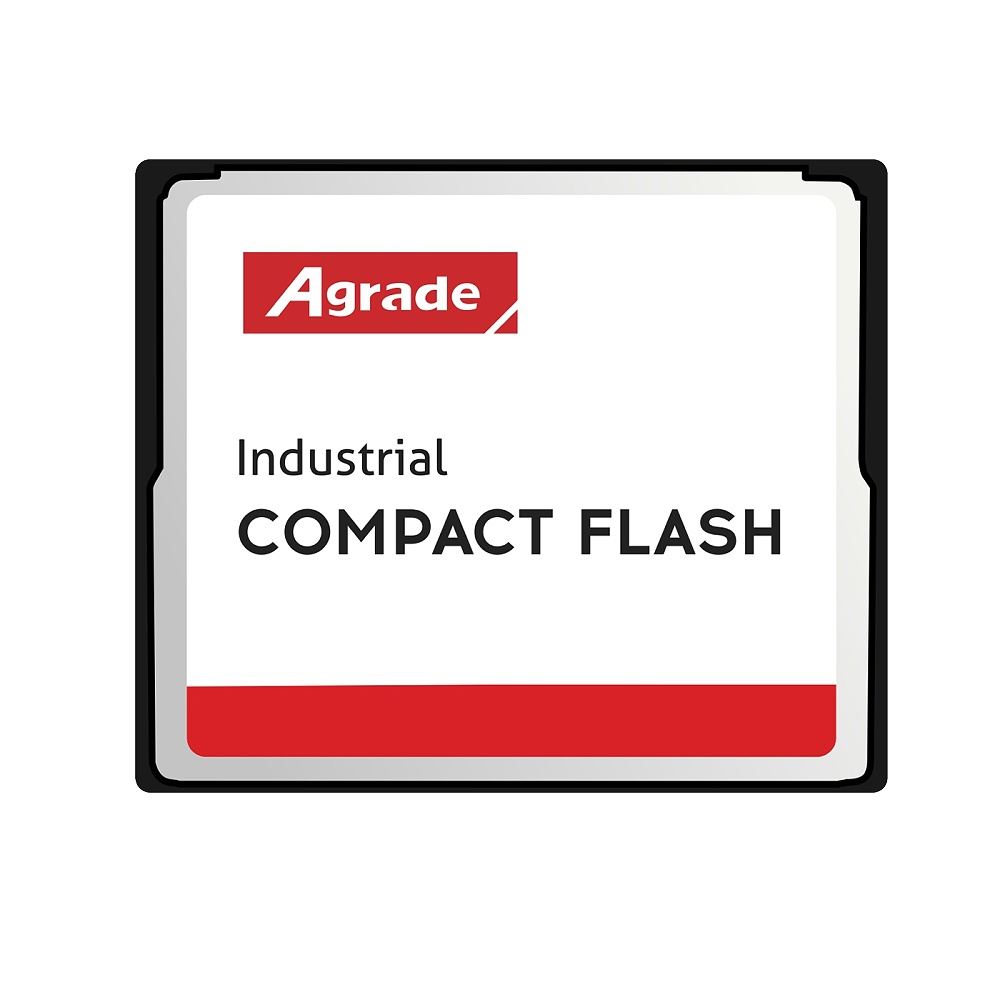
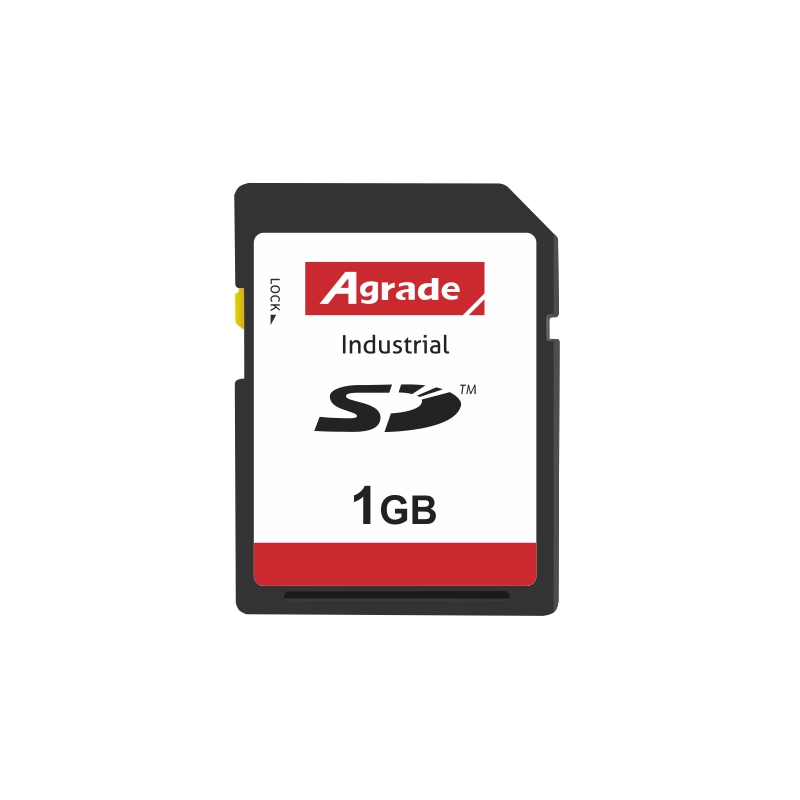
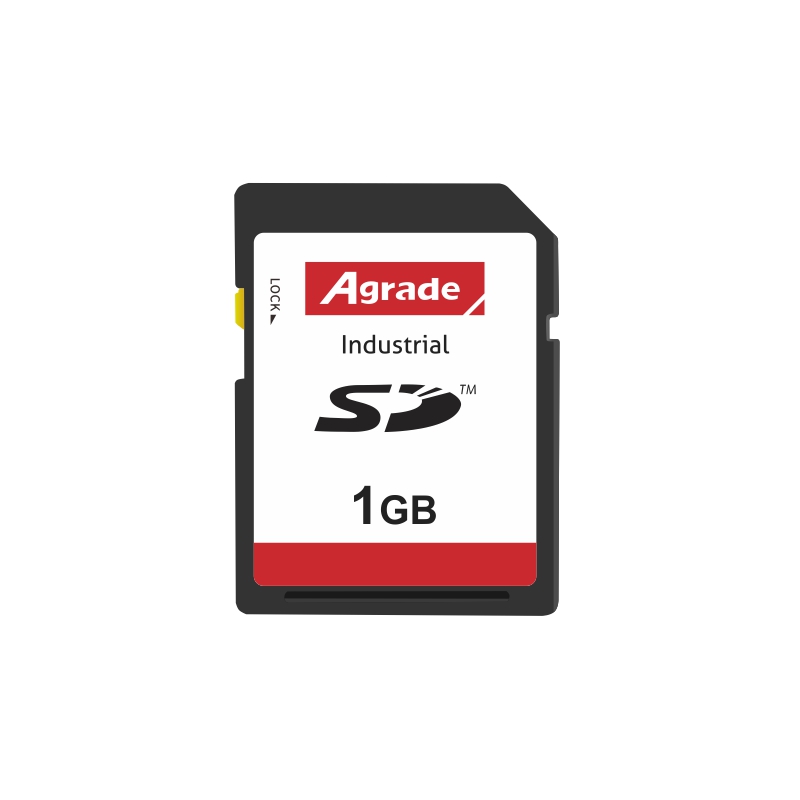
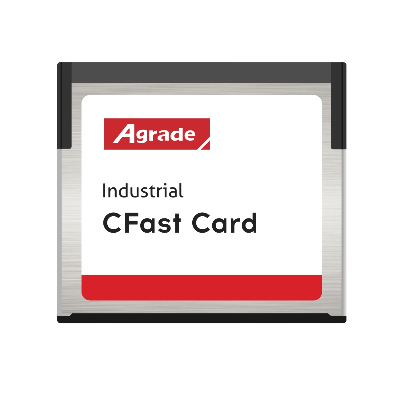
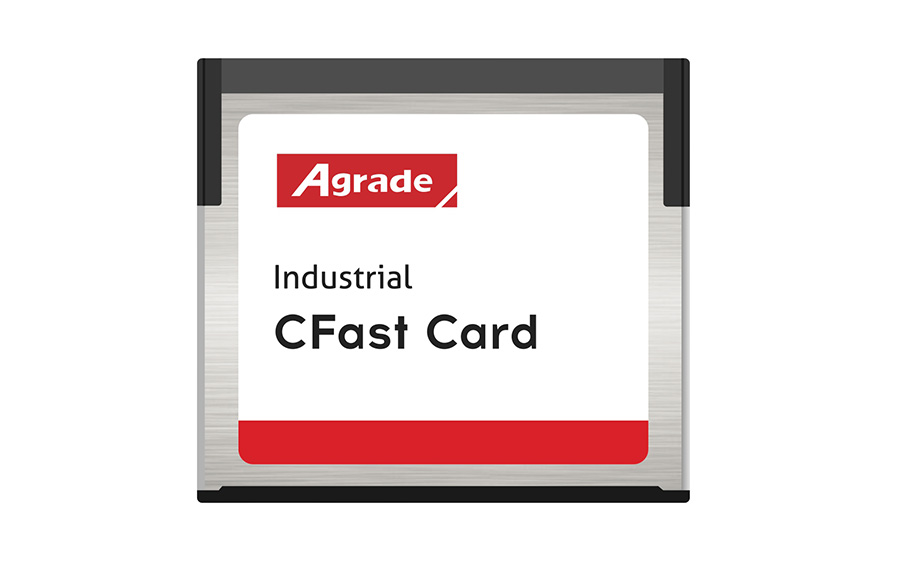
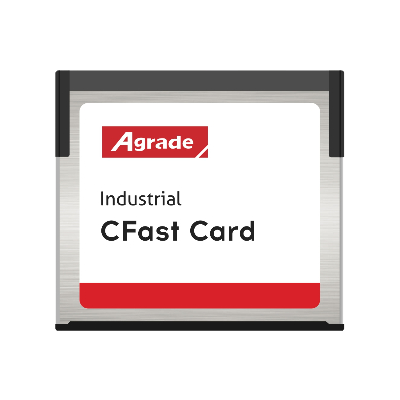
 Industrial CFast Card vs. Industrial SD Card: Which Rugged Storage Is Better?
When choosing rugged storage for industrial applications, the decision between industrial CFast cards and industrial SD cards often comes down to performance, form factor, and use case—each option has distinct advantages that suit different scenarios. Understanding their differences is key to avoiding mismatched storage that could compromise system reliability.
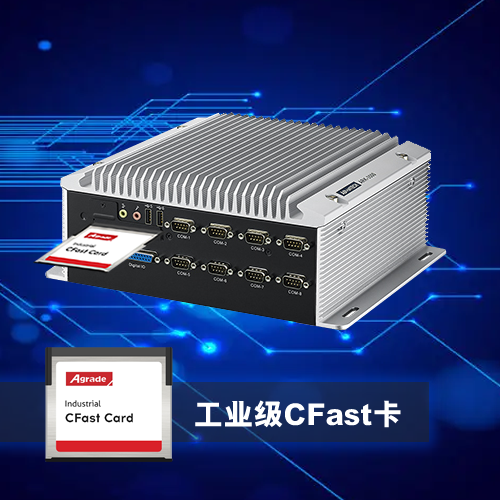
Industrial CFast cards leverage SATA III interfaces, delivering transfer speeds of up to 6 Gbps (or 500+ MB/s), which is significantly faster than industrial SD cards that top out at around 104 MB/s (UHS-I) or 312 MB/s (UHS-II). This speed advantage makes CFast cards ideal for high-bandwidth applications, such as 4K video surveillance in factories or real-time data logging in industrial control systems, where slow transfer speeds would cause data bottlenecks.
In terms of durability, both options offer wide temperature ranges (-40°C to 85°C) and shock/vibration resistance, but industrial CFast cards often have more robust power-loss protection and higher TBW ratings. A typical industrial CFast card can handle 200+ TBW, while industrial SD cards usually max out at 100 TBW, making CFast a better choice for long-term, high-write workloads like medical device data storage or aerospace telemetry.
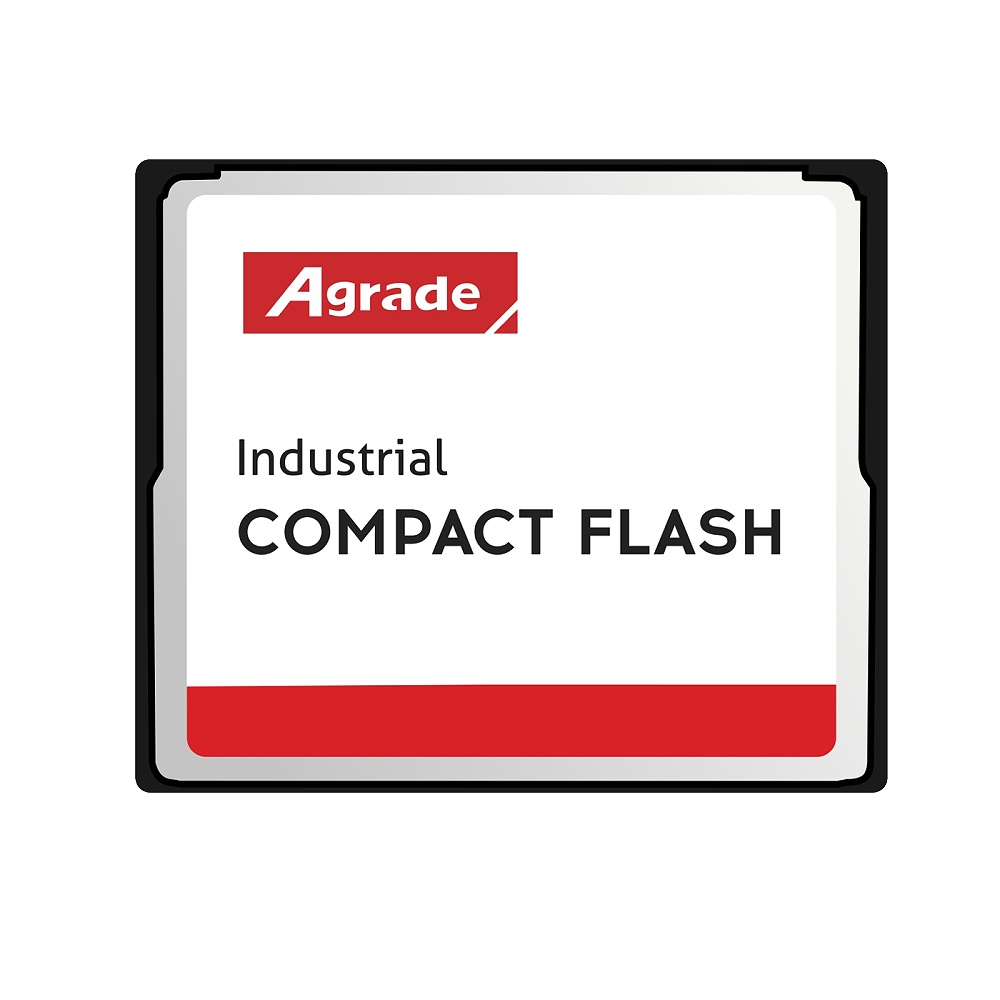
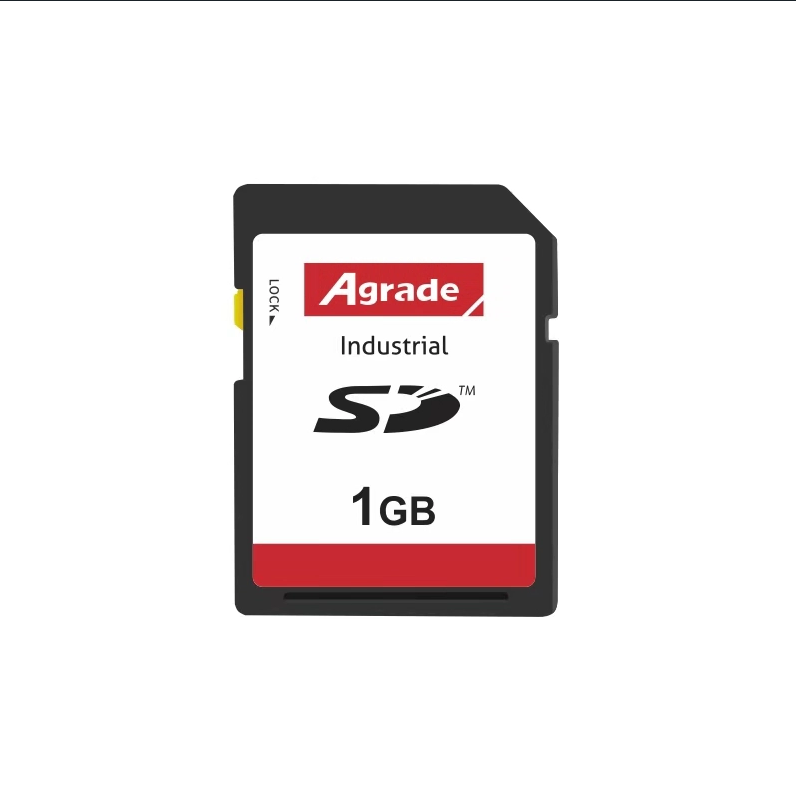
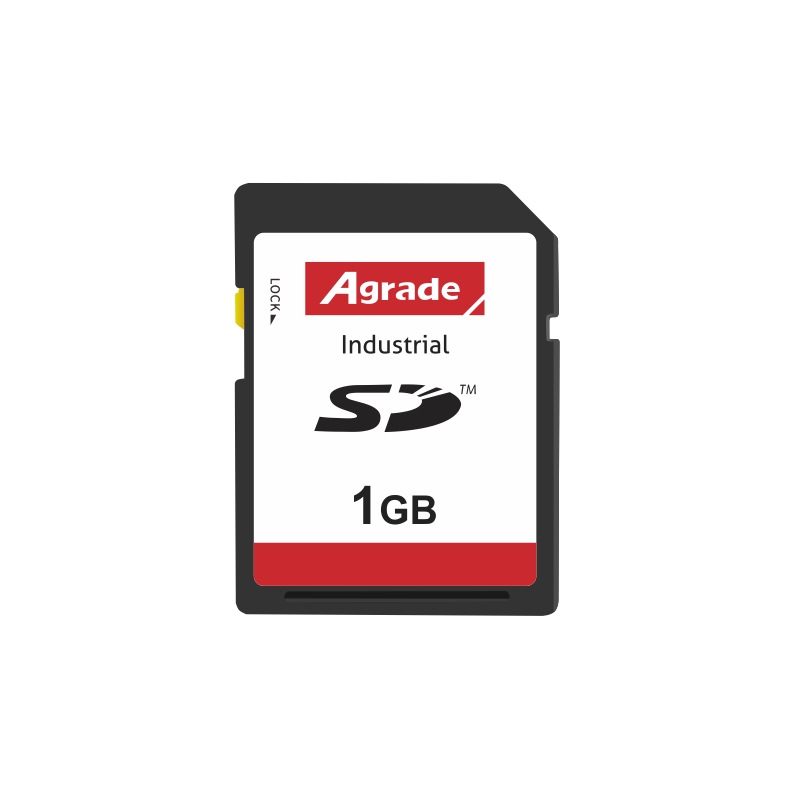
Form factor is a critical differentiator: CFast cards use the larger CompactFlash form factor, which provides a more secure physical connection than SD cards’ smaller, slot-based design. This makes CFast cards less prone to dislodging in vibrating equipment (e.g., construction machinery or transportation sensors), while SD cards are better for compact devices with limited space, such as small IIoT sensors or handheld industrial scanners.
Compatibility also varies: industrial CFast cards work with legacy CF hardware, enabling upgrades for older systems, while industrial SD cards are ubiquitous in modern compact devices. Cost-wise, industrial CFast cards are pricier due to their faster interfaces and higher durability, while SD cards offer a more budget-friendly option for low-bandwidth, space-constrained applications.
In conclusion, industrial CFast cards excel in high-speed, high-durability, and legacy-compatible scenarios, while industrial SD cards are optimal for compact, low-cost, low-bandwidth industrial devices. The choice depends on whether your priority is speed and ruggedness or size and affordability.

-
Products
Advantages
-
Solutions
-
News
About us
-
Contact us
Tel:+86 19926658803
Whatsapp:+86 19926658803
lianle1210@163.com
Address: 30CF, Caihong Building, Caihong Road, Futian District, Shenzhen City, Guangdong Province, China



Friendly Links:
