




News


 电商部
电商部  2025-12-12 18:16:46
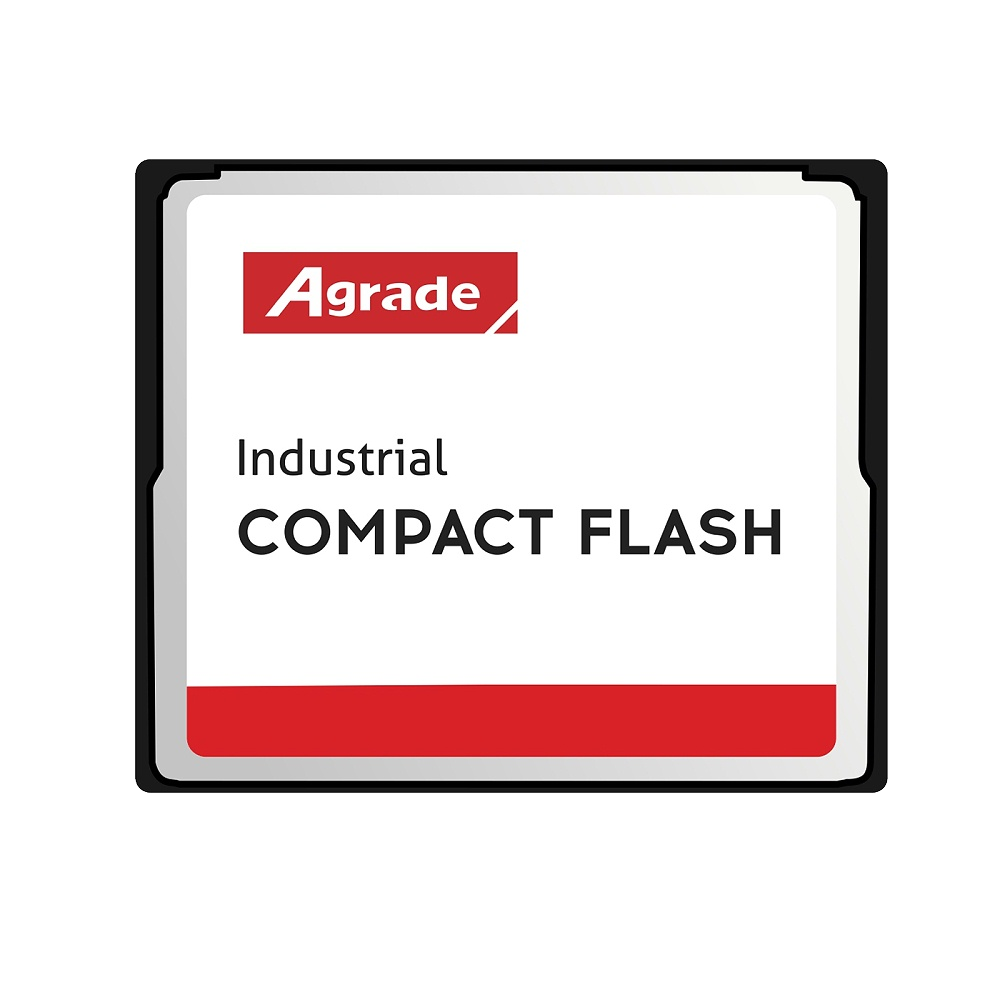
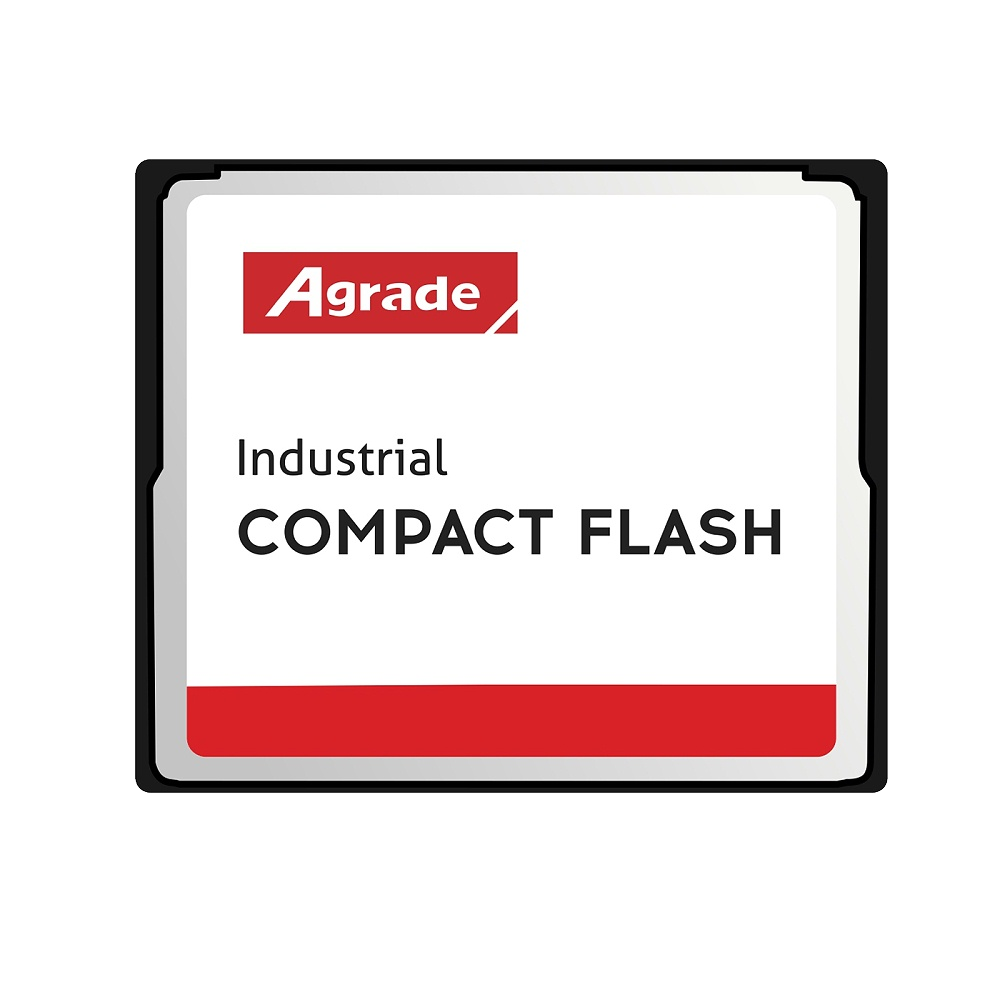
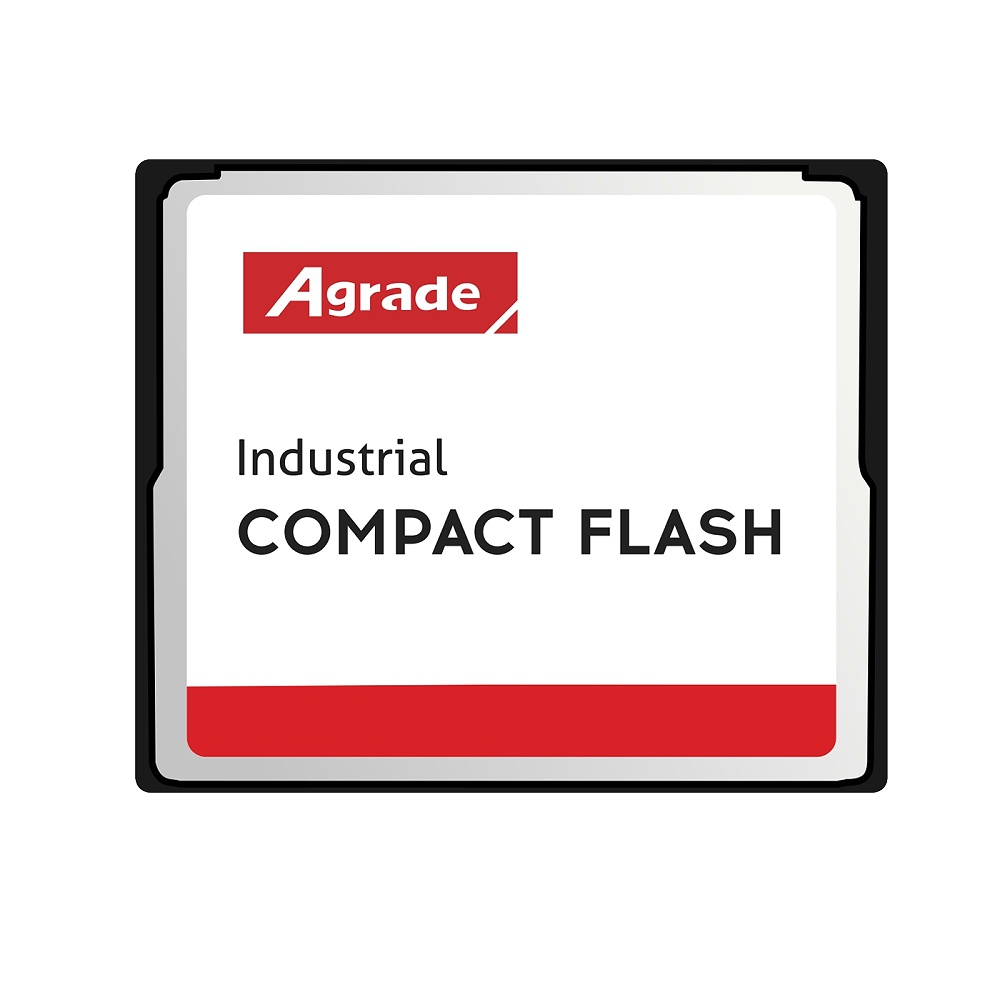
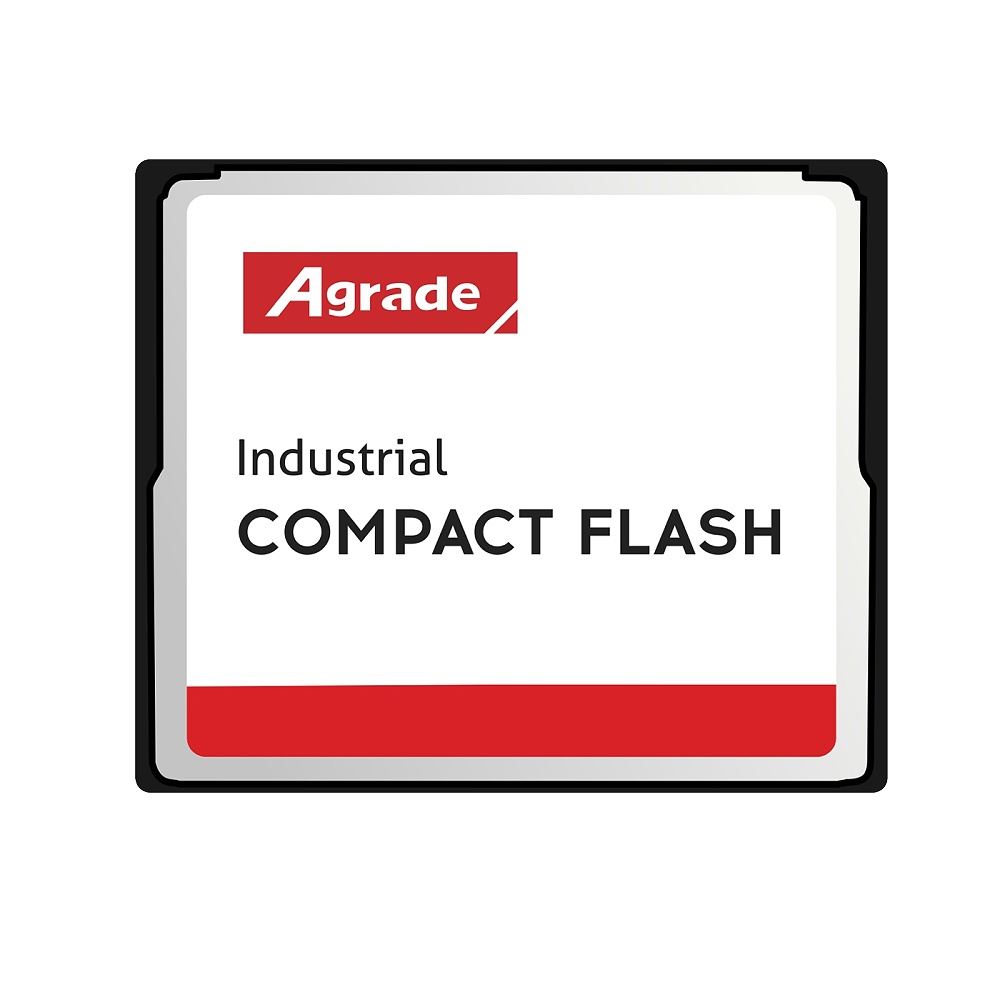
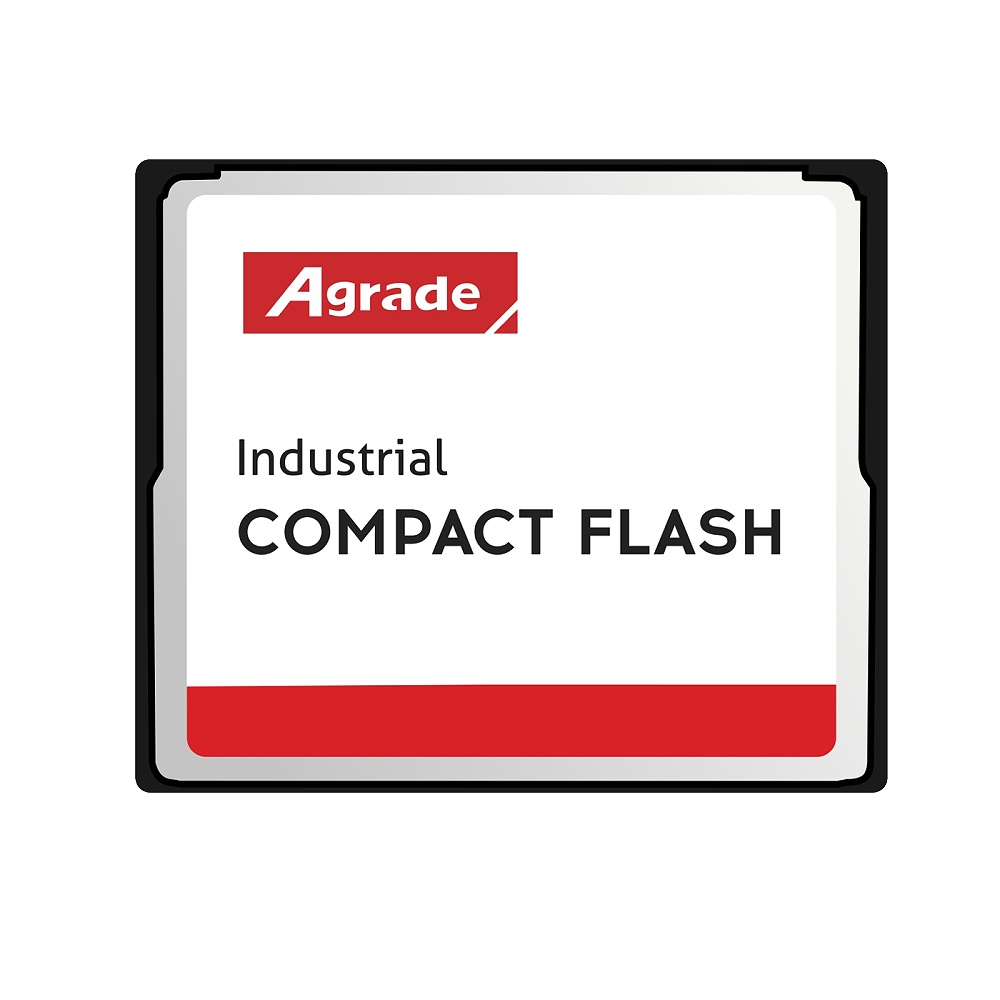
 How to choose an industrial-grade CF card that suits you? A comprehensive guide from scenarios to pa
The selection of industrial-grade CF cards directly impacts equipment stability and data security. It is necessary to consider a balance between scene requirements, core parameters, and additional functions to avoid blindly pursuing "high performance" or "low price".
Step 1: Clarify the core requirements of the scenario and determine the basic direction
The requirements for CF cards vary greatly across different industrial scenarios, and it is necessary to first clarify the core demands:
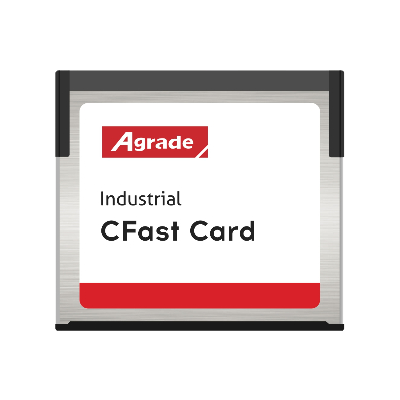
In extreme environmental scenarios (outdoor equipment, mining terminals): priority should be given to products with wide temperature range (-40℃~85℃) + shock resistance (≥1500G)/vibration resistance (≥20G), such as Ruida Storage AC32 industrial-grade CF card;
High-frequency read-write scenarios (PLC, automated production lines): Emphasis is placed on the number of erase-write cycles (SLC particles ≥ 60,000 cycles, MLC ≥ 3,000 cycles) + power-off protection function to avoid shortening the lifespan of the card due to frequent read-write operations;
In scenarios requiring high reliability for small data (such as medical equipment and transportation terminals), priority should be given to models with hardware write protection and data error correction (ECC ≥ 24 bits/1kb) to ensure zero data loss;
In space-constrained scenarios: Choose cards with a volume that meets CF standards (Type I/Type II) to avoid card slot compatibility issues.
Step 2: Focus on core parameters and select suitable models
The "practicality" of CF cards is determined by core parameters, with four items requiring special attention:
Particle type:
SLC: Long lifespan (with ≥60,000 erase-write cycles), stable speed, suitable for high-frequency read-write scenarios, but high cost;
MLC: Large capacity (up to 256GB), high cost-performance ratio, suitable for data storage scenarios;
(Note: Industrial CF cards from brands such as Ruida support both SLC and MLC options, allowing for a choice based on individual needs)
Reading and writing speed:
In industrial scenarios, "consumer-grade high-speed" is not necessary. A read speed of ≥80MB/s and a write speed of ≥50MB/s are sufficient to meet most needs. If large programs need to be loaded, models with a read speed of ≥120MB/s (such as the Ruida AC32) can be selected;
Interfaces and compatibility:
Confirm the CF card standards (CF4.0/CFast2.0, etc.) supported by the device to avoid interface mismatch;
MTBF (Mean Time Between Failures):
Give priority to products with MTBF (Mean Time Between Failures) of at least 2 million hours to ensure long-term operational stability of the equipment.
Step 3: Pay attention to additional functions and match scene details
The additional features of industrial-grade CF cards are "bonus items" that need to be selected based on the specific scenario:
Power-off protection: A must-have for high-frequency read-write and data-sensitive scenarios (such as healthcare and industrial control) to avoid data loss due to power failure;
Write protection/card locking function: Optional for scenarios where misoperation needs to be prevented (such as public terminals);
Customized firmware: If the device has special read-write logic, you can choose a brand that supports firmware customization (such as Ruida Storage);
Bad block management: Long-running devices need to have this function, which automatically shields damaged storage units.
Step 4: Verify the brand and service to avoid risks in the later stage
"After-sales service and support" are equally important for industrial storage:
Give priority to brands that specialize in industrial storage (such as Ruida and Eaton), and avoid industrial line products from consumer-grade brands;
Confirm whether to provide scenario adaptation testing services to avoid compatibility issues after model selection;
Pay attention to the warranty policy (industrial-grade CF cards typically have a warranty of over 5 years) to reduce maintenance costs in the later stages.
In summary, the logic for selecting industrial-grade CF cards is "determine the direction based on the scenario, select the model based on parameters, and supplement with details based on functionality", avoiding blindly pursuing "maximized" parameters - for example, outdoor equipment does not need to pursue high endurance, and high-frequency read-write scenarios do not necessarily insist on ultra-large capacity.

-
Products
Advantages
-
Solutions
-
News
About us
-
Contact us
Tel:+86 19926658803
Whatsapp:+86 19926658803
lianle1210@163.com
Address: 30CF, Caihong Building, Caihong Road, Futian District, Shenzhen City, Guangdong Province, China



Friendly Links:
