











News


 电商部
电商部  2025-12-30 10:56:44
 Common Disk On Module Issues and Troubleshooting Tips
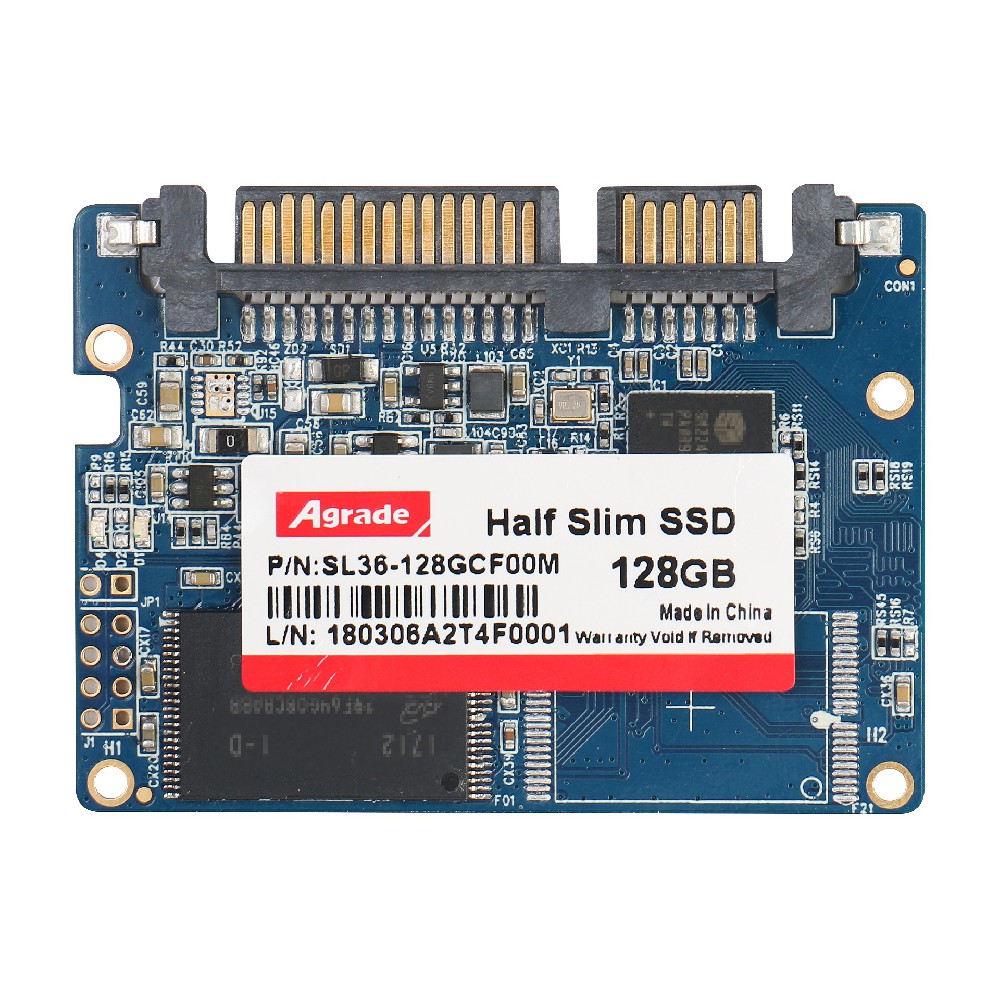
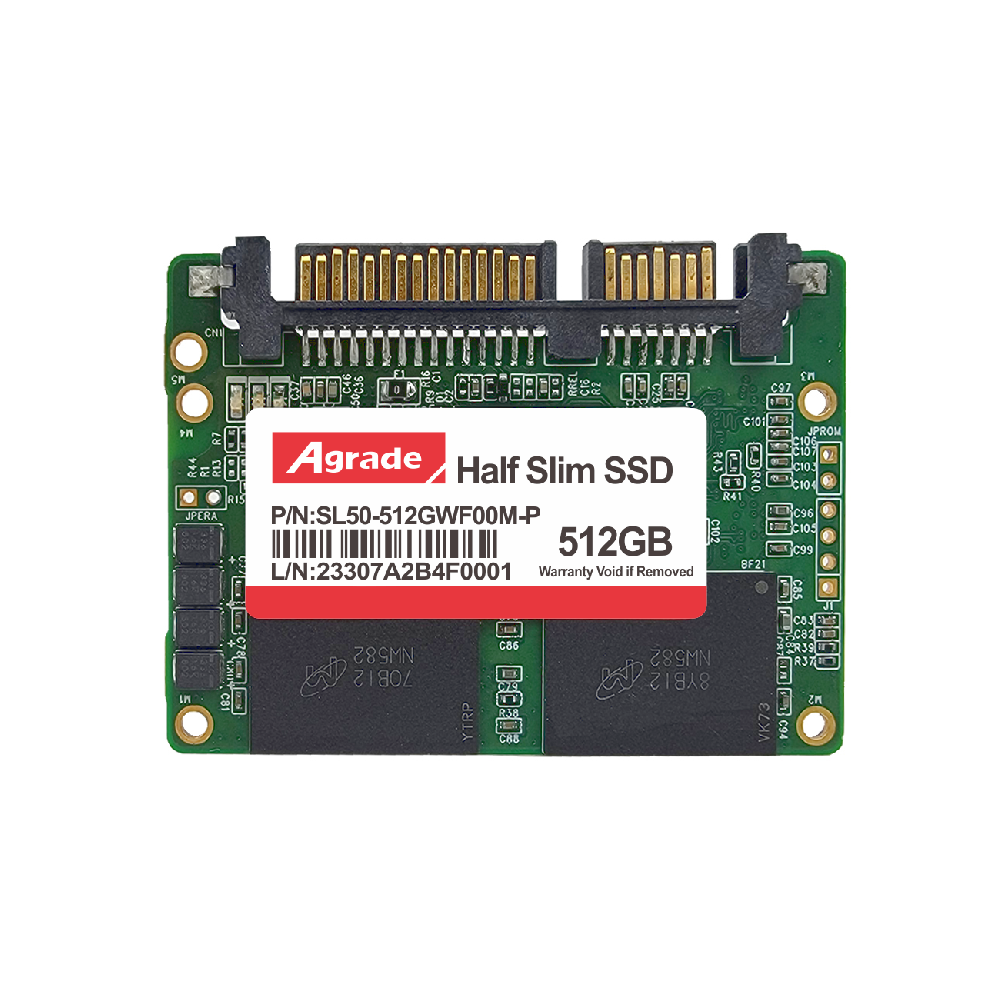
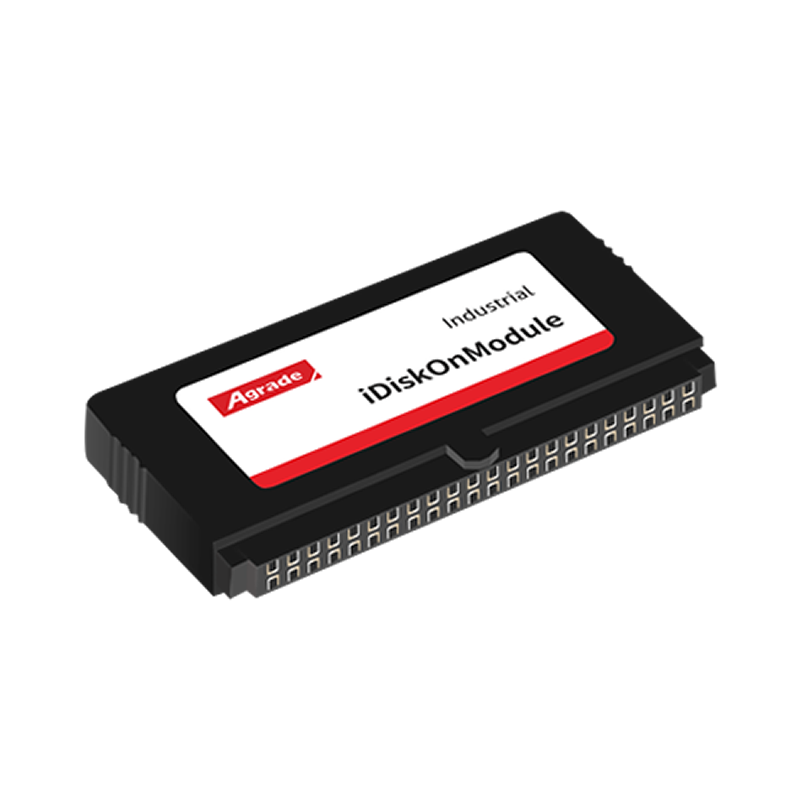
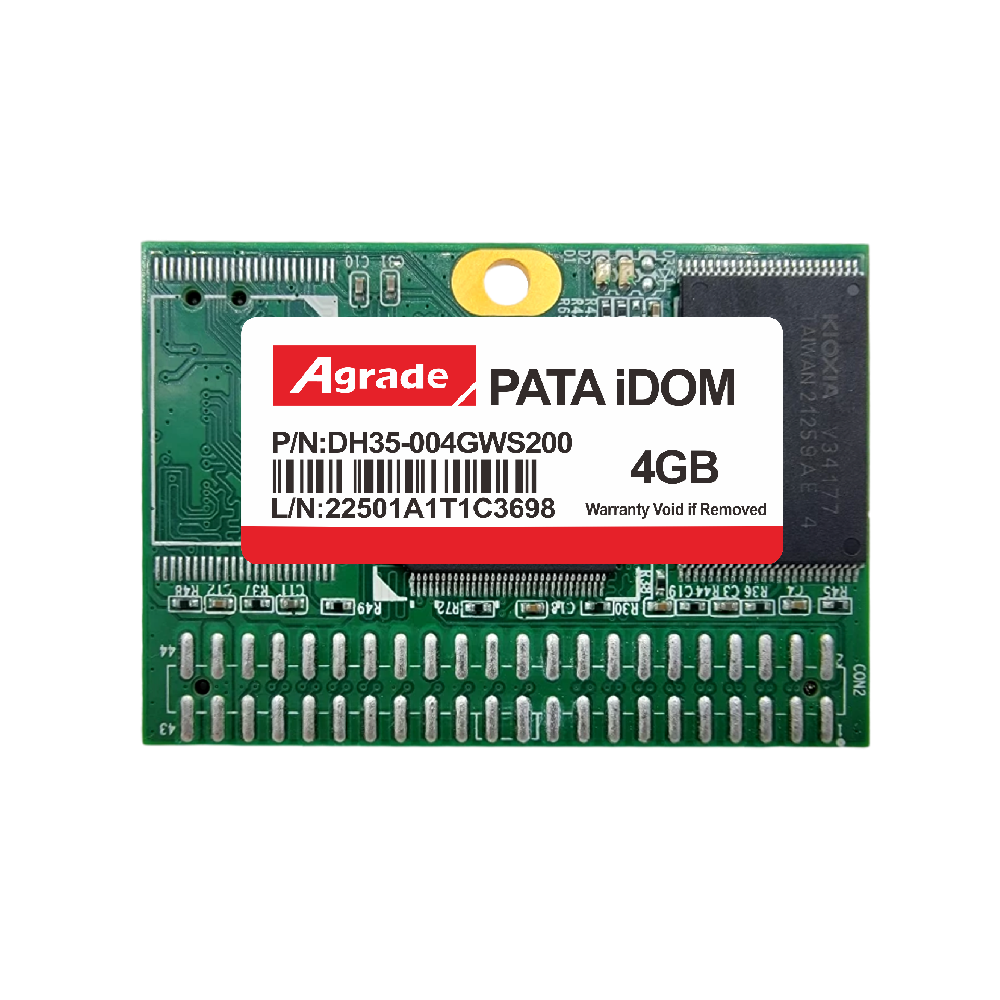
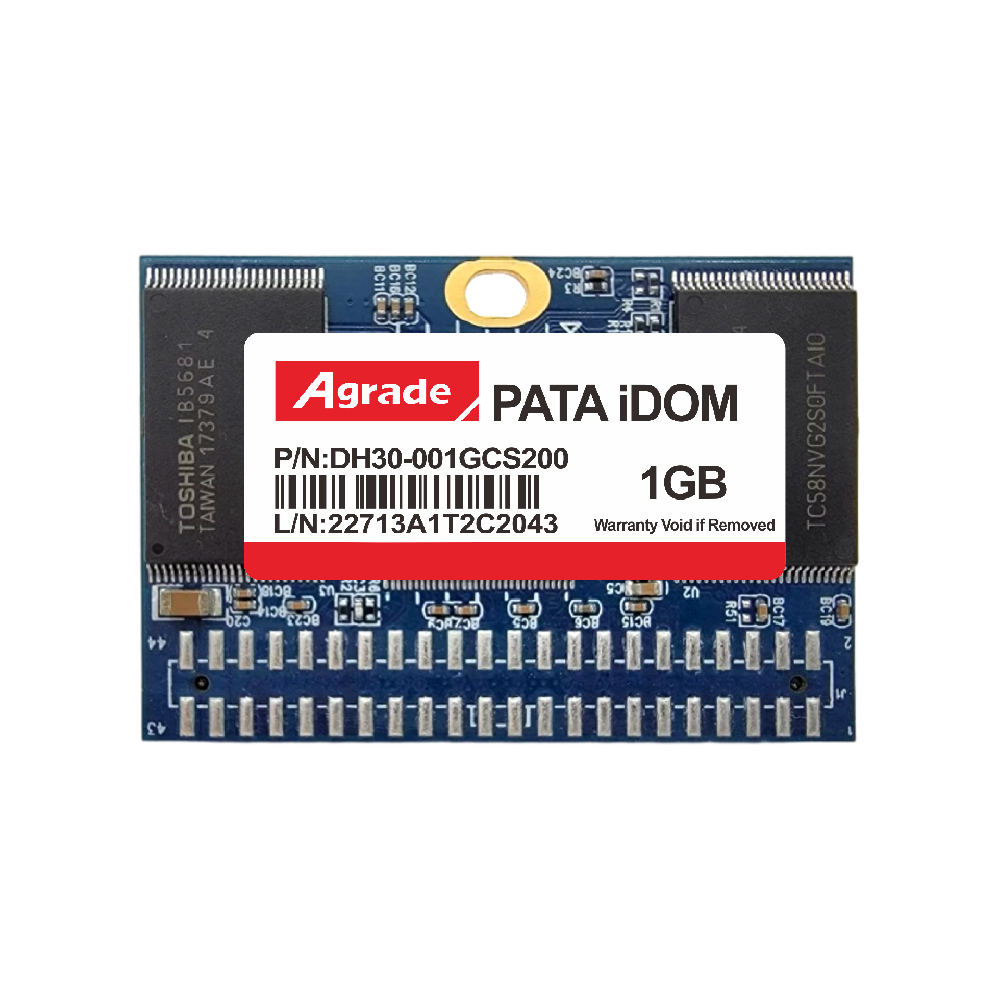
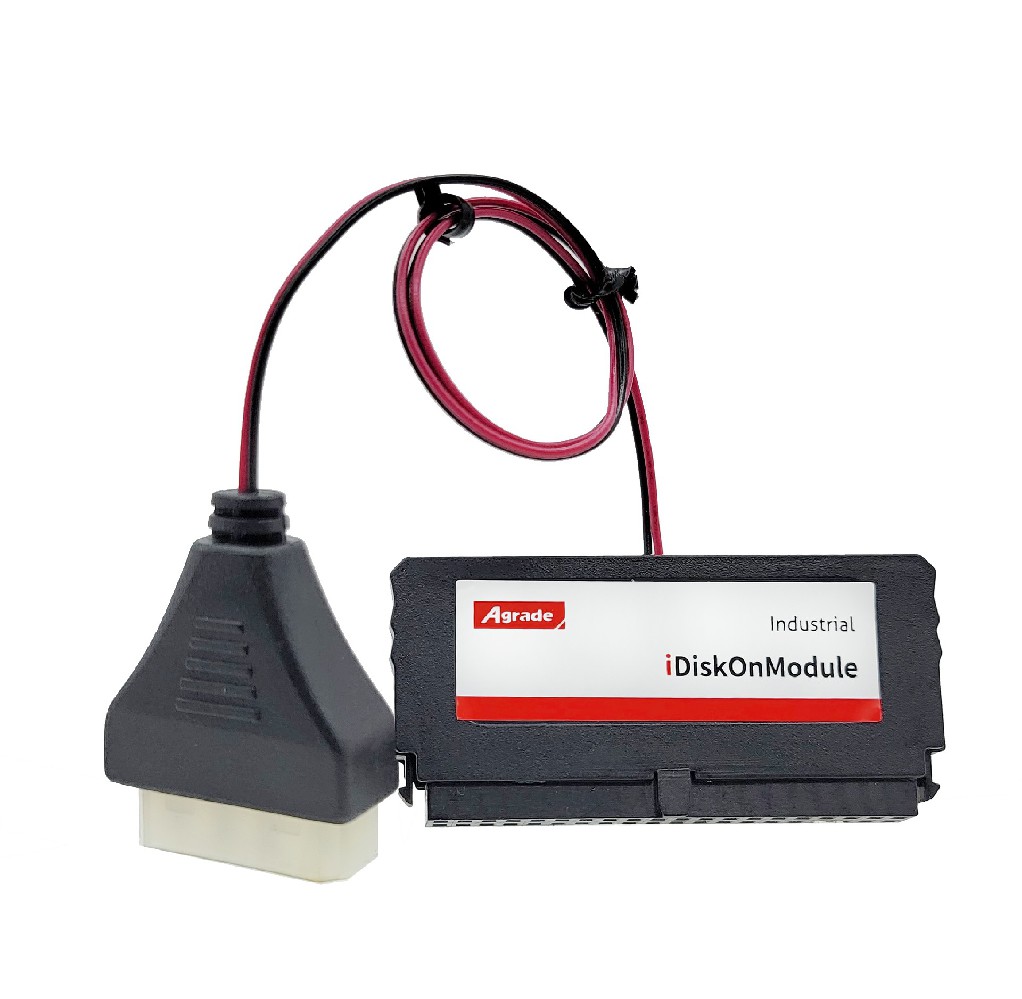
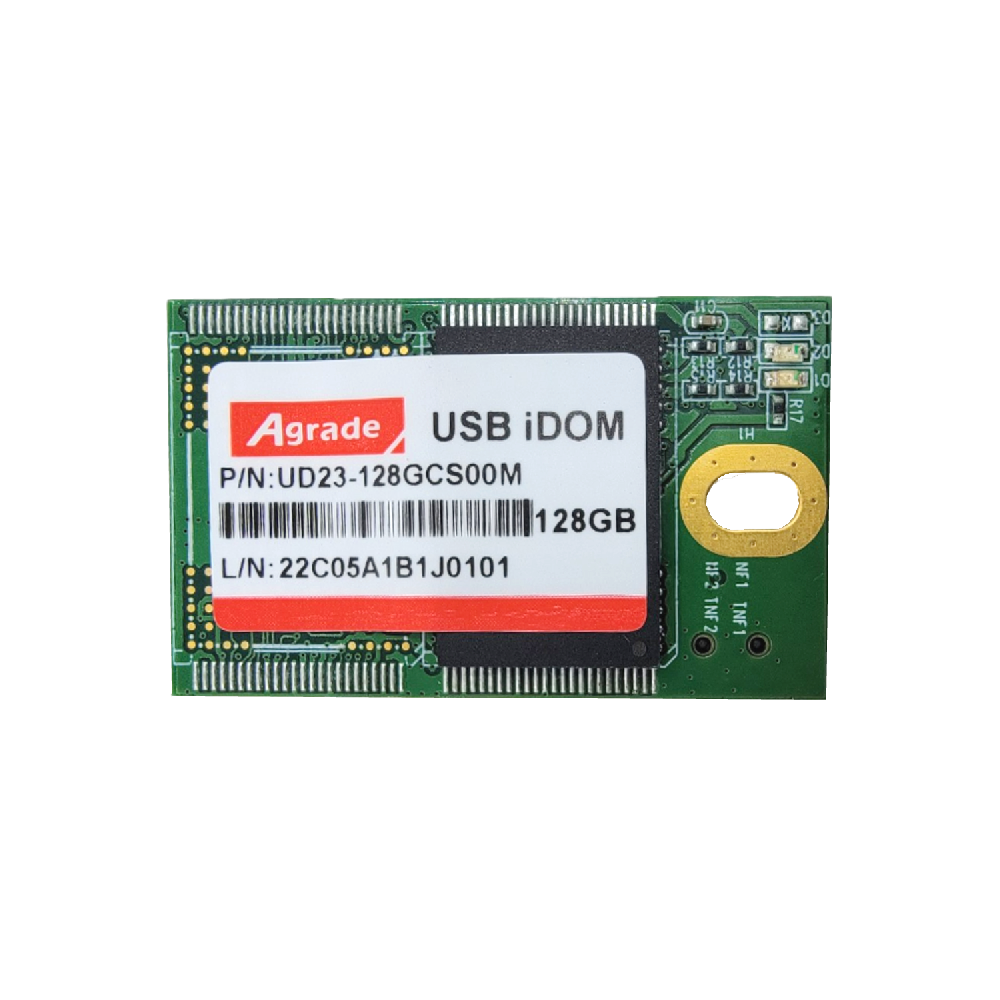
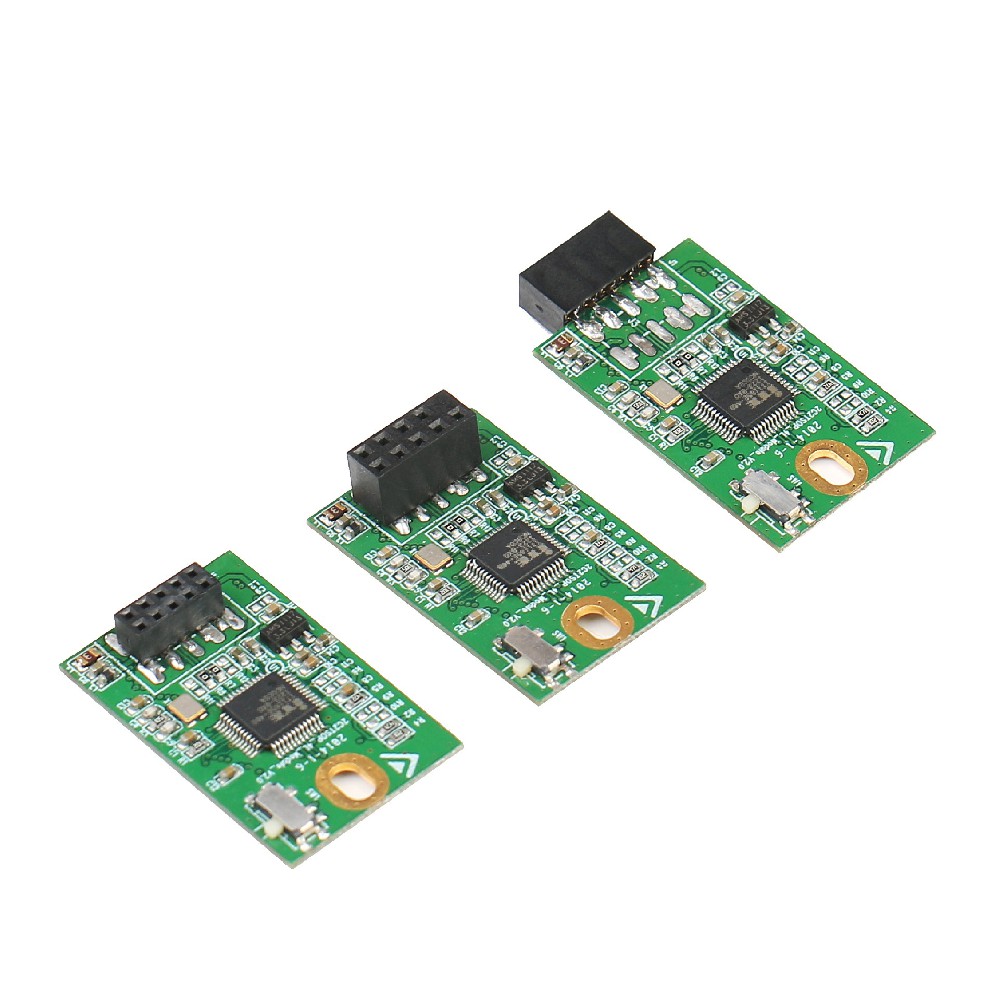
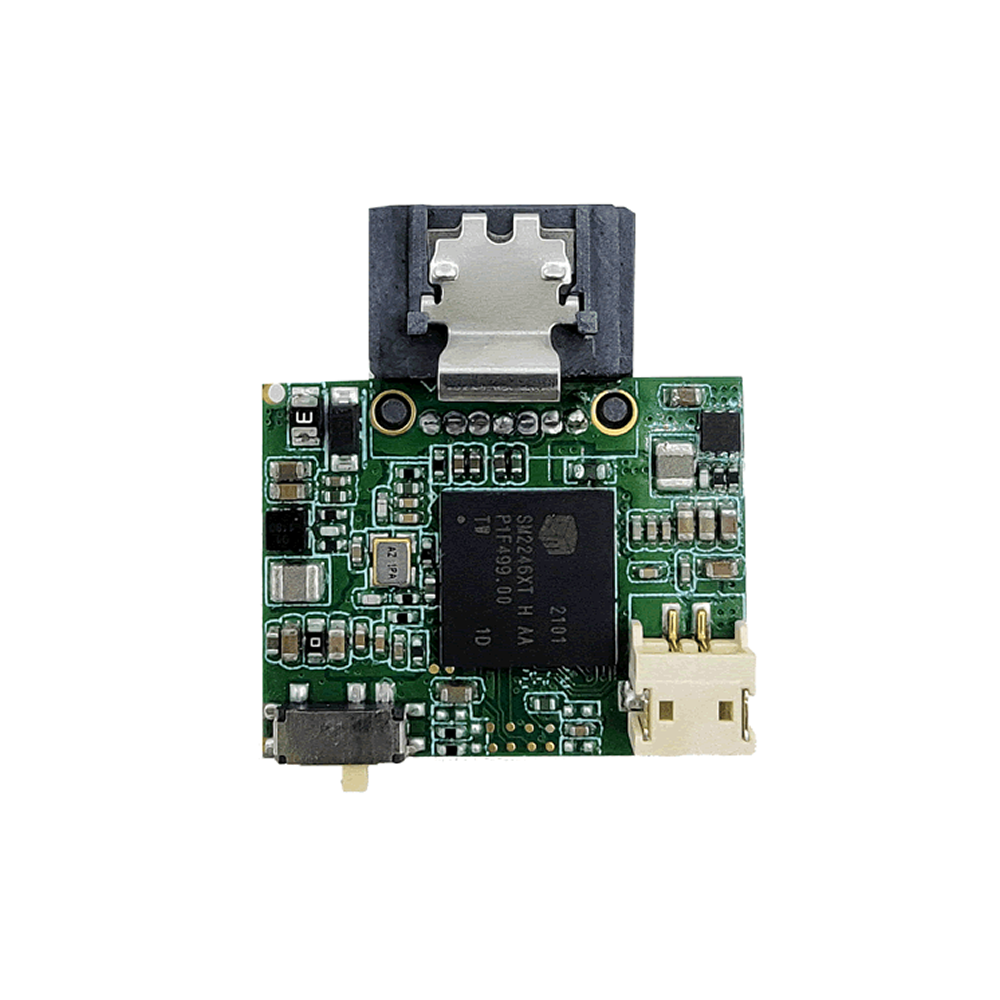
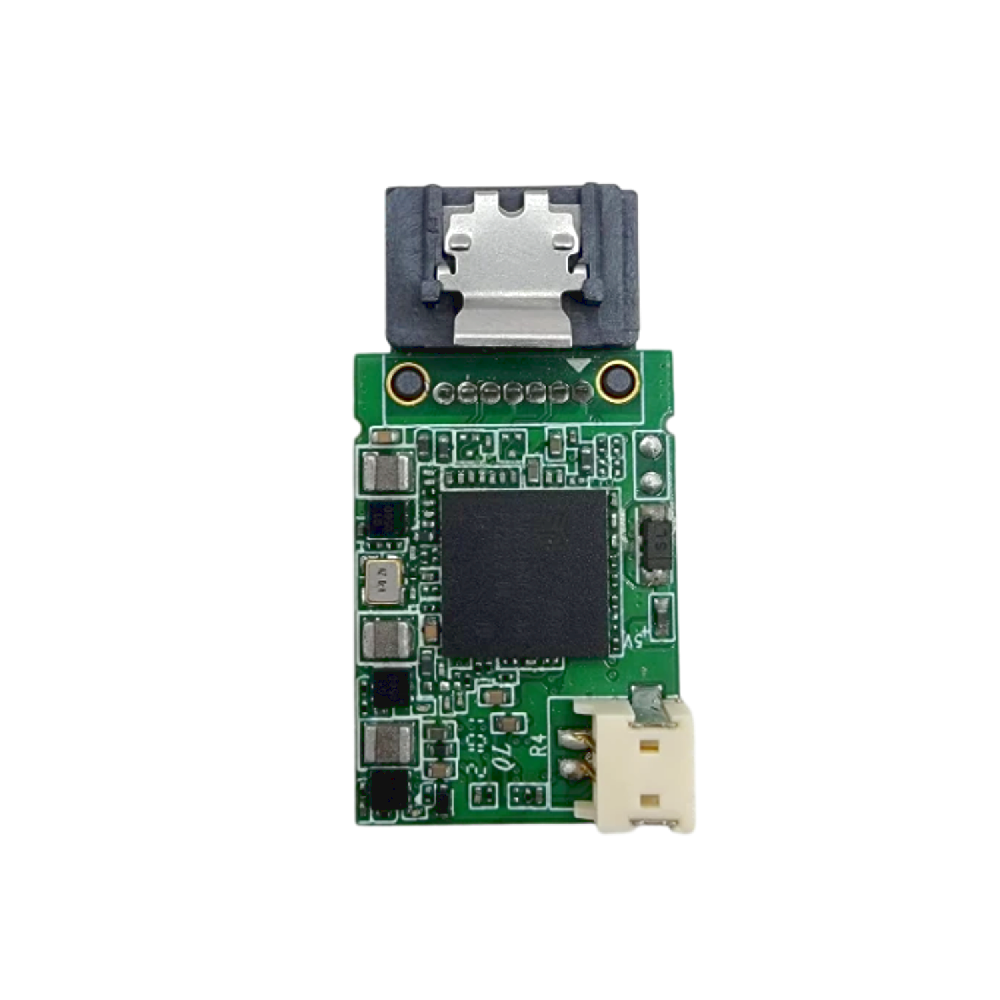
Disk On Module (DOM) is known for its reliability, but like any storage device, it can experience issues from time to time. From connection problems to performance degradation and data loss, understanding how to identify and resolve common DOM issues is essential for maintaining system uptime and data integrity. This article outlines the most frequent DOM problems and provides practical troubleshooting tips to help you address them quickly and effectively.

One of the most common issues with DOMs is failure to be recognized by the system. This can be caused by several factors, including loose connections, incorrect BIOS settings, or outdated drivers. Start by checking the physical connection—ensure the DOM is securely plugged into the motherboard’s IDE or SATA port, and verify that the power connector (if applicable) is properly attached. Next, enter the system’s BIOS settings to confirm that the DOM is detected. If not, try enabling the appropriate controller (e.g., AHCI mode for SATA DOMs) or adjusting the boot order. For software-related issues, update the DOM’s driver or the system’s operating system to ensure compatibility.
Performance degradation is another common problem, often caused by disk fragmentation, insufficient free space, or wear on the flash memory. For DOMs used in write-intensive applications, wear-leveling technology can help distribute write operations evenly, but over time, performance may still decline. To address this, regularly check the DOM’s free space and delete unnecessary files to maintain at least 10% free space. For Windows systems, run disk fragmentation tools (though this is less critical for SSD-based DOMs), and for Linux systems, use tools like fstrim to optimize performance. If performance issues persist, consider replacing the DOM, as it may be reaching the end of its lifespan.
Data loss is a more serious issue, typically caused by power failures, accidental formatting, or physical damage. To prevent data loss, always use DOMs with power failure management features, which protect data during unexpected outages. Regular data backups are also essential—store backups on a separate device or in the cloud. If data loss occurs, use data recovery software (e.g., Recuva, EaseUS Data Recovery Wizard) to attempt to retrieve lost files. For severe cases, contact a professional data recovery service. By following these troubleshooting tips and implementing proactive maintenance practices, you can minimize downtime and ensure the reliable operation of your DOM.

-
Products
Advantages
-
Solutions
-
News
About us
-
Contact us
Tel:+86 19926658803
Whatsapp:+86 19926658803
lianle1210@163.com
Address: 30CF, Caihong Building, Caihong Road, Futian District, Shenzhen City, Guangdong Province, China



Friendly Links:
