






News


 电商部
电商部  2025-12-30 10:57:16
 The Future of Disk On Module: Emerging Technologies and Trends
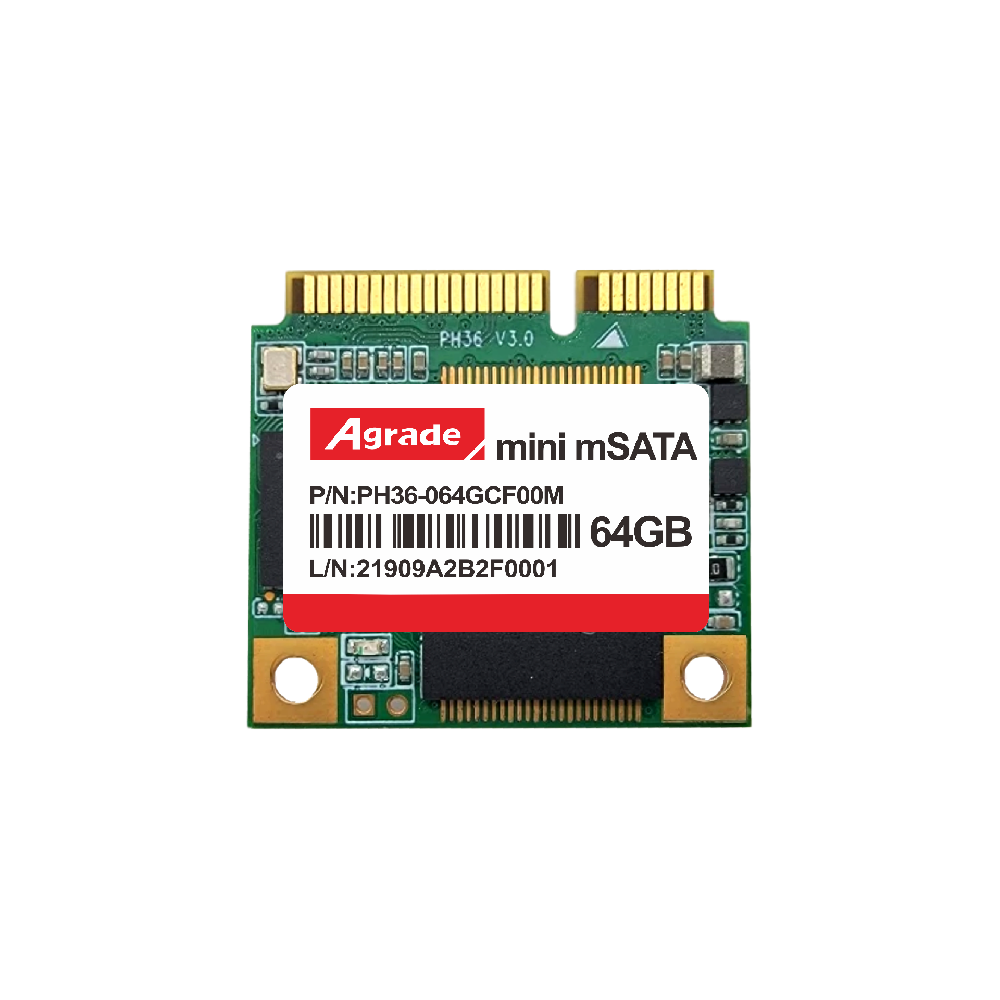
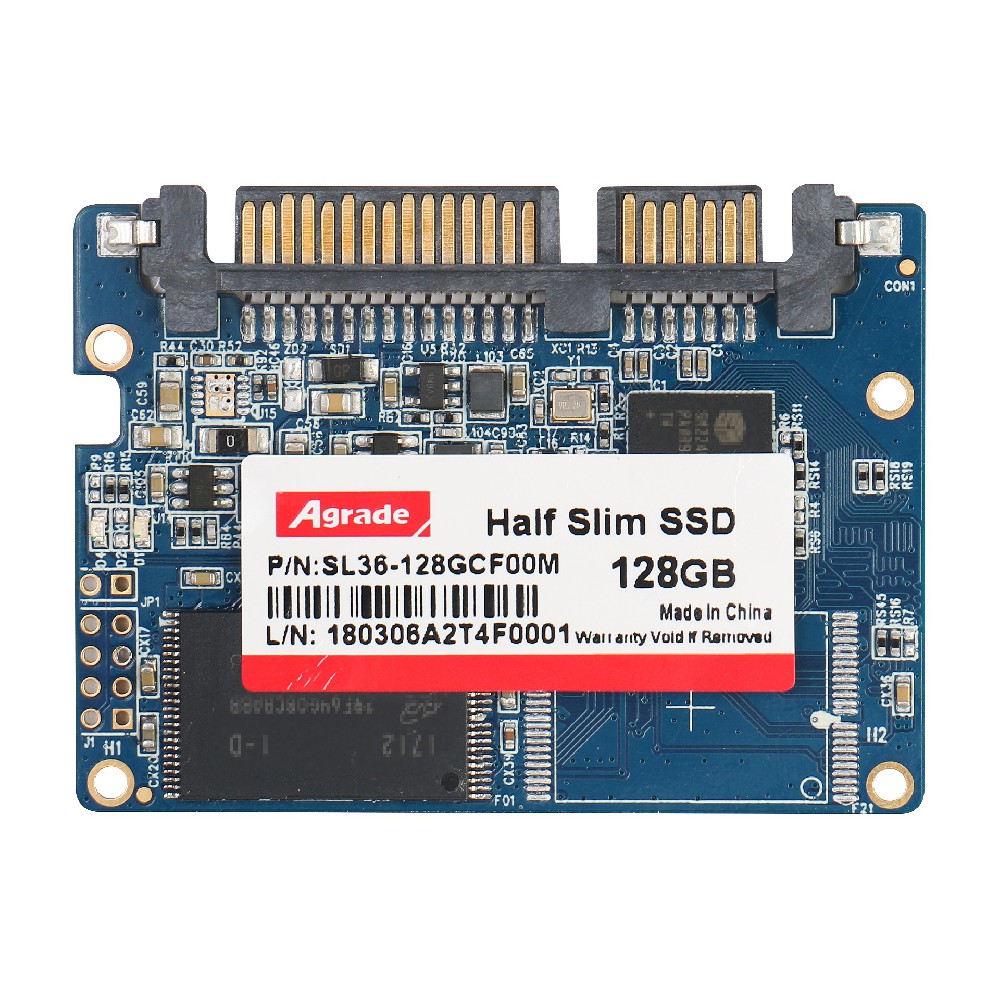
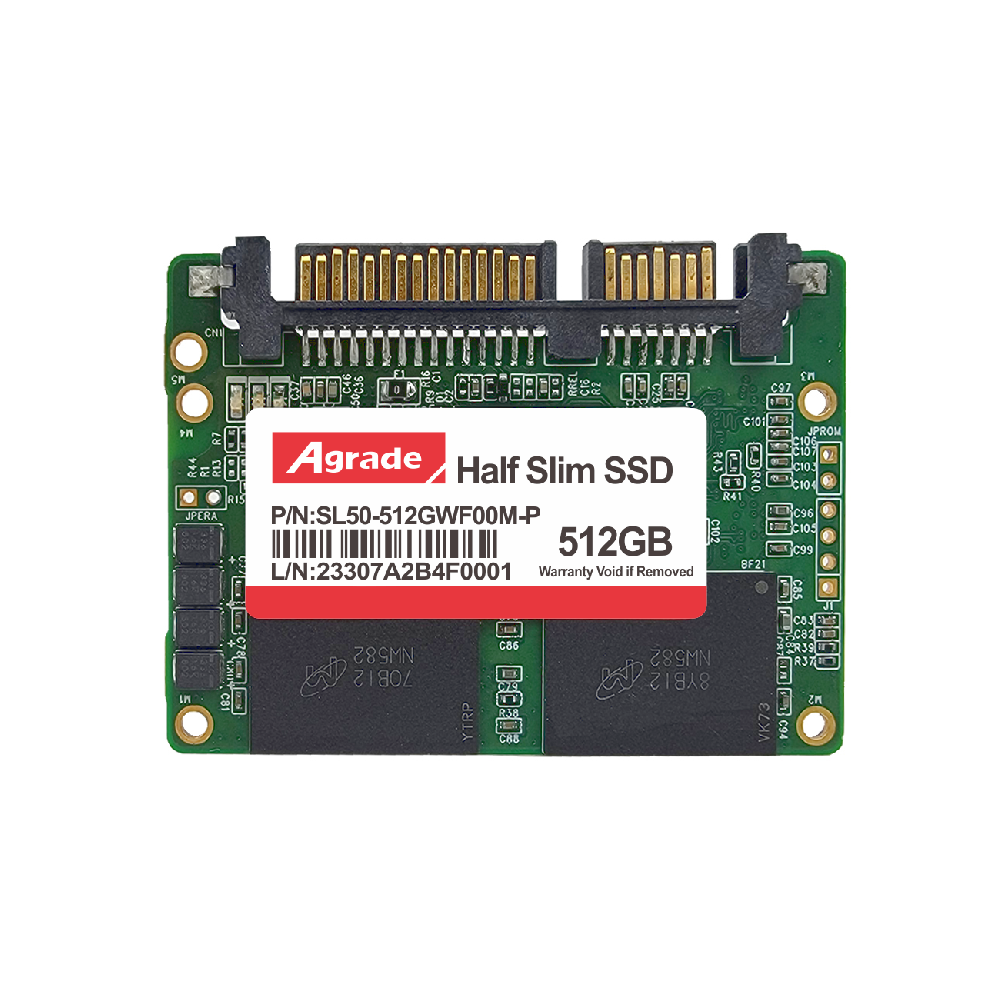
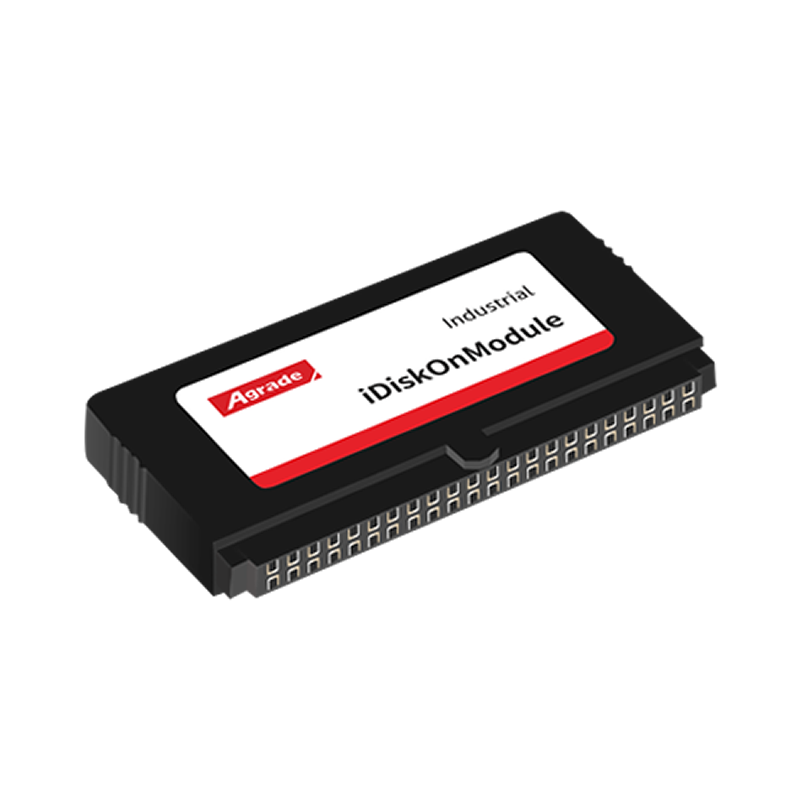
Disk On Module (DOM) has evolved significantly since its introduction, adapting to the changing needs of industrial and embedded applications. As technology advances, new trends and innovations are shaping the future of DOM, making it more powerful, reliable, and versatile than ever before. This article explores the emerging technologies and trends that are driving the evolution of Disk On Module, and how they will impact its use in future applications.

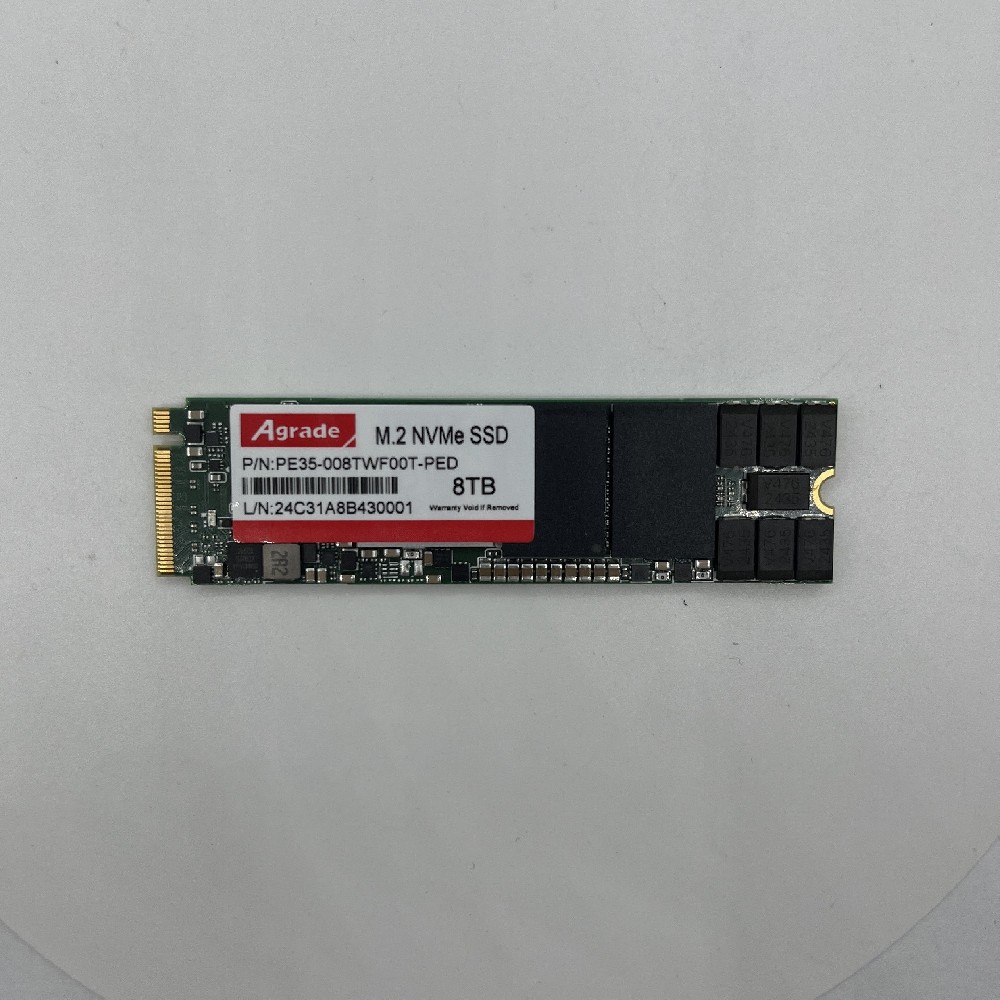
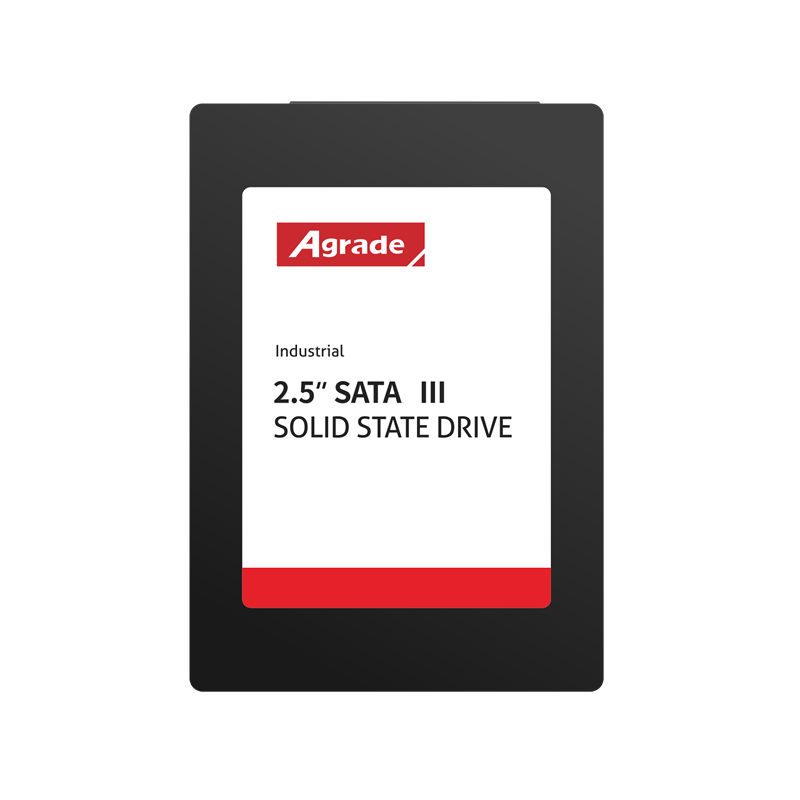
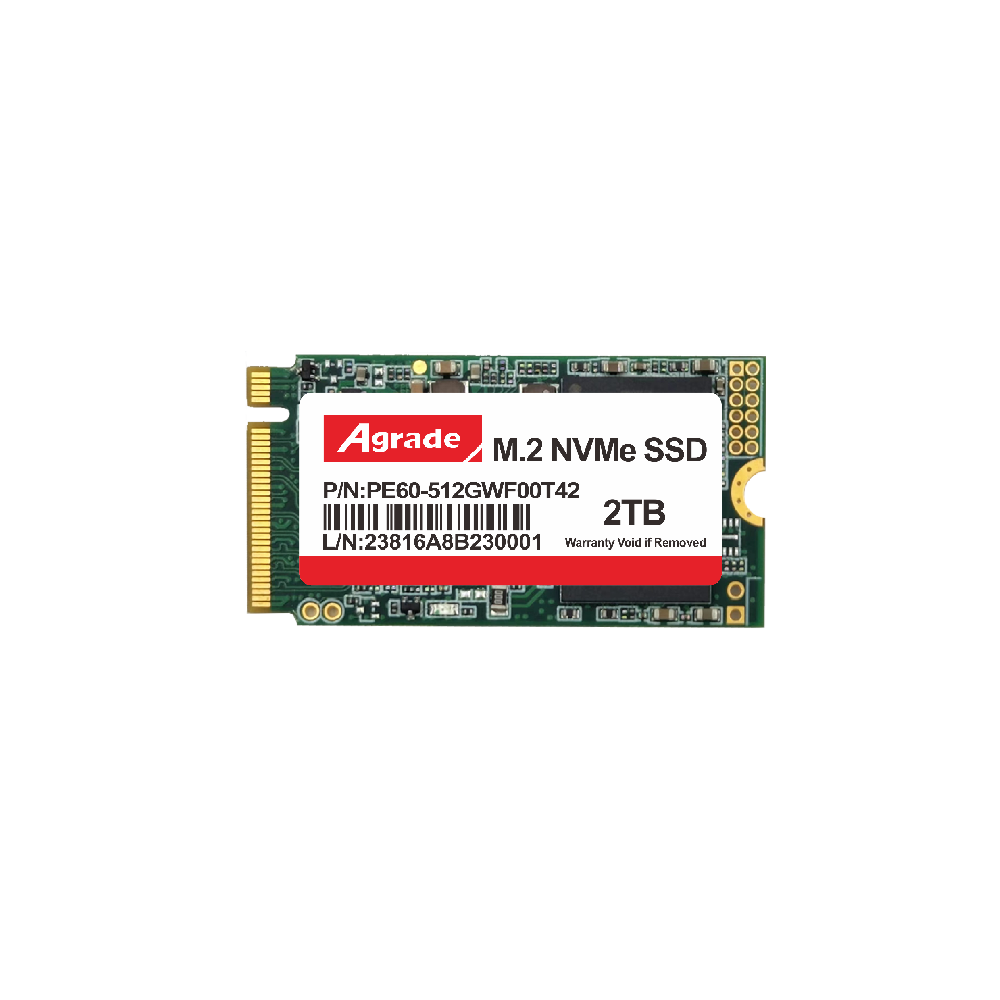
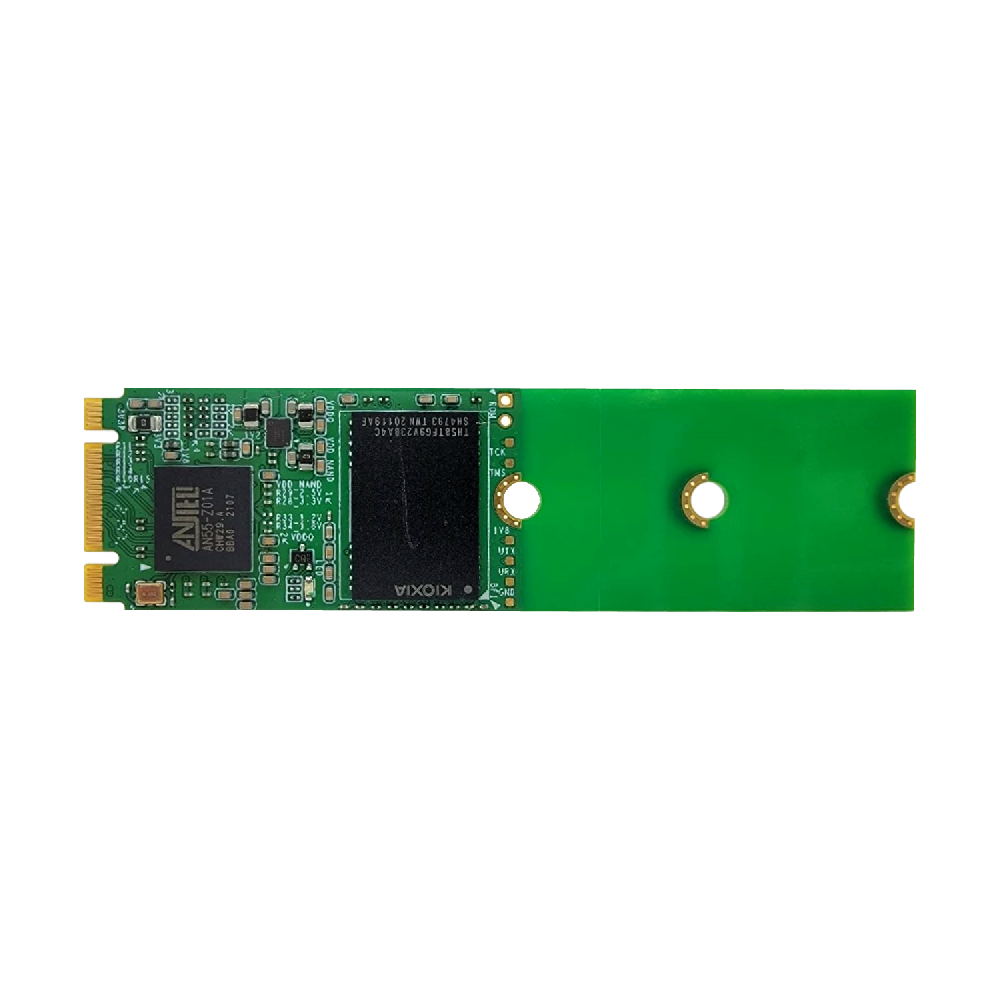
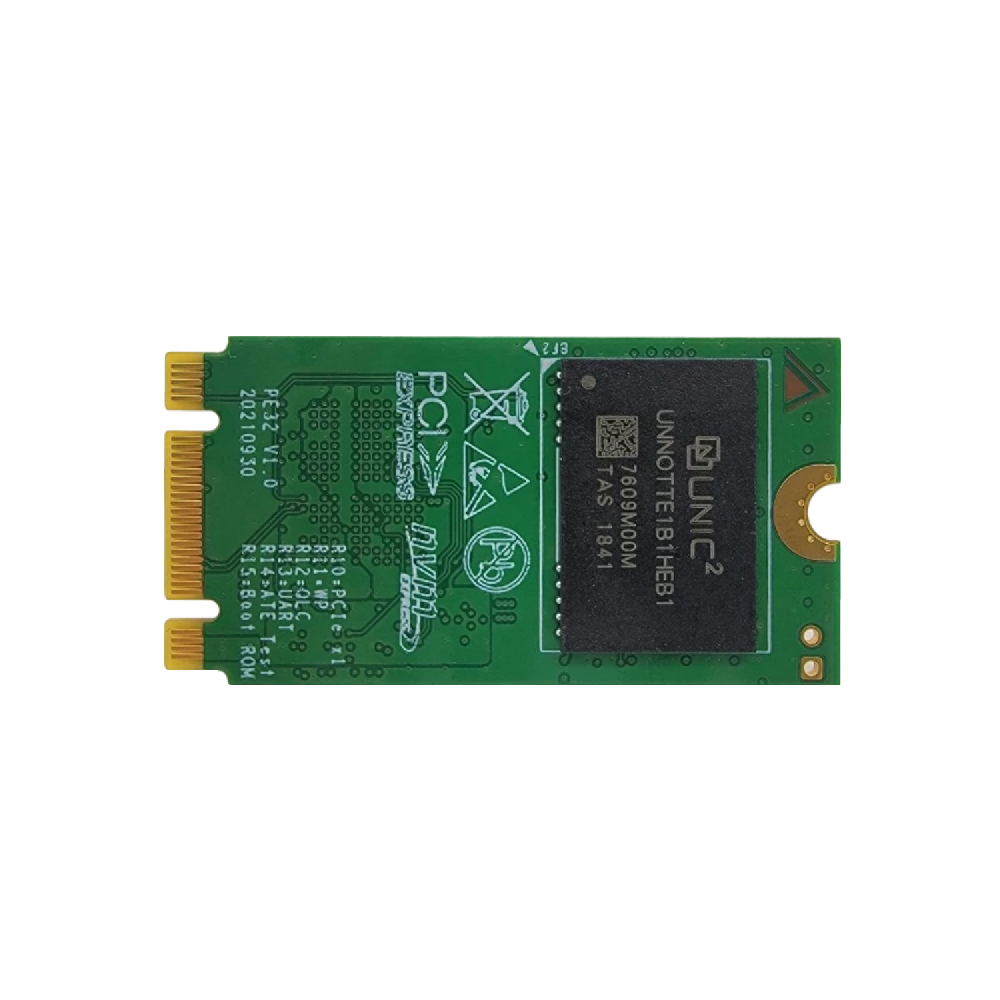
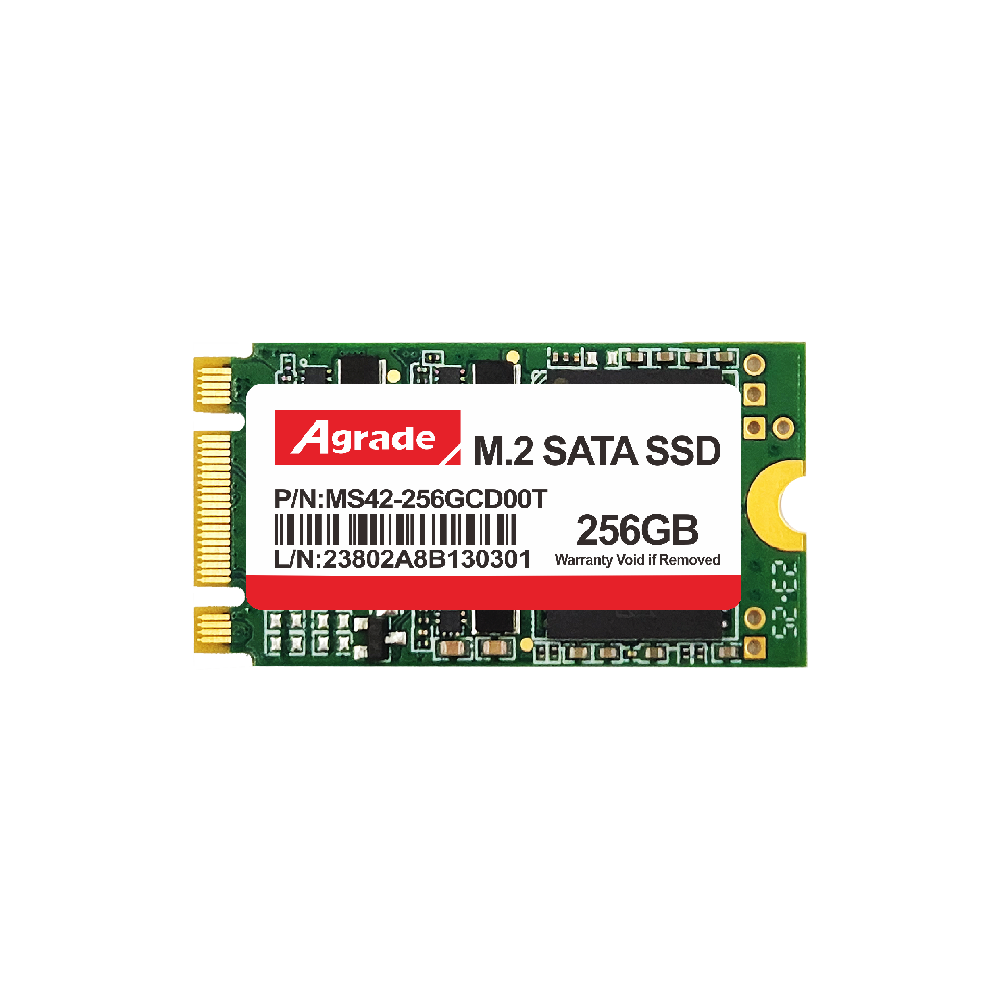
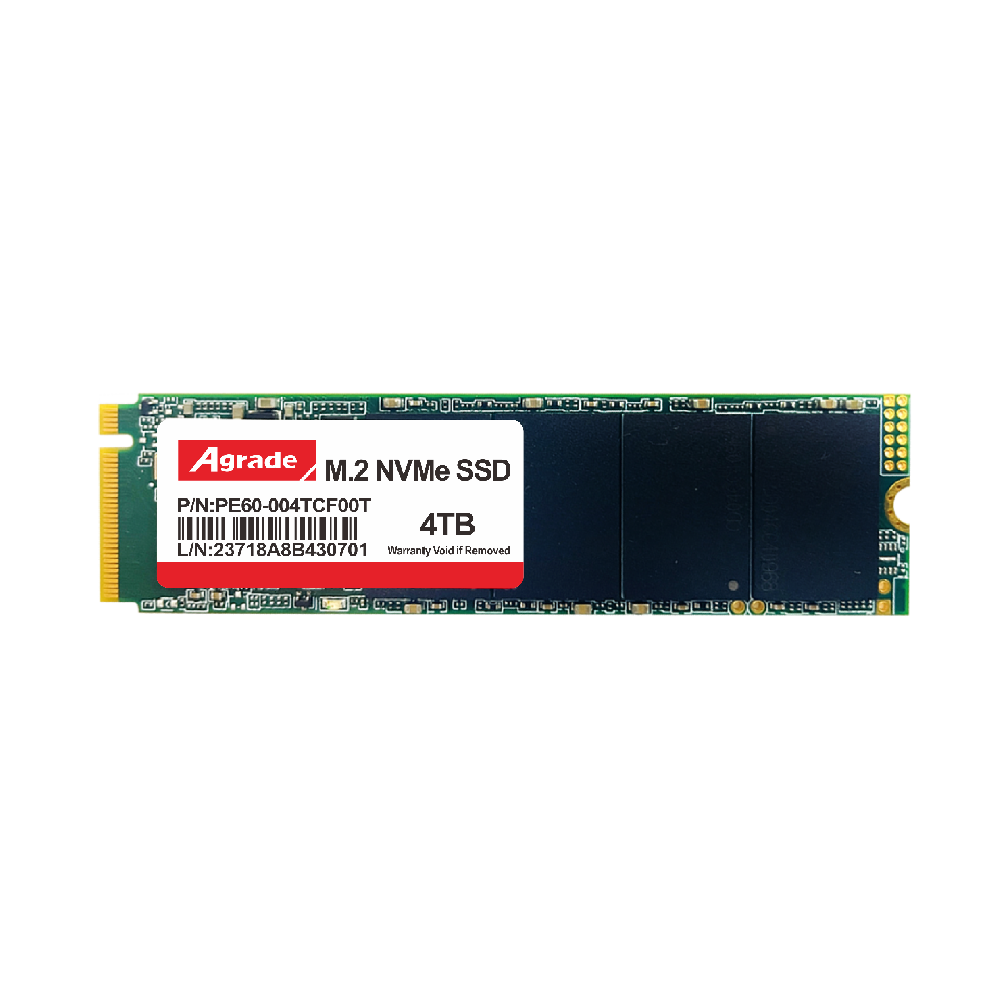
One of the most notable trends in DOM technology is the shift toward higher performance interfaces. SATA 3.2 (6 Gb/s) is already the standard for modern DOMs, but we are seeing a gradual move toward even faster interfaces like NVMe (Non-Volatile Memory Express). NVMe DOMs, which use the PCIe interface, offer significantly higher data transfer rates—up to 32 Gb/s—making them ideal for high-performance embedded systems and data-intensive applications like real-time analytics and machine learning.
Another key trend is the integration of advanced data security features. As cyber threats become more sophisticated, industrial and embedded systems require robust security measures to protect sensitive data. Future DOMs will likely include features like hardware encryption (AES-256), secure boot, and tamper detection to prevent unauthorized access and data breaches. These security features will be particularly important in critical applications like healthcare, finance, and military systems.
The development of more resilient DOMs is also a growing trend. Manufacturers are investing in new materials and designs to enhance the environmental durability of DOMs, including wider temperature ranges, improved vibration and shock resistance, and better resistance to dust, moisture, and electromagnetic interference. This will enable DOMs to be used in even more extreme environments, such as deep-sea exploration, space applications, and desert oil fields.
Finally, the rise of the Internet of Things (IoT) is driving demand for smaller, more energy-efficient DOMs. IoT devices require compact, low-power storage solutions that can operate for long periods on battery power. Future DOMs will be even smaller and more energy-efficient, with improved power management features to extend battery life. They will also be designed to integrate seamlessly with IoT platforms, enabling remote monitoring and management of storage devices.

-
Products
Advantages
-
Solutions
-
News
About us
-
Contact us
Tel:+86 19926658803
Whatsapp:+86 19926658803
lianle1210@163.com
Address: 30CF, Caihong Building, Caihong Road, Futian District, Shenzhen City, Guangdong Province, China



Friendly Links:
