




News


 电商部
电商部  2026-01-13 09:57:51
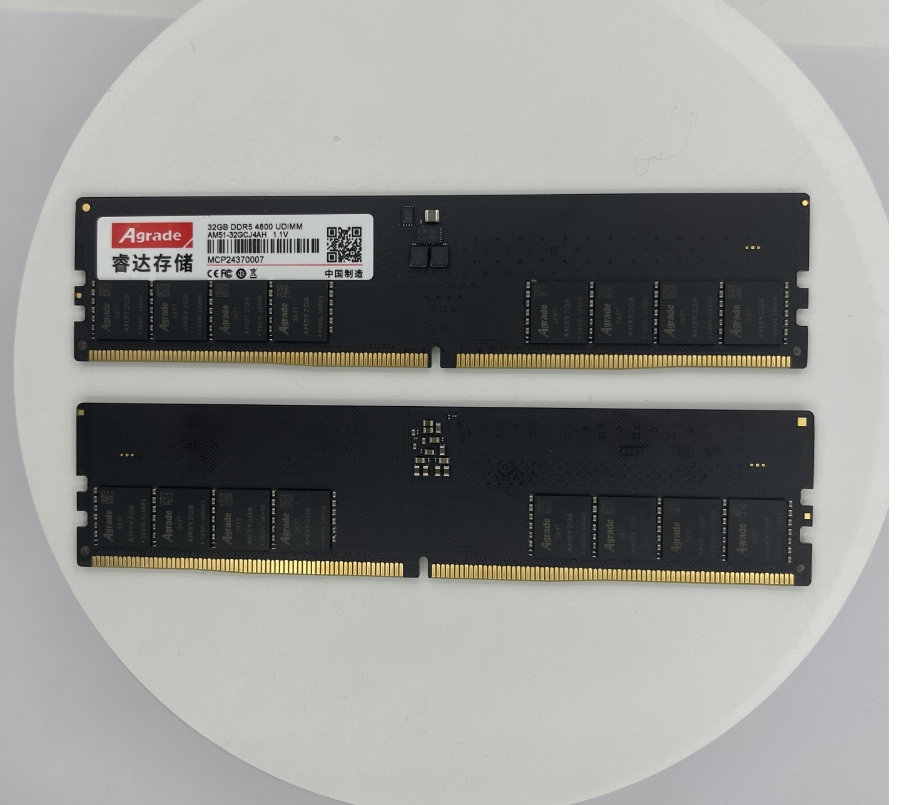
 The core difference between server memory modules and regular memory is clear after reading this
Although server memory modules and desktop-grade memory modules both belong to RAM (Random Access Memory), they differ significantly in design objectives and core characteristics, and are by no means "replaceable by high-end desktop memory". Servers operate under high loads 24/7, supporting critical businesses such as financial transactions and cloud computing. Therefore, they undergo extreme optimization in terms of reliability, fault tolerance, and scalability, which ordinary memory cannot match.
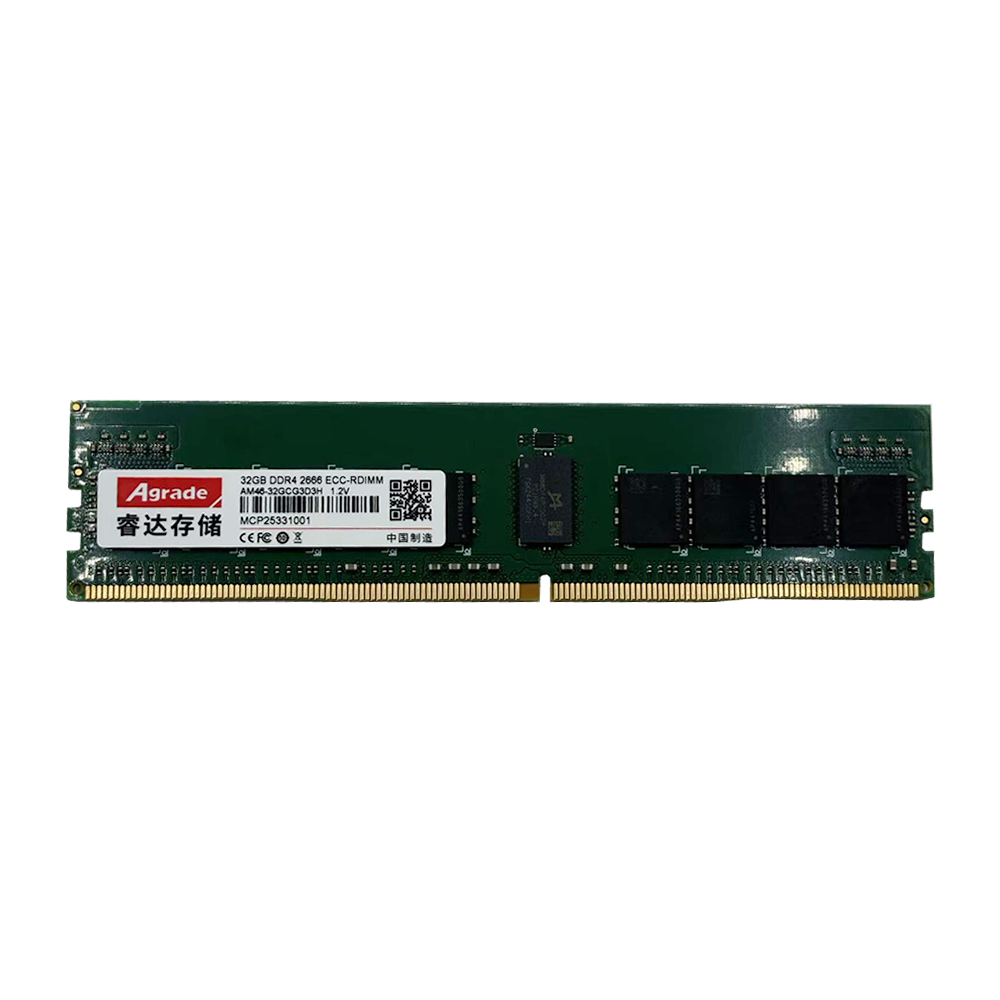
The core difference lies in fault tolerance. Server memory generally incorporates ECC (Error Correction Code) technology, which can detect and automatically correct single-bit errors in real time, preventing system downtime caused by multi-bit errors. This is crucial for critical business operations. In contrast, ordinary desktop memory often lacks ECC functionality, focusing solely on performance and cost-effectiveness, and is unable to handle data errors during prolonged operation.
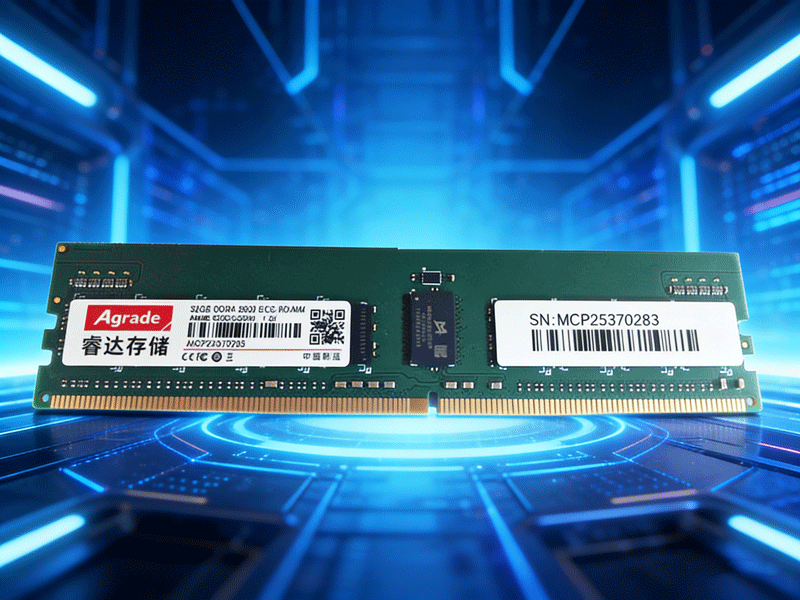
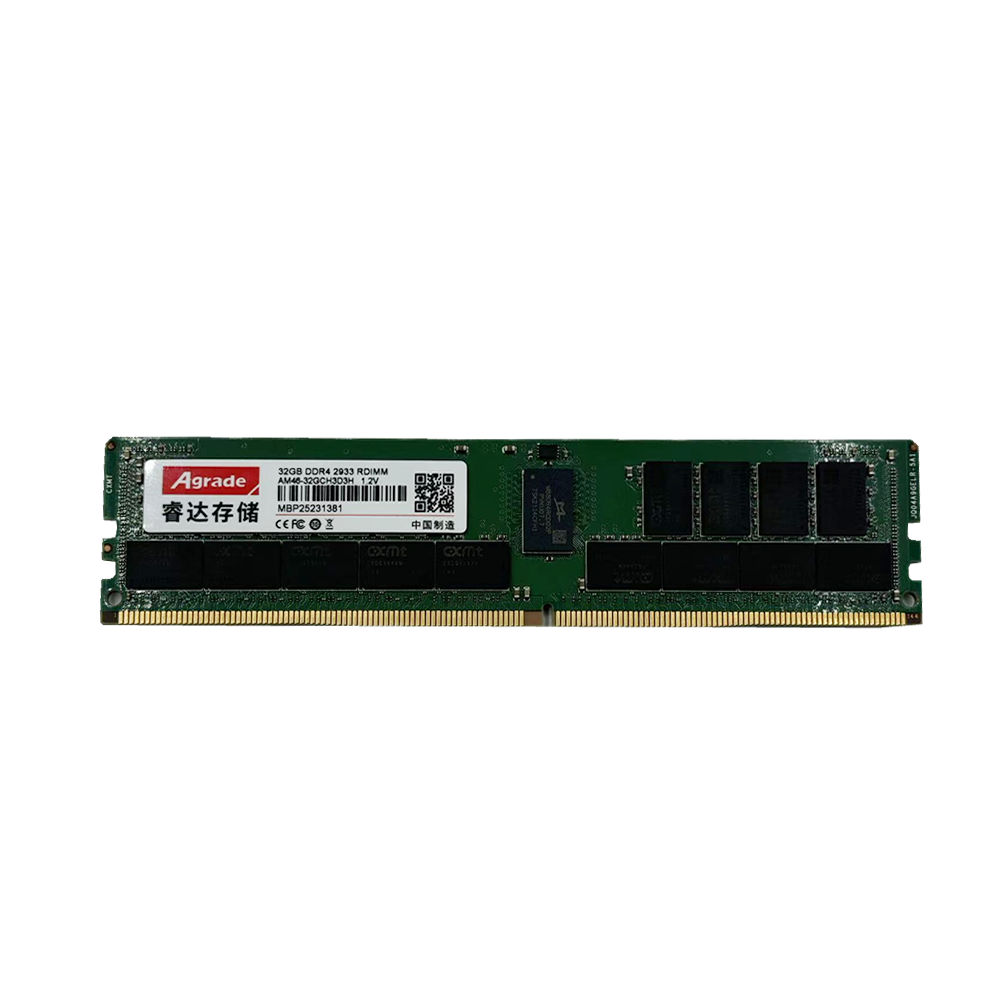
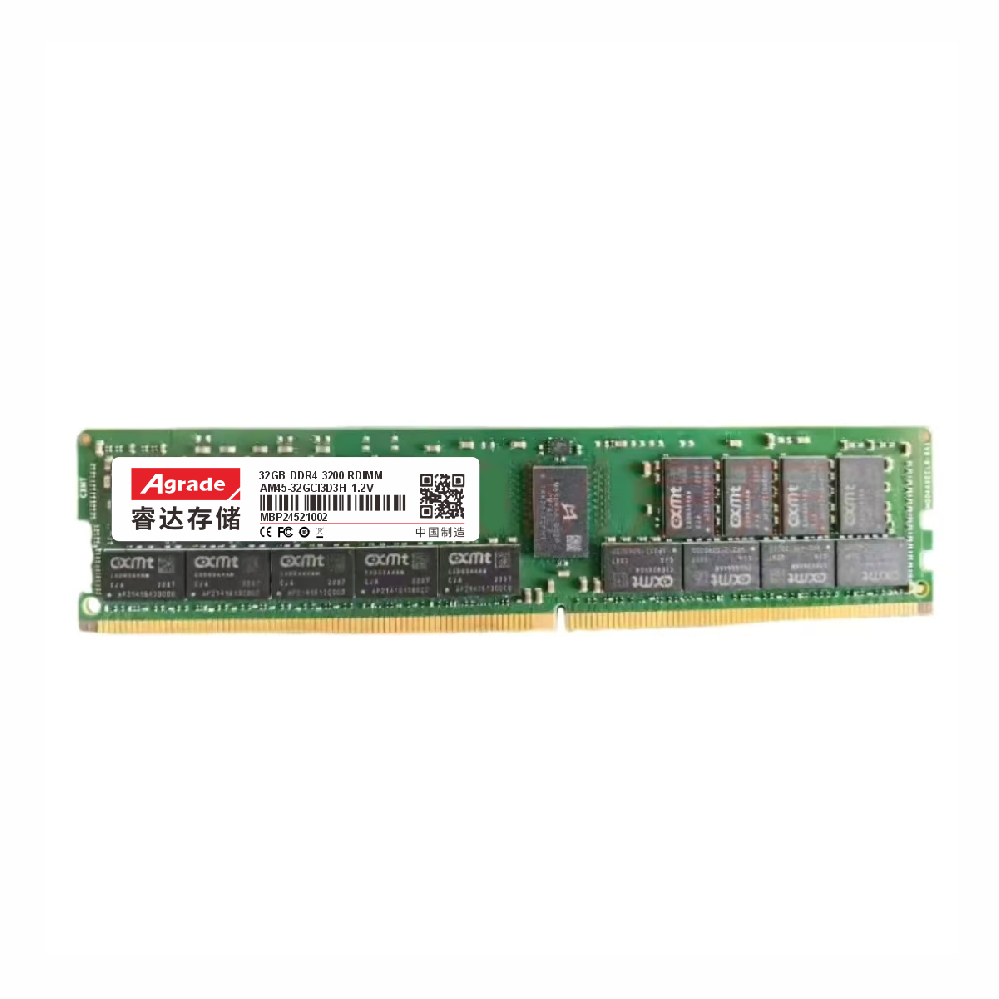
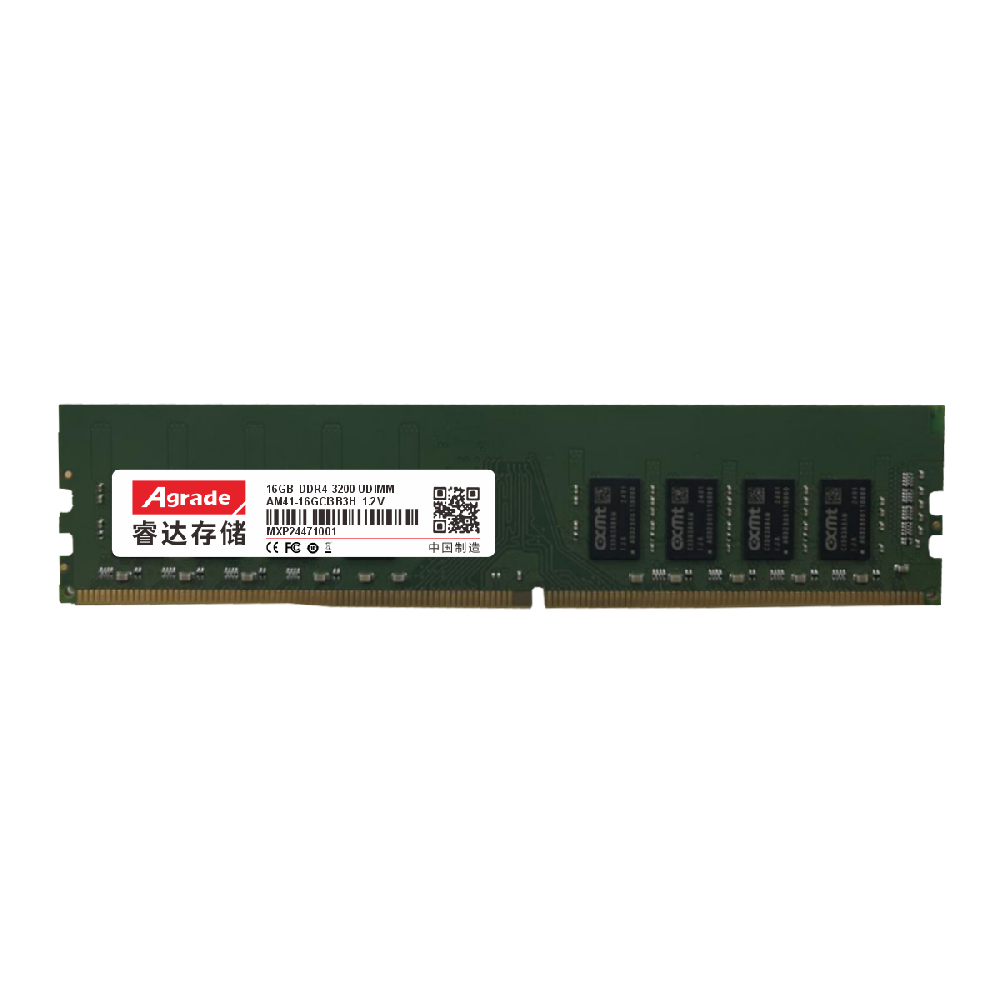
In terms of packaging and scalability, server memory comes in various types such as UDIMM, RDIMM, and LRDIMM. RDIMM optimizes signals through registers and supports larger capacity expansion, while LRDIMM is suitable for ultra-large-scale memory configurations. Common memory is mostly of the UDIMM unbuffered type, with limited capacity and expansion capabilities. Furthermore, server memory supports multi-channel technology (4-8 channels), with bandwidth far exceeding the dual-channel of desktop memory, capable of meeting the needs of parallel processing of massive amounts of data.
In terms of compatibility, server memory is tightly bound to the CPU and motherboard, requiring strict matching of interface types (DDR4/DDR5) and vendor compatibility lists (QVL). Regular memory, on the other hand, does not require such stringent requirements. In summary, the two have completely different application scenarios, and enterprise-level applications must not use desktop memory as a substitute for server memory.

-
Products
Advantages
-
Solutions
-
News
About us
-
Contact us
Tel:+86 19926658803
Whatsapp:+86 19926658803
lianle1210@163.com
Address: 30CF, Caihong Building, Caihong Road, Futian District, Shenzhen City, Guangdong Province, China



Friendly Links:
