

















News


 电商部
电商部  2026-01-13 10:19:41
 Analysis of ECC technology in server memory modules, the core guarantee for data stability
ECC (Error Correction Code) technology is a core feature that distinguishes server memory modules from ordinary memory, and is known as the "talisman" for stable data operation. It is widely used in key business scenarios such as finance, healthcare, and telecommunications. Its essence is to perform real-time monitoring and error correction on the memory data transmission process through additional check bits, avoiding system failures caused by data errors.
The working principle of ECC technology is to add parity bits during data storage. During reading, the parity bits are compared with the data bits through an algorithm. If a single-bit error is detected, it can be automatically corrected; if multiple-bit errors are found, an alarm will be issued in a timely manner to prevent the spread of erroneous data. Ordinary memory has no parity mechanism, and minor data errors may lead to program crashes, data corruption, and even business interruptions.

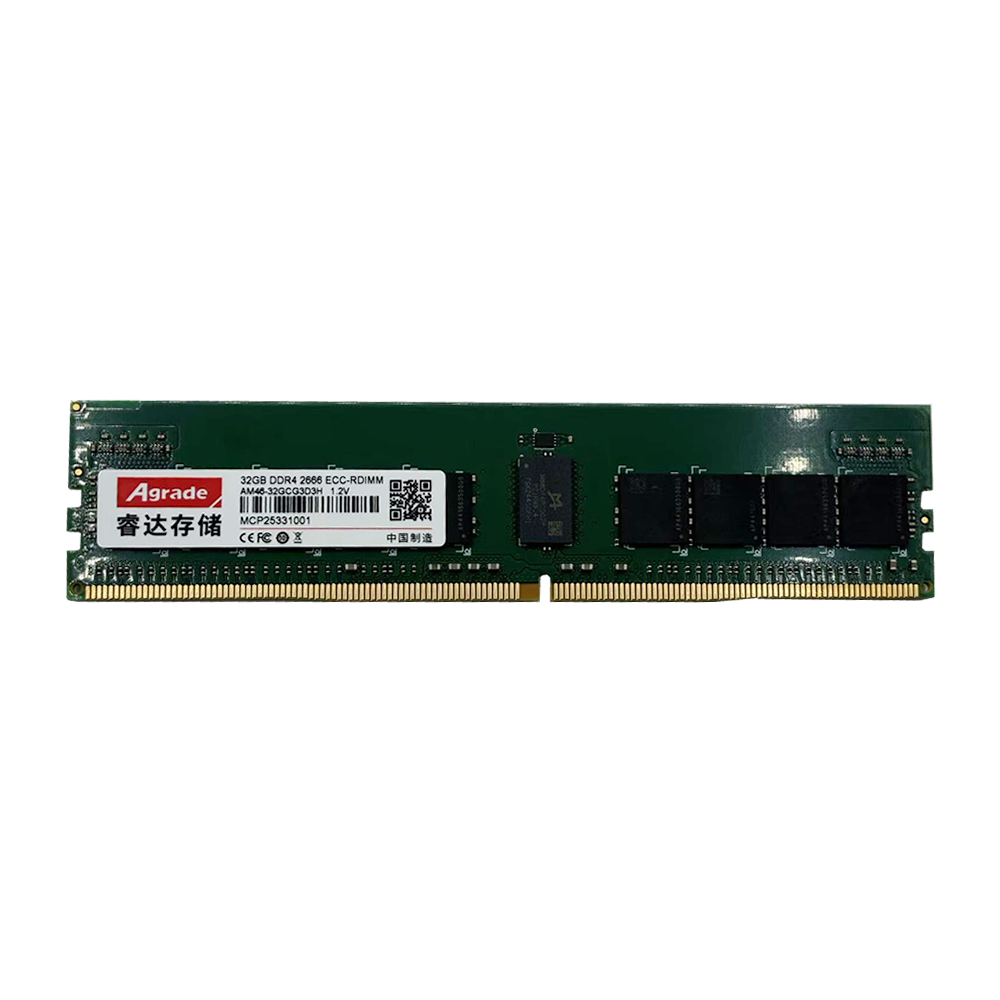
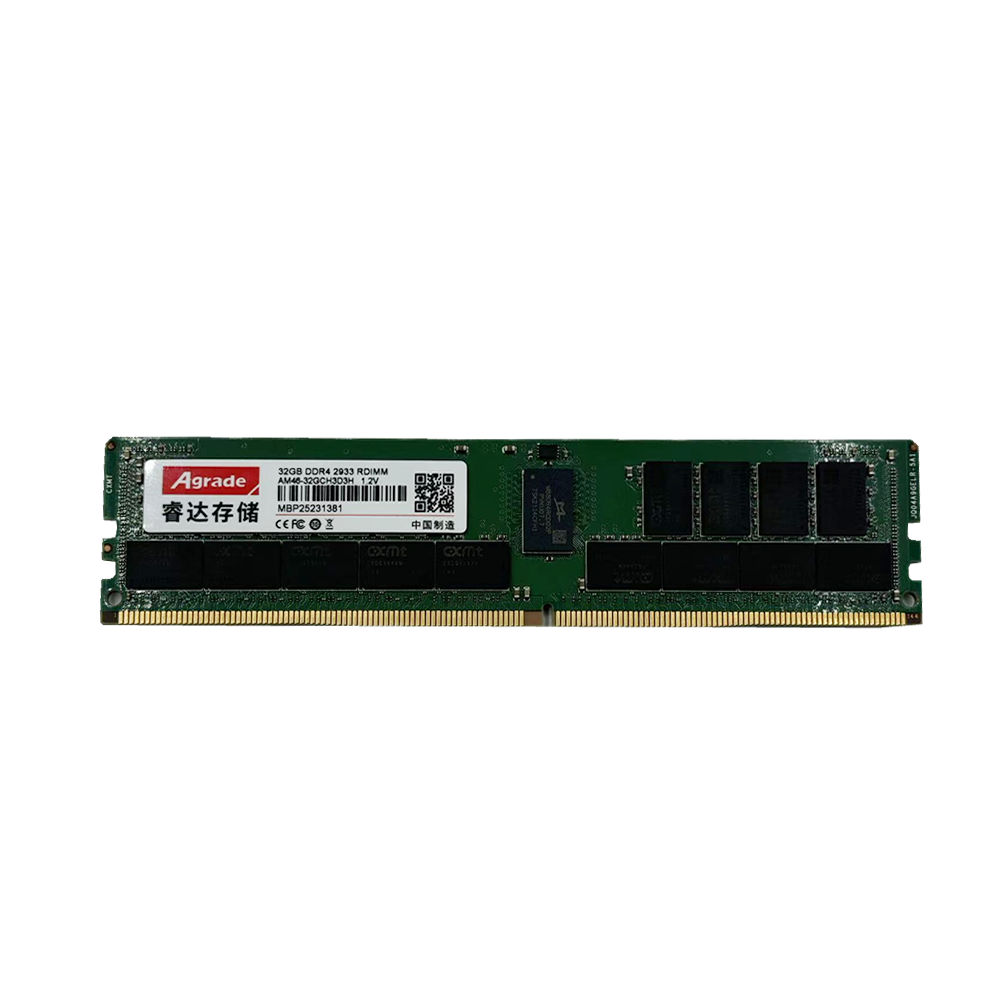
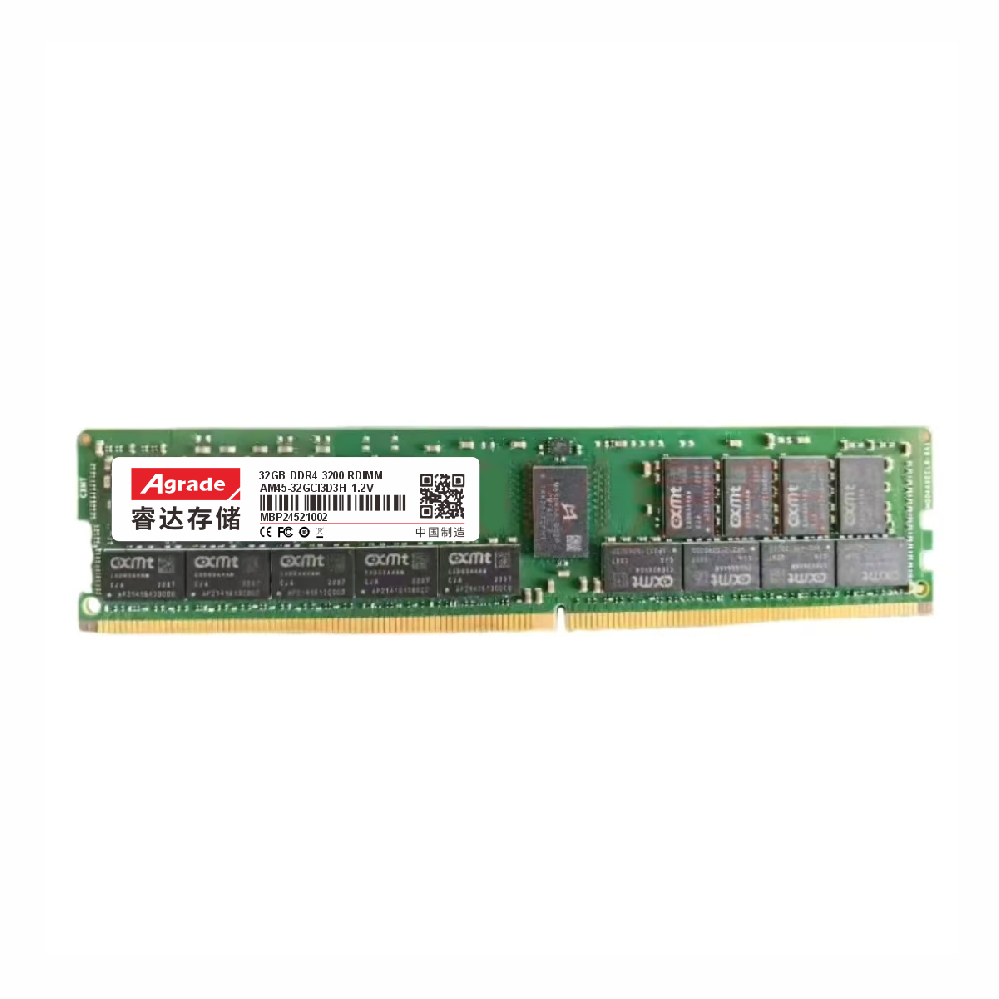
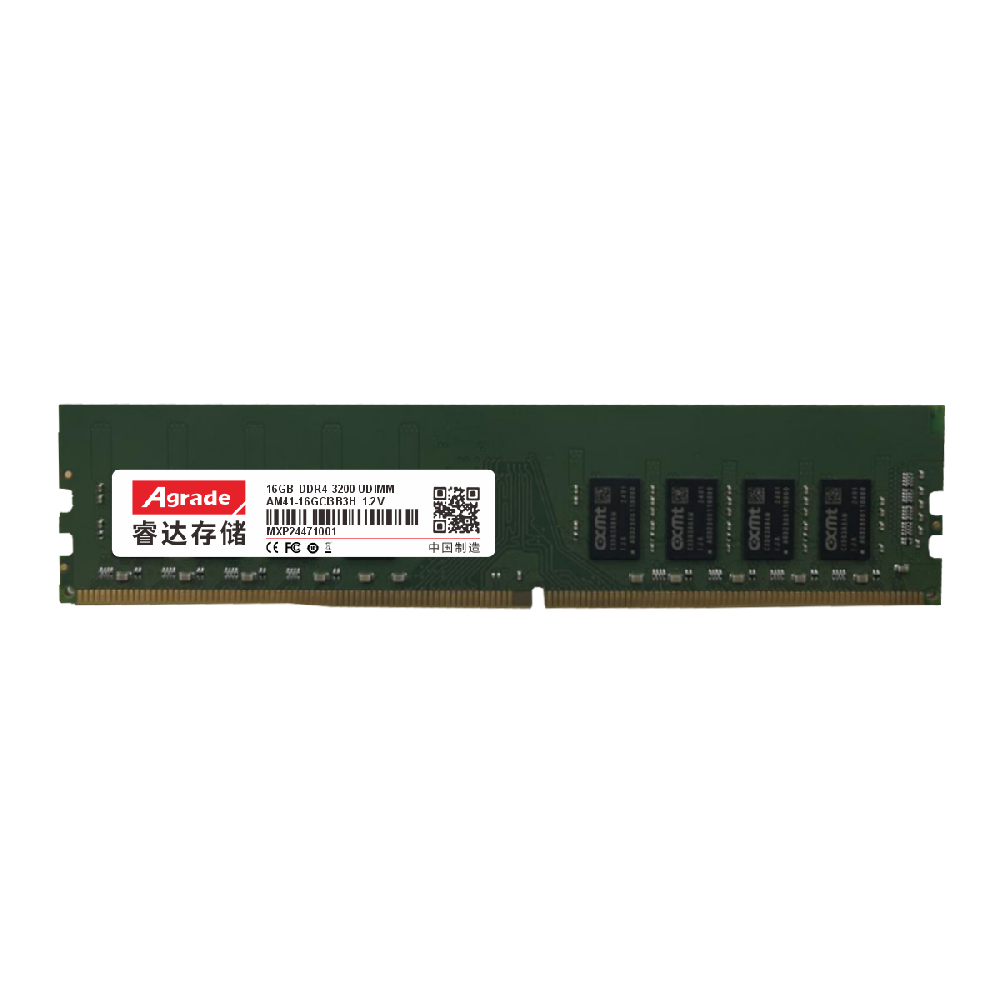
Based on the packaging type, ECC memory is categorized into three types: UDIMM (Unbuffered ECC), which features low cost and low latency, making it suitable for entry-level servers and edge nodes; RDIMM (Registered ECC), which optimizes signal integrity through registers, supports higher capacity and frequency, and is the mainstream choice for small and medium-sized enterprise servers; and LRDIMM (Load Reduced ECC), which further reduces memory bus load, making it suitable for large data centers with terabyte-level high-capacity configurations.
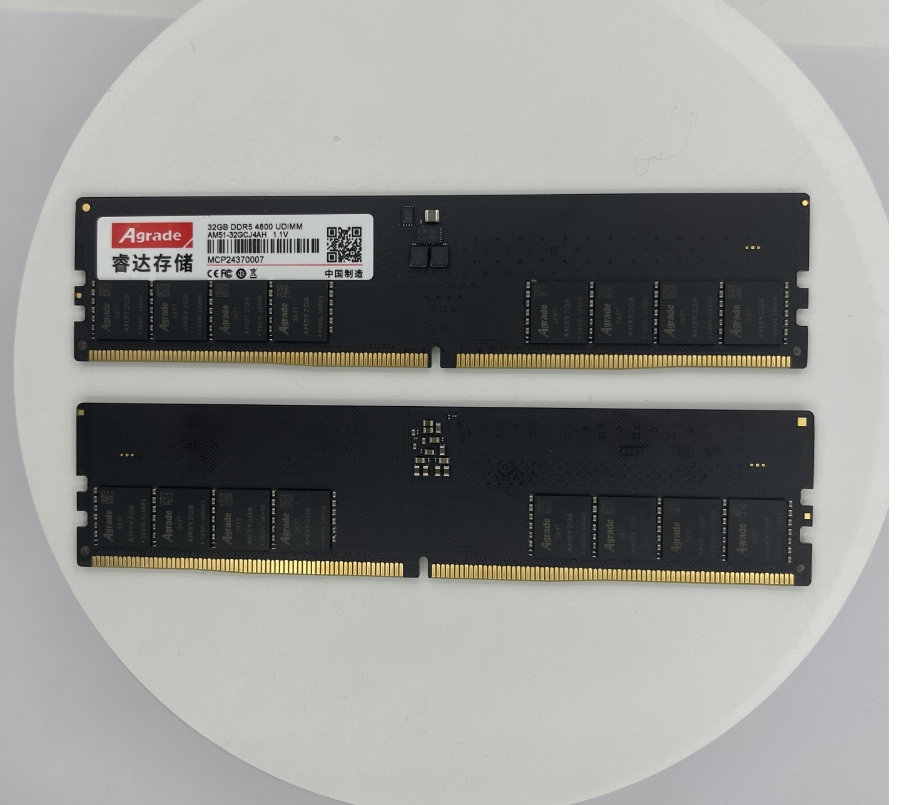
It should be noted that On-die ECC of DDR5 memory is a self-healing technology within the memory module and cannot replace system-level ECC. When selecting, it is necessary to consider the compatibility of the CPU and motherboard. The Xeon E series only supports ECC UDIMM, while the Xeon Silver/Gold and AMD EPYC support RDIMM/LRDIMM. Ensure that the ECC function works properly to maximize data reliability.

-
Products
Advantages
-
Solutions
-
News
About us
-
Contact us
Tel:+86 19926658803
Whatsapp:+86 19926658803
lianle1210@163.com
Address: 30CF, Caihong Building, Caihong Road, Futian District, Shenzhen City, Guangdong Province, China



Friendly Links:
