




News


 电商部
电商部  2026-01-13 10:21:25
 Selection Guide for Server Memory Modules: UDIMM, RDIMM, LRDIMM
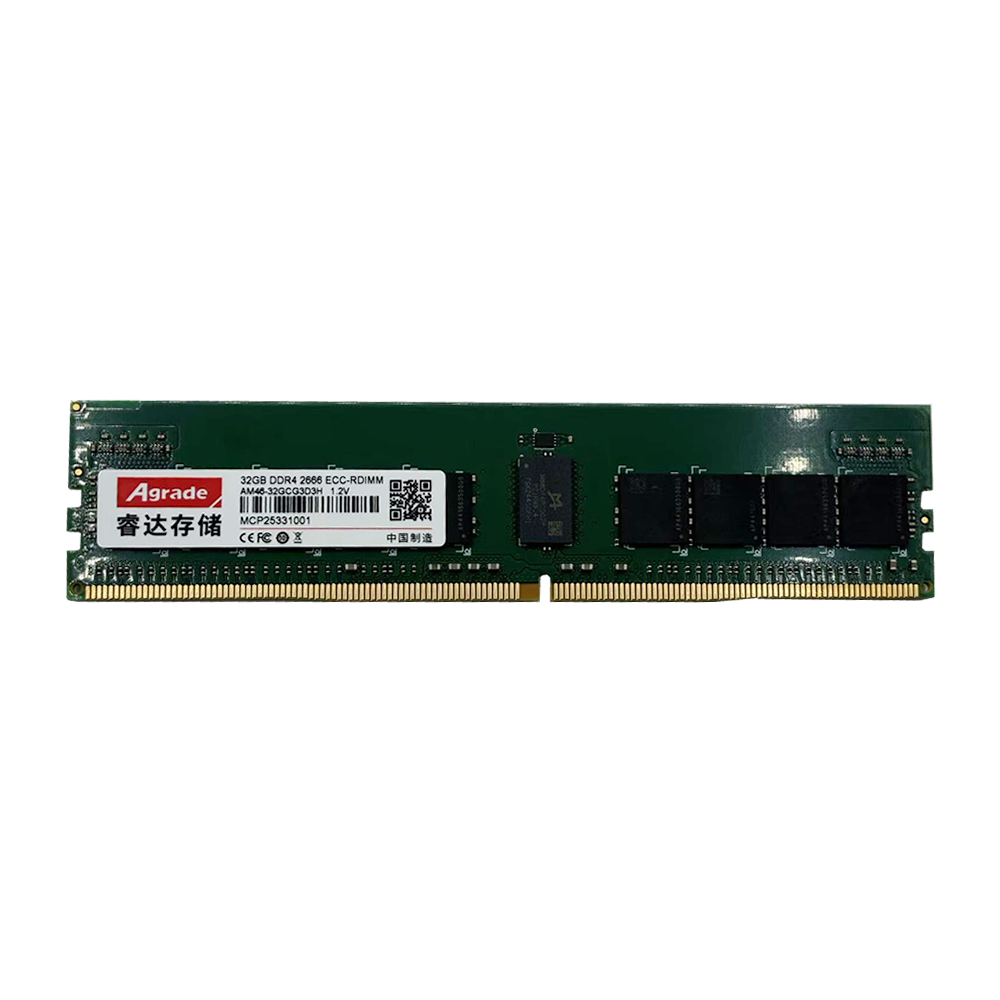
UDIMM, RDIMM, and LRDIMM are three mainstream packaging types of server memory modules. Their core differences lie in signal processing methods and load capacities, which directly determine memory capacity, stability, and applicable scenarios. When selecting a type, it is necessary to match the server hardware specifications and business requirements to avoid performance waste or compatibility issues.
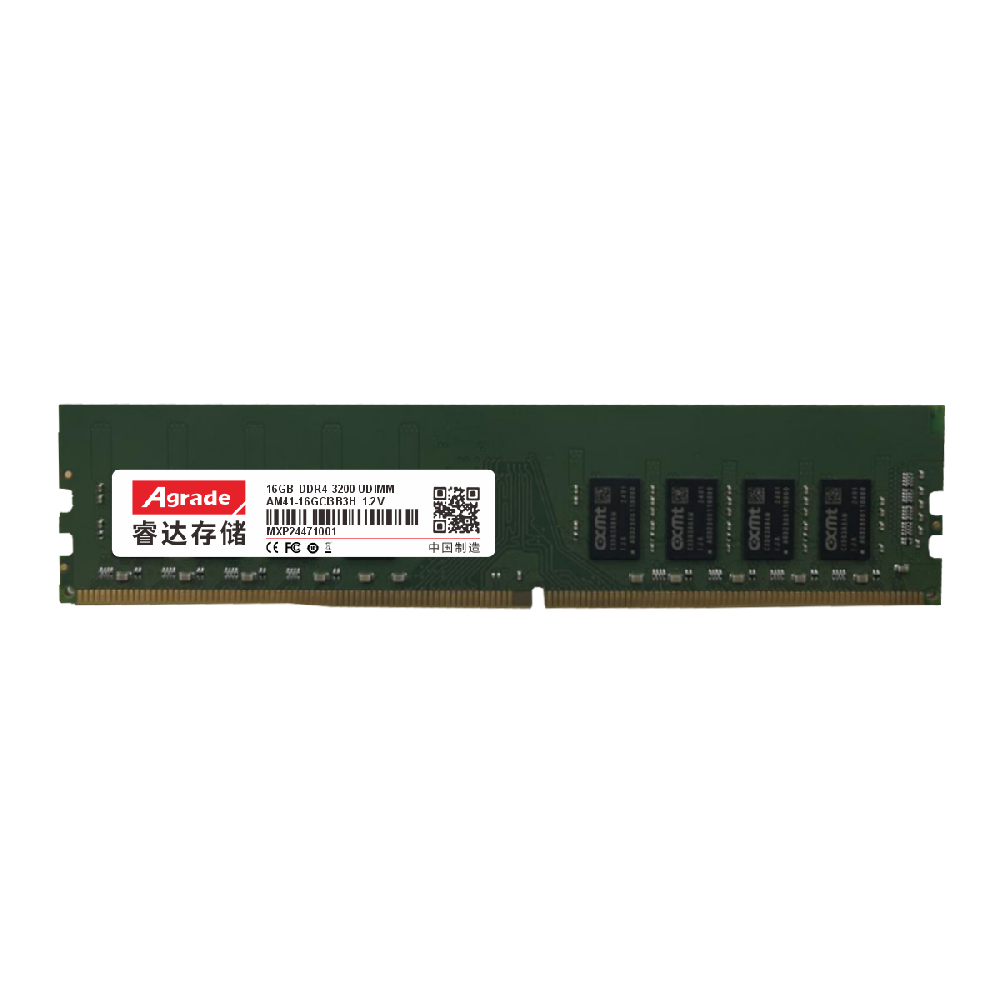
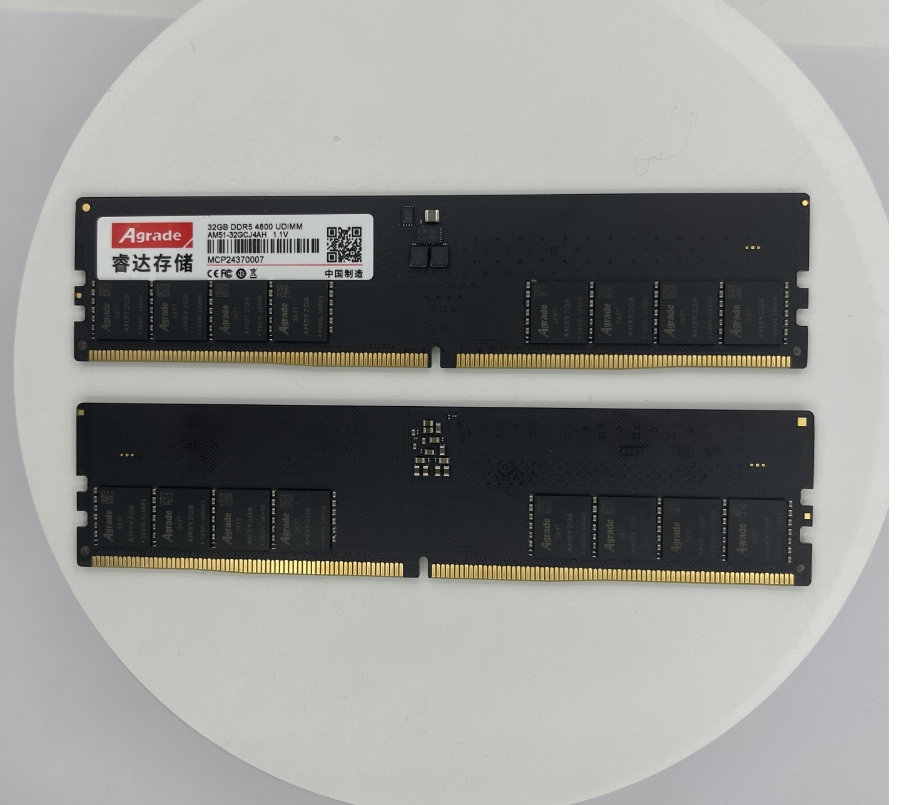
UDIMM (Unbuffered Double Data Rate Synchronous Dynamic Random Access Memory) has a simple structure, with control signals directly connected to the memory chips, resulting in low latency, low power consumption, and low cost. However, it is sensitive to motherboard routing and load, and its capacity expansion is limited, with a maximum of 32GB per stick. It is suitable for edge nodes and small servers with single-socket Xeon E-series CPUs, focusing on low latency and cost-effectiveness, and is suitable for scenarios such as lightweight caching and edge computing.
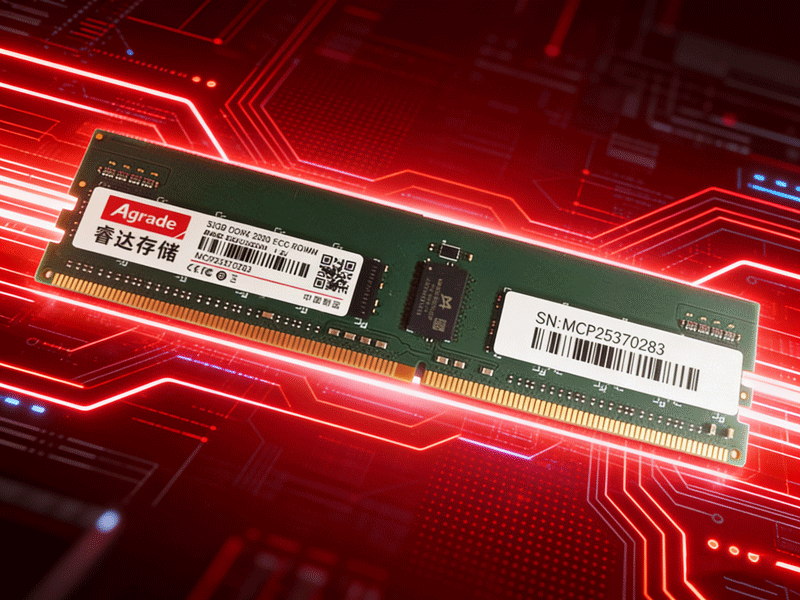
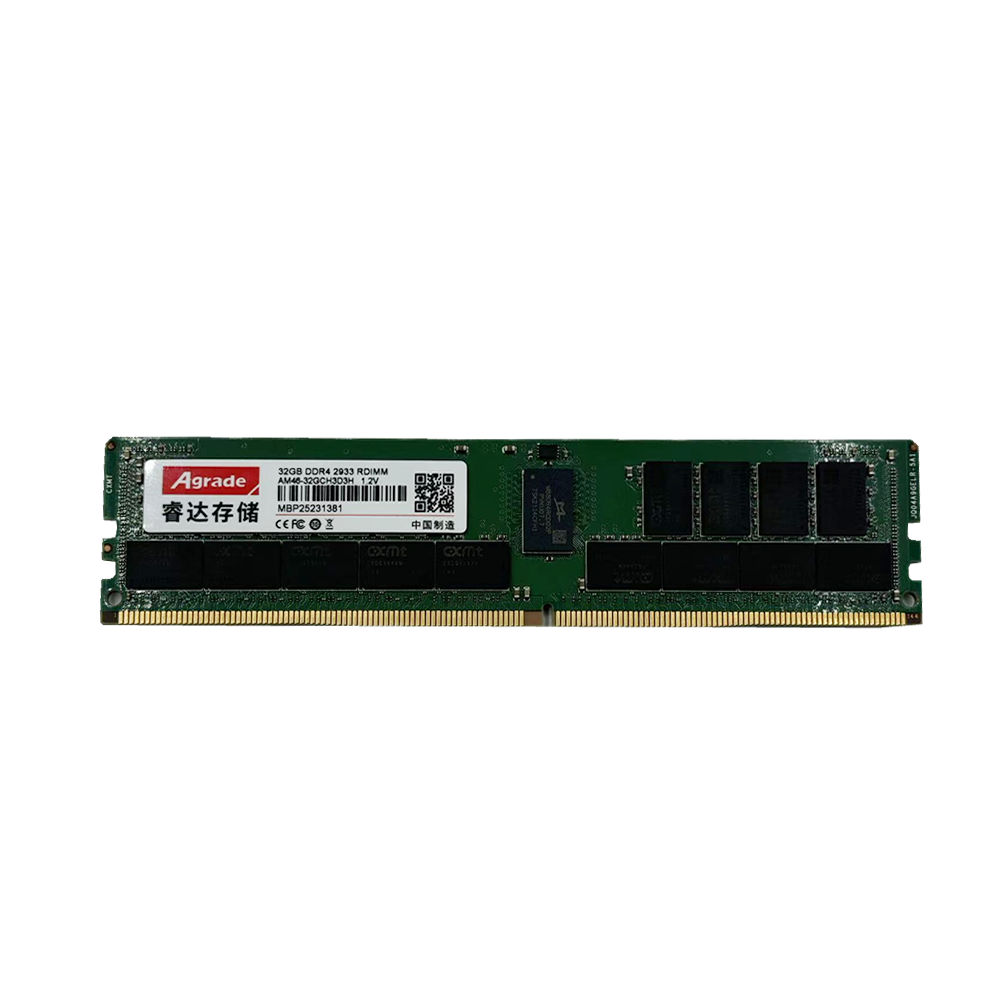
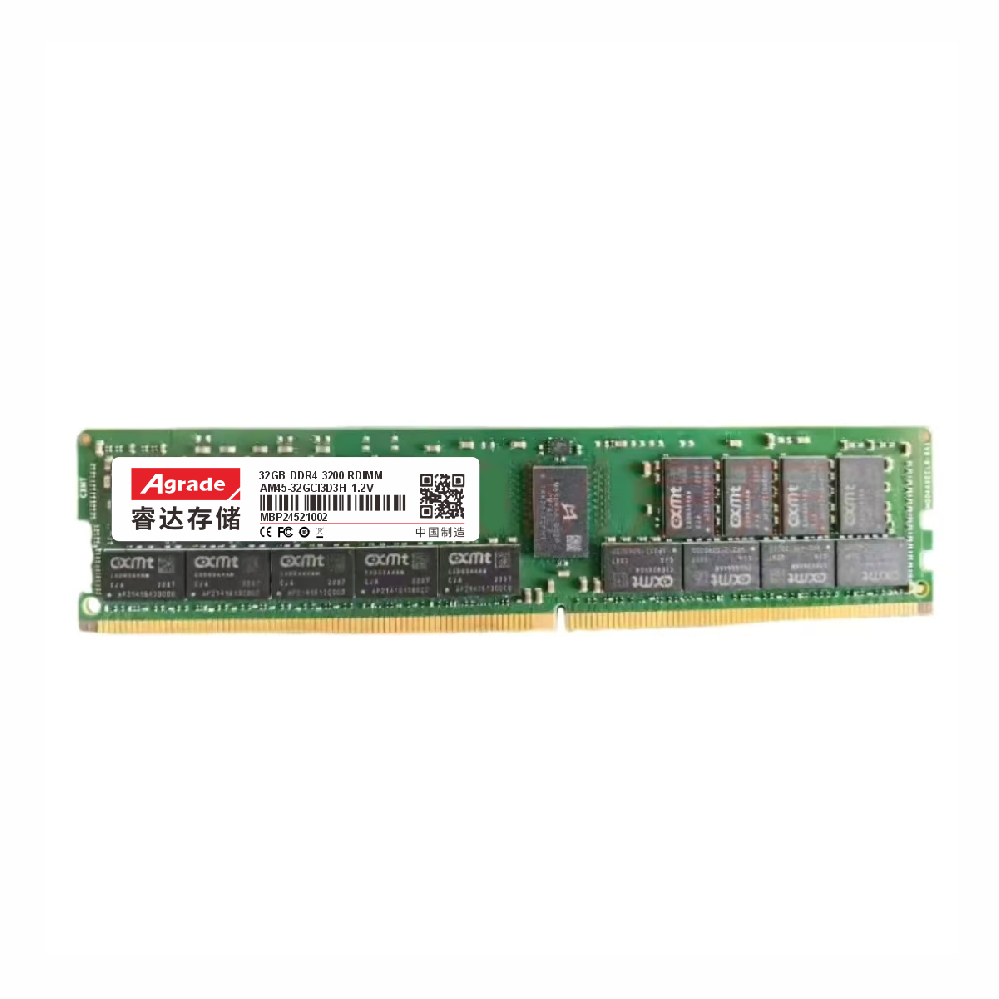
RDIMM (Registered ECC Memory) incorporates an RCD register clock driver, which buffers address and control signals, enhancing signal integrity. It supports parallel connection of more memory modules, offering higher capacity and frequency limits. Although its latency is 3-6ns higher than UDIMM, its stability and scalability are superior. It is suitable for dual-socket Xeon Silver/Gold and AMD EPYC servers, making it the preferred choice for cloud computing and database services in small and medium-sized enterprises.
LRDIMM (Load Reducing ECC Memory) further reduces memory bus load through data buffering (DB) technology, supports a single capacity of 128GB+, and can be scaled up to 1-2TB for a single machine, making it suitable for hyperscale data centers, high-performance computing, and large-memory database scenarios. However, it has the highest cost and the largest latency, and is only chosen when capacity demand is extremely high. Selection formula: UDIMM for edge low latency, RDIMM for general computing, and LRDIMM for ultra-large capacity.

-
Products
Advantages
-
Solutions
-
News
About us
-
Contact us
Tel:+86 19926658803
Whatsapp:+86 19926658803
lianle1210@163.com
Address: 30CF, Caihong Building, Caihong Road, Futian District, Shenzhen City, Guangdong Province, China



Friendly Links:
