




News


 电商部
电商部  2026-01-13 10:22:39
 The frequency and timing of server memory modules are not necessarily the higher the better
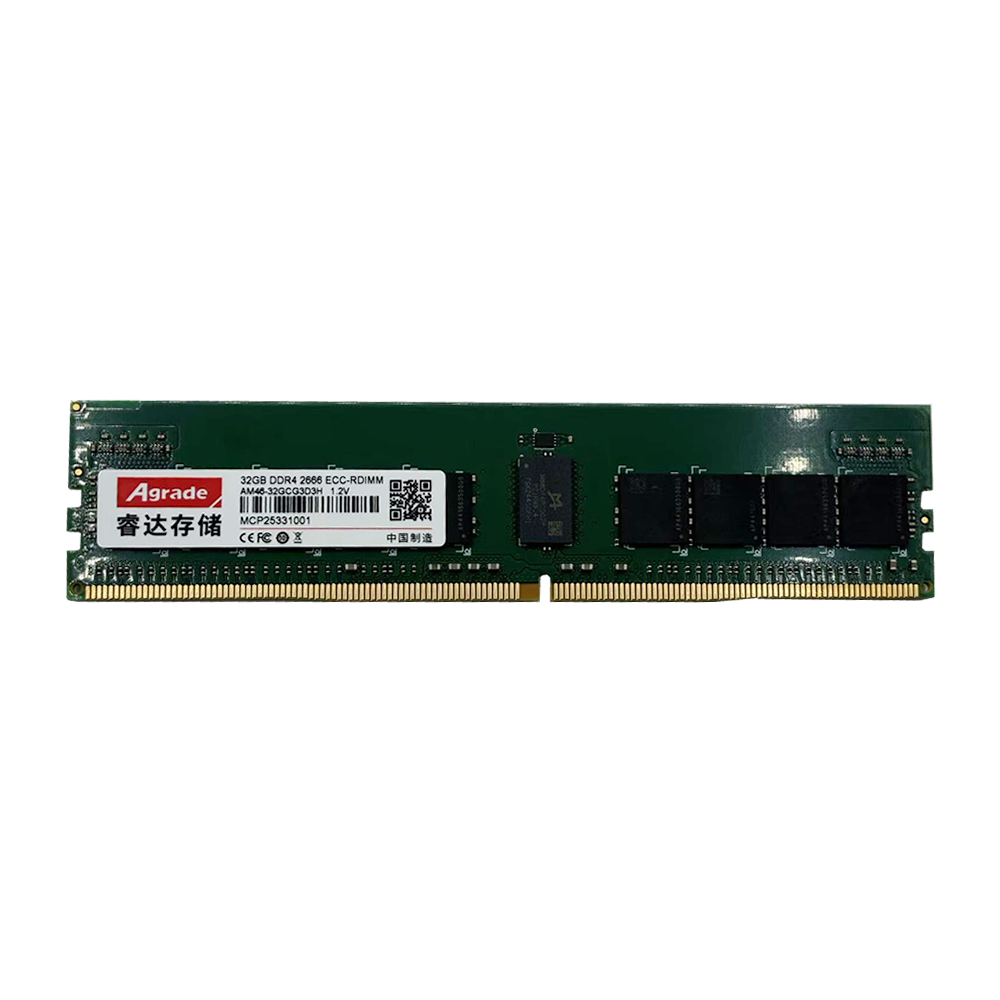
Frequency and timing are core performance parameters of server memory modules, but their selection logic differs from desktop memory. In server scenarios, stability is the core, and blindly pursuing high-frequency timing may actually affect system reliability. It is necessary to balance hardware compatibility and business requirements comprehensively.
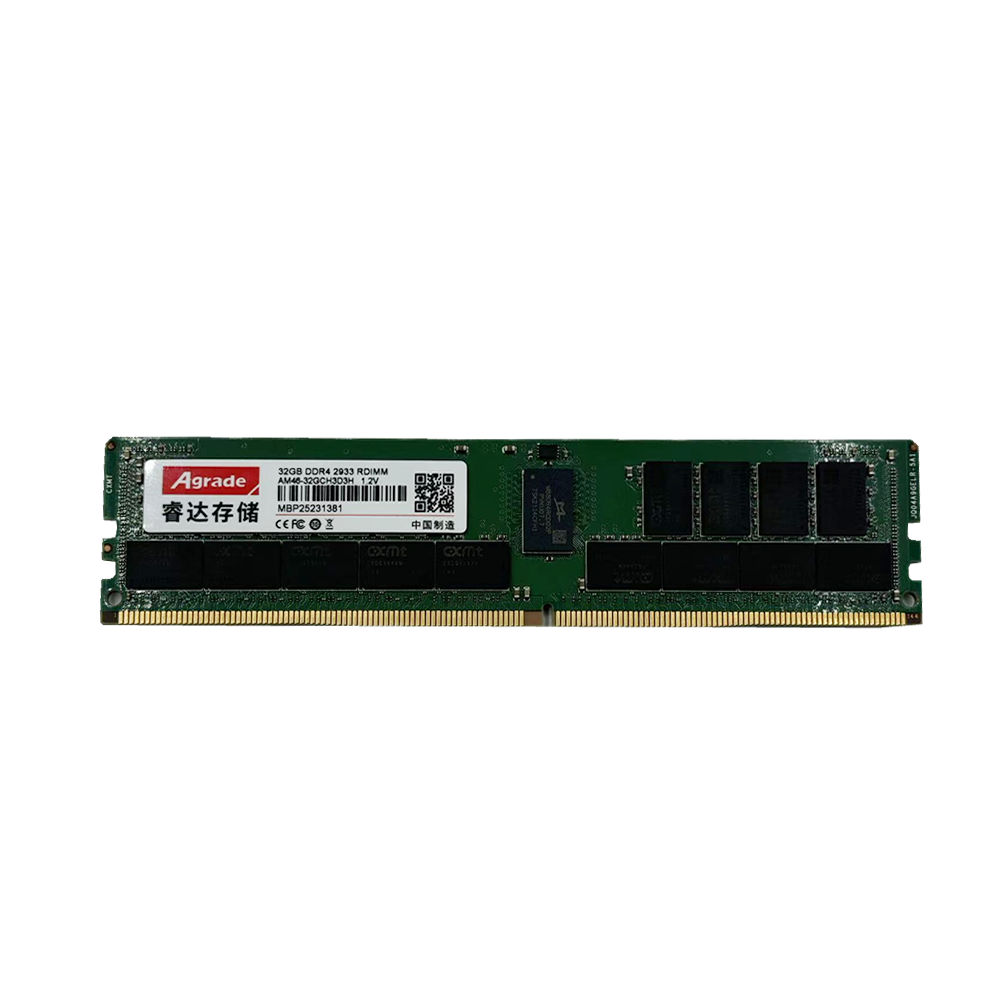
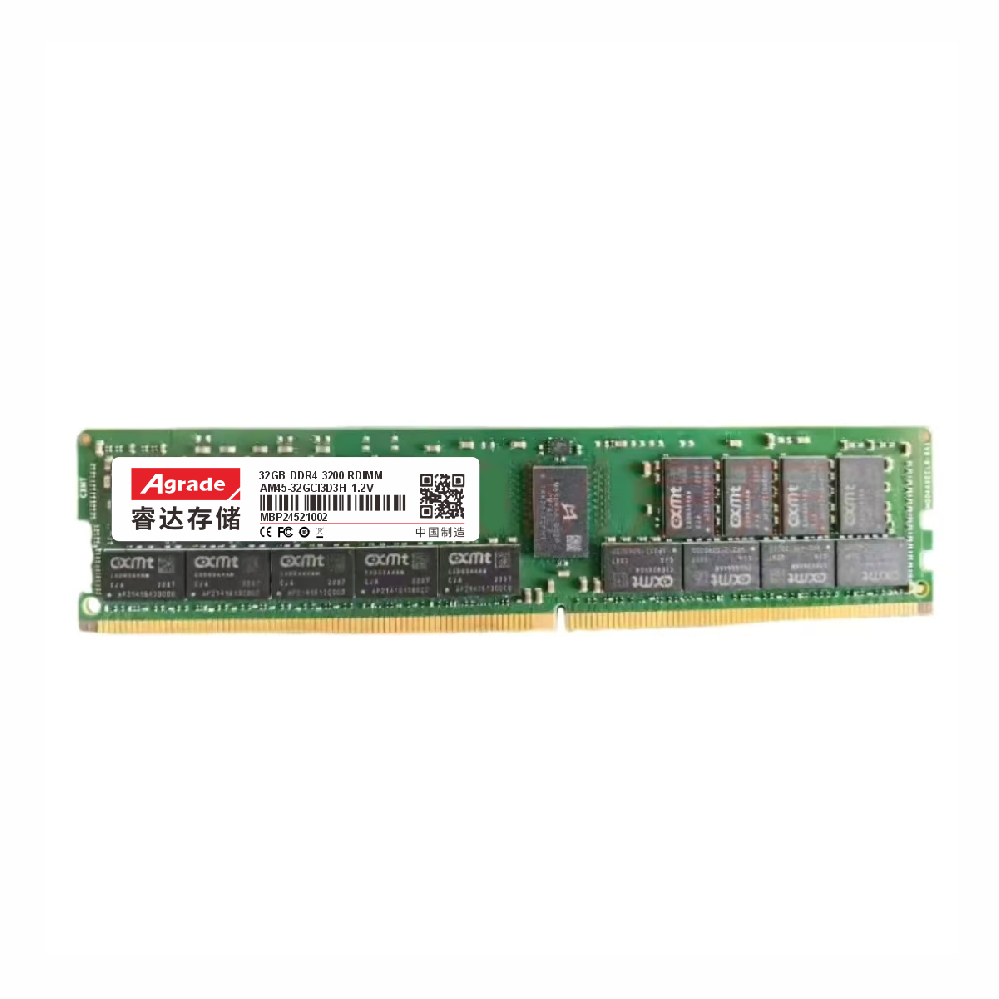
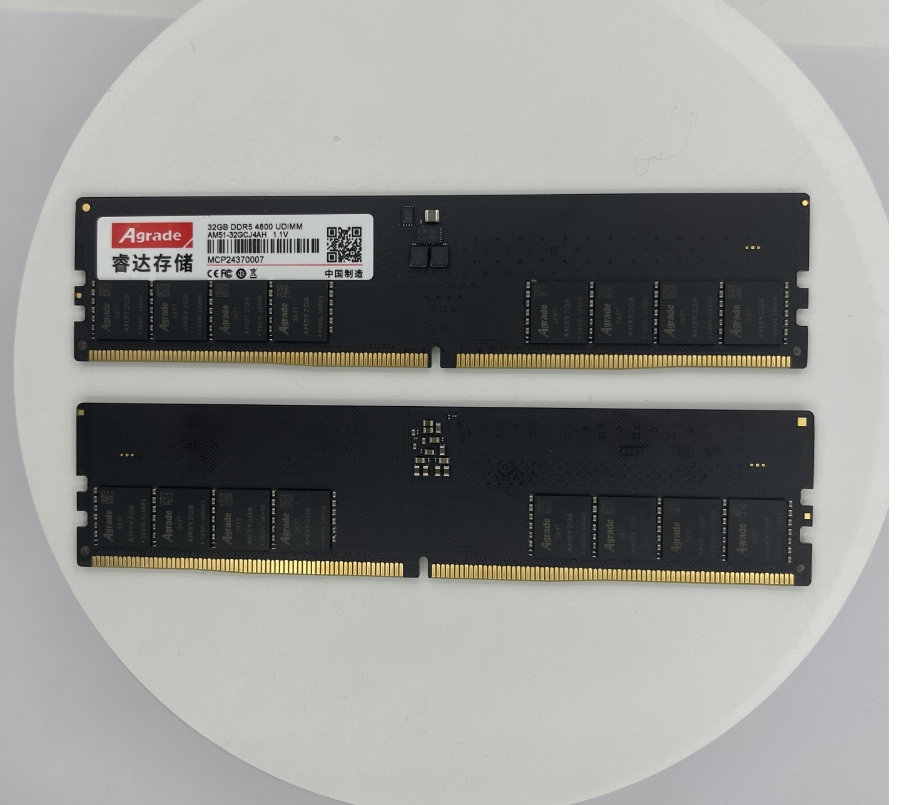
Frequency represents the data transmission speed of memory. The mainstream frequencies for DDR4 are 2666MHz and 3200MHz, while for DDR5, they are 4800MHz and 6400MHz. High-frequency memory can enhance data bandwidth, but due to limitations of motherboards and CPUs, not all hardware supports full-frequency operation. For example, in a 2DPC (two memory modules per channel) configuration, most platforms will downclock DDR4-3200 to 2933MHz, making it difficult to fully leverage the advantages of high frequency.
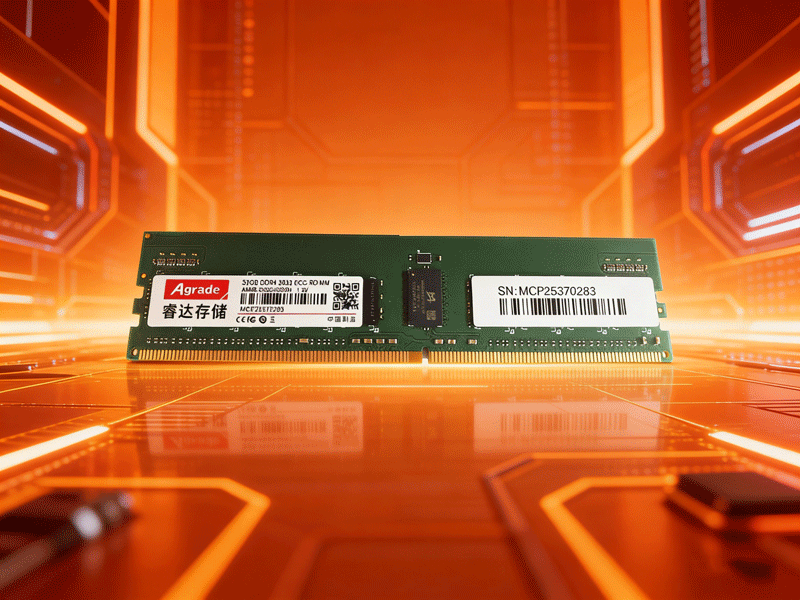
Timing (such as CL16-18-18) represents memory response latency, with lower numbers indicating lower latency, which has a certain impact on real-time inference and low-latency services. However, server memory places more emphasis on multi-task parallel processing capabilities, and the impact of bandwidth and capacity on performance far outweighs that of timing. Moreover, lower timings come with higher costs, so there is no need to excessively pursue extremely low timings.
Selection advice: Prioritize following the vendor compatibility list (QVL) to ensure that the frequency and timing are supported by the hardware. For critical businesses that seek stability, choose memory with mainstream frequency and timing. For low-latency scenarios (such as Redis caching), adopt a 1DPC configuration and try to run at full rated frequency. For large-scale computing scenarios, prioritize ensuring capacity and channel count, with frequency meeting basic requirements, balancing performance and cost.

-
Products
Advantages
-
Solutions
-
News
About us
-
Contact us
Tel:+86 19926658803
Whatsapp:+86 19926658803
lianle1210@163.com
Address: 30CF, Caihong Building, Caihong Road, Futian District, Shenzhen City, Guangdong Province, China



Friendly Links:
