









News


 电商部
电商部  2026-01-13 10:31:18
 Complete process of server memory module troubleshooting and replacement
Server memory module failure is a common issue in IT operation and maintenance, which may lead to system crashes, performance degradation, and data corruption. It is necessary to systematically diagnose and locate the failure, and follow standardized procedures for replacement to ensure rapid business recovery and operational safety, especially for critical business servers that operate 24/7.
Fault identification can be achieved through three main methods: system log troubleshooting, viewing the Event Viewer in Windows, and checking /var/log/messages or dmesg in Linux, with a focus on keywords such as memory and ECC; hardware alarms, by checking memory alarms through iDRAC/iLO/BMC management interfaces, and some server faulty slots have LED indicators for prompts; tool testing, by using MemTest86+ to create a bootable USB, running 4-8 cycles of testing, and recording the error address.
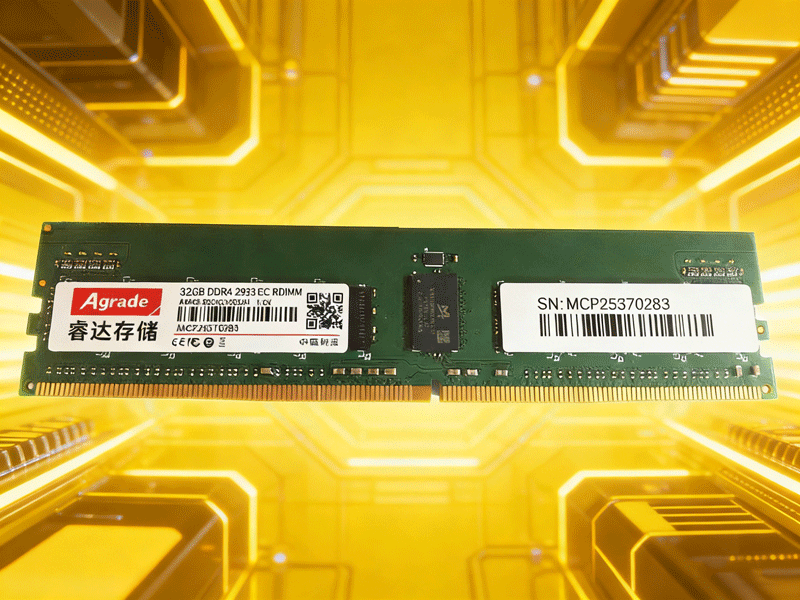
The fault localization can be achieved using the alternating test method: each time, half of the memory modules are left enabled, gradually narrowing down the fault scope; or through the slot rotation method, the suspected module is moved to a different slot to determine whether it is a module fault or a slot fault. After localization, it is necessary to make marks to avoid confusing normal modules with faulty modules.
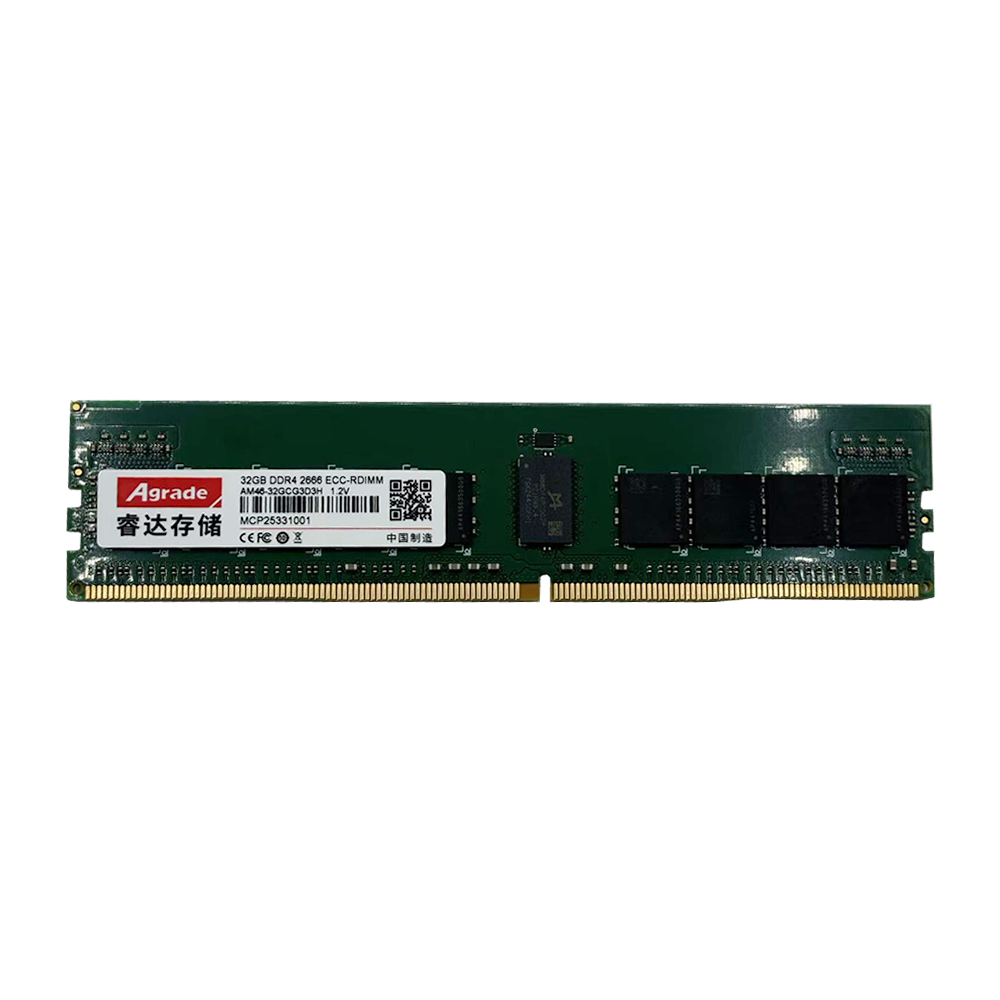
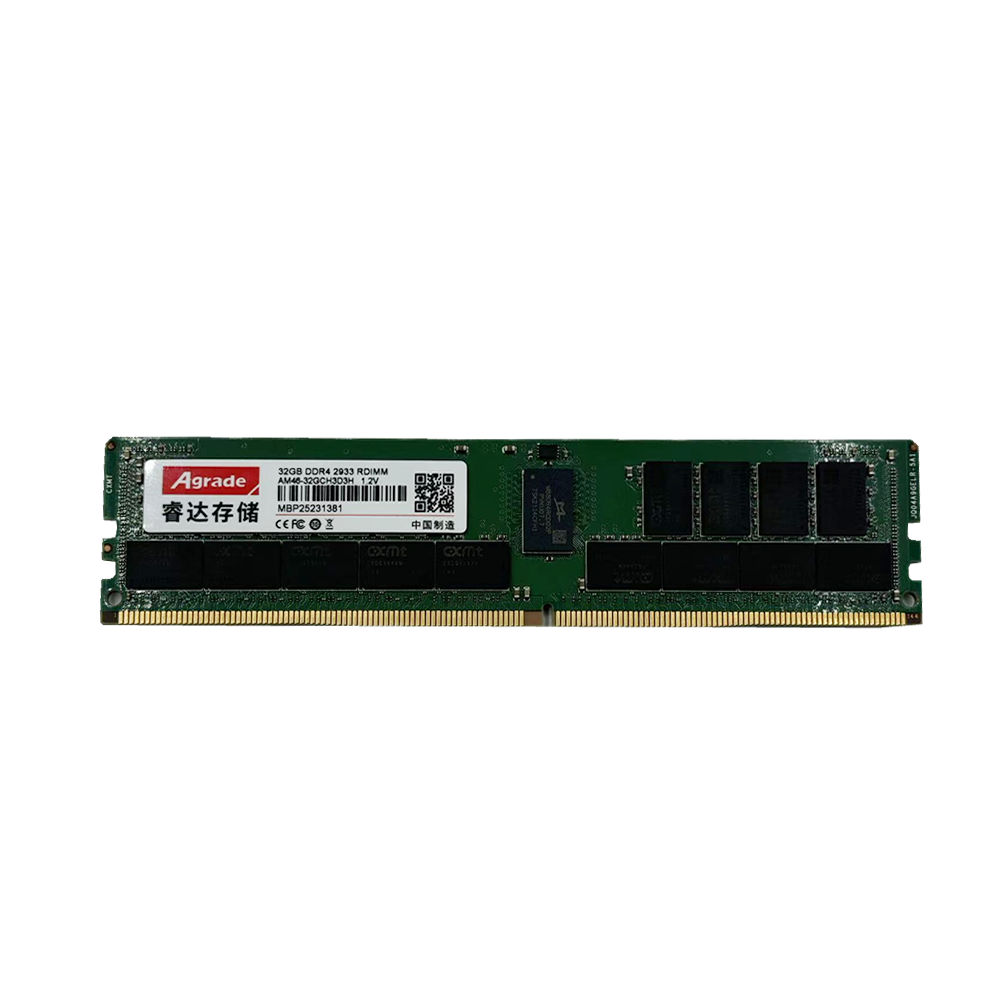
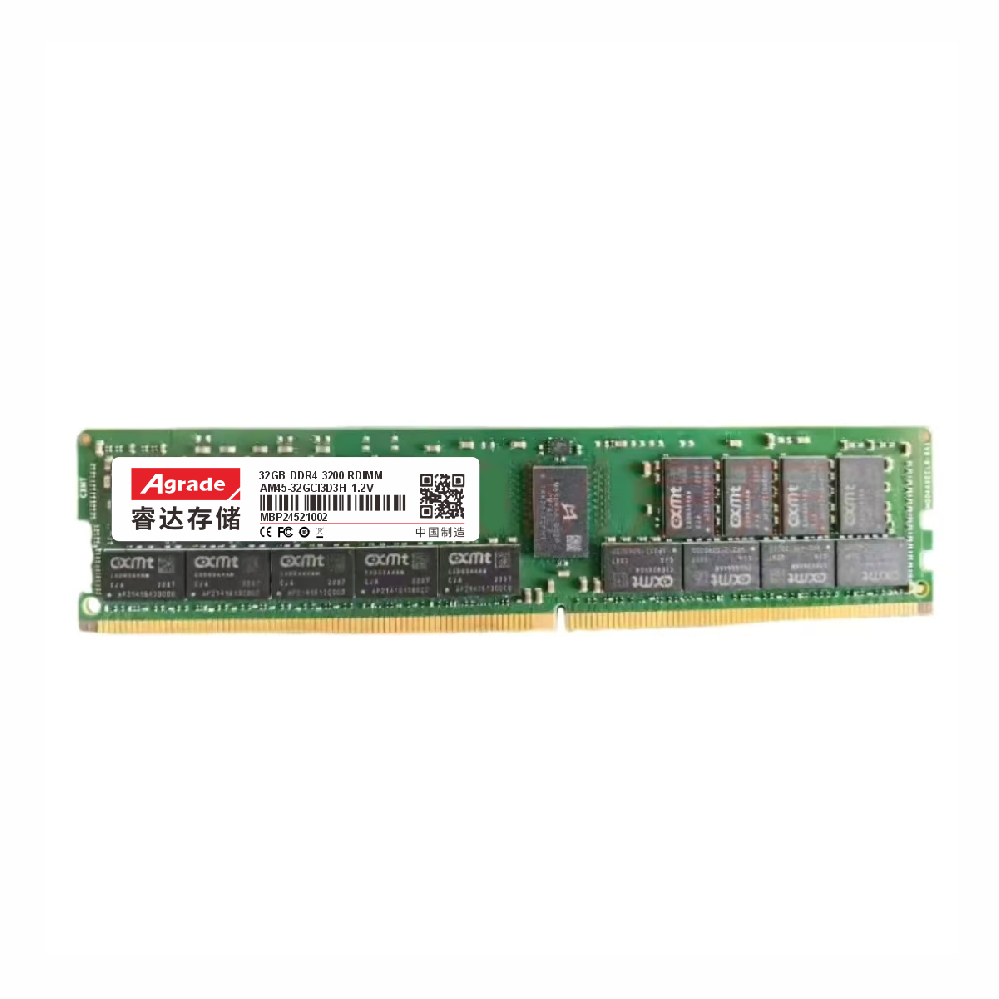
When following the replacement process, safety should be prioritized: perform the operation during off-peak business hours and back up important data; wear an anti-static wristband, shut down the server and disconnect the power supply, waiting for 30 seconds for discharging; after opening the chassis, press the memory slot latch to remove the faulty module, align the notch of the new module and insert it vertically, ensuring that the latch is locked securely; after startup, enter BIOS to verify the capacity, run a 24-48 hour stability test, and check the logs for any new errors before resuming business operations.

-
Products
Advantages
-
Solutions
-
News
About us
-
Contact us
Tel:+86 19926658803
Whatsapp:+86 19926658803
lianle1210@163.com
Address: 30CF, Caihong Building, Caihong Road, Futian District, Shenzhen City, Guangdong Province, China



Friendly Links:
