




News


 电商部
电商部  2026-01-13 09:57:51
 How to choose between DDR4 and DDR5 server memory modules?
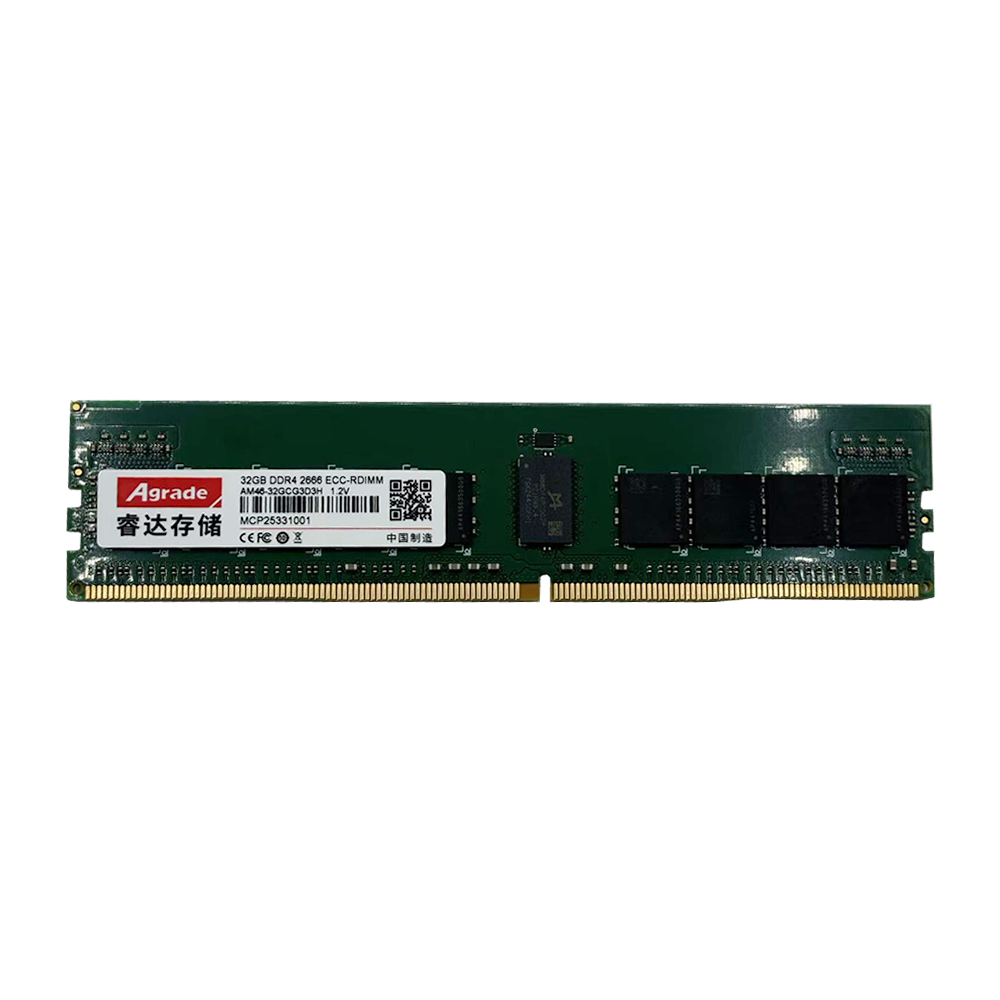
DDR4 and DDR5 are the mainstream specifications for current server memory. There are generational differences between the two in core parameters such as bandwidth, capacity, and power consumption. Selection needs to be made based on a comprehensive judgment of business requirements and hardware compatibility. DDR4, as a mature specification, offers outstanding cost-performance; DDR5, with its technological advantages, has become the preferred choice for newly deployed servers.
Bandwidth and frequency are the core disparities. DDR4 has a mainstream frequency range of 2133MHz-3600MHz, with a theoretical bandwidth of approximately 25.6GB/s for DDR4-3200; DDR5 starts at a frequency of 4800MHz and is mainstream at 6400MHz. DDR5-6400 can achieve a bandwidth of up to 51.2GB/s, which is doubled compared to DDR4, offering significant advantages in throughput-intensive tasks such as AI training and big data analysis.
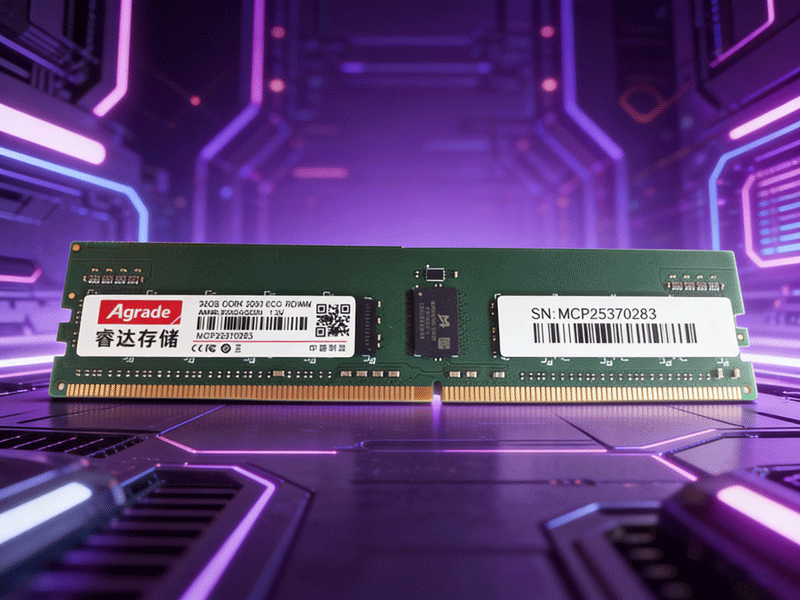
In terms of capacity scalability, a single DDR4 module can support up to 32GB, with a maximum of 128GB supported across four channels; a single DDR5 module can reach a capacity of 128GB, and can be expanded to 512GB across four channels. The high-density chip design reduces physical footprint, making it more suitable for handling extremely large datasets. In terms of latency, DDR4 has lower timings (CL14-CL18), but DDR5 can partially offset this latency disadvantage through optimization with dual 32-bit sub-channels and BL16 burst length.
In terms of power consumption, DDR5 has a reduced operating voltage of 1.1V and integrates a PMIC chip for dynamic voltage regulation, resulting in a 20% improvement in energy efficiency compared to DDR4, making it suitable for long-term operation of server clusters. Selection recommendation: DDR5 is preferred for newly deployed AI and cloud computing servers; for edge devices and small and medium-sized model inference scenarios, high-frequency DDR4 offers better cost-performance ratio. It is important to pay attention to the support specifications of the motherboard and CPU to avoid compatibility issues.

-
Products
Advantages
-
Solutions
-
News
About us
-
Contact us
Tel:+86 19926658803
Whatsapp:+86 19926658803
lianle1210@163.com
Address: 30CF, Caihong Building, Caihong Road, Futian District, Shenzhen City, Guangdong Province, China



Friendly Links:
