




News


 电商部
电商部  2026-01-15 17:01:23
 Future Trends in Desktop Computer Memory Modules: What to Expect in 2026 and Beyond
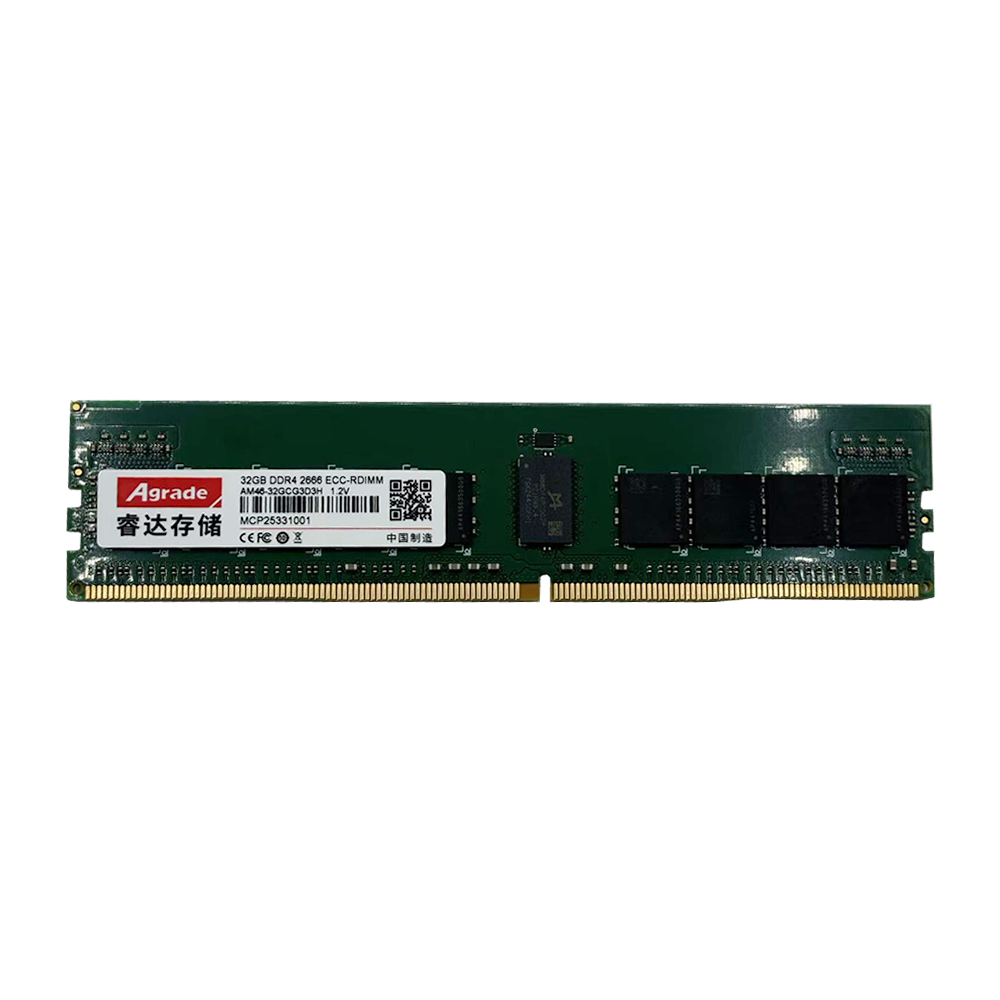
The desktop computer memory module market is constantly evolving, driven by advancements in technology and growing demand for higher performance. In 2026 and beyond, DDR5 memory modules will continue to dominate the high-performance segment, with increasing adoption in mainstream systems as production volumes rise and prices decrease. Manufacturers like Corsair, G.Skill, and Crucial will focus on refining DDR5 technology, pushing clock speeds beyond 8000MHz and reducing latency to match or exceed high-end DDR4 modules. Single-module capacities will also increase, with 128GB DDR5 modules becoming more accessible, allowing for total system memory configurations of up to 512GB on high-end motherboards. This will benefit next-generation gaming, AI development, and professional workloads that require massive amounts of memory.
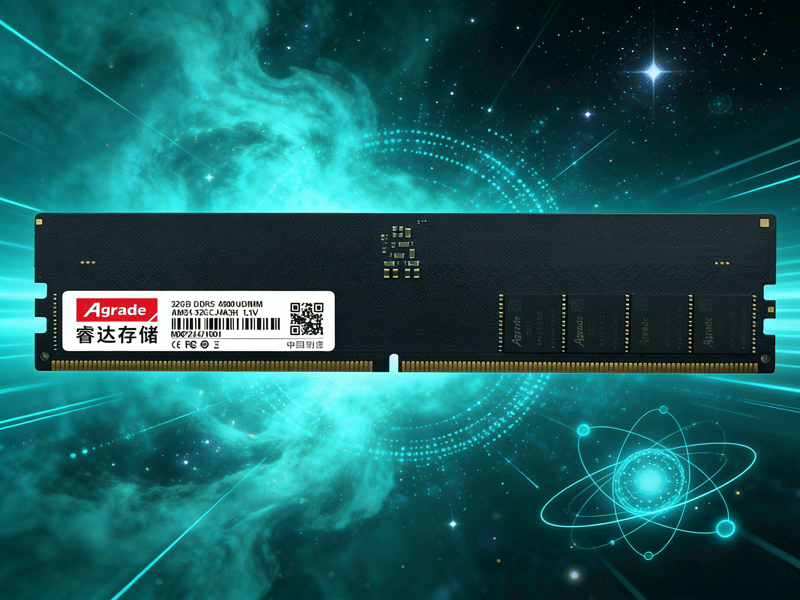
Another emerging trend in desktop computer memory modules is the integration of advanced RGB lighting and software customization. More manufacturers will offer modules with customizable RGB lighting that syncs with other PC components—including motherboards, GPUs, and case fans—via software like Corsair iCUE or ASUS Aura Sync. This allows users to create cohesive, personalized lighting effects that enhance their system’s aesthetic. Additionally, manufacturers will develop more sophisticated software tools that let users monitor real-time memory performance (speed, latency, temperature), adjust RGB settings, and enable one-click overclocking profiles. This trend caters to the growing “PC gaming aesthetic” market, where users value both performance and visual appeal in their builds.
Beyond DDR5, we may see the development and early adoption of new memory technologies in desktop systems. HBM (High Bandwidth Memory), currently used in high-end GPUs, is being adapted for desktop CPUs by manufacturers like AMD and Intel. HBM offers significantly higher bandwidth and lower power consumption than DDR5, making it ideal for high-performance computing, AI, and 8K gaming. However, HBM is currently expensive to produce due to its stacked design, so it may take 3-5 years to become mainstream in consumer desktops. Other trends include the wider adoption of ECC (Error-Correcting Code) memory in consumer systems—previously limited to servers—which detects and corrects data errors, improving system stability for critical tasks. We may also see tighter integration between memory and storage, with technologies that use fast memory as a cache for storage devices, reducing load times and improving overall system responsiveness.

-
Products
Advantages
-
Solutions
-
News
About us
-
Contact us
Tel:+86 19926658803
Whatsapp:+86 19926658803
lianle1210@163.com
Address: 30CF, Caihong Building, Caihong Road, Futian District, Shenzhen City, Guangdong Province, China



Friendly Links:
