




















News


 电商部
电商部  2026-01-15 17:00:49
 How to Maintain Desktop Computer Memory Modules for Longevity
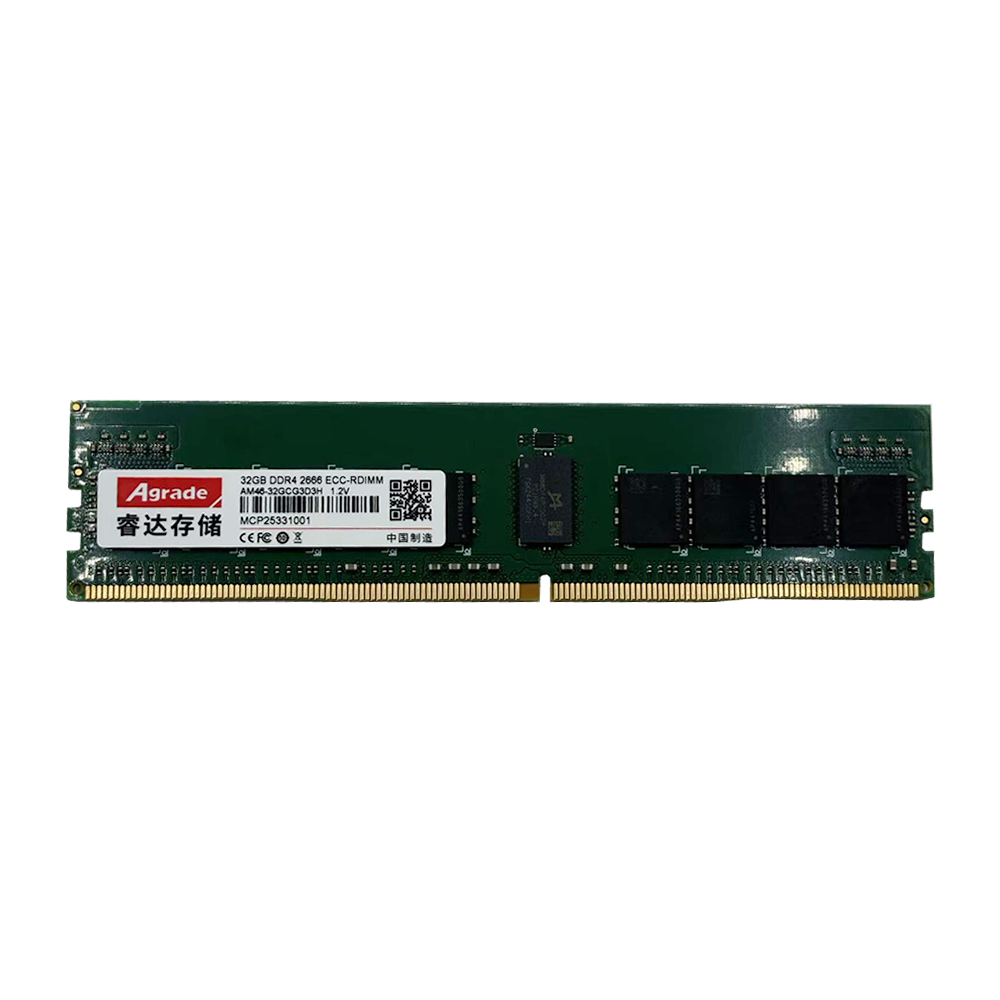
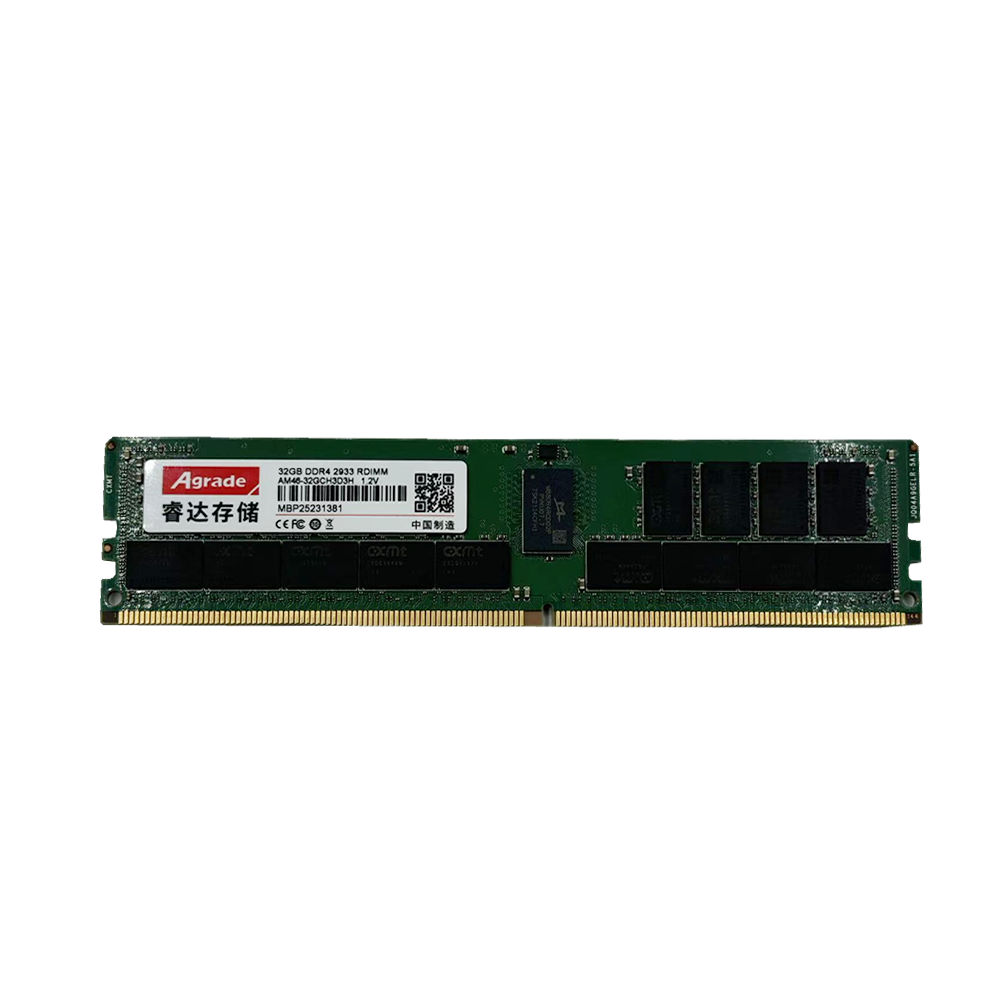
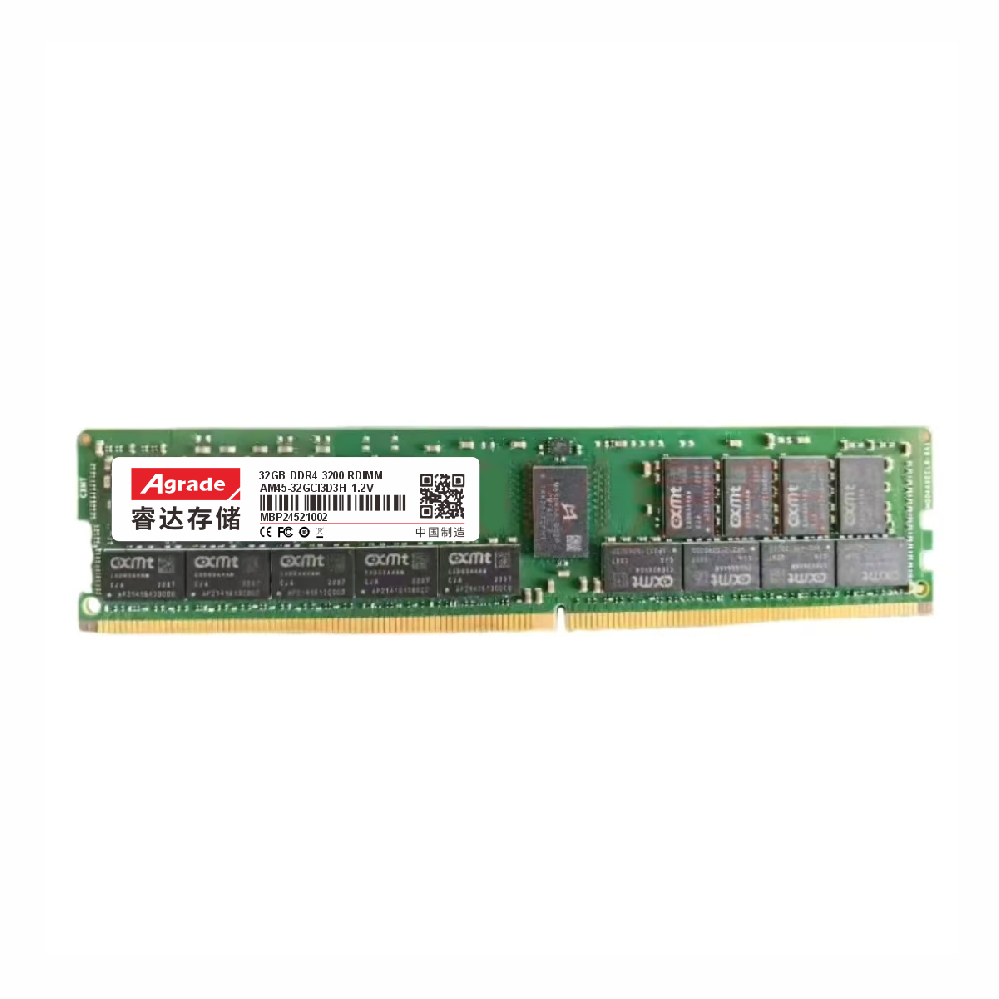
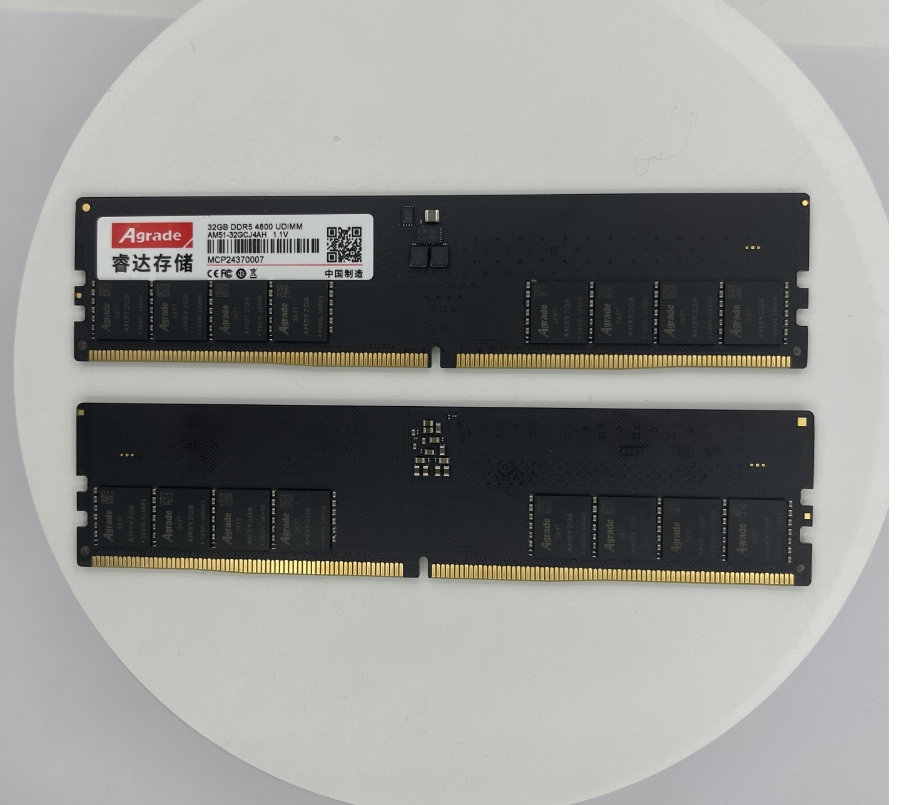
Proper maintenance of your desktop computer memory module is essential to extend its lifespan, ensure consistent performance, and avoid unexpected failures. One of the most important maintenance tasks is keeping the memory modules clean, as dust and debris can accumulate on the gold contacts and heatsinks over time. This buildup can cause poor electrical connections, increased heat retention, and performance degradation. To clean the modules, start by turning off your computer, unplugging the power cord, and removing the modules from the DIMM slots. Use a soft, dry microfiber cloth to gently wipe the gold contacts—avoid applying pressure to prevent scratching. For stubborn dust, use a can of compressed air to blow debris away from the contacts and heatsink. Never use liquid cleaners, alcohol, or abrasive materials, as these can damage the module’s components.

Another key maintenance tip is to ensure proper cooling for your memory modules. Like all electronic components, memory generates heat during operation, and excessive heat can reduce lifespan, cause instability, and throttle performance. Make sure your computer case has adequate airflow—install case fans to direct cool air over the DIMM slots, and avoid blocking the slots with cables or other components. If you’re overclocking your memory or using modules with large heatsinks, consider upgrading to a better case cooling system or installing dedicated memory coolers. Additionally, avoid overloading the memory by closing unnecessary applications and browser tabs—this reduces the workload on the modules, lowers heat generation, and extends their lifespan. Monitoring memory usage with tools like Task Manager (Windows) or Activity Monitor (macOS) can help you identify and close resource-heavy processes.
Regularly updating your system’s BIOS and chipset drivers is another important maintenance step that can improve memory performance and compatibility. Motherboard manufacturers often release BIOS updates that include fixes for memory-related issues, optimize memory controller performance, and add support for newer memory modules. Chipset drivers, which facilitate communication between the CPU and memory, also play a role in memory performance—outdated drivers can cause bottlenecks or compatibility problems. Download updates from the motherboard manufacturer’s website, and follow the instructions carefully to avoid errors. Finally, protect your memory modules from sudden power outages and voltage spikes, which can cause data corruption and permanent damage. Use a UPS (Uninterruptible Power Supply) to provide backup power during outages and stabilize voltage, ensuring your system shuts down safely and your memory remains unharmed.

-
Products
Advantages
-
Solutions
-
News
About us
-
Contact us
Tel:+86 19926658803
Whatsapp:+86 19926658803
lianle1210@163.com
Address: 30CF, Caihong Building, Caihong Road, Futian District, Shenzhen City, Guangdong Province, China



Friendly Links:
