




News


 电商部
电商部  2026-01-16 16:51:49
 Industrial-grade TF Card vs. SD Card: Which Fits Your Industrial Scenario?
Industrial-grade TF (microSD) cards and SD cards are widely used in industrial applications, both featuring wide temperature resistance, high reliability, and anti-interference capabilities. However, they differ in size, performance limits, and suitable scenarios, requiring selection based on device design and requirements.
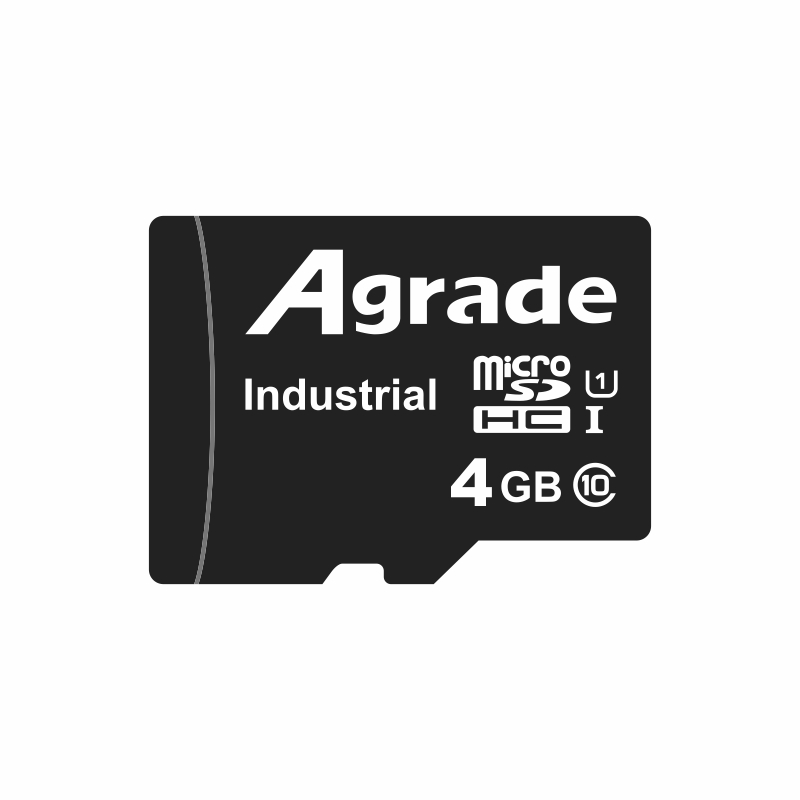
TF cards are extremely compact (15mm×11mm×1mm), making them ideal for space-constrained embedded devices. They fit into portable medical equipment, small IoT terminals, automotive T-BOXes, and smart wearables, where PCB space is limited. TF cards can also be converted to SD cards via adapters, but this may reduce transmission speed.
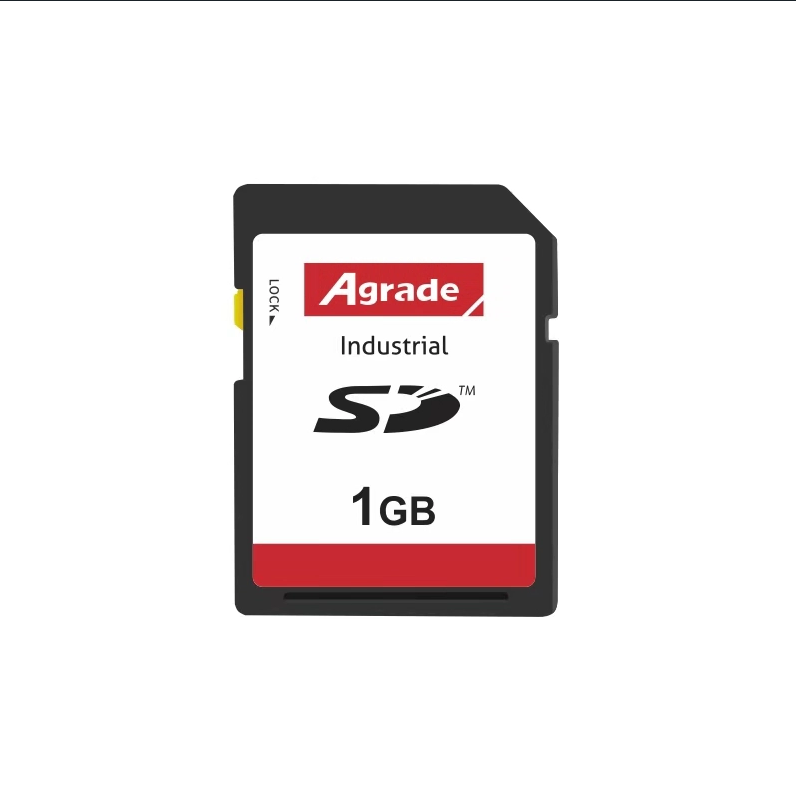
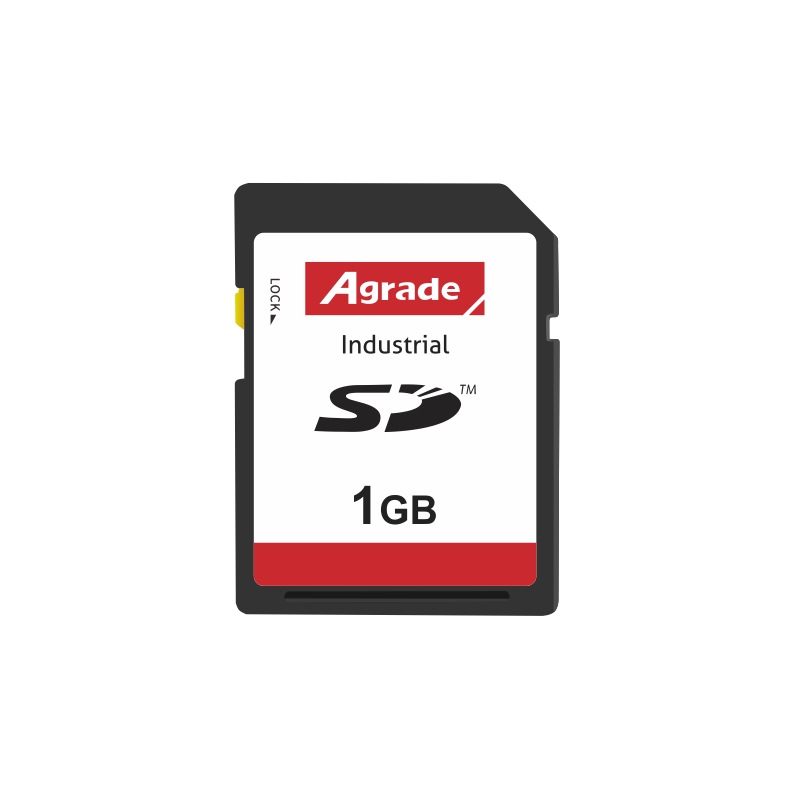
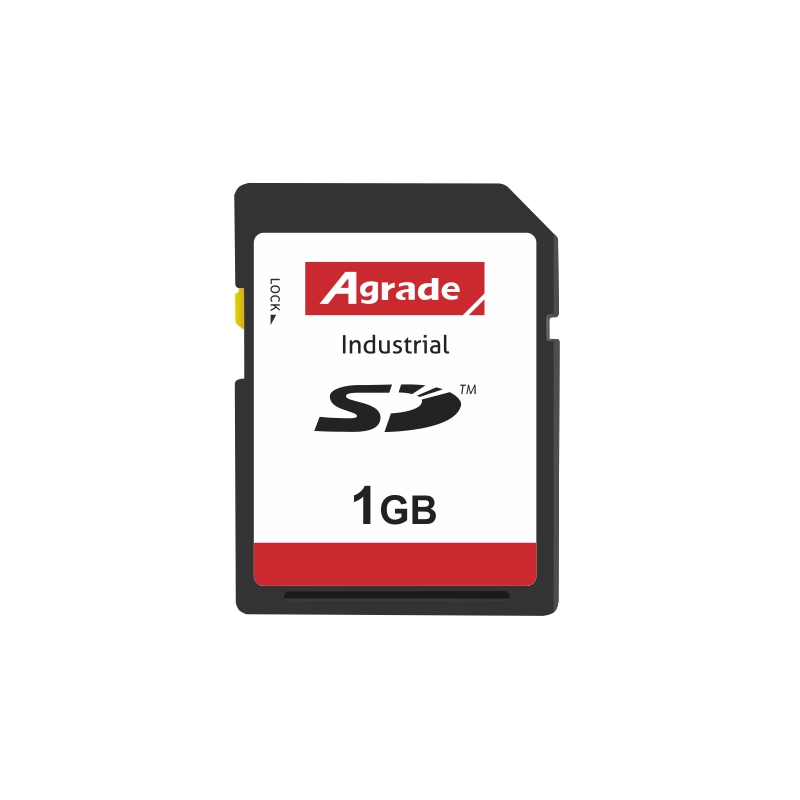
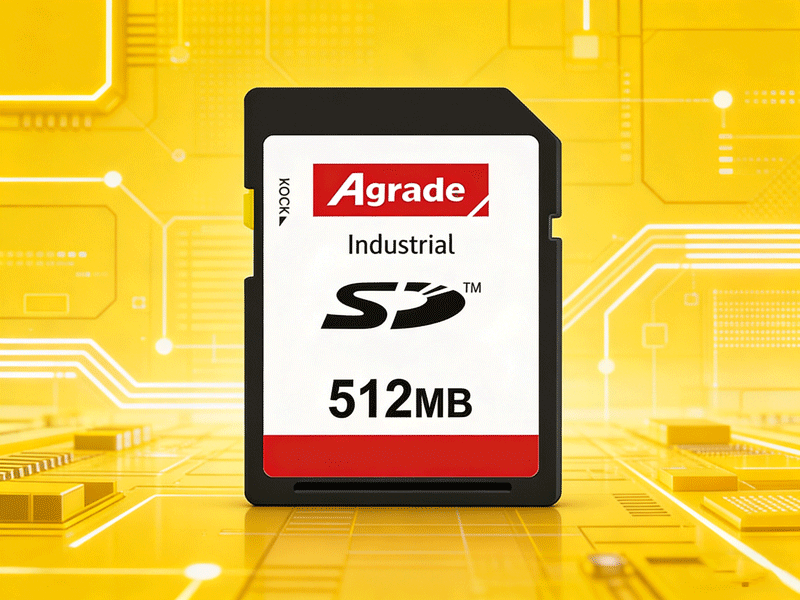
SD cards are larger (32mm×24mm×2.1mm) but offer higher capacity and speed limits. Industrial-grade SD cards can reach 1TB capacity, and high-speed models have read speeds exceeding 300MB/s, surpassing conventional TF cards. They are suitable for devices with no space restrictions but high performance demands, such as industrial cameras, monitoring hosts, PLC control cabinets, and data collection terminals.
In terms of protection, both TF and SD cards resist vibration, impact, dust, and water. High-end TF cards, despite their small size, can withstand 50G acceleration impact and ±15kV electrostatic discharge through advanced packaging. For embedded devices, choose onboard-mounted models to enhance vibration resistance. When space is limited, TF cards are preferred; for high-performance needs, SD cards are the better option.

-
Products
Advantages
-
Solutions
-
News
About us
-
Contact us
Tel:+86 19926658803
Whatsapp:+86 19926658803
lianle1210@163.com
Address: 30CF, Caihong Building, Caihong Road, Futian District, Shenzhen City, Guangdong Province, China



Friendly Links:
