















News


 电商部
电商部  2026-01-29 12:04:13
 Key Technologies Behind the Wide-temperature Performance of SD Cards
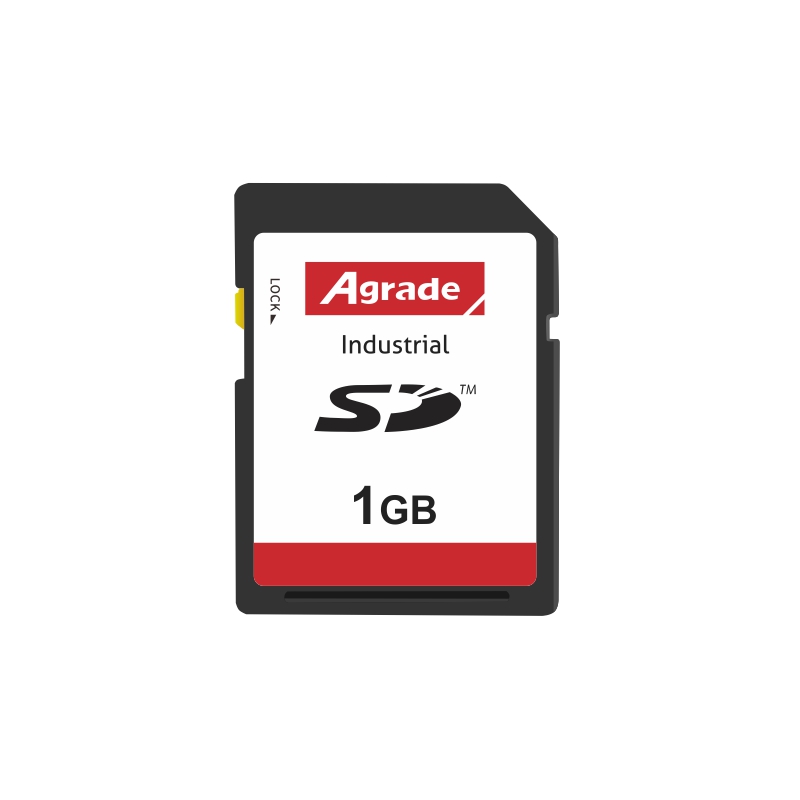
The stable operation of wide-temperature SD cards in the extreme range of -40°C to 85°C is not a simple upgrade of component specifications, but the result of collaborative optimization of three core technical systems: component selection, circuit design and packaging process. Each technology precisely addresses the pain points caused by temperature changes to storage devices, ensuring reliable operation in extreme environments.
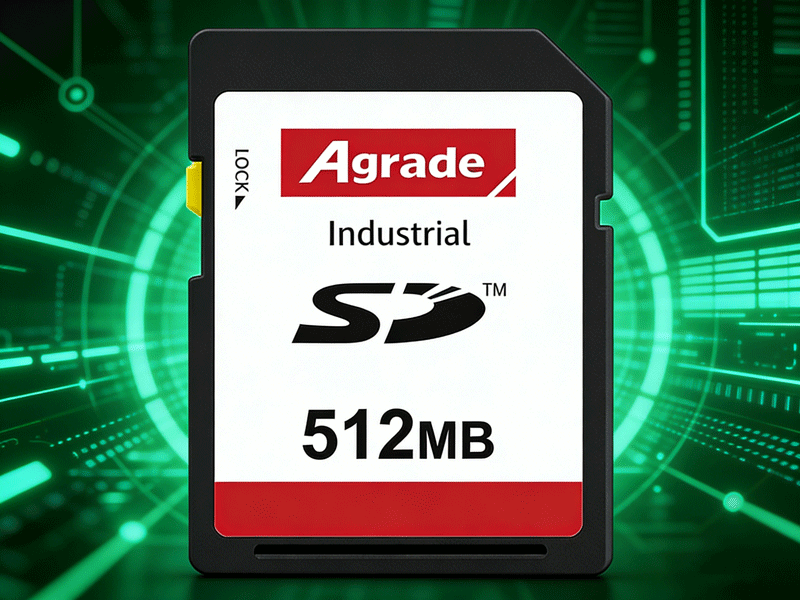
Component selection is the foundation of wide-temperature performance. Wide-temperature SD cards use industrial-grade components throughout. The core NAND flash particles and control chips undergo strict high-low temperature cycle screening, stability testing and aging testing, only retaining those that maintain stable electrical performance in extreme temperatures. SLC flash particles are preferred for their simple charge storage structure, maintaining charge retention for over 5 years at 85°C and enabling quick startup at -40°C, far superior to consumer-grade TLC particles.
Industrial-grade control chips have a wider voltage adaptation range and stronger anti-interference ability, accurately controlling data read-write and transmission even when voltage drifts slightly due to temperature fluctuations. Circuit design optimization solves interference from temperature changes on signal and power stability. Drastic temperature changes cause signal attenuation, impedance variation and voltage drift, leading to read-write errors. Wide-temperature SD cards reduce signal loss by shortening transmission paths and optimizing layout.
Independent heat dissipation circuits and efficient voltage regulation modules are added to dissipate heat quickly at high temperatures and stabilize power supply at low temperatures through voltage compensation. Some high-end models integrate temperature sensing modules to adjust circuit parameters dynamically. Packaging process upgrade provides a solid protective barrier. Unlike regular SD cards with civilian packaging materials, wide-temperature SD cards use high-temperature resistant epoxy resin and metal casings, enhancing heat dissipation, structural strength and resistance to vibration and electromagnetic interference.
Sealed packaging is adopted for high-humidity and corrosive environments to block moisture and dust. All wide-temperature SD cards undergo strict high-low temperature cycle testing and constant temperature durability testing before leaving the factory, simulating extreme scenarios to ensure no performance abnormalities, thus meeting industrial application requirements.

-
Products
Advantages
-
Solutions
-
News
About us
-
Contact us
Tel:+86 19926658803
Whatsapp:+86 19926658803
lianle1210@163.com
Address: 30CF, Caihong Building, Caihong Road, Futian District, Shenzhen City, Guangdong Province, China



Friendly Links:
